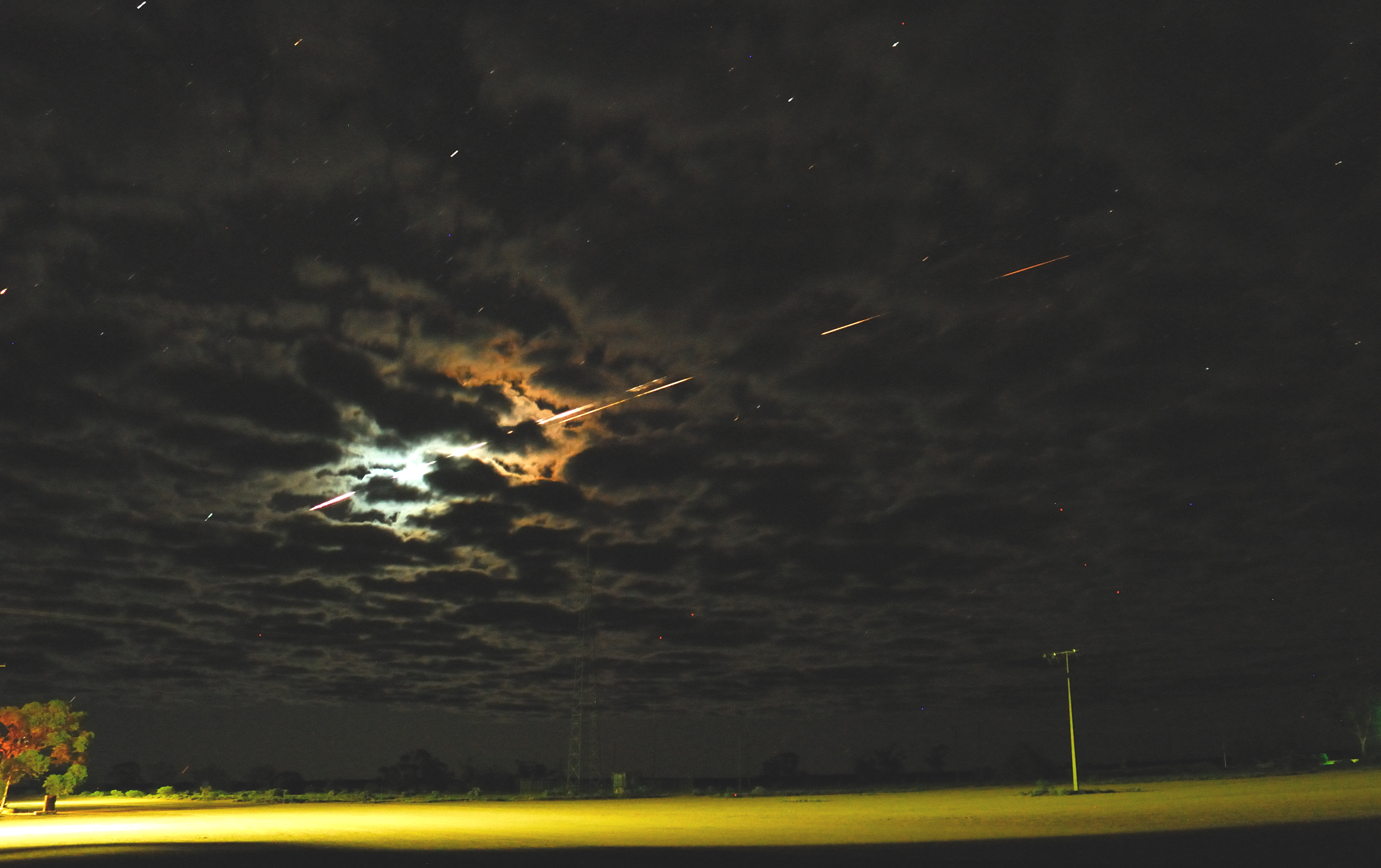
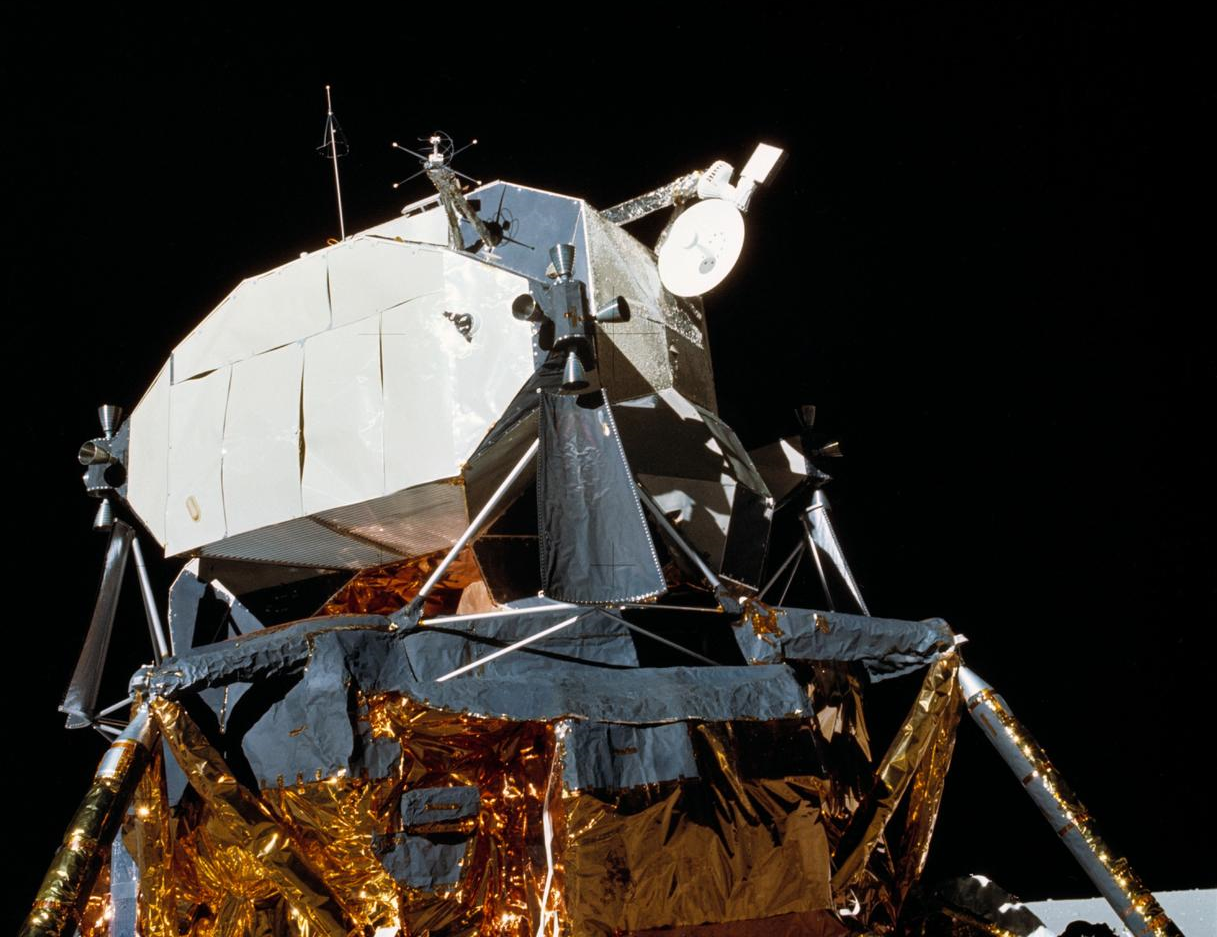
COSMOS 1316 DEB (12924)

COSPAR: 1981-104C | Alt Name: KDU
DECAYED

Image
COSMOS 1316 DEB Satellite Image
Additional Sources
Launch Details

Launch Date

October 15, 1981

Launch Pad

LC31

Launch Vehicle

Soyuz-U

Orbital Elements

NORAD ID

12924

International Designator

1981-104C

Decay Date

11/8/1981

Basic Satellite Info

Name

COSMOS 1316 DEB

Alternative Name

KDU

Type

Debris

Status

Space Junk

Owner

GUKOS

Country

USSR

Constellation

N/A

Related Satellites

Major Events

N/A

Summary
Space debris, also known as space junk, encompasses all non-functional objects orbiting Earth such as defunct satellites, spent rocket stages, and fragments from collisions or disintegrations. Over time, this debris can accumulate and create an increasingly hazardous environment in orbit. Even tiny fragments, traveling at extremely high velocities, can inflict significant damage on operational satellites and spacecraft. If left unmanaged, the density of debris raises the risk of catastrophic collisions and further fragmentation, compounding the problem and threatening the safety and sustainability of space activities.
Physical Characteristics

Length

1

Diameter

0.4

Span

1

Dry Mass

140

Launch Mass

425

Shape

Frust

Radar Cross Section

Unknown

Visual Magnitude

Unknown

Color

Unknown

Material Composition

Unknown

Technical Details

Payload

KDU

Purpose

Unknown

Mission

Unknown

Manufacturer

TSSKB

Life Expectancy

Unknown

Bus

Zenit KDU

Configuration

Unknown

Motor

Unknown

Equipment

Unknown

Power System

Unknown

ADCS

Unknown

Transmitter Frequency

Unknown

Satellite Articles

View All Posts »

Learn more about satellites and other related topics.

The Moon Landing That Almost Didn't Happen

The Moon Landing That Almost Didn't Happen

Six hours behind schedule, with a backup engine system shuddering in lunar orbit and mission controllers in Houston running out of options, Apollo 16 came within one meeting of being sent home without landing. The problem was a wobble in a gimbal. The solution was math done under pressure.
NASA Announces First-Ever ISS Medical Evacuation via SpaceX Crew Dragon | KeepTrack X Report

NASA Announces First-Ever ISS Medical Evacuation via SpaceX Crew Dragon | KeepTrack X Report

NASA plans first-ever medical evacuation from ISS using SpaceX Crew Dragon for Crew-11 astronaut. Starlink 6-96 mission scrubbed and rescheduled. Starbase Pad 1 tower and launch mount under review.

Space Brief 10 Mar 2025

Space Brief 10 Mar 2025

Today's briefing covers significant events, including advancements in US missile warning systems, SpaceX's Florida Starship plans, a European rocket's success, and NASA's upcoming missions.

ESA Proba-3 Spacecraft Goes Silent, Formation Mission Halted | KeepTrack Space Brief

ESA Proba-3 Spacecraft Goes Silent, Formation Mission Halted | KeepTrack Space Brief

ESA's Proba-3 spacecraft lost contact last month following on-orbit anomaly. Mission requires both satellites in precise formation for solar corona science. Recovery status uncertain.

Space Brief 19 Nov 2024

Space Brief 19 Nov 2024

Today's brief covers the investigation into Musk-Putin calls, SpaceX launch restrictions impacts, Pentagon's space investment strategies, ABL Space's pivot in focus, and Israel's defense export developments.

X Report 9 Feb 2025

X Report 9 Feb 2025

SpaceX prepares for another Starlink launch while facing potential C-band spectrum challenges.

Falcon 9 Returns to Flight, Crew-12 Targets Feb 11 Launch | KeepTrack X Report

Falcon 9 Returns to Flight, Crew-12 Targets Feb 11 Launch | KeepTrack X Report

Falcon 9 returns to flight with Starlink 17-33 mission after brief stand-down. Crew-12 astronaut launch confirmed for Feb 11. SpaceX shifts Dragon launches away from pad 39A.

Hayabusa | The Crippled Falcon That Carried an Asteroid Home

Hayabusa | The Crippled Falcon That Carried an Asteroid Home

Sixteen years ago today, a fireball tore across the Australian outback. Most of it was a dying Japanese spacecraft burning up after a seven-year ordeal. The bright dot racing ahead of the wreckage was a capsule holding the first grains of an asteroid ever returned to Earth.