SL-6 R/B(2) (12920)

COSPAR: 1981-105E | Alt Name: Blok-L
DECAYED

Image
SL-6 R/B(2) Satellite Image
Additional Sources
Launch Details

Launch Date

October 17, 1981

Launch Site

PLMSC

Launch Pad

LC41/1

Launch Vehicle

Molniya 8K78M

Orbital Elements

NORAD ID

12920

International Designator

1981-105E

Decay Date

12/15/1997

Basic Satellite Info

Name

SL-6 R/B(2)

Alternative Name

Blok-L

Type

Rocket Body

Status

Space Junk

Owner

RVSN

Country

USSR

Constellation

N/A

Related Satellites

Major Events

N/A

Summary
A rocket body, also commonly referred to as an upper stage or spent rocket stage, is the structural shell left behind after a rocket has delivered its payload to orbit. These large and often heavy pieces of space hardware can remain in orbit for years, posing significant collision hazards as part of the growing space debris problem. If left uncontrolled, rocket bodies have the potential to reenter Earth's atmosphere unpredictably, which can lead to falling debris in populated areas. Additionally, they risk colliding with operational satellites or the International Space Station, creating more debris and putting human life at risk.
Physical Characteristics

Length

3.3

Diameter

2.3

Span

3.3

Dry Mass

900

Launch Mass

4500

Shape

Cyl

Radar Cross Section

6.7512

Visual Magnitude

Unknown

Color

Unknown

Material Composition

Unknown

Technical Details

Payload

Blok-L

Purpose

Unknown

Mission

Unknown

Manufacturer

NPOE

Life Expectancy

Unknown

Bus

Blok-L

Configuration

Unknown

Motor

Unknown

Equipment

Unknown

Power System

Unknown

ADCS

Unknown

Transmitter Frequency

Unknown

Satellite Articles

View All Posts »

Learn more about satellites and other related topics.

Pentagon Pulls the Plug on GPS OCX | The $8 Billion Ground System That Never Worked

Pentagon Pulls the Plug on GPS OCX | The $8 Billion Ground System That Never Worked

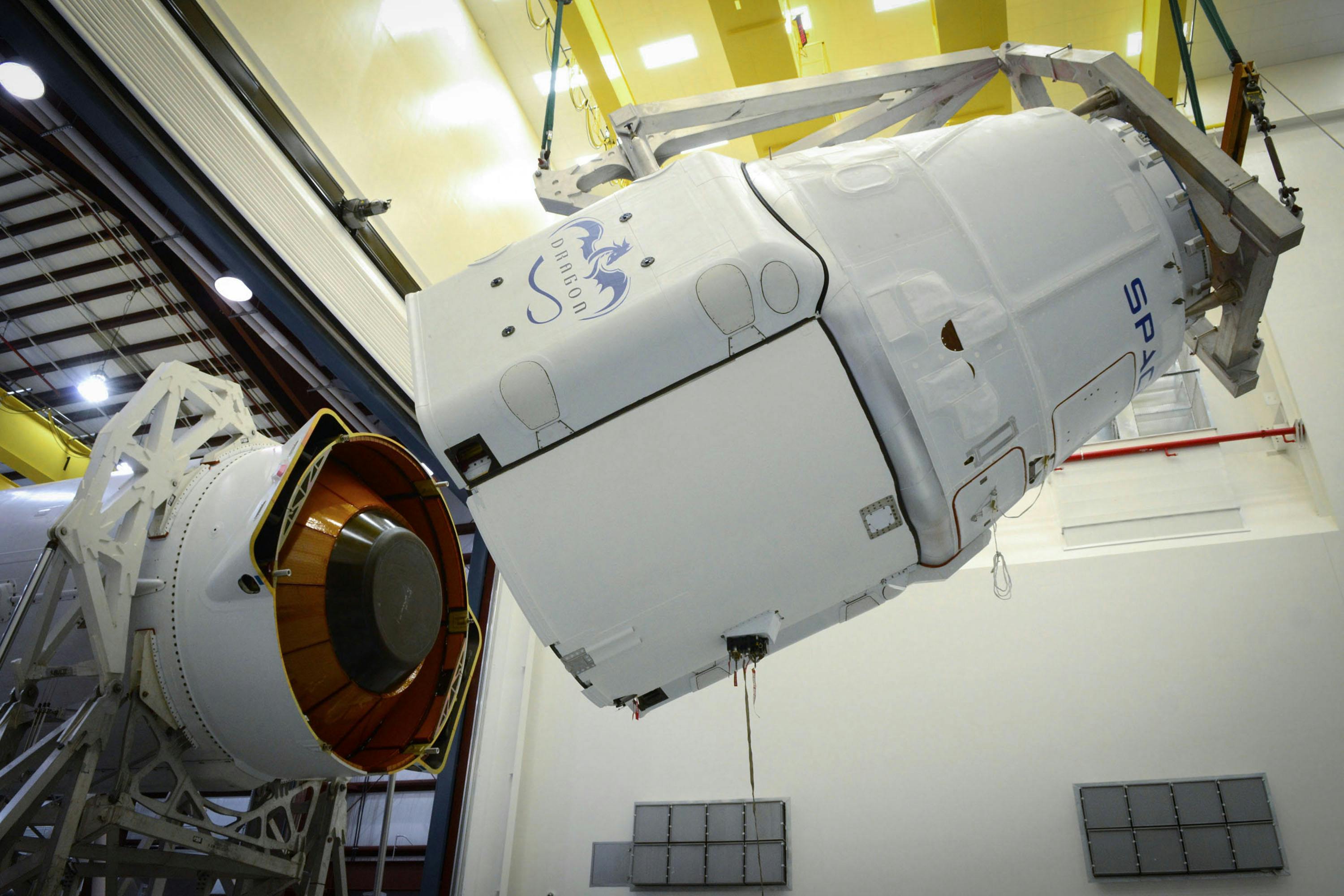
On April 17, 2026, the U.S. Space Force officially cancelled the Next Generation Operational Control System after sixteen years of development, cost overruns, and testing failures. The $8 billion program was supposed to unlock the military's encrypted GPS signal. Instead, the satellites are flying with capabilities the ground can't command.
X Report 28 Nov 2024

X Report 28 Nov 2024

SpaceX advances with Starship, gains FCC approval for new services, and predicts a future shift in spacecraft dominance.

Space Brief 3 Jan 2025

Space Brief 3 Jan 2025

Today's brief covers the recent surge in SpaceX launches, Eutelsat's resolution of a OneWeb software issue, and various strategic previews for U.S. military branches in 2025.

X Report 11 Sep 2025

X Report 11 Sep 2025

SpaceX successfully launched 21 military satellites, marking a key achievement in national security efforts, while preparations continue for the upcoming NASA mission and insights emerge from the Starship development process.

X Report 8 Jan 2025

X Report 8 Jan 2025

SpaceX gears up for distinctive Starship tests and milestone Starlink deployments as the new year takes off.

Space Brief 1 Jan 2025

Space Brief 1 Jan 2025

Today's brief covers a record-breaking Starlink launch, FCC's allocation of additional spectrum for launches, and more. Plus, explore the intricacies of satellite Rassvet-2 No. 1 in our Satellite Spotlight.

Space Brief 30 Oct 2025

Space Brief 30 Oct 2025

Today's brief explores rising investments in space with defense ties, potential Space Force-NRO coordination, and more, offering insight into current military and defense satellite dynamics.

Falcon Heavy Attempts ViaSat-3 F3 Launch After Weather Scrub | KeepTrack X Report

Falcon Heavy Attempts ViaSat-3 F3 Launch After Weather Scrub | KeepTrack X Report

SpaceX's Falcon Heavy targets a second launch attempt for ViaSat-3 F3, while Artemis III slips to late 2027 and Musk earns a Mars milestone bonus.