

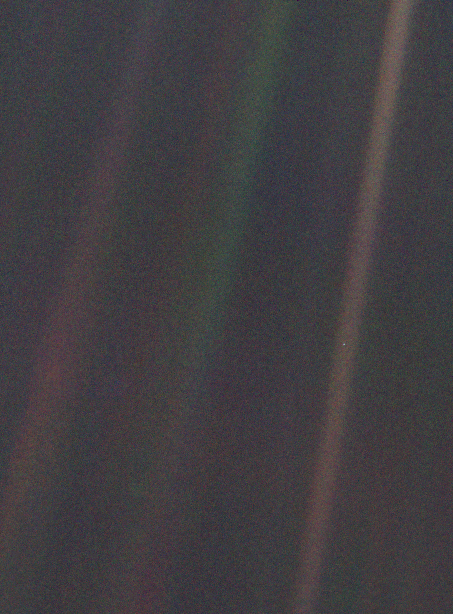
The Day Earth Became a Pale Blue Dot
Thirty-five years ago, Voyager 1 captured a revolutionary series of images from the edge of our solar system, forever changing how humanity sees its place in the cosmos


Launch Date
October 13, 1981
Launch Site
PLMSC
Launch Pad
LC43/3
Launch Vehicle
Vostok 8A92M
NORAD ID
12903
International Designator
1981-103A
Decay Date
8/31/2015
Name
COSMOS 1315
Alternative Name
Kosmos-1315
Type
Status
Owner
GRU
Country
USSR
Constellation
N/A
Related Satellites
Major Events
N/A
Length
3.2
Diameter
1.3
Span
13.1
Dry Mass
1750
Launch Mass
1750
Shape
Cyl + Ant
Radar Cross Section
8.0277
Visual Magnitude
Unknown
Color
Unknown
Material Composition
Unknown
Payload
Ikar No. 26L
Purpose
SIGINT
Mission
SIGINT
Manufacturer
YUZH
Life Expectancy
6 months
Bus
Tselina-D
Configuration
Unknown
Motor
Unknown
Equipment
Unknown
Power System
2 deployable solar arrays, batteries
ADCS
Unknown
Transmitter Frequency
Unknown
Learn more about satellites and other related topics.
Thirty-five years ago, Voyager 1 captured a revolutionary series of images from the edge of our solar system, forever changing how humanity sees its place in the cosmos

SpaceX continues to ramp up its operations with the launch of 29 more Starlink satellites, while significant upgrades at its Starbase facility signify ambitious future plans.
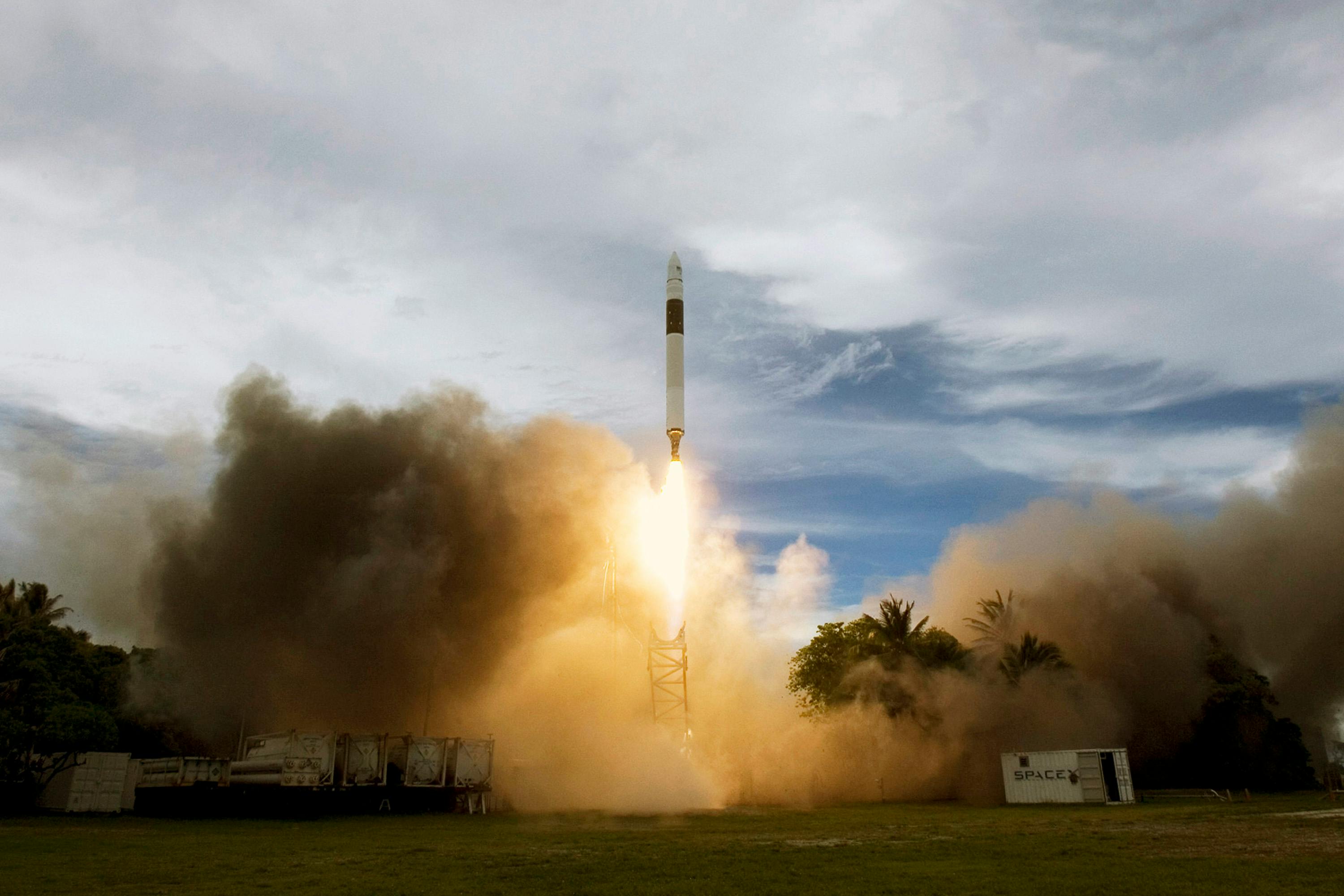
SpaceX wraps up a record-breaking year with an impressive launch count, while the Starship program looks to make significant advancements in 2025.
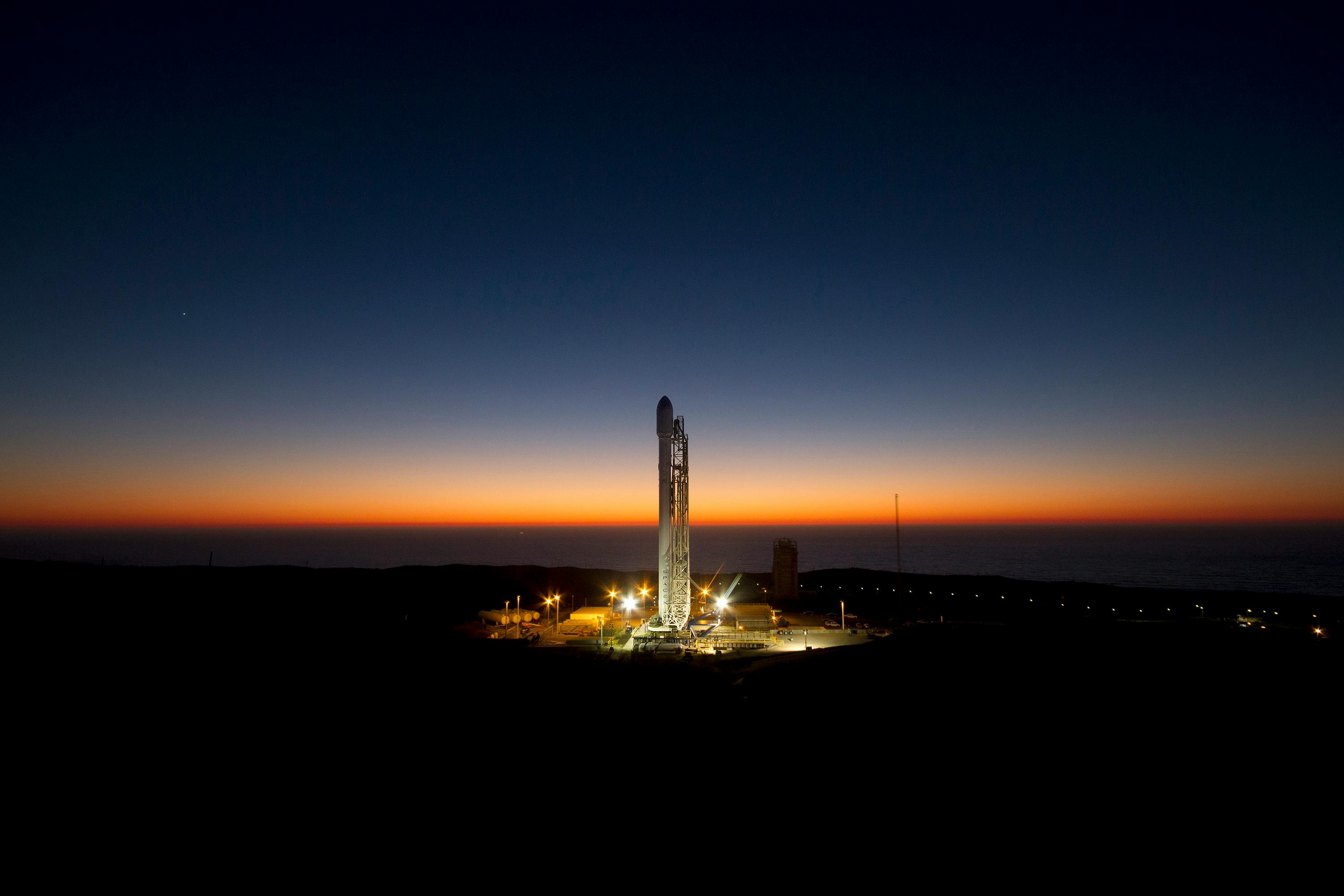
Starship launch site construction progresses at Kennedy Space Center and Cape Canaveral. Elon Musk trolls Ryanair after budget airline refuses to install Starlink on its fleet.

SpaceX awarded $178.5M Space Force contract for missile tracking satellite launches beginning 2027. Pentagon also extends GPS modernization support with $45M Raytheon order.

SpaceX successfully launched 24 Starlink satellites into polar orbit, enhancing global coverage. Meanwhile, NASA's Crew-11 is now in quarantine ahead of their upcoming ISS mission.
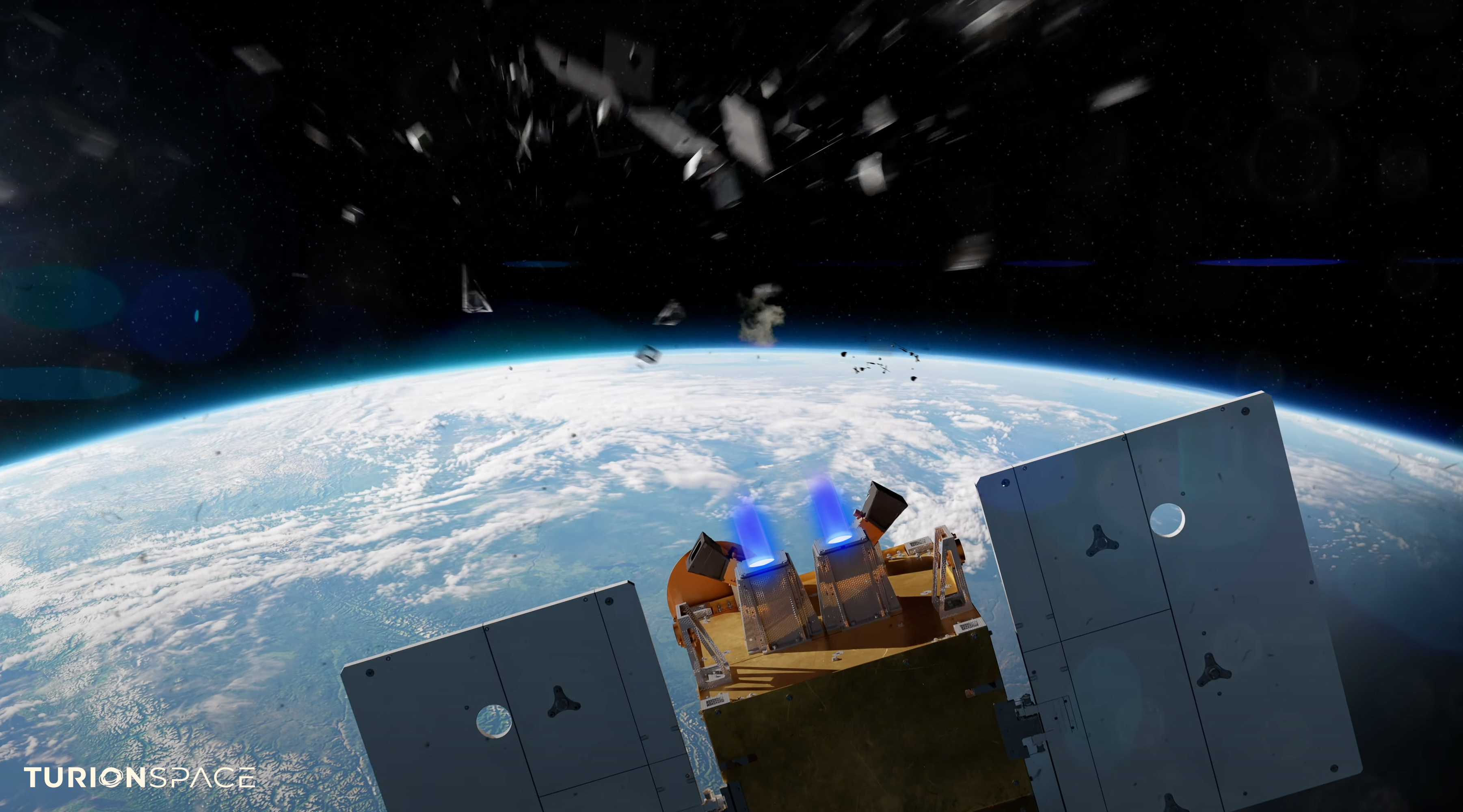
A 90-kilogram spacecraft with iodine thrusters and two Australian-built cameras is quietly building the case that tracking space debris is a business worth billions - and that a four-year-old startup from Irvine can own it.
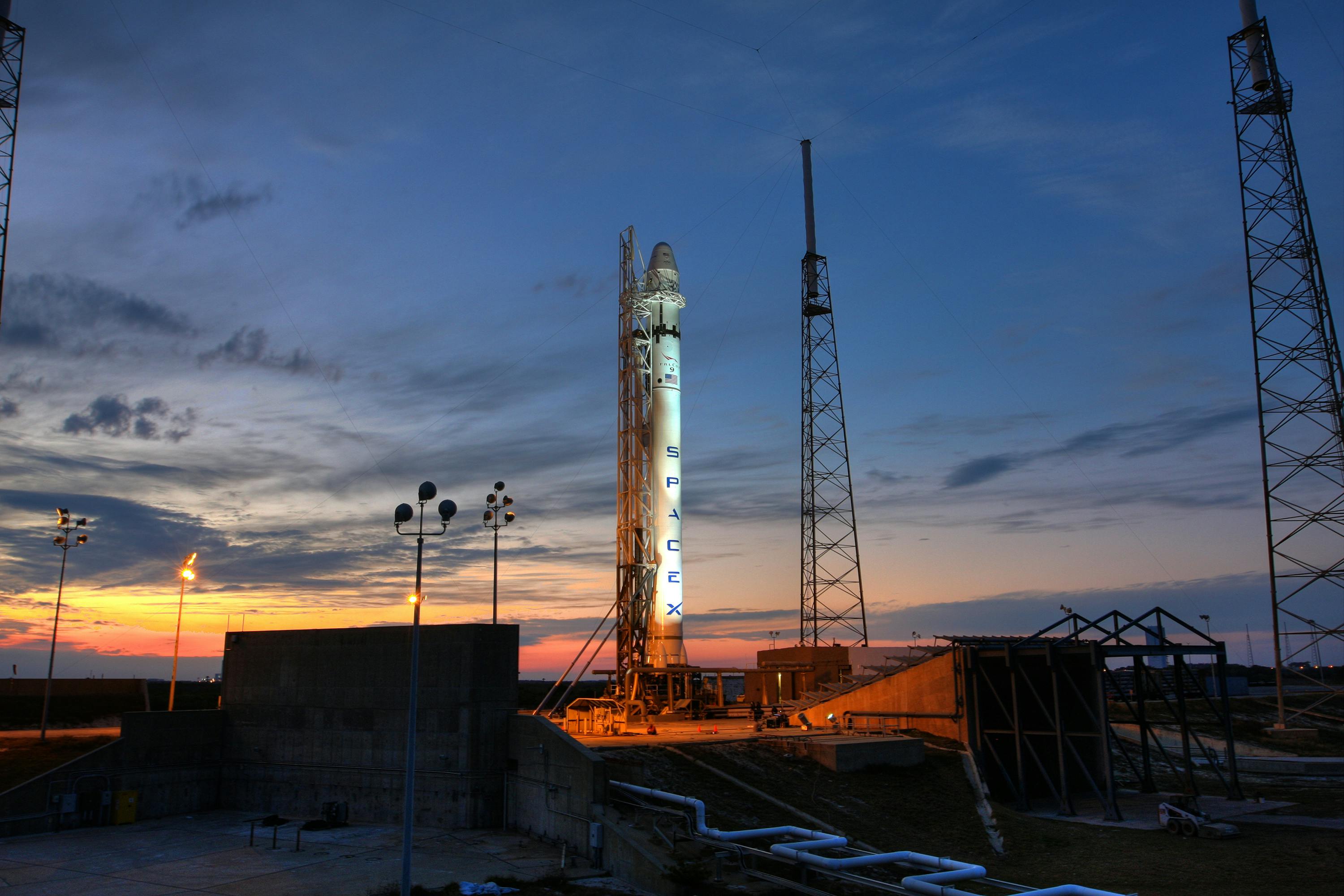
SpaceX successfully launched 28 Starlink satellites, marking a significant milestone with its 500th orbital mission. Both launches underscore the company's commitment to expanding its satellite internet constellation and solidifying its position in the space industry.