COSMOS 1300 (12785)

COSPAR: 1981-082A | Alt Name: Kosmos-1300
DECAYED

Image
COSMOS 1300 Satellite Image
Additional Sources
Launch Details

Launch Date

August 24, 1981

Launch Site

PLMSC

Launch Pad

LC32/1

Launch Vehicle

Tsiklon-3

Orbital Elements

NORAD ID

12785

International Designator

1981-082A

Decay Date

2/7/2026

Basic Satellite Info

Name

COSMOS 1300

Alternative Name

Kosmos-1300

Type

Payload

Status

Decayed

Owner

GRU

Country

USSR

Constellation

N/A

Related Satellites

Major Events

N/A

Summary
COSMOS 1300 (also known as Kosmos-1300) is a SIGINT satellite launched on August 24, 1981, from the PLMSC launch site using LC32/1 and a Tsiklon-3 launch vehicle. It was manufactured by YUZH for the GRU and has dimensions of 3.2 meters in length, 1.3 meters in diameter, and a span of 13.1 meters. The satellite's dry mass is 1750 kg, which is identical to its launch mass. COSMOS 1300 was equipped with two deployable solar arrays and batteries for power supply and has a shape described as cylindrical with antennas. Its mission purpose is SIGINT (Signals Intelligence), carrying the Ikar No. 33L payload. The satellite's estimated operational lifetime was six months, following its launch.
Physical Characteristics

Length

3.2

Diameter

1.3

Span

13.1

Dry Mass

1750

Launch Mass

1750

Shape

Cyl + Ant

Radar Cross Section

5.6944

Visual Magnitude

Unknown

Color

Unknown

Material Composition

Unknown

Technical Details

Payload

Ikar No. 33L

Purpose

SIGINT

Mission

SIGINT

Manufacturer

YUZH

Life Expectancy

6 months

Bus

Tselina-D

Configuration

Unknown

Motor

Unknown

Equipment

Unknown

Power System

2 deployable solar arrays, batteries

ADCS

Unknown

Transmitter Frequency

Unknown

Satellite Articles

View All Posts »

Learn more about satellites and other related topics.

Space Force Acquisition Workforce Shortfall Threatens Modernization | KeepTrack Space Brief

Space Force Acquisition Workforce Shortfall Threatens Modernization | KeepTrack Space Brief

Space Force modernization stalls over workforce gaps. Deutsche Telekom targets 2028 for Starlink Mobile V2 across 10 EU nations. Iran ops strain US munition stocks.

Astroscale Taps Isar for ELSA-M Debris Mission | KeepTrack Space Brief

Astroscale Taps Isar for ELSA-M Debris Mission | KeepTrack Space Brief

Astroscale selects Isar Aerospace to launch ELSA-M, a commercial deorbit mission targeting defunct satellites in LEO. Over 20,000 trackable debris objects now in orbit.

Space Brief 15 May 2025

Space Brief 15 May 2025

Today's brief highlights a nuclear battery startup's funding boost, advisory board additions in the space sector, and key military updates impacting space operations.

Space Brief 11 Sep 2024

Space Brief 11 Sep 2024

A recap of notable space events including the Soyuz MS-26 launch to the ISS, Polaris Dawn's altitude achievement, and satellite tracking updates.

The Day a Giant Space Balloon United the Cold War

The Day a Giant Space Balloon United the Cold War

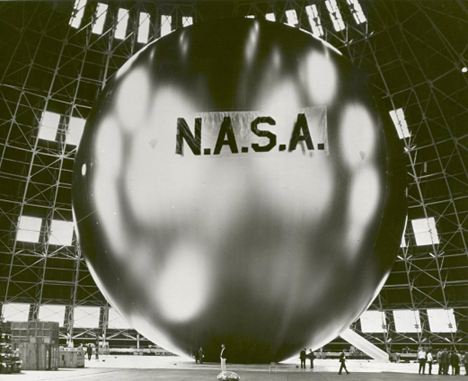
When a 135-foot inflatable mirror bounced a radio signal from England to Russia, it became the first joint US-Soviet space venture - and changed how we think about satellite communication.

Space Force Modernizes Networks Across 14 Bases, SDA Expands $3.5B Satellite Program | KeepTrack Space Brief

Space Force Modernizes Networks Across 14 Bases, SDA Expands $3.5B Satellite Program | KeepTrack Space Brief

Space Force initiates cybersecurity network upgrades across 14 bases. SDA expands $3.5B Tracking Layer with 72 new satellites. SpaceX and China drive record orbital launches in 2025.

Blue Origin Targets New Glenn Return Before Year-End After Pad Explosion | KeepTrack Space Brief

Blue Origin Targets New Glenn Return Before Year-End After Pad Explosion | KeepTrack Space Brief

Blue Origin aiming for 2nd New Glenn launch by end of 2026 after LC-36 pad explosion at Cape Canaveral. Repair timeline still unclear; mission critical for national security payloads.

Space Brief 31 Mar 2025

Space Brief 31 Mar 2025

Today's brief covers significant space events, including milestone national security certifications for ULA Vulcan and Rocket Lab, SpaceX's groundbreaking polar orbit mission, and a failed launch attempt by Isar Aerospace.