

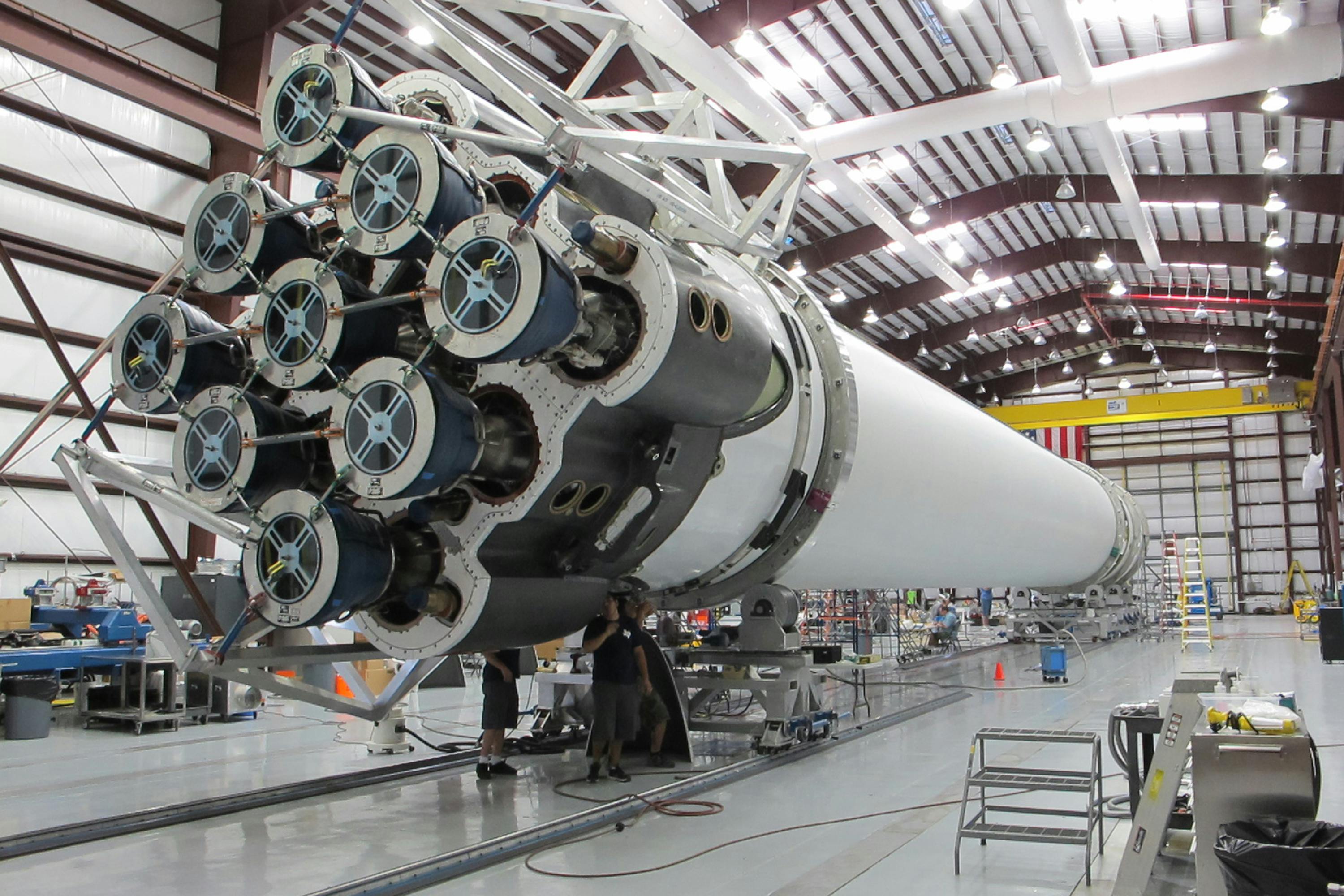
All 33 Raptor V3 Engines Ignite in Super Heavy Static Fire | KeepTrack X Report
SpaceX ignited all 33 next-gen Raptor V3 engines on the Super Heavy booster at Starbase, Texas, marking a critical milestone toward the next Starship flight.


Launch Date
August 21, 1981
Launch Site
Launch Pad
LC31
Launch Vehicle
Soyuz-U
NORAD ID
12776
International Designator
1981-080A
Decay Date
10/2/1981
Name
COSMOS 1298
Alternative Name
Kosmos-1298
Type
Status
Owner
TSSKB
Country
USSR
Constellation
N/A
Related Satellites
Major Events
N/A
Length
6.3
Diameter
2.7
Span
6.3
Dry Mass
2886
Launch Mass
2886
Shape
Cyl + 2 Pan
Radar Cross Section
Unknown
Visual Magnitude
Unknown
Color
Unknown
Material Composition
Unknown
Payload
Yantar'-4K2 No. 1L
Purpose
Reconnaissance, photo (film return type)
Mission
Reconnaissance, photo (film return type)
Manufacturer
TSSKB
Life Expectancy
Unknown
Bus
Yantar'-4K2
Configuration
Yantar Bus, main reentry module, 2 small reentry capsules
Motor
Unknown
Equipment
Unknown
Power System
2 deployable solar arrays, batteries
ADCS
Unknown
Transmitter Frequency
Unknown
Learn more about satellites and other related topics.
SpaceX ignited all 33 next-gen Raptor V3 engines on the Super Heavy booster at Starbase, Texas, marking a critical milestone toward the next Starship flight.
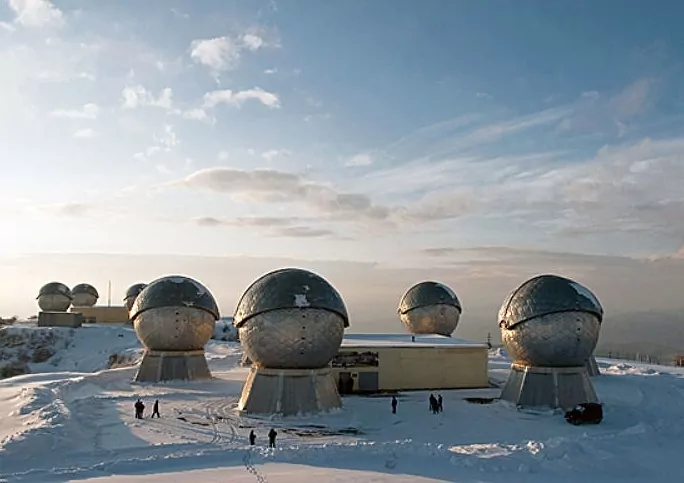
An analysis of Russia's independent space tracking system and how it compares to the established U.S. Space Surveillance Network
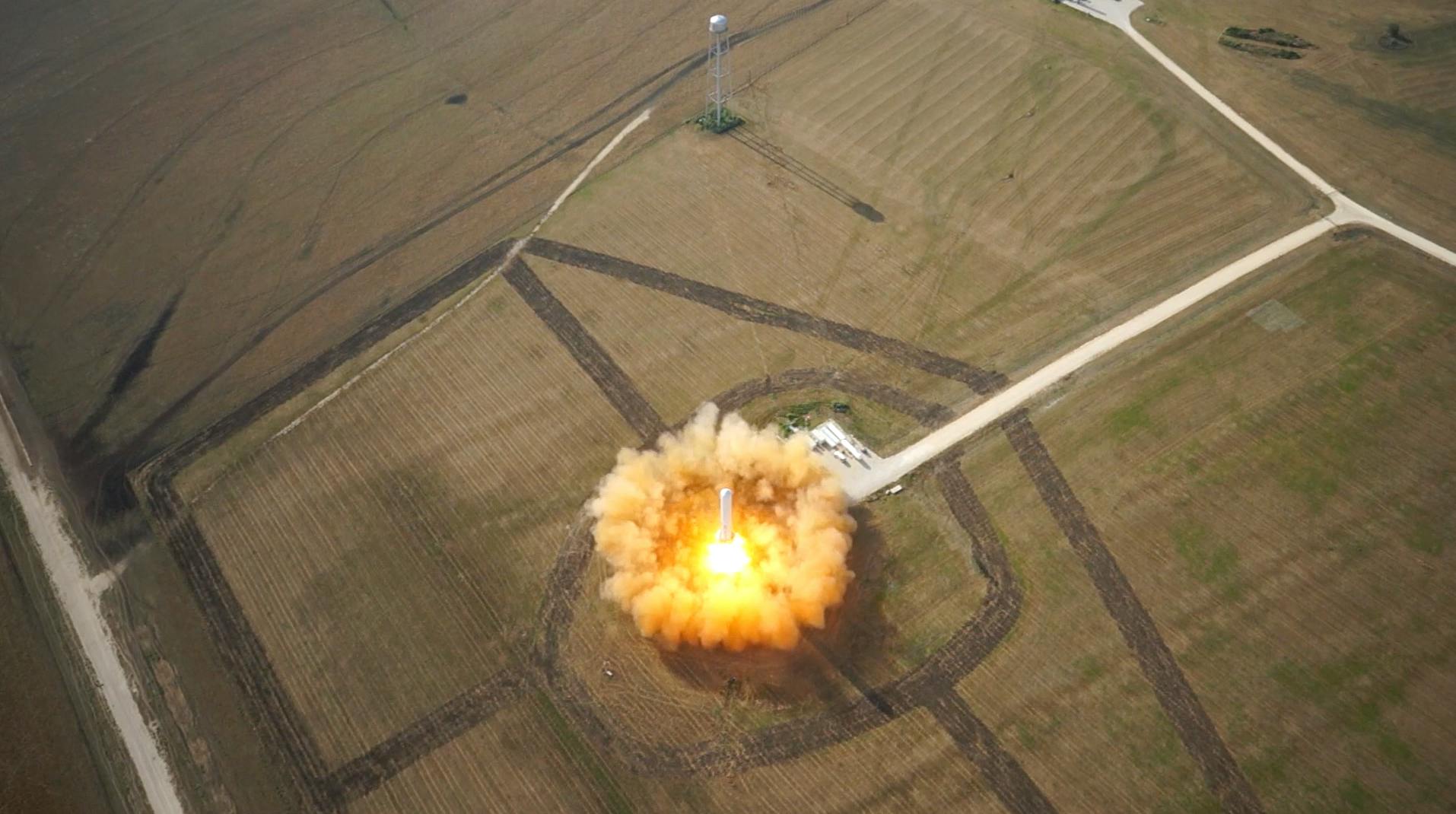
SpaceX achieves significant milestones with Starship and multiple launch missions, while Starlink connectivity expands through T-Mobile's beta program.

SpaceX secures FCC nod for Starlink's direct-to-phone connectivity, lands NASA's Dragonfly mission, and sees new competition with the ZhuQue-2E launch.
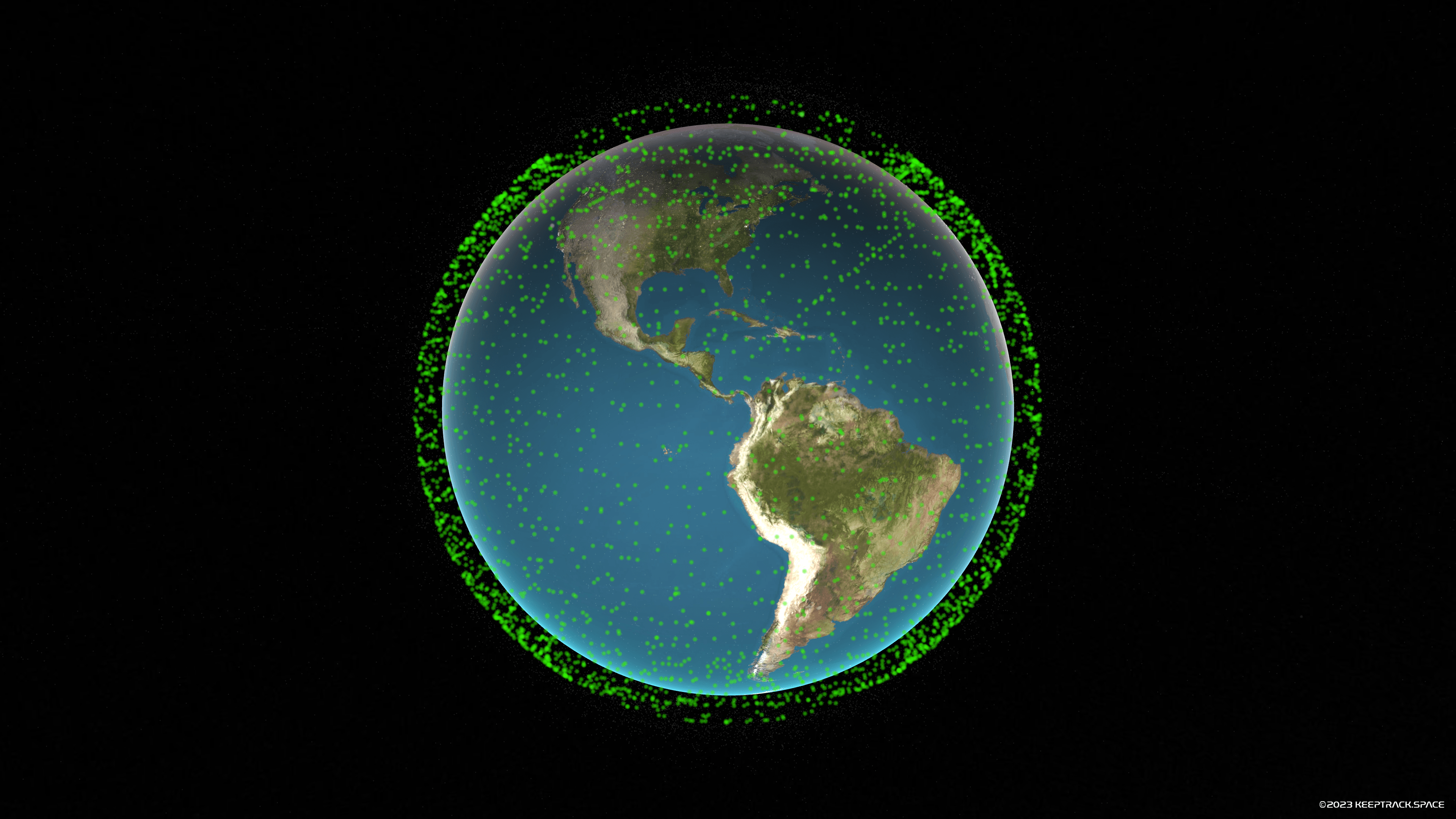
The U.S. Federal Communications Commission reaffirms its decision to deny SpaceX's Starlink unit $885.5 million in rural broadband subsidies, impacting the company's plans for expanding internet access.
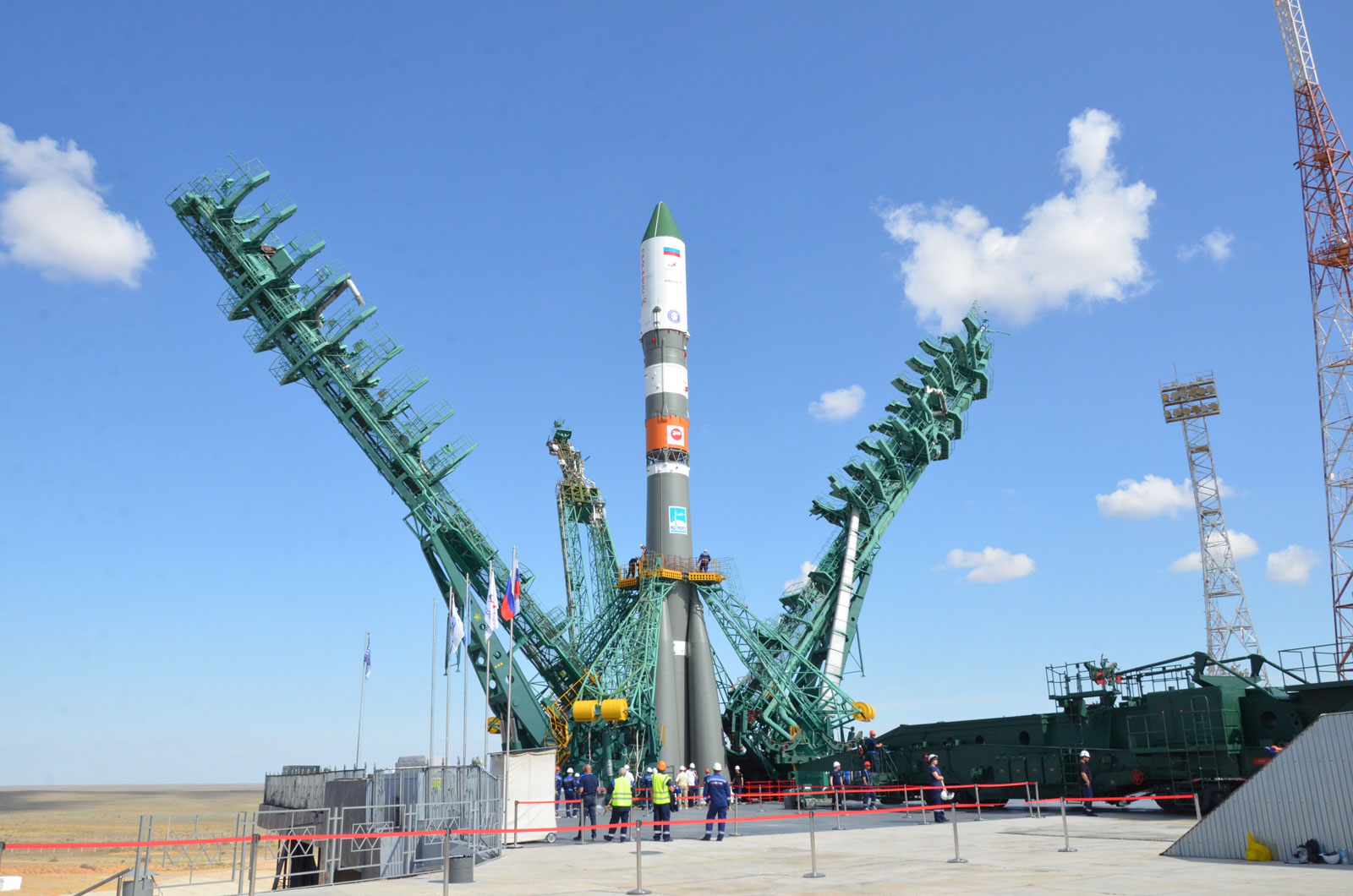
Northrop Grumman takes $71M charge over Vulcan solid rocket booster anomaly, grounding ULA's vehicle. Vulcan manifest timelines now in holding pattern pending resolution.
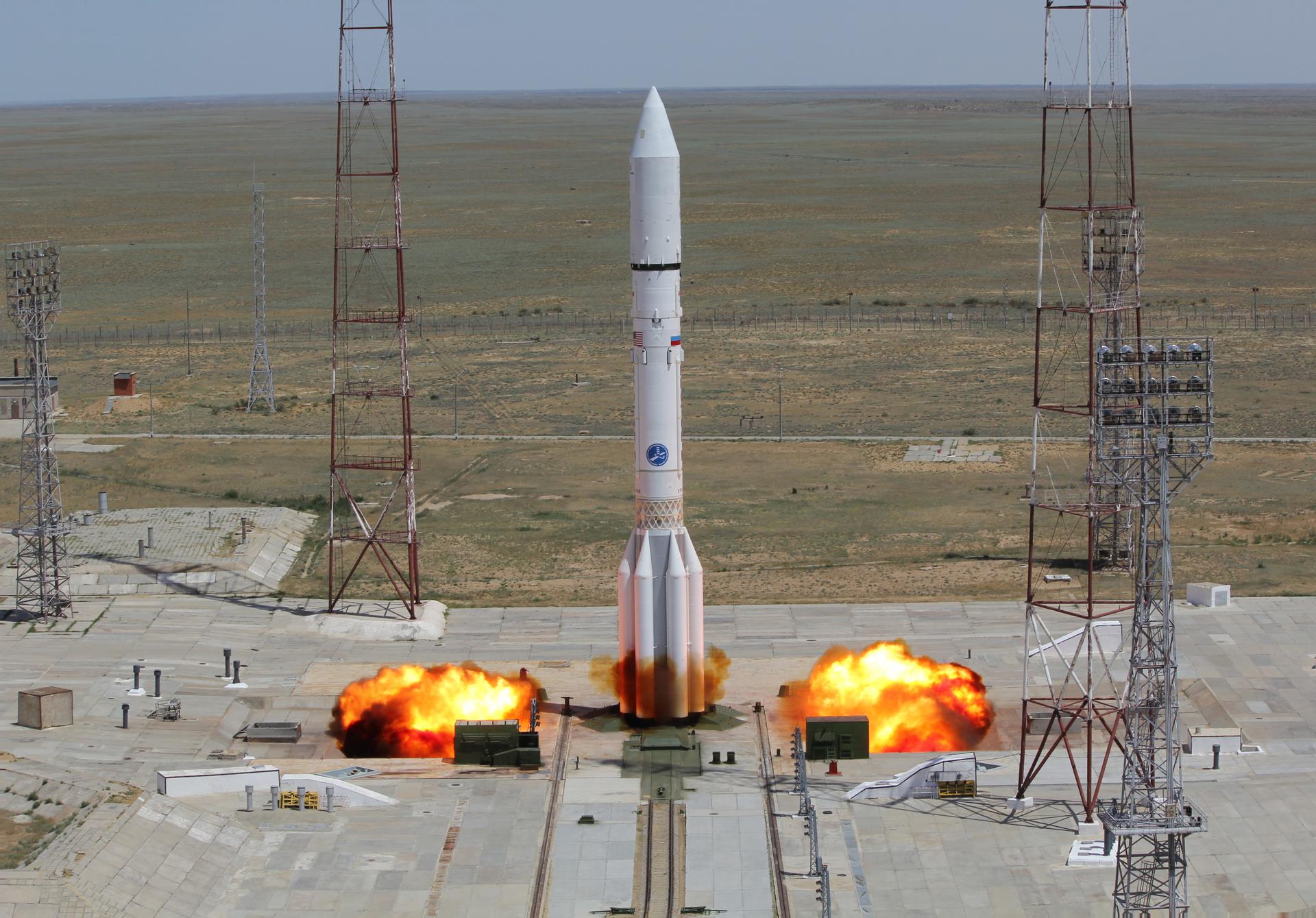
Varda Space's W-5 mission lands safely in Australia. Leonardo DRS wins SDA Tracking Layer Tranche 3 infrared payload contract. Senate passes $839B defense bill.
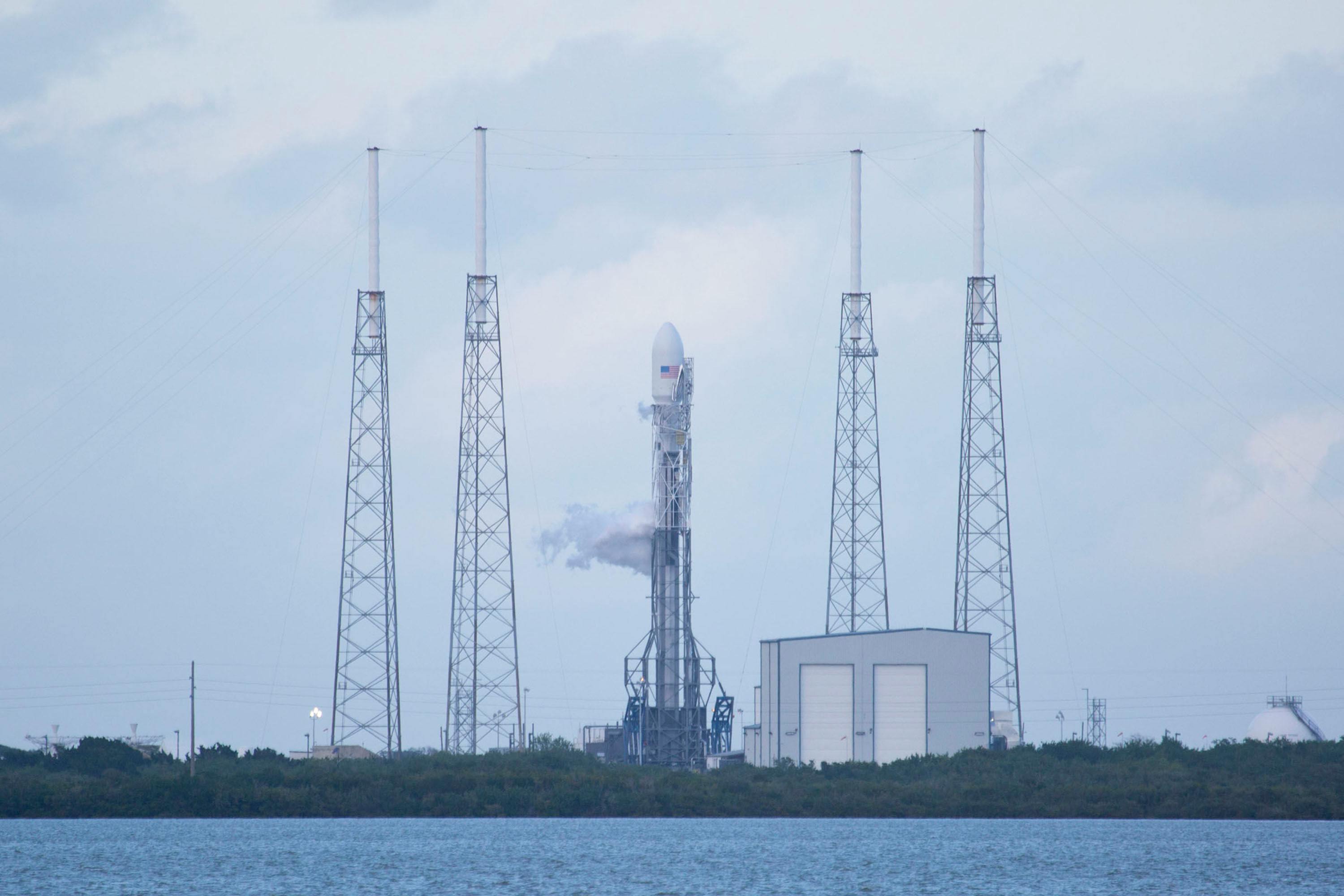
SpaceX prepares to launch 27 Starlink satellites in its first mission since the recent Starship explosion, while the FAA investigates debris reports from the failed test flight.