



Space Brief 14 Nov 2025
Today's brief covers Firefly's acquisition, military tracking from the moon, France's boost in military space funding, and more.



Launch Date
June 4, 1981
Launch Site
PLMSC
Launch Pad
LC132/2
Launch Vehicle
Kosmos 11K65M
NORAD ID
12700
International Designator
1981-053AU
Epoch
Sat, 04 Jul 2026 01:59:52 GMT
Apogee
Calculating...
Perigee
Calculating...
Inclination
82.78°
Right Ascension
214.57°
Eccentricity
Calculating...
Argument of Perigee
78.12°
Period
102.06 min
Mean Motion
14.11 rev/day
Latitude
Calculating...
Longitude
Calculating...
Altitude
Calculating...
Velocity
Calculating...
Name
COSMOS 1275 DEB
Alternative Name
deb Kosmos-1275
Type
Status
Owner
VMF
Country
USSR
Constellation
N/A
Related Satellites
Major Events
N/A
1 12700U 81053AU 26185.08324853 .00000924 00000-0 49997-3 0 9998
2 12700 82.7767 214.5713 0050375 78.1185 282.5633 14.10903993289559
Source: Celestrak
Length
0
Diameter
0
Span
0
Dry Mass
0
Launch Mass
0
Shape
N/A
Radar Cross Section
0.0825
Visual Magnitude
Unknown
Color
Unknown
Material Composition
Unknown
Payload
Unknown
Purpose
Unknown
Mission
Unknown
Manufacturer
Unknown
Life Expectancy
Unknown
Bus
Unknown
Configuration
Unknown
Motor
Unknown
Equipment
Unknown
Power System
Unknown
ADCS
Unknown
Transmitter Frequency
Unknown
Learn more about satellites and other related topics.
Today's brief covers Firefly's acquisition, military tracking from the moon, France's boost in military space funding, and more.

SpaceX successfully launched 28 Starlink satellites on October 7, further expanding its broadband constellation while hosting an active launch schedule this week.

SpaceX launches 28 Starlink satellites and discusses upcoming business strategies, while T-Mobile slashes Starlink cellular prices.

SpaceX continues to ramp up its operations with the launch of 29 more Starlink satellites, while significant upgrades at its Starbase facility signify ambitious future plans.

Today's briefing covers the Long March 12A's first launch, a major advance in space radio communication, and highlights from key military developments impacting space operations.
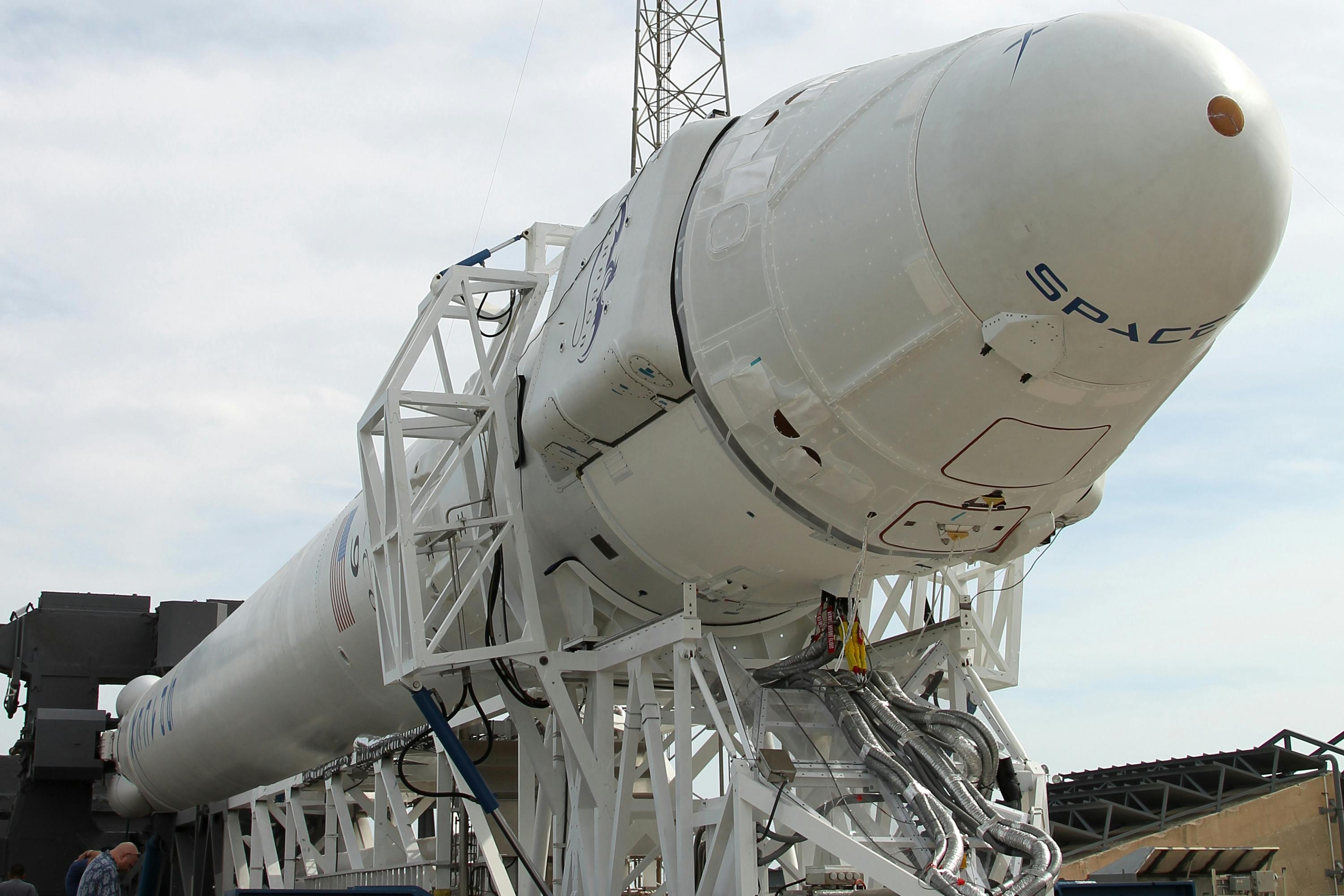
SpaceX launches more Starlink satellites as Starship prepares for full stack testing, amidst Musk's new governmental role.
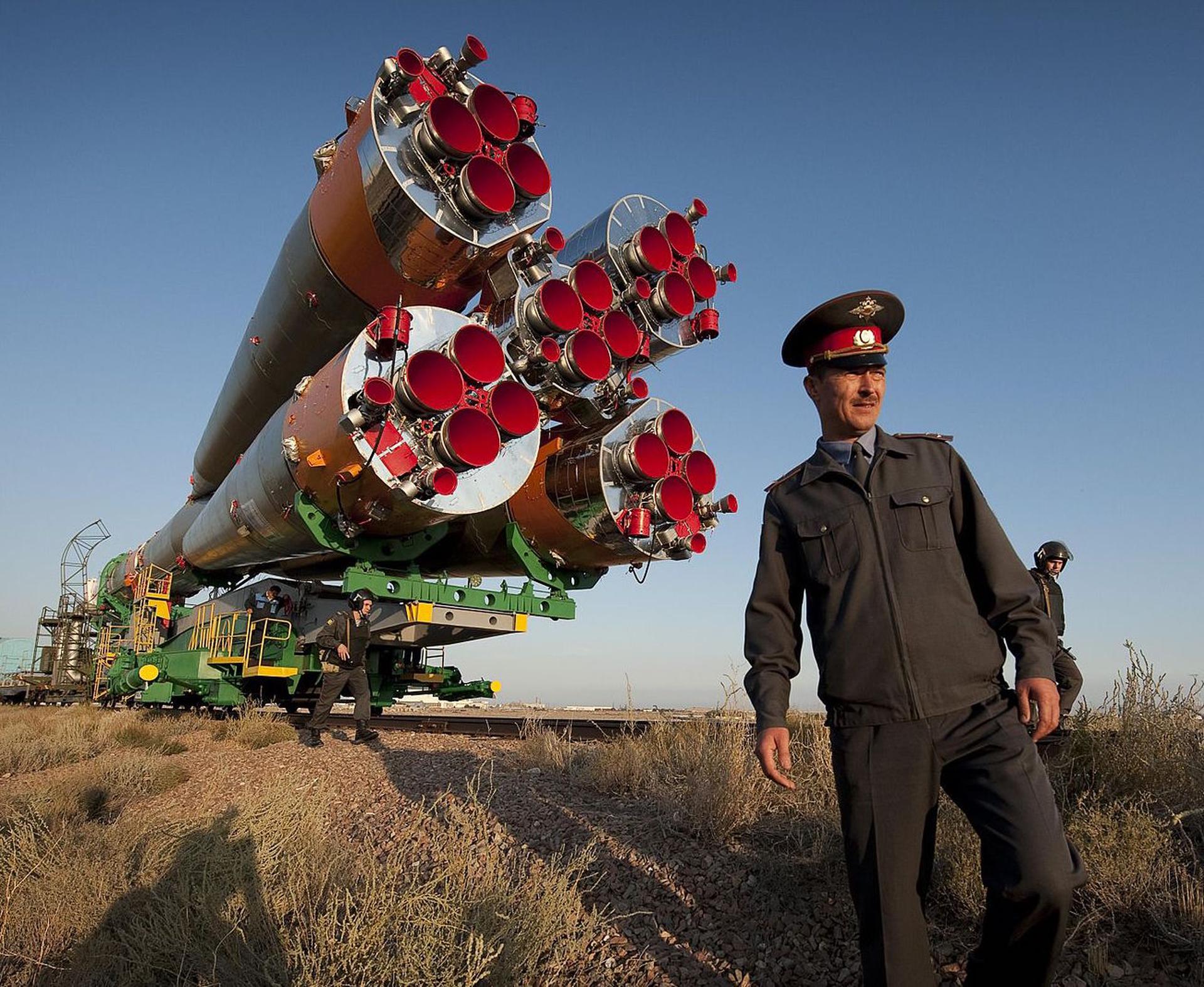
Today's Space Brief highlights emerging technologies in space, a contract for U.S. Space Force missions, developments in military operations, and updates on drone advancements.

We forecast how many satellites could be in orbit by 2030 and what capabilities we can expect.