COSMOS 57 DEB (01265)

COSPAR: N/A | Alt Name: deb Kosmos-57
DECAYED

Image
COSMOS 57 DEB Satellite Image
Additional Sources
Launch Details

Launch Date

February 22, 1965

Launch Pad

Unknown

Launch Vehicle

Unknown

Orbital Elements

NORAD ID

01265

International Designator

N/A

Decay Date

3/15/1965

Basic Satellite Info

Name

COSMOS 57 DEB

Alternative Name

deb Kosmos-57

Type

Debris

Status

Space Junk

Country

USSR

Constellation

N/A

Related Satellites

Major Events

N/A

Summary
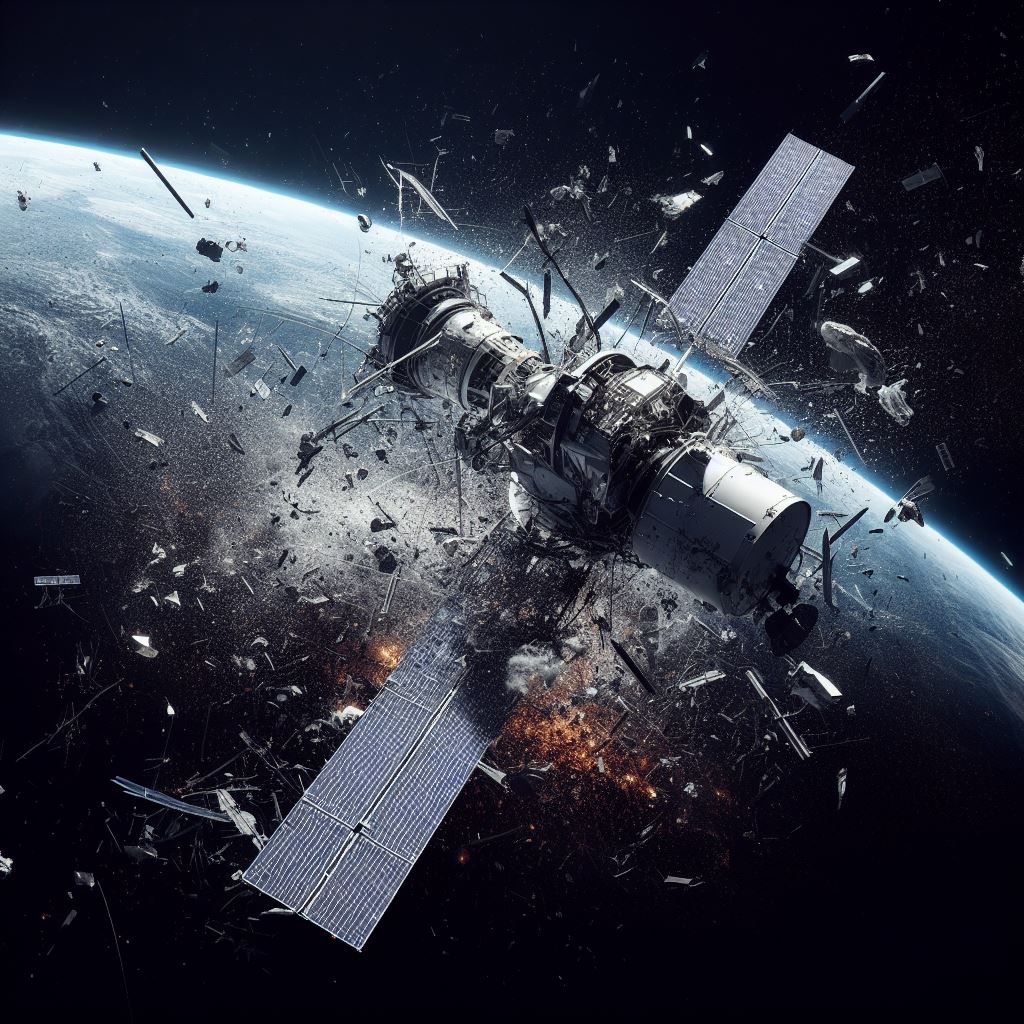
Space debris, also known as space junk, encompasses all non-functional objects orbiting Earth such as defunct satellites, spent rocket stages, and fragments from collisions or disintegrations. Over time, this debris can accumulate and create an increasingly hazardous environment in orbit. Even tiny fragments, traveling at extremely high velocities, can inflict significant damage on operational satellites and spacecraft. If left unmanaged, the density of debris raises the risk of catastrophic collisions and further fragmentation, compounding the problem and threatening the safety and sustainability of space activities.
Physical Characteristics

Length

0

Diameter

0

Span

0

Dry Mass

0

Launch Mass

0

Shape

N/A

Radar Cross Section

Unknown

Visual Magnitude

Unknown

Color

Unknown

Material Composition

Unknown

Technical Details

Payload

Unknown

Purpose

Unknown

Mission

Unknown

Manufacturer

Unknown

Life Expectancy

Unknown

Bus

Unknown

Configuration

Unknown

Motor

Unknown

Equipment

Unknown

Power System

Unknown

ADCS

Unknown

Transmitter Frequency

Unknown

Satellite Articles

View All Posts »

Learn more about satellites and other related topics.

Falcon 9 Shatters Reuse Record With 33rd Flight on Double Launch Day | KeepTrack X Report

Falcon 9 Shatters Reuse Record With 33rd Flight on Double Launch Day | KeepTrack X Report

SpaceX launches two Falcon 9 rockets in one day carrying Starlink satellites from both coasts. Most-flown booster achieves record 33rd flight. 28 V2 Mini Optimized sats deployed.

Iran Strikes UAE and Saudi Targets, Space Force Opens Tracking to Commercial Firms | KeepTrack Space Brief

Iran Strikes UAE and Saudi Targets, Space Force Opens Tracking to Commercial Firms | KeepTrack Space Brief

Iran launches drones and missiles at UAE and Saudi targets. Space Force opens secretive tracking data to commercial firms. Falcon 9 breakup linked to lithium pollution in upper atmosphere.

SpaceX Eyes Confidential IPO Filing at $1.75T Valuation | KeepTrack X Report

SpaceX Eyes Confidential IPO Filing at $1.75T Valuation | KeepTrack X Report

Reports suggest SpaceX considering confidential IPO filing this March at $1.75T+ valuation. Starship may not fly on NASA's revamped Artemis 3 mission. 25 Starlink sats launched.

X Report 27 Feb 2025

X Report 27 Feb 2025

SpaceX's Falcon 9 rockets propel space exploration and connectivity forward with a moon landing mission, Starlink deployment, and readiness for another Starship launch trial.

Artemis 2 Crew Returns After 50-Year Lunar Milestone | KeepTrack Space Brief

Artemis 2 Crew Returns After 50-Year Lunar Milestone | KeepTrack Space Brief

Artemis 2 splashdown marks first crewed lunar flyby since Apollo 17 in 1972. Four astronauts completed historic mission, validating systems for Artemis 3 landing attempt.

US Military Likely Jamming Iran Satellite Comms | KeepTrack Space Brief

US Military Likely Jamming Iran Satellite Comms | KeepTrack Space Brief

US military praised for space operations against Iran assessed as jamming or spoofing satellite communications. Electronic warfare effects invisible to orbital tracking data.

Space Brief 20 Jul 2025

Space Brief 20 Jul 2025

Today's highlights include a SpaceX launch of Starlink satellites, a pivotal delivery to the Space Force, and significant Senate funding for NASA missions.

STS-30 | When Atlantis Sent a Radar to Venus

STS-30 | When Atlantis Sent a Radar to Venus

On May 4, 1989, Space Shuttle Atlantis lifted off from LC-39B carrying Magellan, NASA's first interplanetary mission since 1978. The eleven-year drought ended in a payload bay, and the radar that emerged would map ninety-eight percent of Venus through clouds that no camera could ever see through.