COSMOS 1277 DEB (12575)

COSPAR: 1981-056K | Alt Name: KDU part
DECAYED

Image
COSMOS 1277 DEB Satellite Image
Additional Sources
Launch Details

Launch Date

June 17, 1981

Launch Pad

LC31

Launch Vehicle

Soyuz-U

Orbital Elements

NORAD ID

12575

International Designator

1981-056K

Decay Date

8/28/1981

Basic Satellite Info

Name

COSMOS 1277 DEB

Alternative Name

KDU part

Type

Debris

Status

Space Junk

Owner

GUKOS

Country

USSR

Constellation

N/A

Related Satellites

Major Events

N/A

Summary
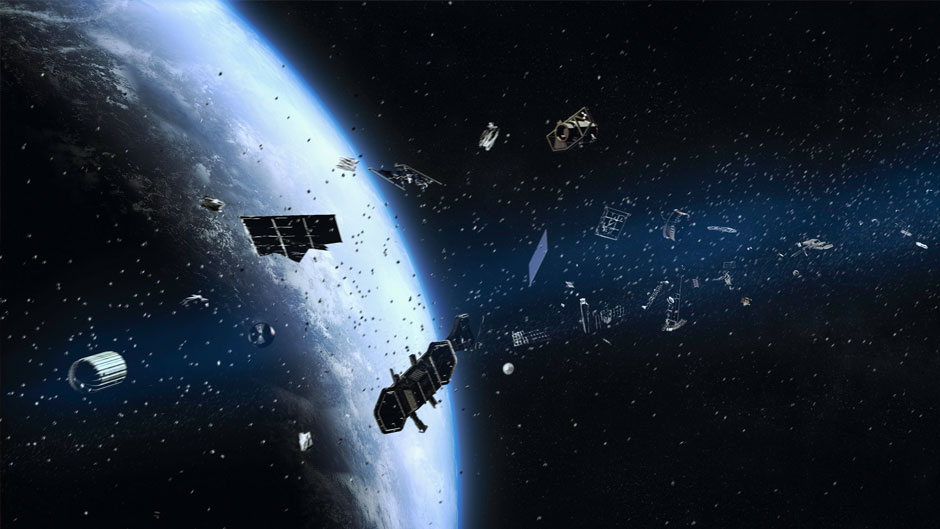
Space debris, also known as space junk, encompasses all non-functional objects orbiting Earth such as defunct satellites, spent rocket stages, and fragments from collisions or disintegrations. Over time, this debris can accumulate and create an increasingly hazardous environment in orbit. Even tiny fragments, traveling at extremely high velocities, can inflict significant damage on operational satellites and spacecraft. If left unmanaged, the density of debris raises the risk of catastrophic collisions and further fragmentation, compounding the problem and threatening the safety and sustainability of space activities.
Physical Characteristics

Length

0

Diameter

0

Span

0

Dry Mass

0

Launch Mass

0

Shape

N/A

Radar Cross Section

0.31

Visual Magnitude

Unknown

Color

Unknown

Material Composition

Unknown

Technical Details

Payload

KDU part

Purpose

Unknown

Mission

Unknown

Manufacturer

TSSKB

Life Expectancy

Unknown

Bus

Zenit deb

Configuration

Unknown

Motor

Unknown

Equipment

Unknown

Power System

Unknown

ADCS

Unknown

Transmitter Frequency

Unknown

Satellite Articles

View All Posts »

Learn more about satellites and other related topics.

GAO Warns Space Force Satellite Costs Rising, Workforce Cuts Add Risk | KeepTrack Space Brief

GAO Warns Space Force Satellite Costs Rising, Workforce Cuts Add Risk | KeepTrack Space Brief

GAO flags growing cost problems across Space Force satellite portfolio with workforce reductions compounding risks to missile-warning constellations like NGG and SWAT.

Falcon Heavy Returns After 18-Month Hiatus for ViaSat-3 | KeepTrack X Report

Falcon Heavy Returns After 18-Month Hiatus for ViaSat-3 | KeepTrack X Report

SpaceX's Falcon Heavy lifts off for the 12th time after 18 months grounded, delivering the final ViaSat-3 satellite from LC-39A at 10:21 a.m. EDT.

Demystifying the USSPACECOM Two-Line Element Set Format

Demystifying the USSPACECOM Two-Line Element Set Format

Discover the history and significance of Two-Line Element Sets (TLEs) in satellite tracking. Dive into their components, applications, and how they are evolving to meet future space challenges.

Starlink V2: 100x Faster, 5G Direct-to-Phone for Europe | KeepTrack X Report

Starlink V2: 100x Faster, 5G Direct-to-Phone for Europe | KeepTrack X Report

SpaceX's Starlink V2 promises 100x data density for 5G direct-to-phone service. Deutsche Telekom targets 10 European countries by 2028.

DARPA Robotic GEO Servicer Targeting Summer 2026 Launch | KeepTrack Space Brief

DARPA Robotic GEO Servicer Targeting Summer 2026 Launch | KeepTrack Space Brief

DARPA's robotic satellite servicing mission targets GEO orbit by summer 2026. NASA adds six SpaceX crew missions as Boeing Starliner remains uncertified.

Space Force Activates Cyber Squadrons at Launch Sites | KeepTrack Space Brief

Space Force Activates Cyber Squadrons at Launch Sites | KeepTrack Space Brief

Space Force stands up 2 cyber defense squadrons at Cape Canaveral and Vandenberg to protect launch operations against adversary interference targeting pad networks and telemetry systems.

Space Brief 2 Jun 2025

Space Brief 2 Jun 2025

Today's edition covers SpaceX's Starlink launch delay, a breakthrough in ceramic manufacturing for space, and Momentus's orbital tech demo, among other headlines.

ESA's Proba-3 Formation-Flyer Goes Silent | KeepTrack Space Brief

ESA's Proba-3 Formation-Flyer Goes Silent | KeepTrack Space Brief

ESA's Proba-3 spacecraft lost contact last month, grounding the dual-satellite solar eclipse mission. Formation flying between both craft is critical for coronagraph science.