

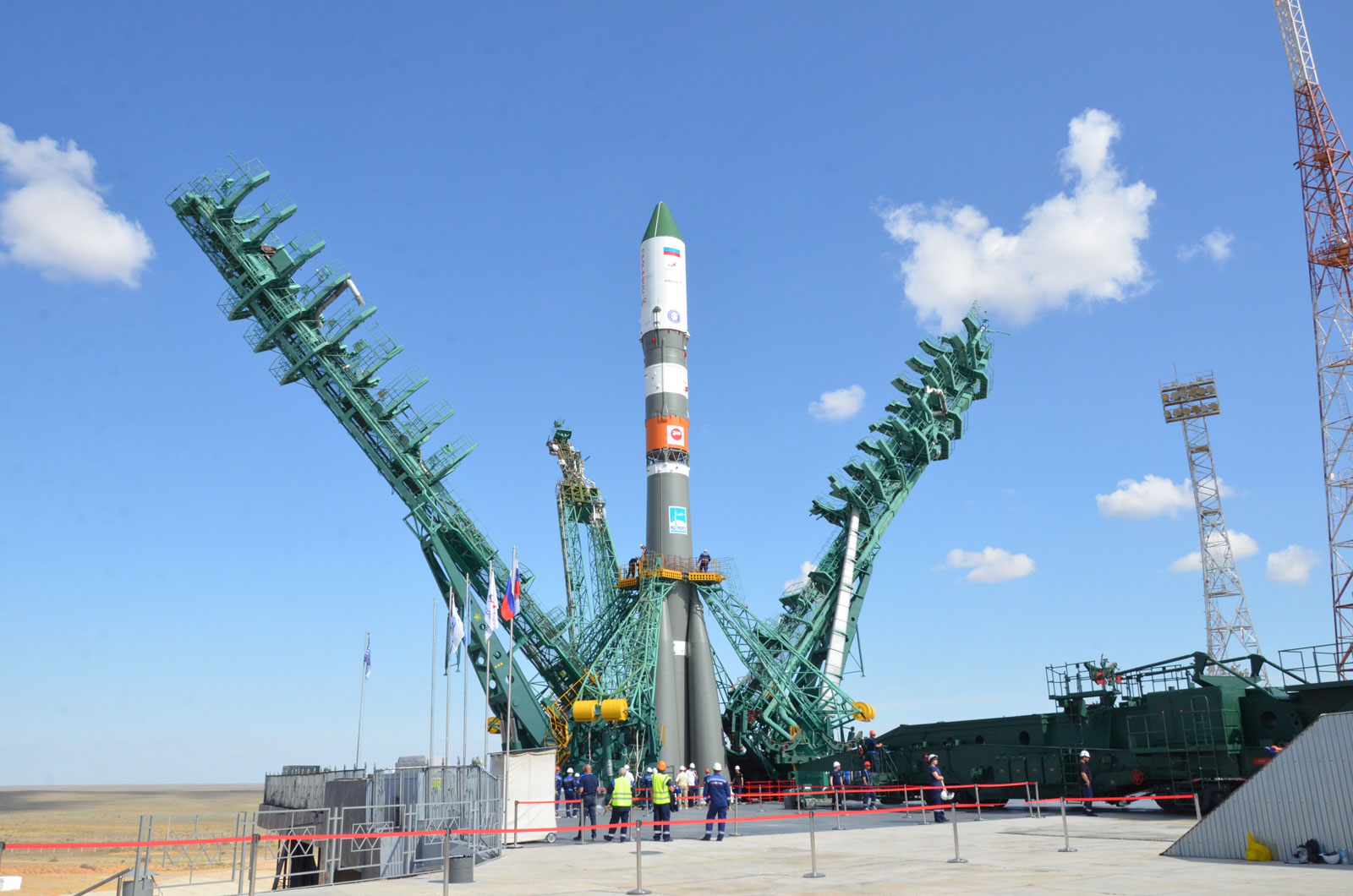
Space Brief 3 Feb 2025
Today's brief covers SpaceX's continued Starlink expansions, Japan's successful Michibiki satellite launch, and challenges faced by India's navigation satellite. Stay updated on crucial satellite events and launches.


Launch Date
June 9, 1981
Launch Site
PLMSC
Launch Pad
LC41/1
Launch Vehicle
Molniya 8K78M
NORAD ID
12512
International Designator
1981-054A
Decay Date
2/10/1998
Name
MOLNIYA 3-16
Alternative Name
Molniya-3
Type
Status
Owner
NPOPM/MSVYAZ
Country
USSR
Constellation
N/A
Related Satellites
Major Events
N/A
Length
3.6
Diameter
1.6
Span
8.1
Dry Mass
1700
Launch Mass
1750
Shape
Cyl + 6 Pan
Radar Cross Section
15.4743
Visual Magnitude
Unknown
Color
Unknown
Material Composition
Unknown
Payload
Molniya-3 No. 30L
Purpose
Communication
Mission
Communication
Manufacturer
NPOPM
Life Expectancy
3 years
Bus
Molniya-3
Configuration
KAUR-2
Motor
KDU-414A (S5.114) or 11D414NS
Equipment
Unknown
Power System
6 deployable solar arrays (1000 W), batteries
ADCS
Unknown
Transmitter Frequency
Unknown
Learn more about satellites and other related topics.
Today's brief covers SpaceX's continued Starlink expansions, Japan's successful Michibiki satellite launch, and challenges faced by India's navigation satellite. Stay updated on crucial satellite events and launches.

Blue Origin's New Glenn rocket exploded hours after USSF and NRO awarded national security launch contract. Impact on NSSL competition unclear.

Today's highlights include Space Force's budget shifts, China's new commercial lunar collaboration, and SpaceX's latest Starlink launch.
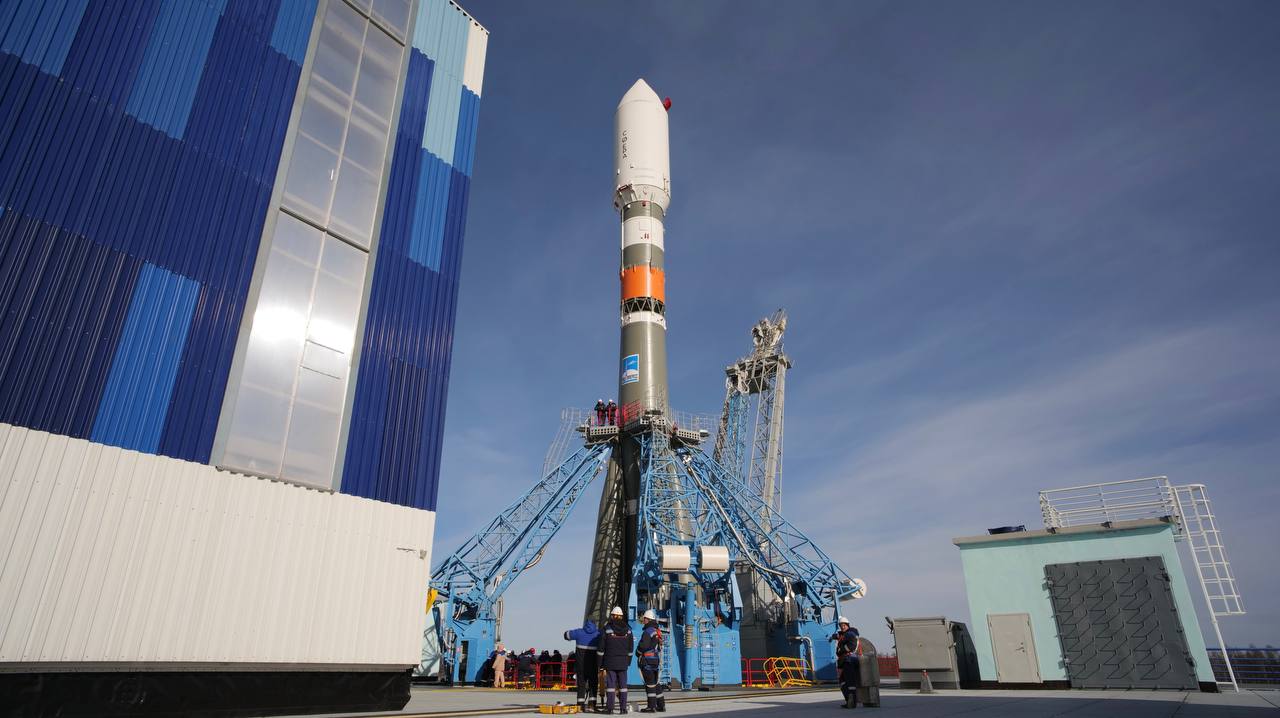
Today's highlights include the U.S. military's satellite initiative facing delays, Senate inquiries into high-profile calls, and an update on Pentagon's UFO investigations. Notable mentions also cover Morocco's defense sector ambitions.

CSIS analysis identifies 75 unusual orbital maneuvers by Chinese GEO satellites over 10 years, consistent with military reconnaissance. Track GEO objects via KeepTrack.

SpaceX executes a rapid response GPS mission for the U.S. Space Force, Starlink extends its reach with a beta smartphone connectivity service by T-Mobile, and Starship approaches its seventh launch with readiness milestones.
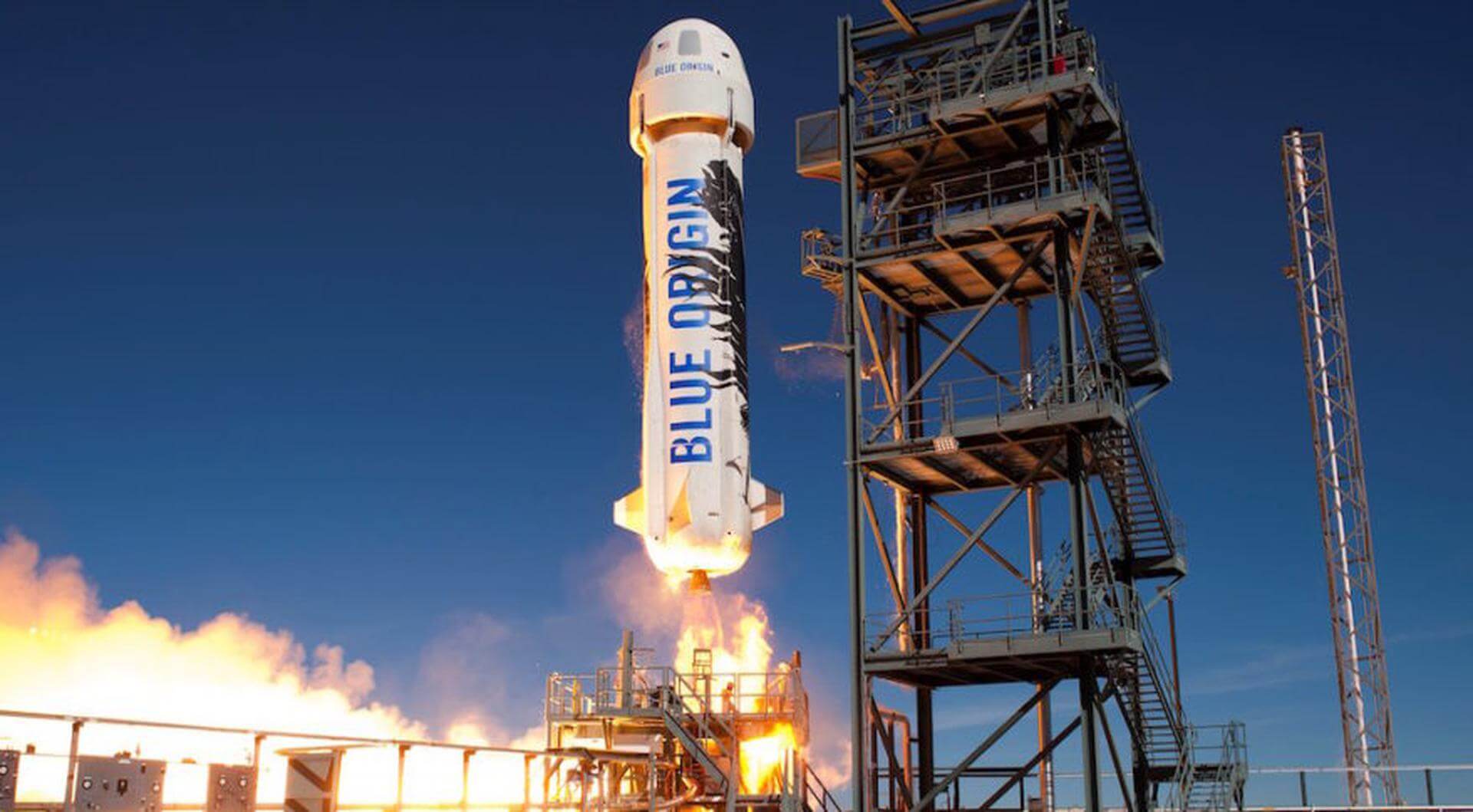
Today's brief covers significant space events, including milestone national security certifications for ULA Vulcan and Rocket Lab, SpaceX's groundbreaking polar orbit mission, and a failed launch attempt by Isar Aerospace.
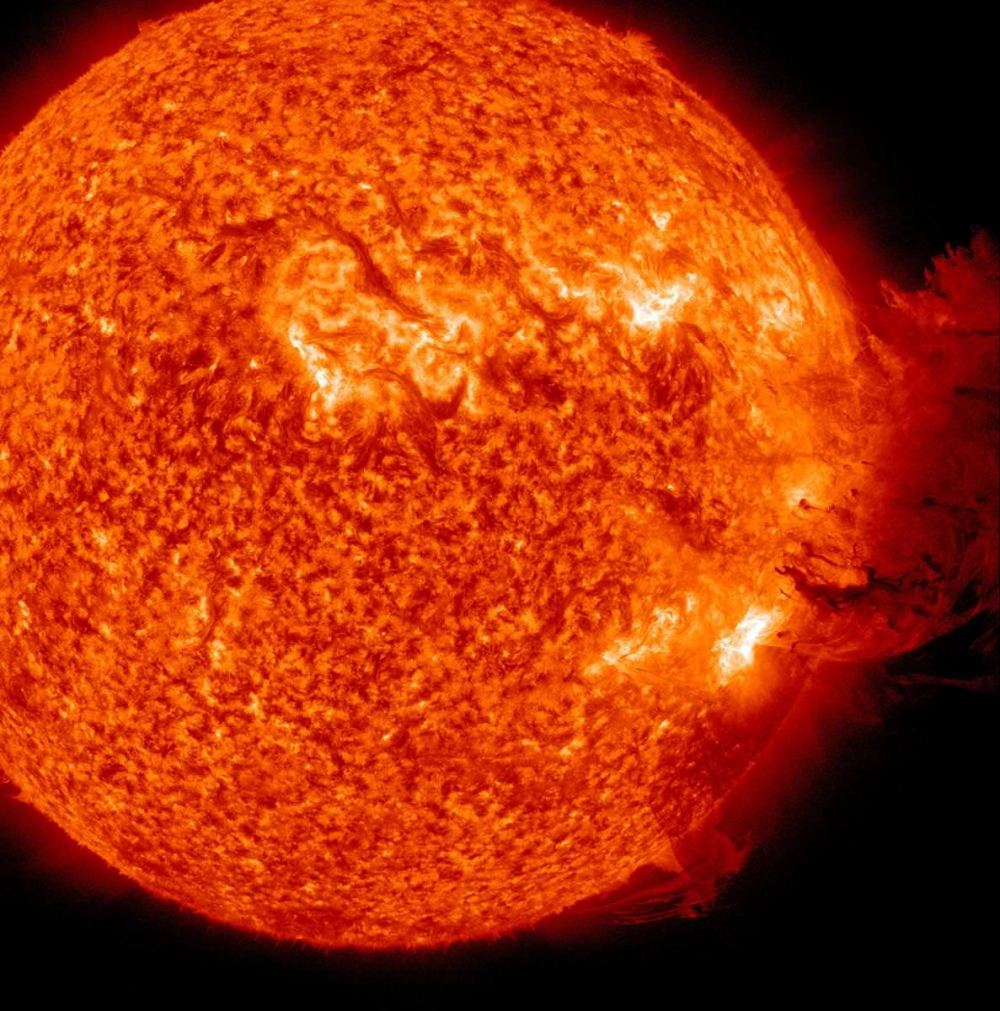
Fifteen years ago, NASA launched its most advanced solar observatory, revolutionizing our understanding of our star and transforming space weather prediction