

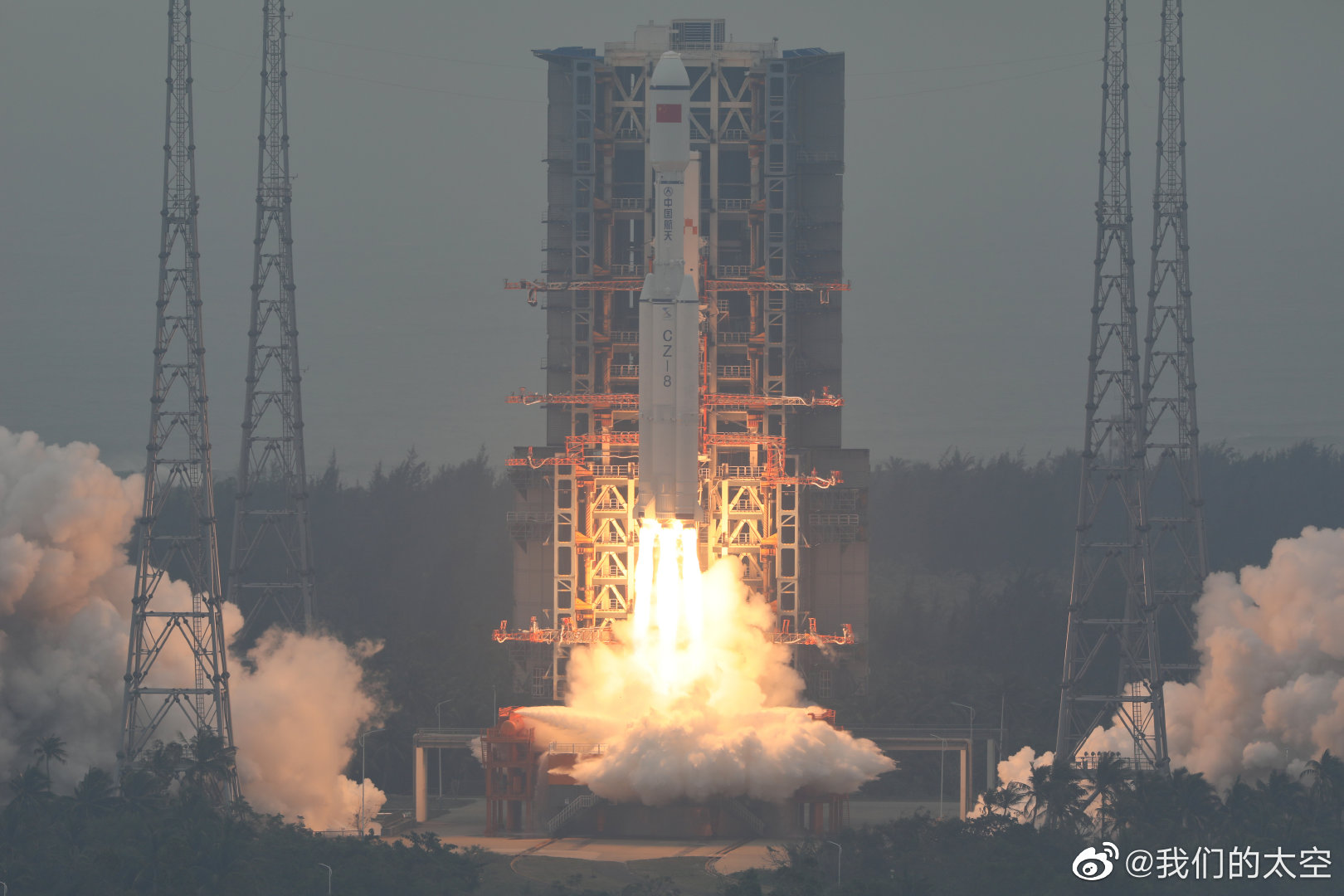
Artemis 2 Crew Reaches Moon, NASA Cuts Budget 25% | KeepTrack Space Brief
Artemis 2's four astronauts entered lunar sphere of influence April 6, first crewed arrival since Apollo 17. NASA simultaneously proposed 25% budget cut for FY2027.


Launch Date
April 25, 1981
Launch Site
Launch Pad
LC200/39
Launch Vehicle
Proton-K
NORAD ID
12419
International Designator
1981-039A
Decay Date
7/29/1982
Name
COSMOS 1267
Alternative Name
Kosmos-1267
Type
Status
Owner
ZIKH
Country
USSR
Constellation
N/A
Related Satellites
Major Events
N/A
Length
13
Diameter
4.2
Span
13
Dry Mass
14000
Launch Mass
14750
Shape
Cyl + 2 Pan
Radar Cross Section
191.32
Visual Magnitude
Unknown
Color
Unknown
Material Composition
Unknown
Payload
TKS No. 163-01
Purpose
Crewed spacecraft
Mission
Crewed spacecraft
Manufacturer
ZIKH
Life Expectancy
Unknown
Bus
77KS
Configuration
FGB + VA
Motor
Unknown
Equipment
Unknown
Power System
2 deployable fixed solar arrays, batteries
ADCS
Unknown
Transmitter Frequency
Unknown
Learn more about satellites and other related topics.
Artemis 2's four astronauts entered lunar sphere of influence April 6, first crewed arrival since Apollo 17. NASA simultaneously proposed 25% budget cut for FY2027.

U.S. Space Force selects Boeing's 702MP spacecraft for next-generation MUOS satellites. Rocket Lab delivers Synspective's 10th StriX radar satellite. Track both missions.

NASA's Van Allen Probe A (1,300 lbs) reenters today after 14 years studying Earth's radiation belts. Most debris will burn up; ocean impact statistically likely.
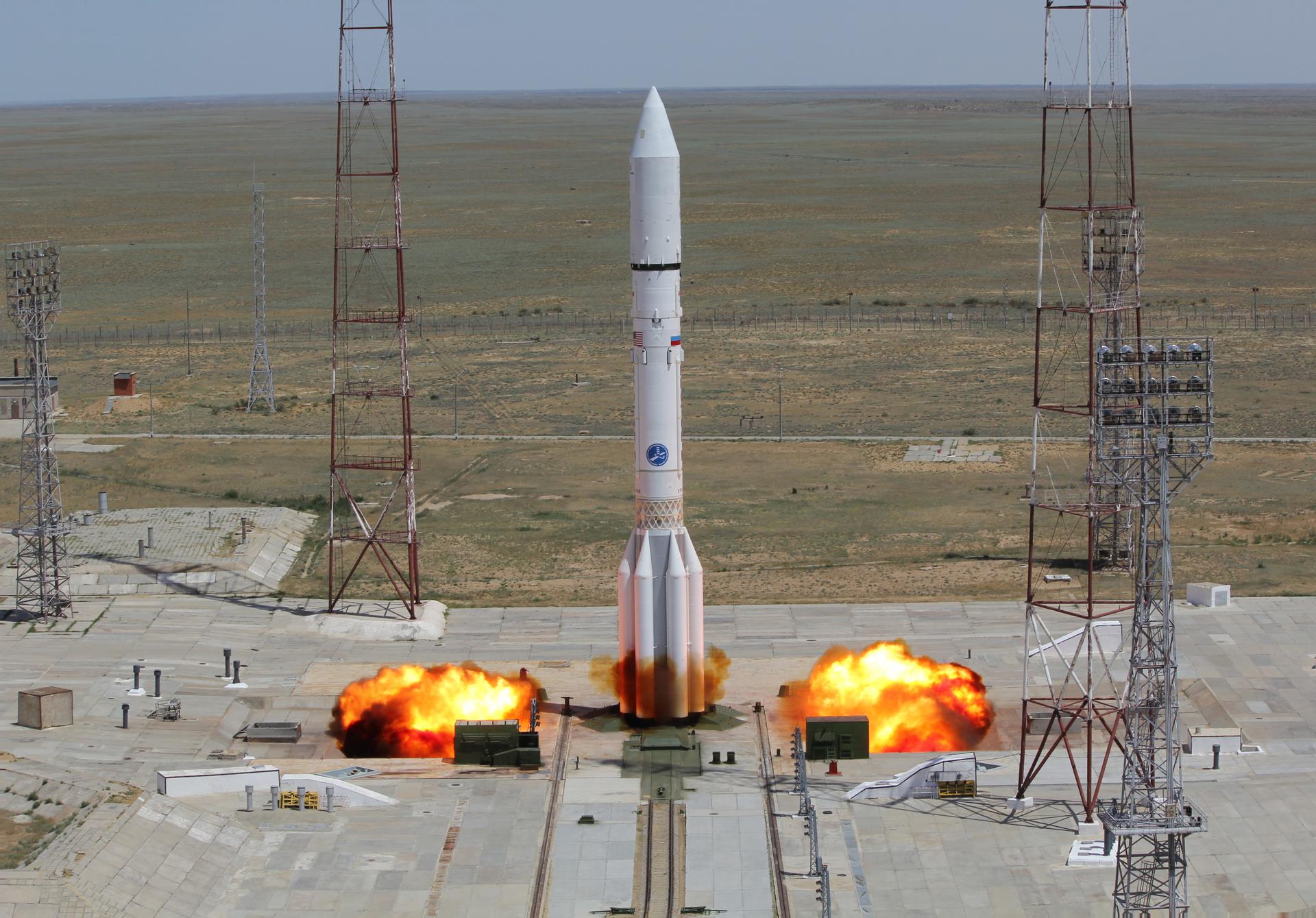
Varda Space's W-5 mission lands safely in Australia. Leonardo DRS wins SDA Tracking Layer Tranche 3 infrared payload contract. Senate passes $839B defense bill.
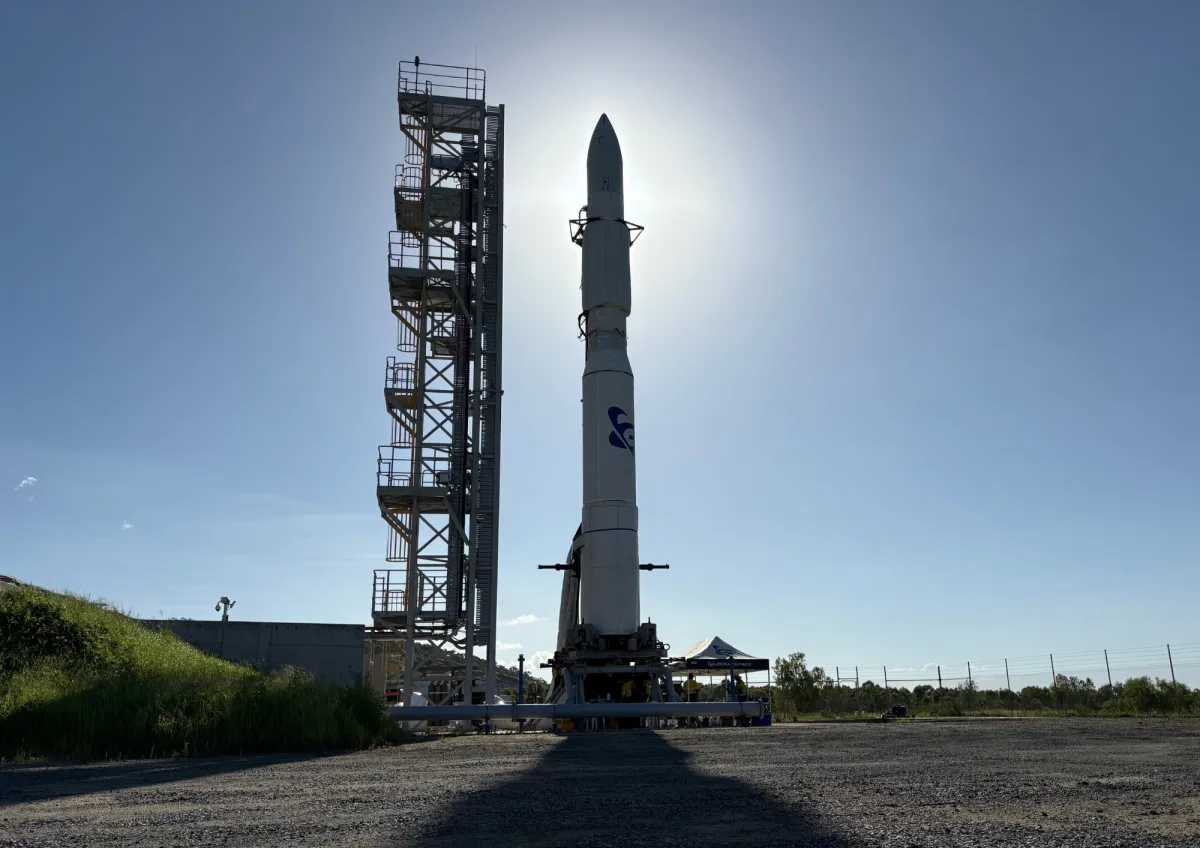
Today's brief covers a Pentagon review of satellite launch options, Kongsberg's completed maritime satellite network, York's new satellite launch, DARPA's project cancellation, and more.
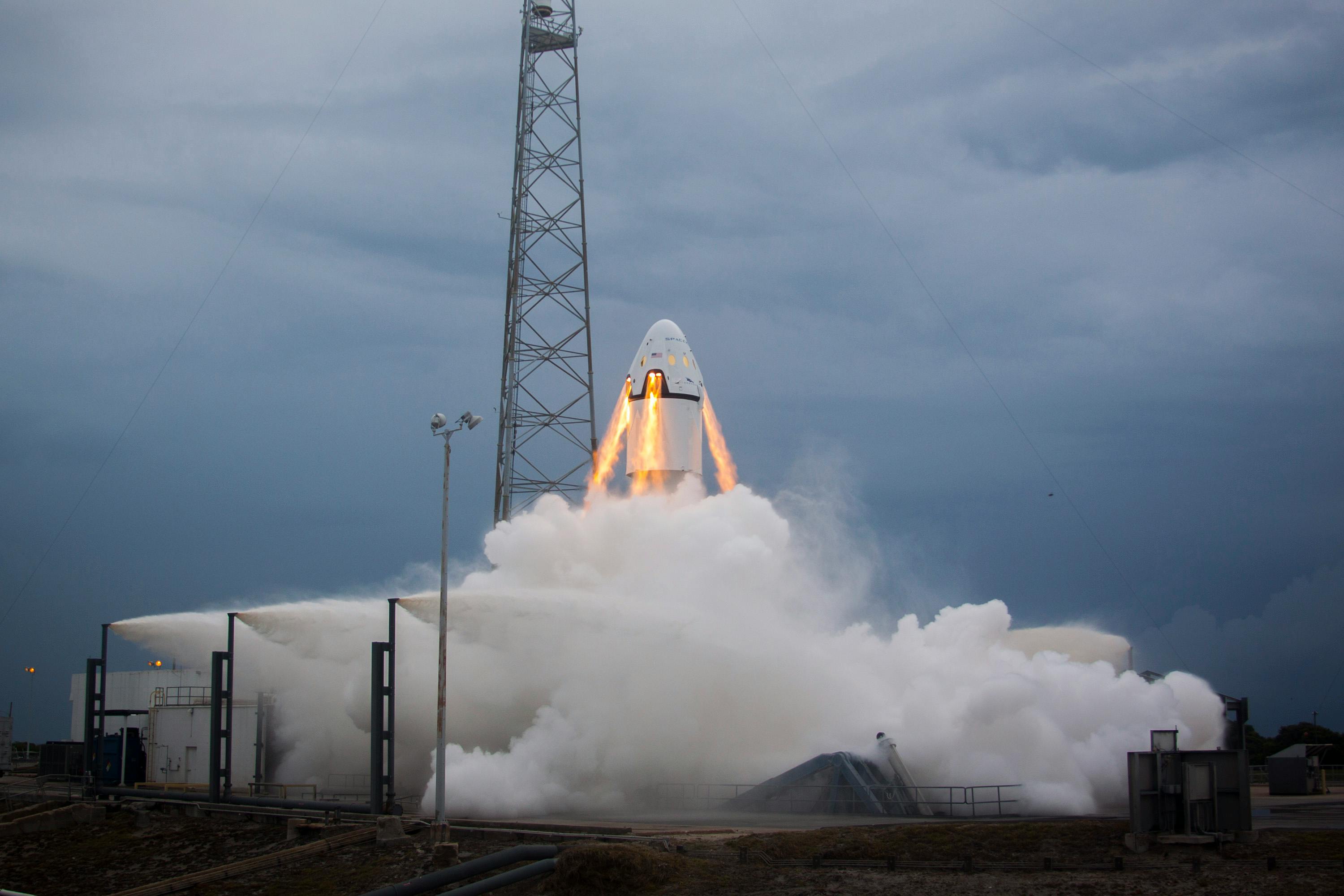
SpaceX continues strong momentum in June with successful satellite launches, a new service from Telstra, and updates on upcoming missions. Key developments are shaping the future of both space travel and satellite communications.

SpaceX lands Falcon 9 in The Bahamas for the second time ever during Starlink 10-34 mission. Scientists measure rocket reentry air pollution in real-time for the first time.
New Glenn's upper stage malfunctioned April 19, stranding AST SpaceMobile's BlueBird 7; the satellite is lost. Vulcan may fly without solid boosters.