


X Report 24 Dec 2025
SpaceX gears up for significant 2026 launches while a Starlink satellite anomaly provides insights into its operations.


Launch Date
April 15, 1981
Launch Site
Launch Pad
LC31
Launch Vehicle
Soyuz-U
NORAD ID
12400
International Designator
1981-035A
Decay Date
4/29/1981
Name
COSMOS 1264
Alternative Name
Kosmos-1264
Type
Status
Owner
GUKOS
Country
USSR
Constellation
N/A
Related Satellites
Major Events
N/A
Length
6
Diameter
2.2
Span
6
Dry Mass
2655
Launch Mass
2655
Shape
Sphere + DCone
Radar Cross Section
Unknown
Visual Magnitude
Unknown
Color
Unknown
Material Composition
Unknown
Payload
Argon No. 44L
Purpose
Reconnaissance, photo (film return type)
Mission
Reconnaissance, photo (film return type)
Manufacturer
TSSKB
Life Expectancy
14 days
Bus
Zenit-6
Configuration
Zenit bus
Motor
11D82M; S5.120 (maneuver module)
Equipment
Unknown
Power System
Batteries
ADCS
Unknown
Transmitter Frequency
Unknown
Learn more about satellites and other related topics.
SpaceX gears up for significant 2026 launches while a Starlink satellite anomaly provides insights into its operations.

SpaceX readies for Starship Flight 6, stacking the megarocket for its upcoming launch on Nov. 19. Get details on the timing and mission objectives.
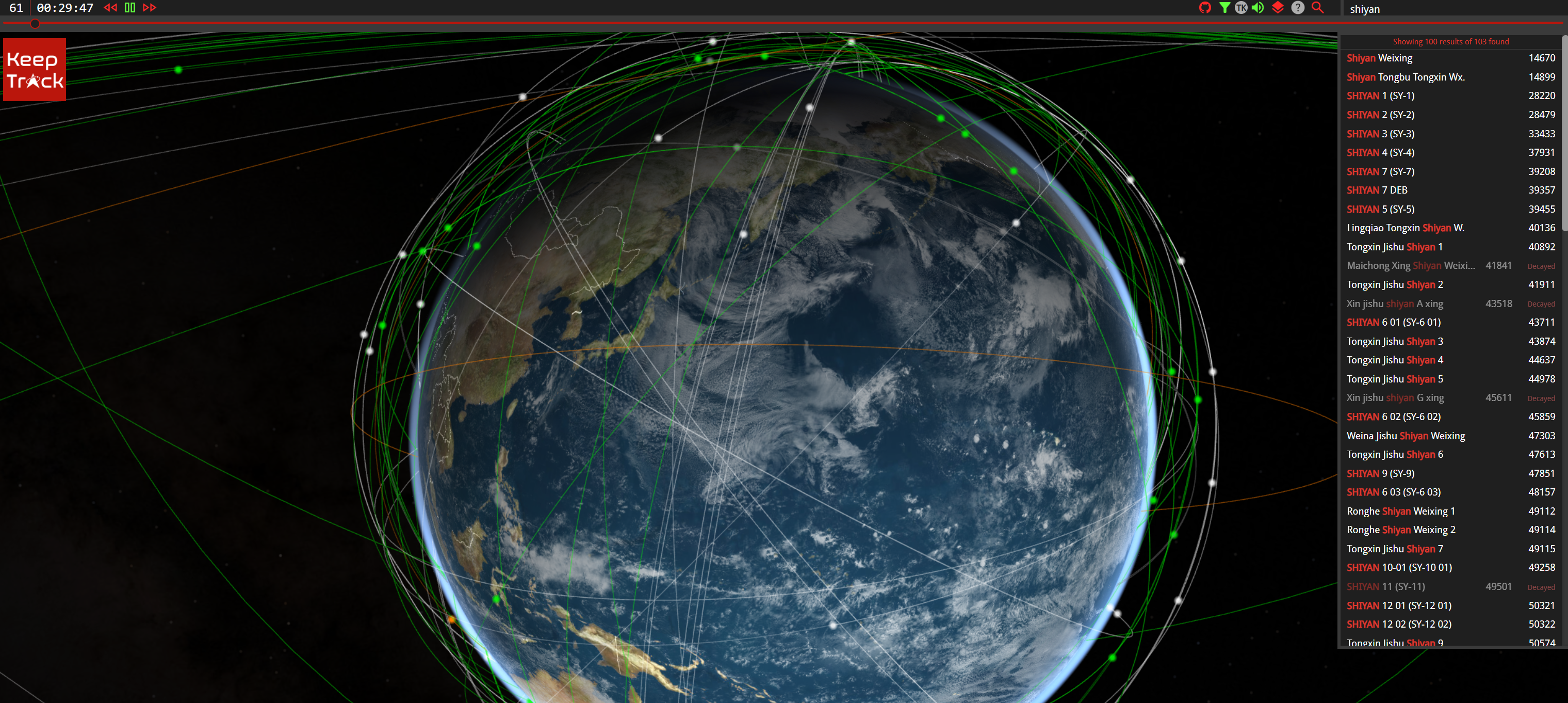
The master ledger of everything orbiting Earth: how tens of thousands of satellites, rocket bodies, and debris fragments are tracked and numbered
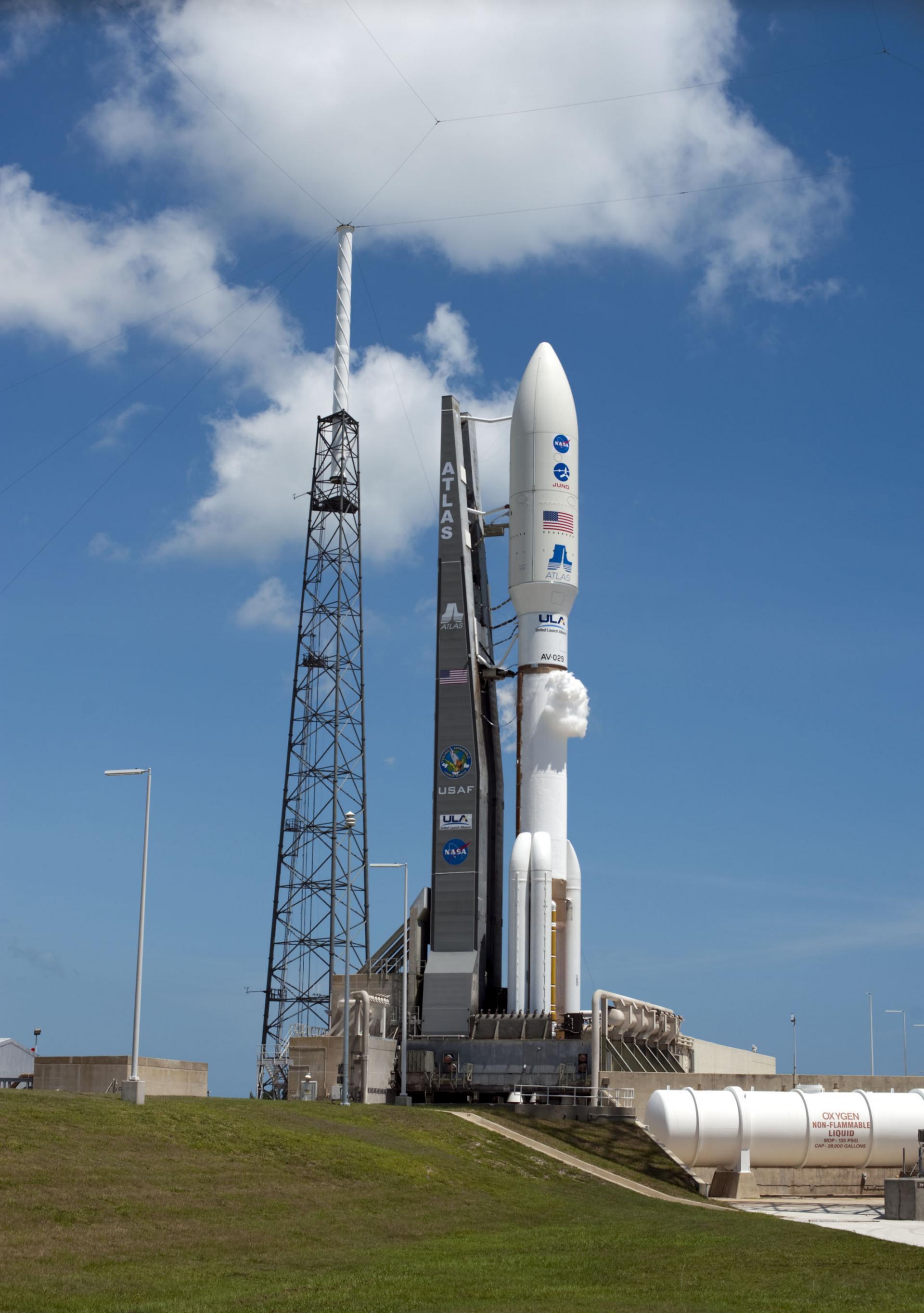
Today's briefing covers a range of critical space industry updates, from Space Force's strategic initiatives to SpaceX's latest launch record and groundbreaking developments in orbital manufacturing.

A fatality at SpaceX's Starbase shakes the program as Starship V3, standing 124 m tall with Raptor 3 engines, nears its maiden flight.
SpaceX's Starship gains military attention, a feather-light achievement, and a busy week for Falcon 9.

As Ukraine explores alternatives to SpaceX's Starlink, the potential adoption of Eutelsat OneWeb's satellite network raises critical questions about connectivity, resilience, and strategic autonomy.
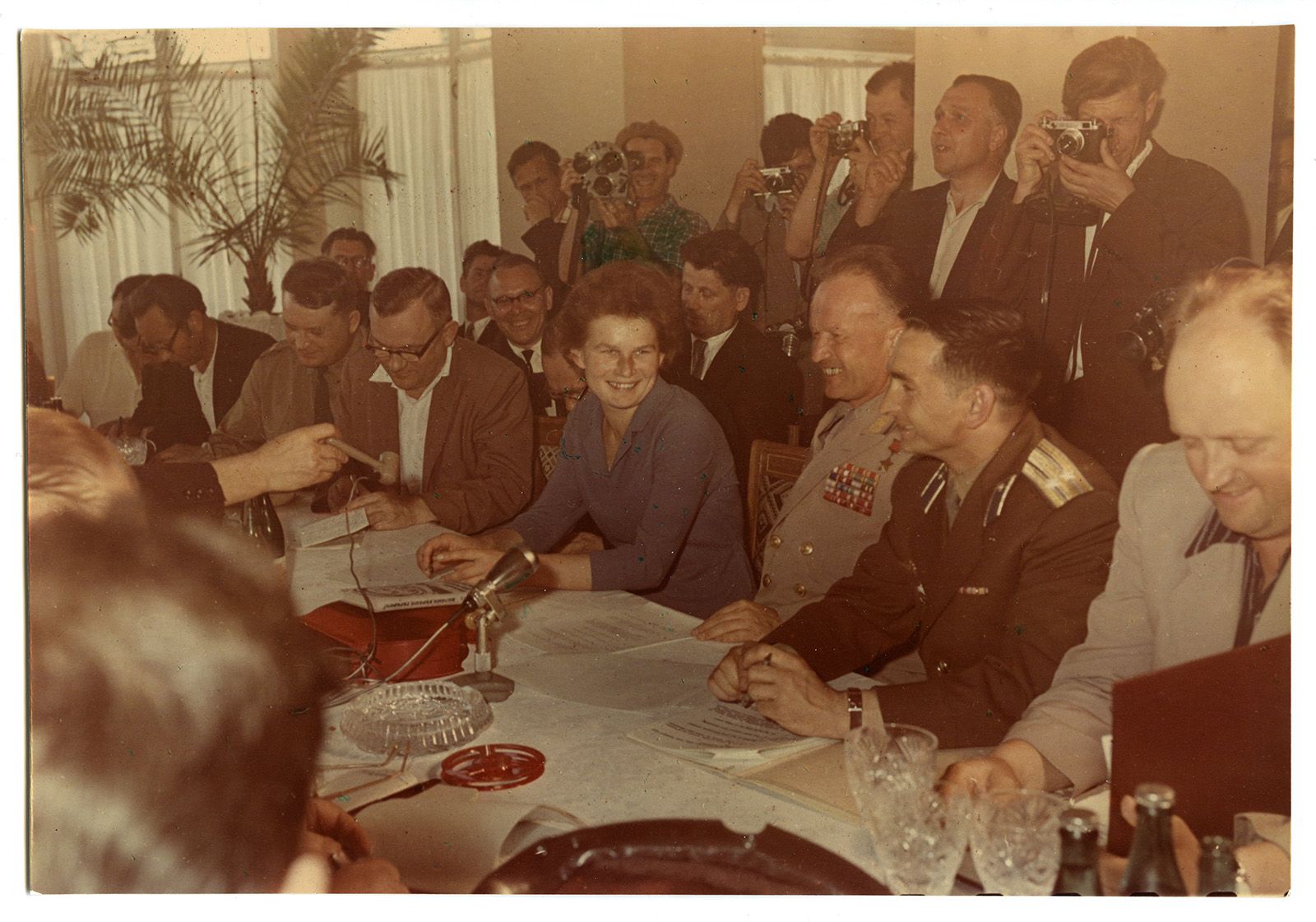
On 16 June 1963, a 26-year-old former textile worker named Valentina Tereshkova launched aboard Vostok 6 and spent nearly three days alone in orbit. She flew 48 times around the Earth, longer than every American astronaut combined, and spotted a dangerous flaw in her descent program that ground controllers had missed.