

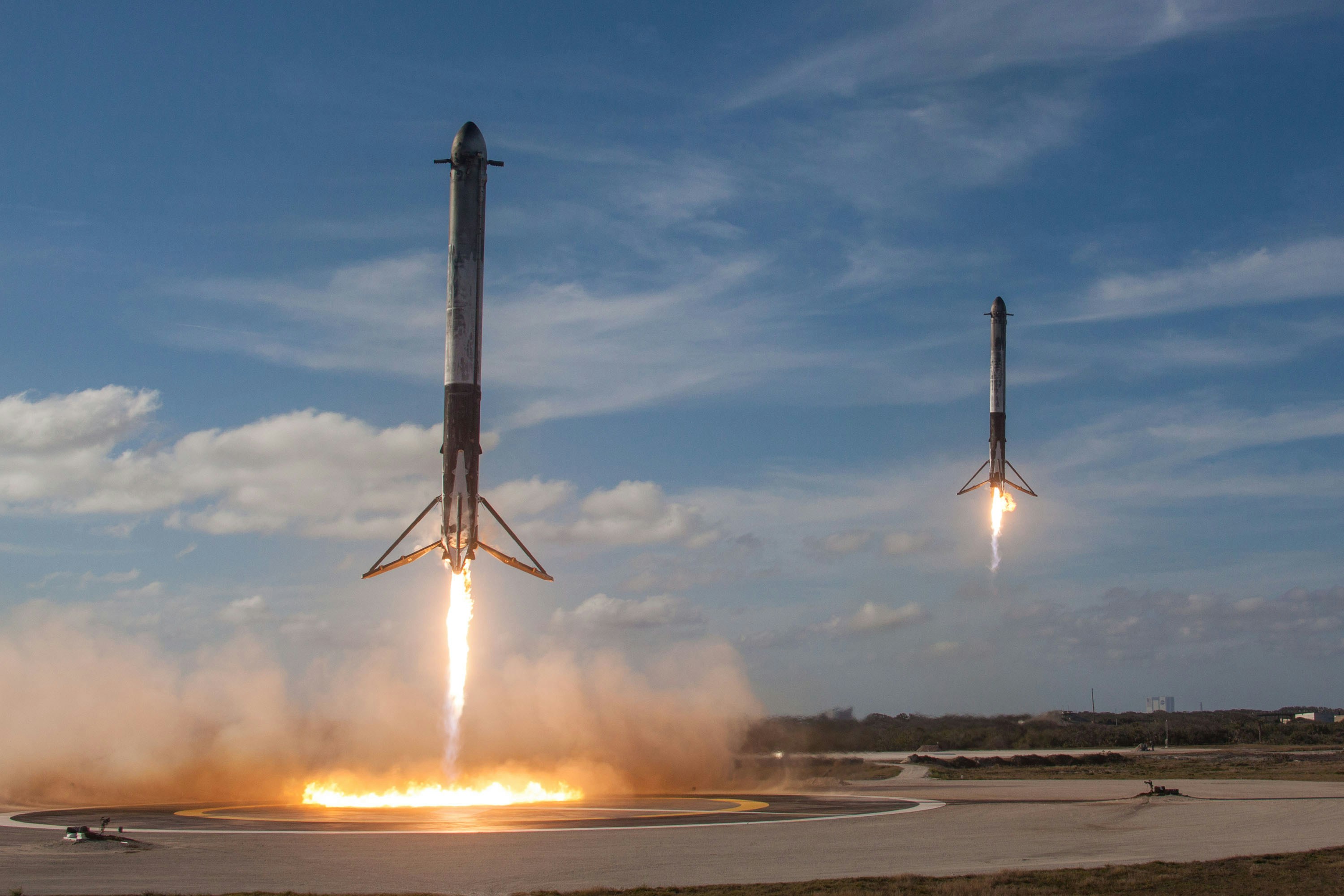
Rocket Lab to Acquire Iridium for $8B, X Report 30 Jun 2026
Rocket Lab will acquire Iridium for $8B to challenge SpaceX, whose Starlink constellation holds 10,706 working satellites of 12,390 launched.



Launch Date
February 22, 1965
Launch Site
Launch Pad
Unknown
Launch Vehicle
Unknown
NORAD ID
01240
International Designator
N/A
Decay Date
3/17/1965
Name
COSMOS 57 DEB
Alternative Name
deb Kosmos-57
Type
Status
Owner
Country
USSR
Constellation
N/A
Related Satellites
Major Events
N/A
Length
0
Diameter
0
Span
0
Dry Mass
0
Launch Mass
0
Shape
N/A
Radar Cross Section
Unknown
Visual Magnitude
Unknown
Color
Unknown
Material Composition
Unknown
Payload
Unknown
Purpose
Unknown
Mission
Unknown
Manufacturer
Unknown
Life Expectancy
Unknown
Bus
Unknown
Configuration
Unknown
Motor
Unknown
Equipment
Unknown
Power System
Unknown
ADCS
Unknown
Transmitter Frequency
Unknown
Learn more about satellites and other related topics.
Rocket Lab will acquire Iridium for $8B to challenge SpaceX, whose Starlink constellation holds 10,706 working satellites of 12,390 launched.
SpaceX is exploring alternative options for static fire tests amid infrastructure setbacks, emphasizing their adaptability in operations.
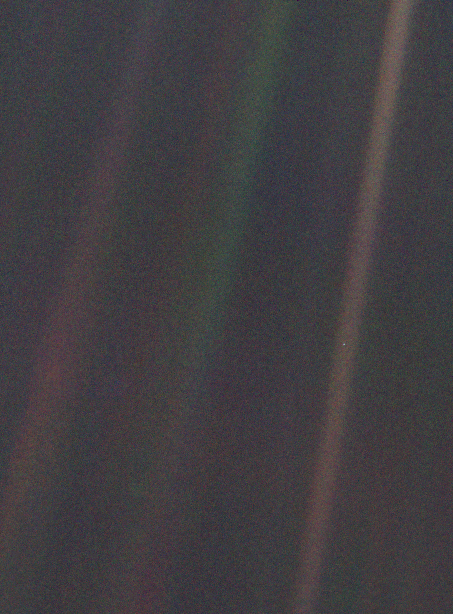
Thirty-five years ago, Voyager 1 captured a revolutionary series of images from the edge of our solar system, forever changing how humanity sees its place in the cosmos
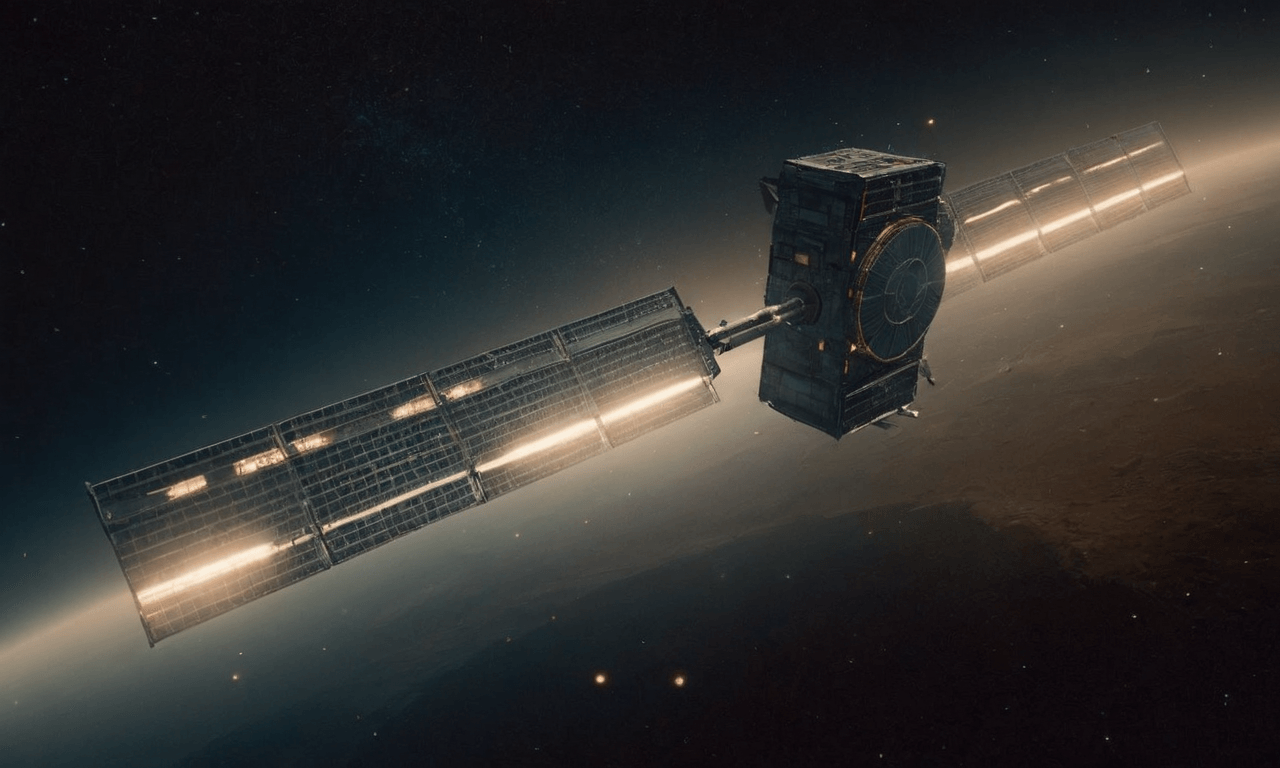
Today's Space Brief covers Rocket Lab's IoT satellite launch, SpaceX's European Galileo satellites, FAA's fine on SpaceX, Polaris Dawn mission achievements, and more.
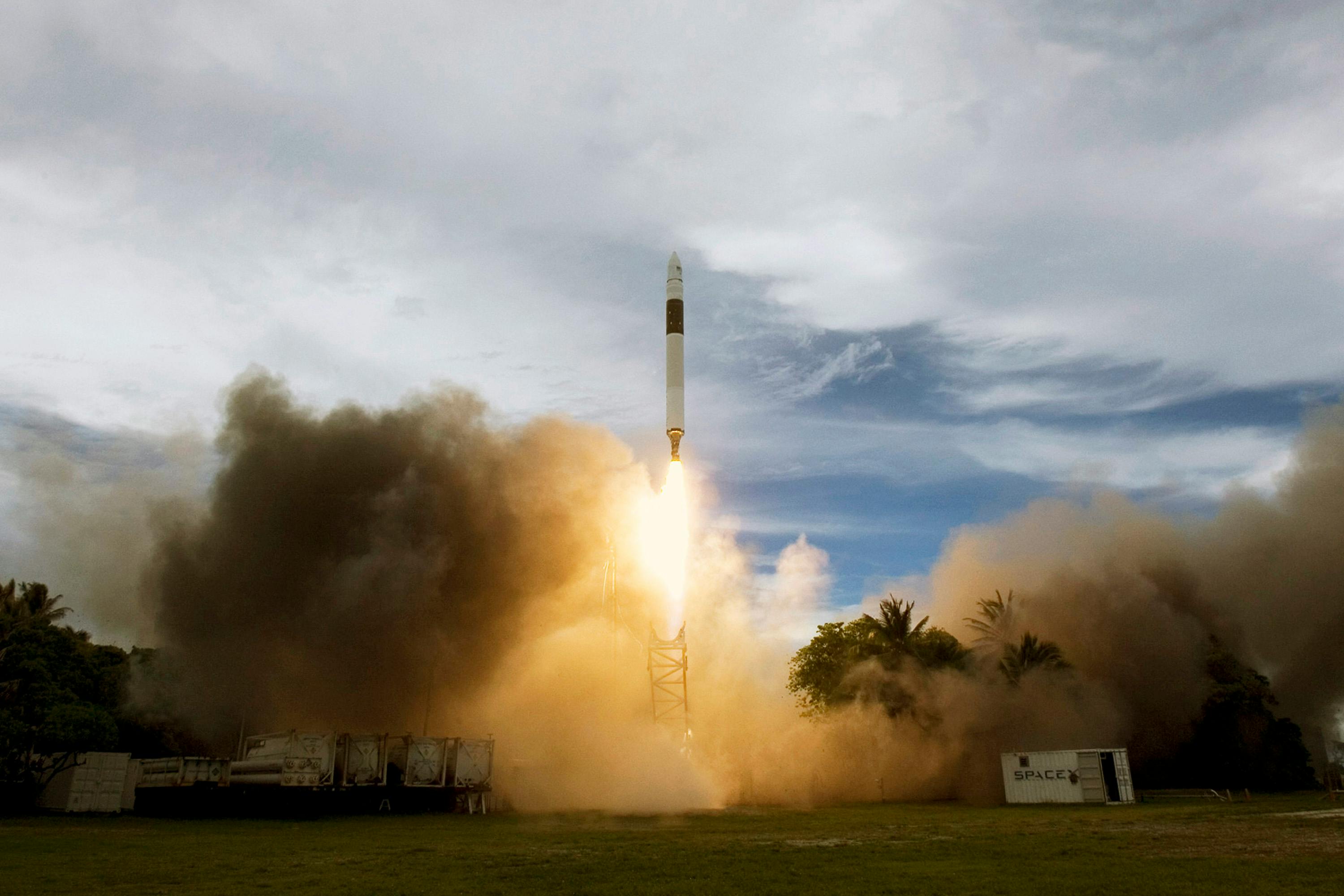
SpaceX faces a series of challenges with scrubbing the Starship Flight 8 launch and losing a Falcon 9 booster post-landing, while successfully deploying new Starlink satellites.

Today's key space events include a milestone Falcon booster landing, advances in US military satellite operations, and a new missile defense initiative.
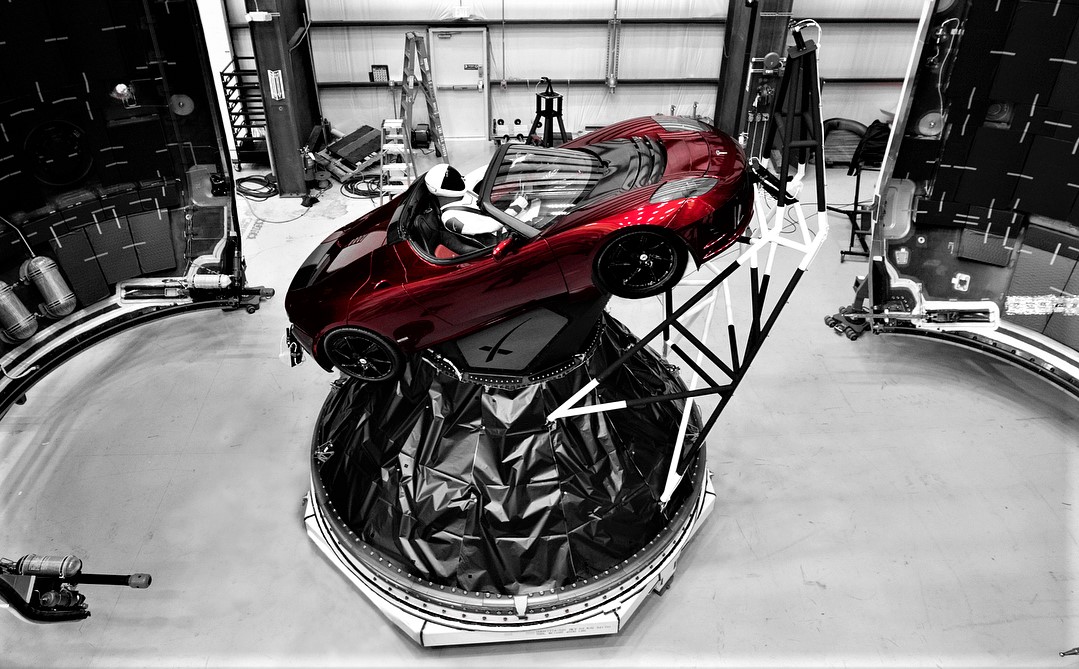
Seven years ago, SpaceX revolutionized spaceflight by launching the most powerful operational rocket in the world, carrying with it a cherry-red Tesla Roadster that captured global imagination
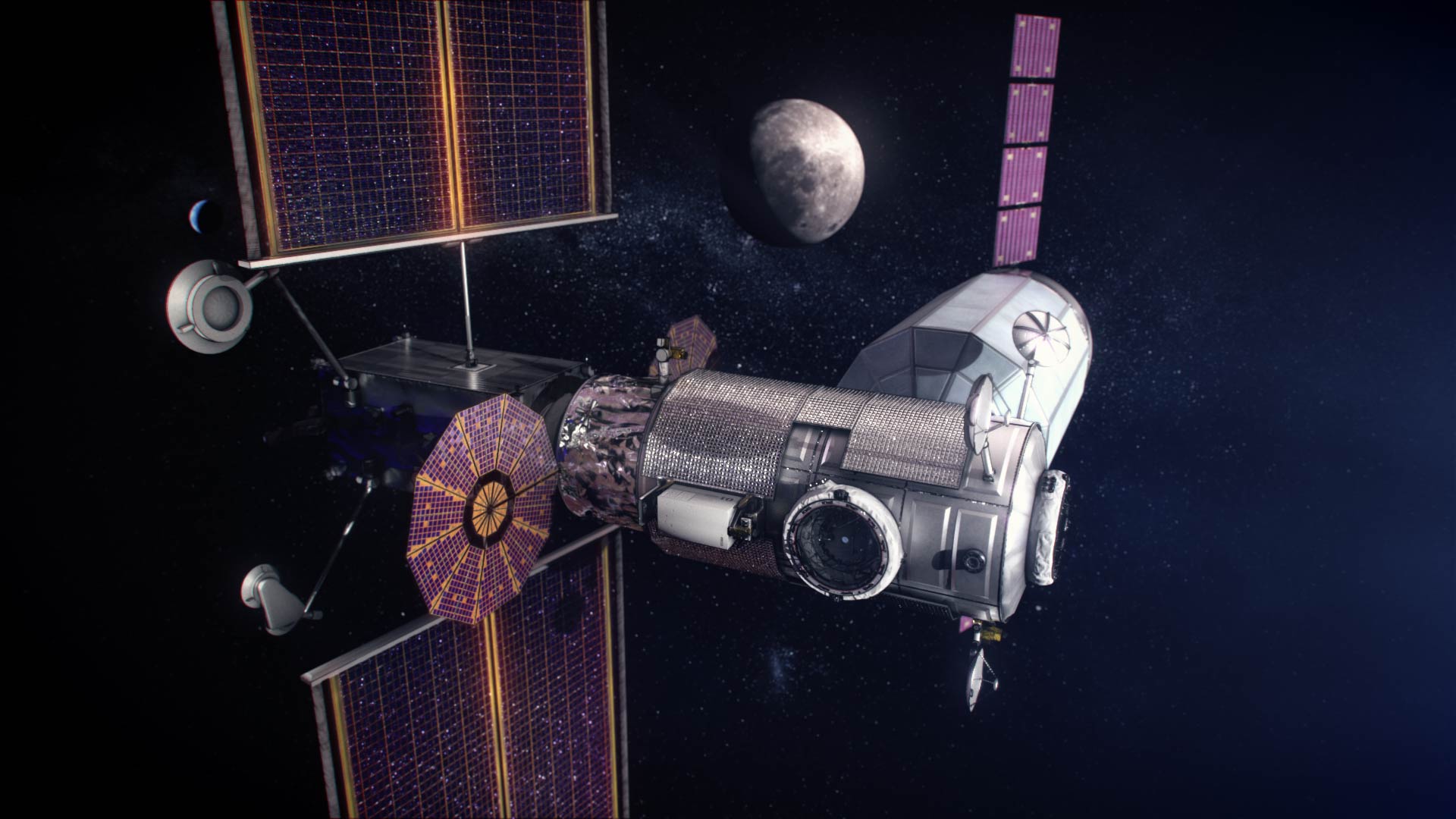
The volume of space between Earth and the Moon is roughly a thousand times larger than the orbit we actually watch, and almost none of it is under surveillance. As the U.S. and China race to build lunar outposts, the Space Force is scrambling to put eyes on a region it has been effectively blind to.