


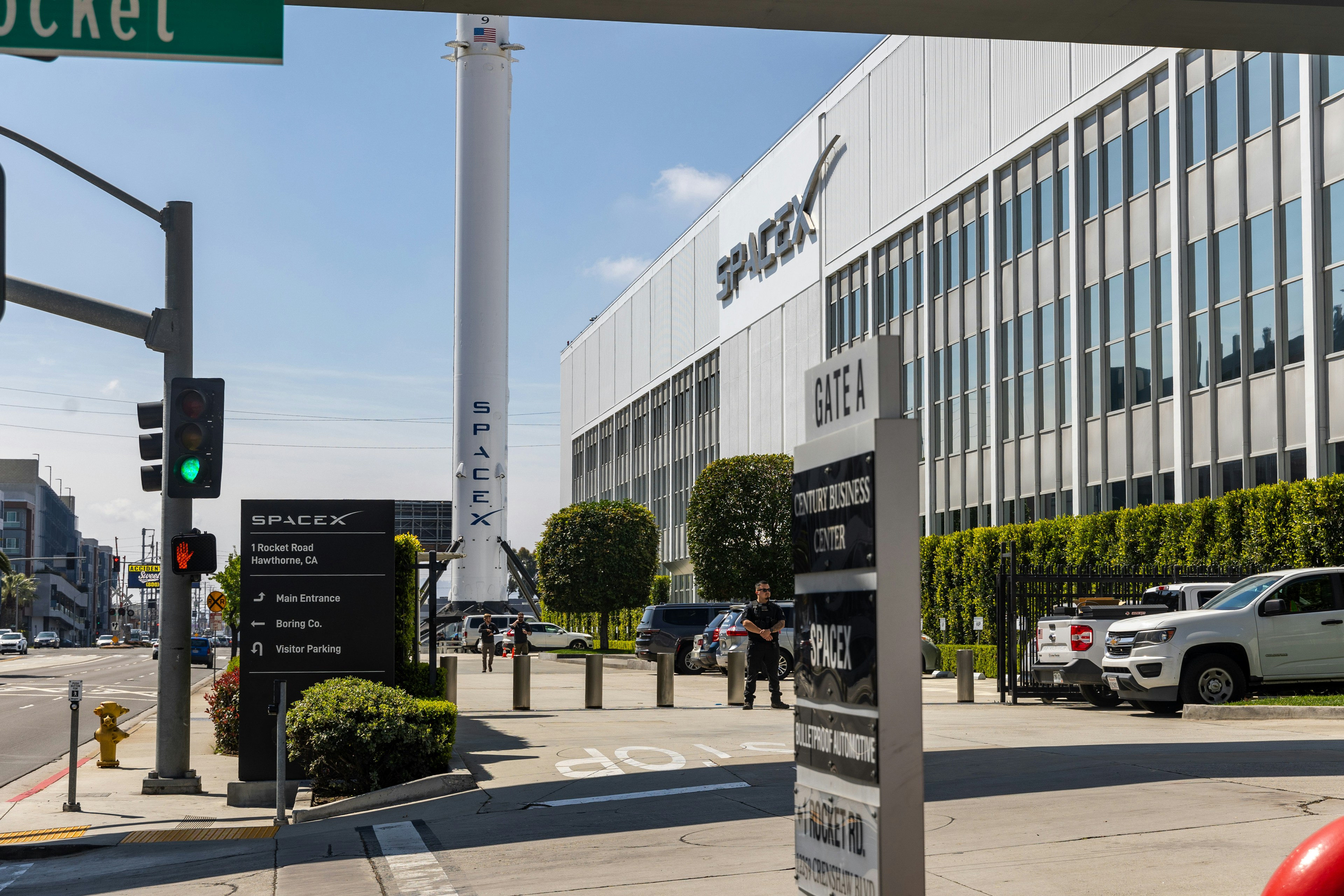
X Report 20 Nov 2025
SpaceX continues to make strides with its Starship program while successfully launching another batch of Starlink satellites into orbit, enhancing global internet coverage.


Launch Date
April 9, 1981
Launch Site
PLMSC
Launch Pad
LC132/1
Launch Vehicle
Kosmos 11K65M
NORAD ID
12388
International Designator
1981-033A
Epoch
Sat, 04 Jul 2026 04:13:43 GMT
Apogee
Calculating...
Perigee
Calculating...
Inclination
82.86°
Right Ascension
200.36°
Eccentricity
Calculating...
Argument of Perigee
38.49°
Period
100.68 min
Mean Motion
14.30 rev/day
Latitude
Calculating...
Longitude
Calculating...
Altitude
Calculating...
Velocity
Calculating...
Name
COSMOS 1263
Alternative Name
Kosmos-1263
Type
Status
Owner
PVO
Country
USSR
Constellation
N/A
Related Satellites
Major Events
N/A
1 12388U 81033A 26185.17619798 .00006374 00000-0 35560-3 0 9999
2 12388 82.8554 200.3615 0576296 38.4945 325.5909 14.30268885273854
Source: Celestrak
Length
2
Diameter
2
Span
2
Dry Mass
570
Launch Mass
570
Shape
Sphere
Radar Cross Section
2.975
Visual Magnitude
Unknown
Color
Unknown
Material Composition
Unknown
Payload
Taifun-1V
Purpose
Radar calibration
Mission
Radar calibration
Manufacturer
YUZH
Life Expectancy
Unknown
Bus
Vektor
Configuration
2 m sphere
Motor
None
Equipment
Unknown
Power System
Solar cells, batteries
ADCS
Unknown
Transmitter Frequency
Unknown
Learn more about satellites and other related topics.
SpaceX continues to make strides with its Starship program while successfully launching another batch of Starlink satellites into orbit, enhancing global internet coverage.
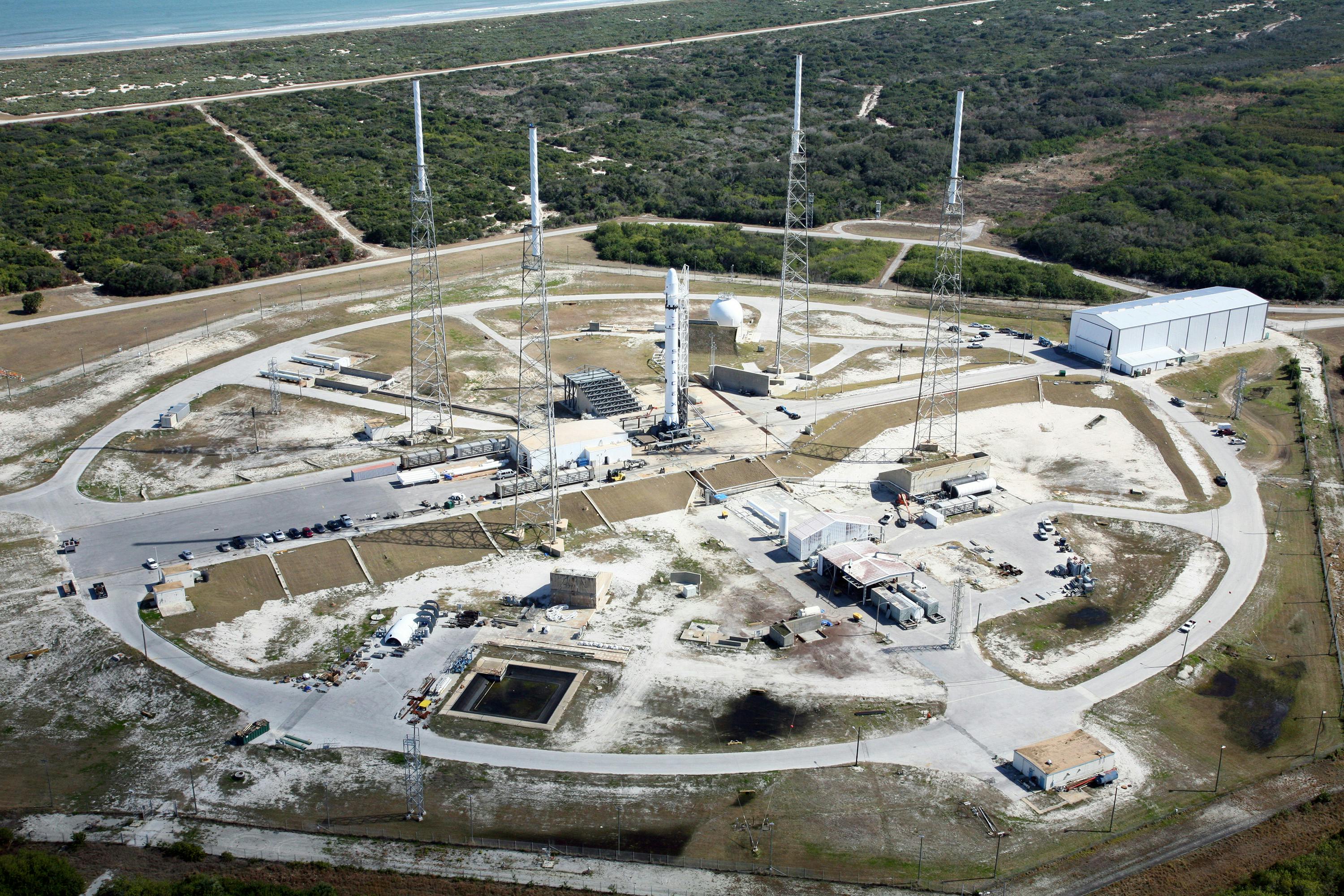
SpaceX's Transporter-17 rideshare carried 81 payloads including history's first nuclear-powered commercial satellite on July 7.

SpaceX carried out a double-header Starlink launch from both coasts while milestones from Max Space and Lux Aeterna signal growth in the commercial space sector.

SpaceX's Starlink 17-40 mission launches 24 satellites from Vandenberg SFB at 7:36 a.m. PDT, expanding the 10,705-satellite constellation.

How a catastrophic fire in 1967 fundamentally altered NASA's approach to human spaceflight and continues to influence modern spacecraft design
Thirty-five years ago, Voyager 1 captured a revolutionary series of images from the edge of our solar system, forever changing how humanity sees its place in the cosmos

Today's briefing covers the ULA's military application for Vulcan's upper stage, FAA's efforts to expedite launch licensing, and a fascinating flyby of Mercury by BepiColombo.
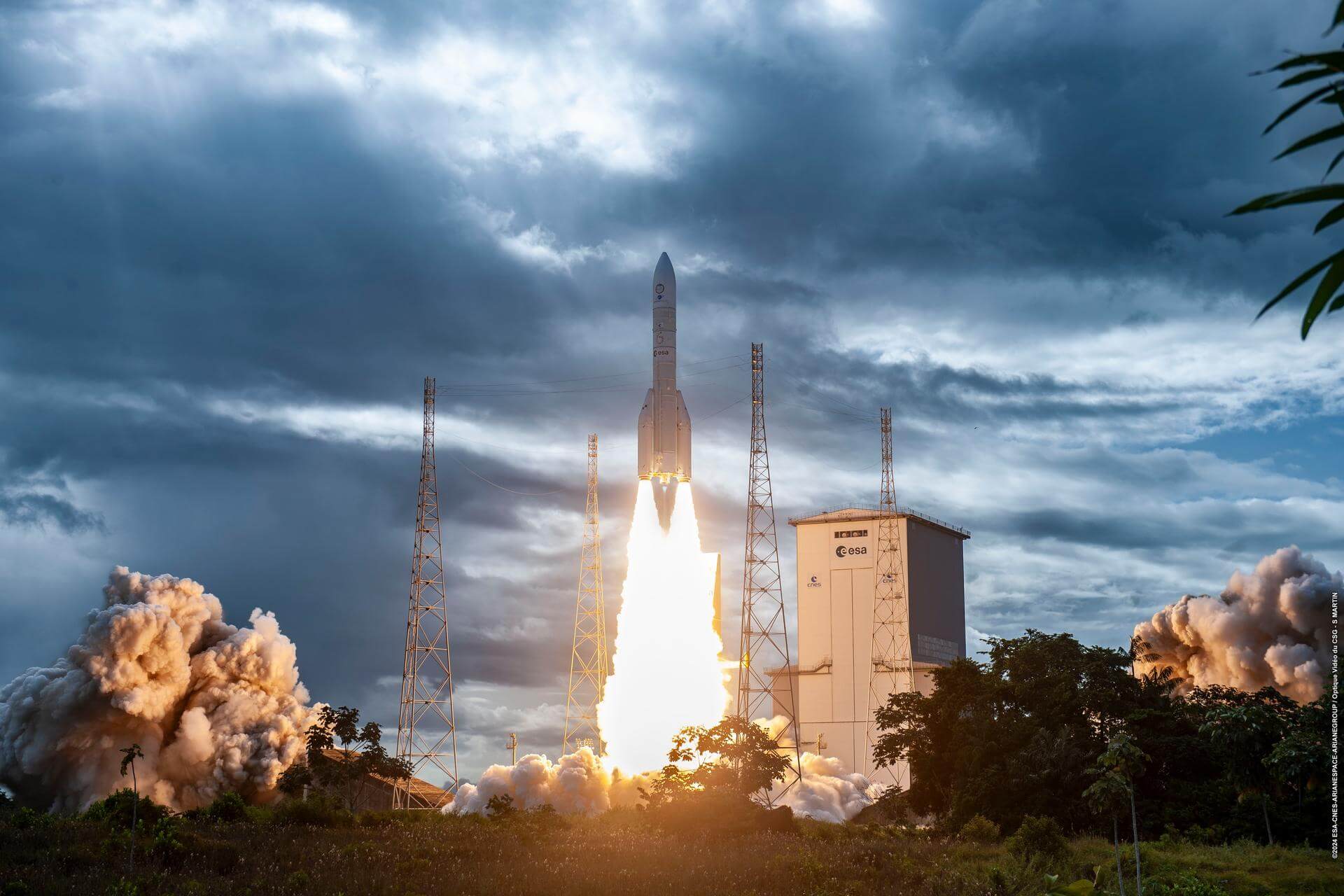
Highlights include US military astronaut rescue drills, China's commercial involvement in lunar missions, ESA's budget proposals, global opposition to space advertising, and NASA lunar landers.