


Apophis 2029 Flyby: ESA-JAXA Joint Mission Locked In | KeepTrack Space Brief
ESA and JAXA finalize collaboration for asteroid Apophis 2029 flyby at 32,000 km—closer than geostationary orbit. Historic near-Earth encounter being heavily observed.


Launch Date
March 31, 1981
Launch Site
PLMSC
Launch Pad
LC41/1
Launch Vehicle
Molniya 8K78M
NORAD ID
12376
International Designator
1981-031A
Epoch
Thu, 02 Jul 2026 11:32:12 GMT
Apogee
Calculating...
Perigee
Calculating...
Inclination
68.91°
Right Ascension
88.62°
Eccentricity
Calculating...
Argument of Perigee
350.23°
Period
717.20 min
Mean Motion
2.01 rev/day
Latitude
Calculating...
Longitude
Calculating...
Altitude
Calculating...
Velocity
Calculating...
Name
COSMOS 1261
Alternative Name
Kosmos-1261
Type
Status
Owner
PVO
Country
USSR
Constellation
N/A
Related Satellites
Major Events
N/A
1 12376U 81031A 26183.48070405 .00000283 00000-0 00000-0 0 9993
2 12376 68.9114 88.6215 5845354 350.2262 2.1783 2.00780876227789
Source: Celestrak
Length
4
Diameter
2
Span
5
Dry Mass
1150
Launch Mass
1250
Shape
Cyl + 2 Pan
Radar Cross Section
8.549
Visual Magnitude
Unknown
Color
Unknown
Material Composition
Unknown
Payload
Oko 5V95 No. 5004
Purpose
Early warning
Mission
Early warning
Manufacturer
NPOL/KOMET
Life Expectancy
Unknown
Bus
Oko
Configuration
Unknown
Motor
Unknown
Equipment
Unknown
Power System
2 deployable fixed solar arrays, batteries
ADCS
Unknown
Transmitter Frequency
Unknown
Learn more about satellites and other related topics.
ESA and JAXA finalize collaboration for asteroid Apophis 2029 flyby at 32,000 km—closer than geostationary orbit. Historic near-Earth encounter being heavily observed.

Today's Space Brief covers reentries, the impact of NOAA dismissals on space weather tracking, a strategic academic partnership probing cosmic mysteries, and a newly unveiled space motto.

Vandenberg Space Force Base opens a new launch site that may accommodate SpaceX's Starship. Meanwhile, Starlink continues to expand its service capabilities.
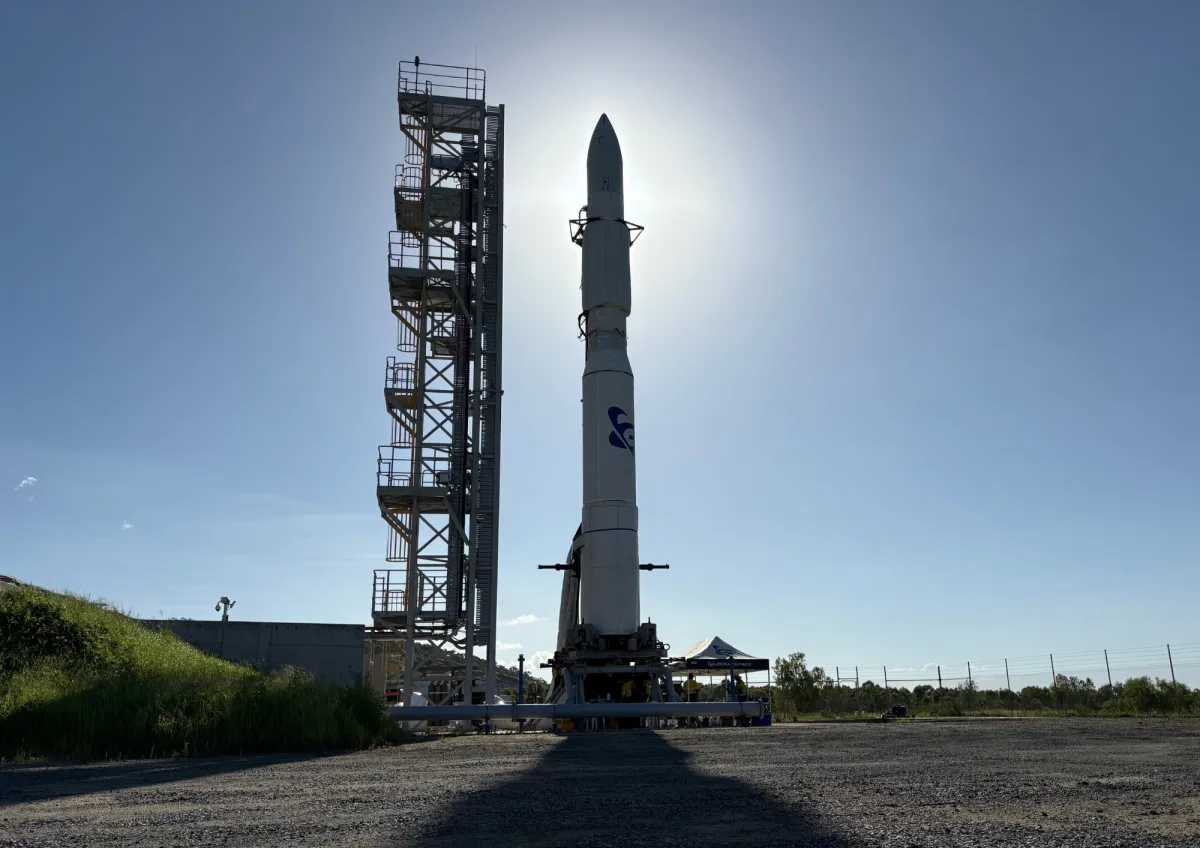
Today's brief highlights the US Space Force's new space conflict doctrine, Ukraine's search for Starlink alternatives, and updates on regional military activities affecting space dynamics.
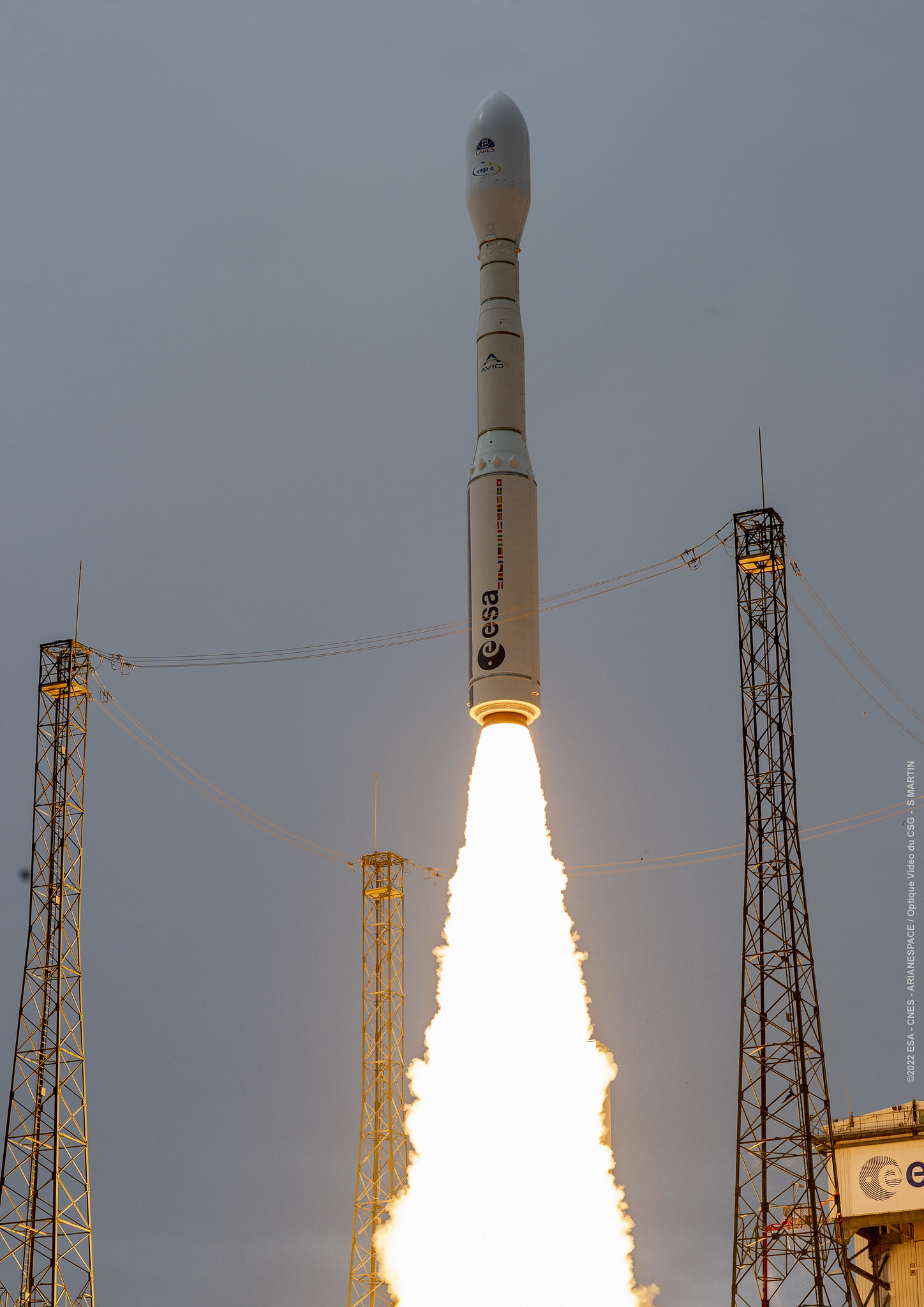
Today's briefing covers the largest-ever spectrum sharing demo planned by the Pentagon, innovative strategies for drone deployment in the Air Force, and significant military procurement developments.

On May 4, 1989, Space Shuttle Atlantis lifted off from LC-39B carrying Magellan, NASA's first interplanetary mission since 1978. The eleven-year drought ended in a payload bay, and the radar that emerged would map ninety-eight percent of Venus through clouds that no camera could ever see through.
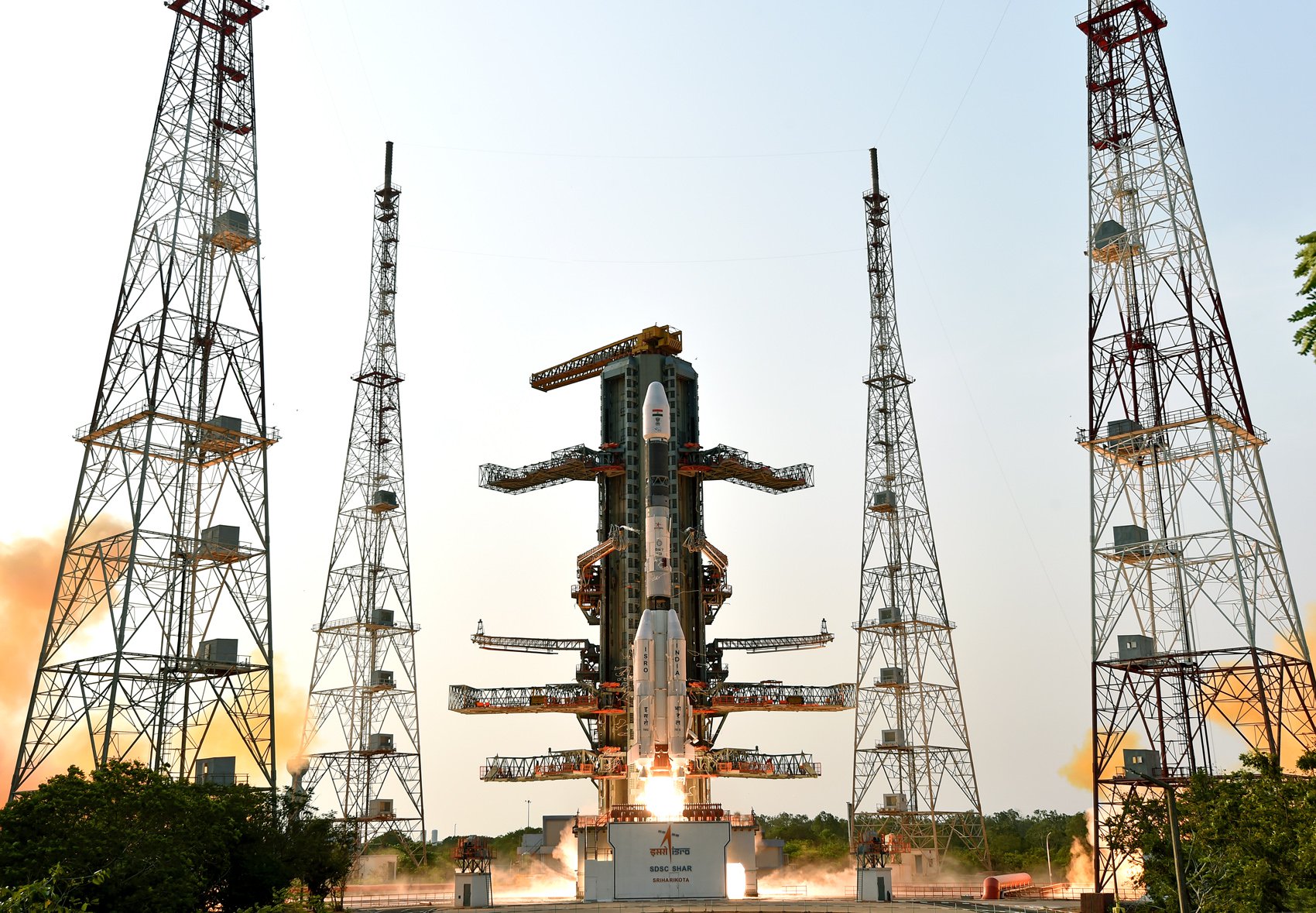
Today's brief covers China's Tianzhou-9 launch to the Tiangong space station, the U.S. Space Force's unfunded MILNET project, and the evolving use of AI in military applications.

Today's brief covers a record-breaking Starlink launch, FCC's allocation of additional spectrum for launches, and more. Plus, explore the intricacies of satellite Rassvet-2 No. 1 in our Satellite Spotlight.