SL-12 PLAT (12352)

COSPAR: 1981-027B | Alt Name: Perekhodnik
DECAYED

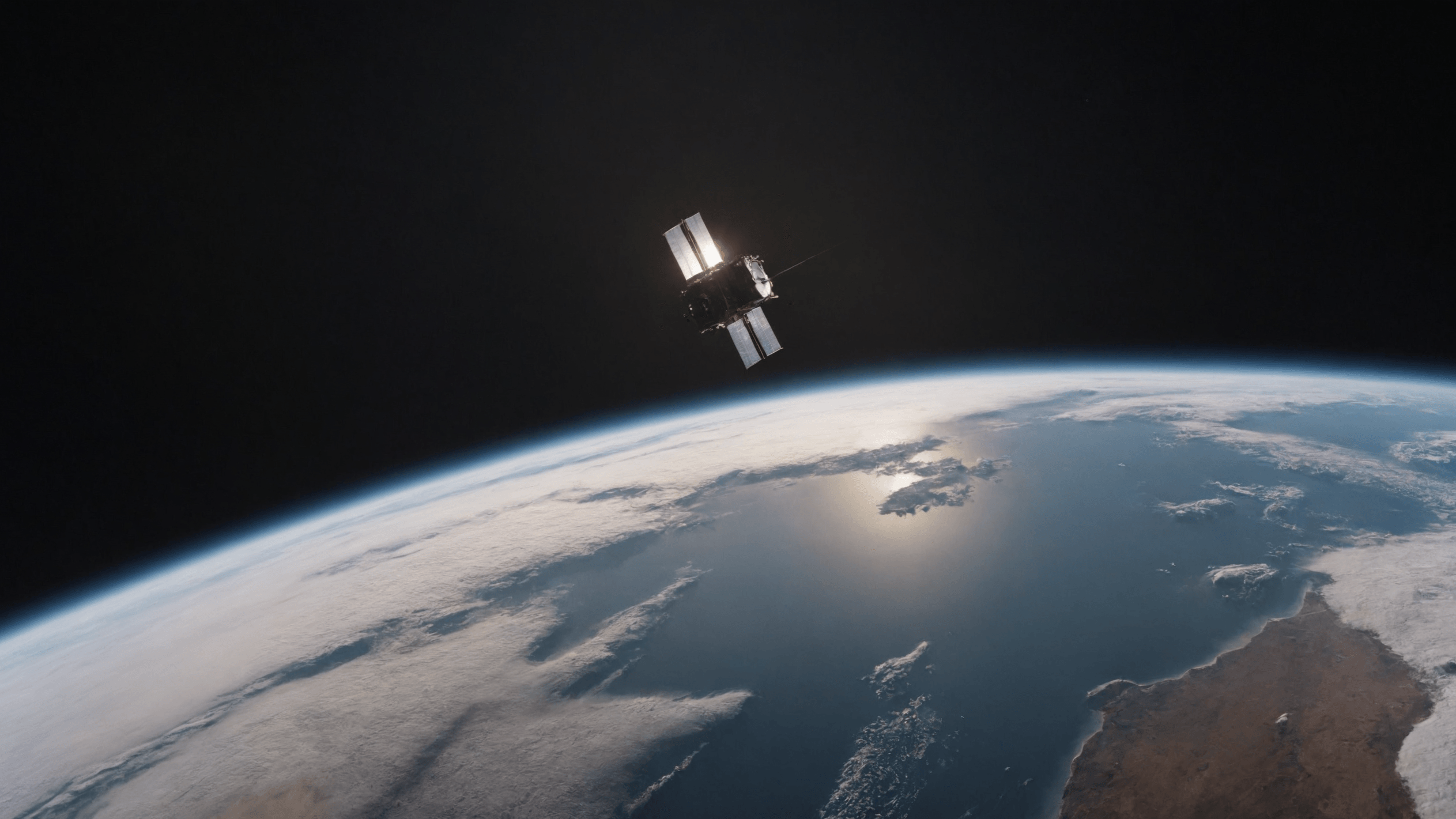
Image
SL-12 PLAT Satellite Image
Additional Sources
Launch Details

Launch Date

March 18, 1981

Launch Pad

LC200/40

Launch Vehicle

Proton-K/DM

Orbital Elements

NORAD ID

12352

International Designator

1981-027B

Decay Date

3/18/1981

Basic Satellite Info

Name

SL-12 PLAT

Alternative Name

Perekhodnik

Type

Debris

Status

Space Junk

Owner

RVSN

Country

USSR

Constellation

N/A

Related Satellites

Major Events

N/A

Summary
Space debris, also known as space junk, encompasses all non-functional objects orbiting Earth such as defunct satellites, spent rocket stages, and fragments from collisions or disintegrations. Over time, this debris can accumulate and create an increasingly hazardous environment in orbit. Even tiny fragments, traveling at extremely high velocities, can inflict significant damage on operational satellites and spacecraft. If left unmanaged, the density of debris raises the risk of catastrophic collisions and further fragmentation, compounding the problem and threatening the safety and sustainability of space activities.
Physical Characteristics

Length

4

Diameter

3.7

Span

4

Dry Mass

800

Launch Mass

800

Shape

Cyl

Radar Cross Section

1.35

Visual Magnitude

Unknown

Color

Unknown

Material Composition

Unknown

Technical Details

Payload

Sredniy perekhodnik

Purpose

Unknown

Mission

Unknown

Manufacturer

ZIKH

Life Expectancy

Unknown

Bus

Adapter

Configuration

Unknown

Motor

Unknown

Equipment

Unknown

Power System

Unknown

ADCS

Unknown

Transmitter Frequency

Unknown

Satellite Articles

View All Posts »

Learn more about satellites and other related topics.

The Dog They Never Planned to Bring Home

The Dog They Never Planned to Bring Home

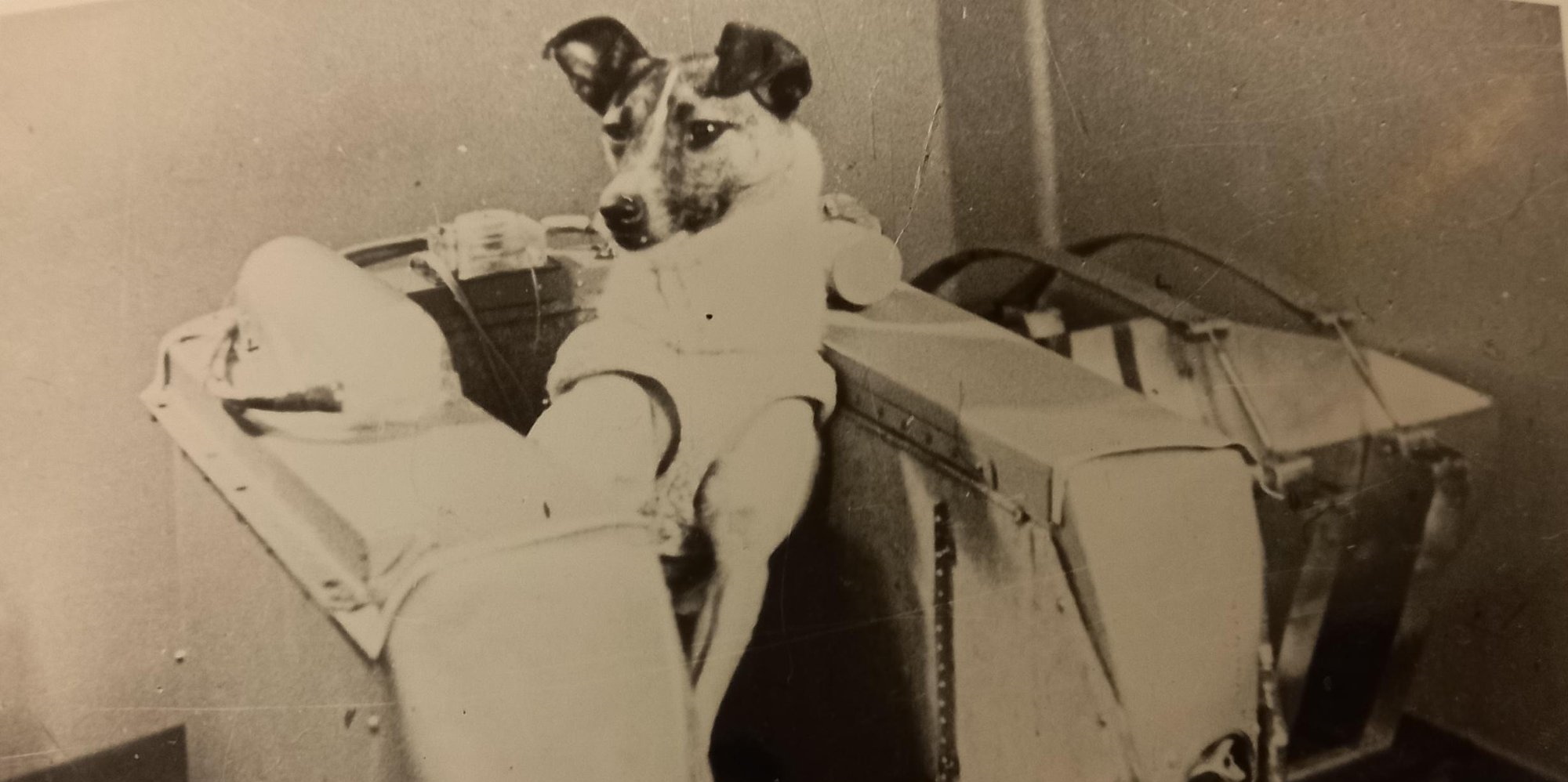
On April 14, 1958, Sputnik 2 burned up over the North Atlantic, carrying the remains of a stray dog from Moscow who had been dead for five months. The Soviet Union told the world she survived for days. It took forty-five years for the truth to come out.

The 300,000 Swerves Keeping Low Earth Orbit From Crashing

The 300,000 Swerves Keeping Low Earth Orbit From Crashing

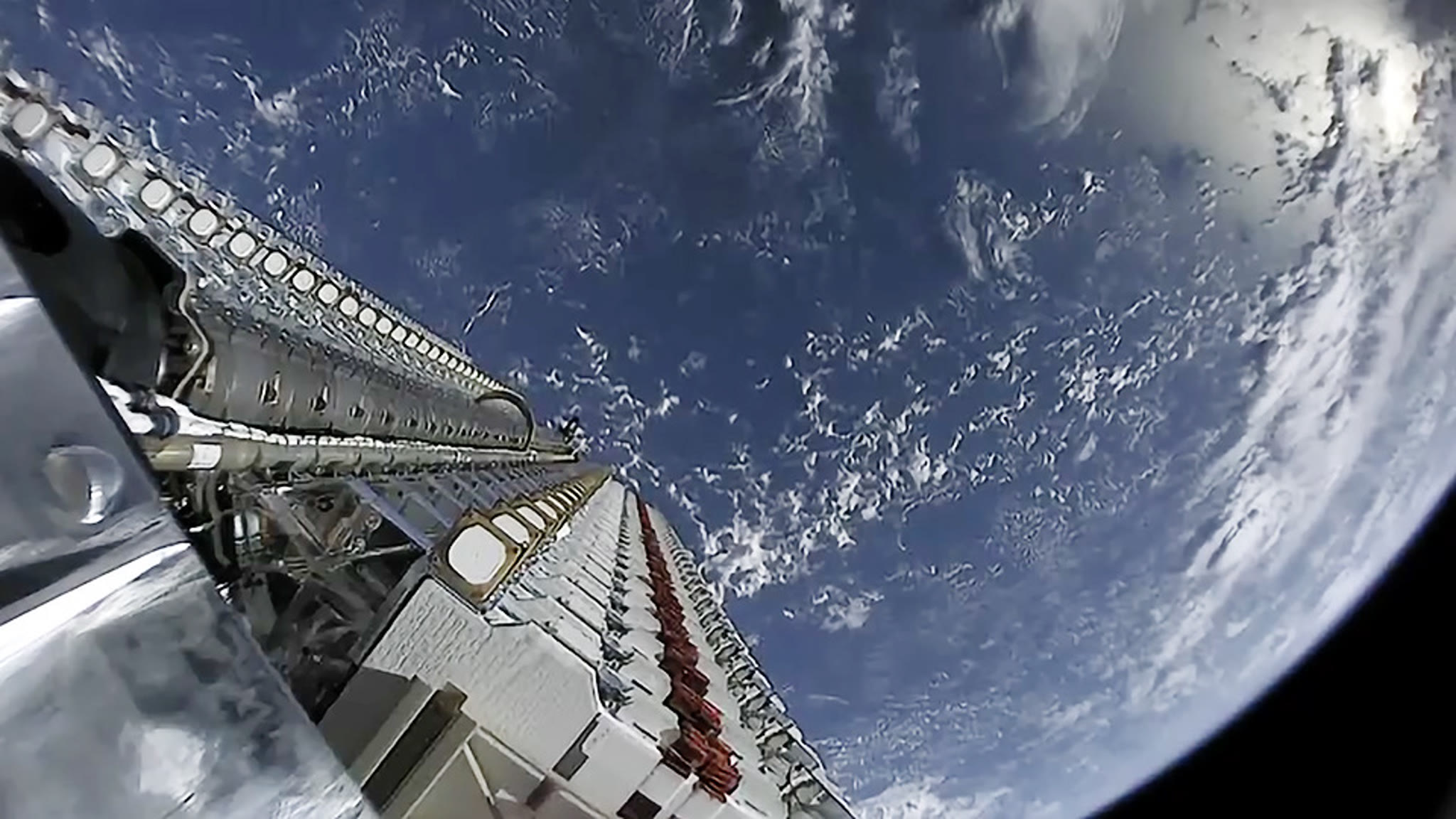
Starlink satellites fired their thrusters to dodge a collision roughly 300,000 times in 2025, about 822 times a day. Behind that number is a fragile, half-automated system of warnings, probabilities, and judgment calls that decides which close approaches are worth a maneuver and which are just noise.

X Report 18 Dec 2024

X Report 18 Dec 2024

SpaceX achieves significant milestones with Starship and multiple launch missions, while Starlink connectivity expands through T-Mobile's beta program.

SpaceX Stock Eyed for US Kids' Savings Accounts | KeepTrack X Report

SpaceX Stock Eyed for US Kids' Savings Accounts | KeepTrack X Report

Trump reportedly asked Musk to donate SpaceX equity to seed children's savings accounts as Starlink tops 10,706 working satellites in orbit.

Space Brief 26 Jun 2025

Space Brief 26 Jun 2025

Exploring new defense agreements with Eutelsat, advances in U.S. Space Force projects, and updates on NATO's strategic discussions.

Space Brief 28 Aug 2024

Space Brief 28 Aug 2024

A Falcon 9 booster fails to land, increasing GPS and PNT significance for national security, and NASA's SLS mobile launch platform costs soar.

X Report 12 Jan 2025

X Report 12 Jan 2025

SpaceX concludes a wet dress rehearsal for Starship Flight 7, aiming for the largest rocket launch on January 15 after weather delays.

How a Parachutist Named Seagull Became the First Woman in Space

How a Parachutist Named Seagull Became the First Woman in Space

On 16 June 1963, a 26-year-old former textile worker named Valentina Tereshkova launched aboard Vostok 6 and spent nearly three days alone in orbit. She flew 48 times around the Earth, longer than every American astronaut combined, and spotted a dangerous flaw in her descent program that ground controllers had missed.