SL-11 R/B (12338)

COSPAR: 1981-024B | Alt Name: Tsiklon-2 48-204 Stage 2
DECAYED

Image
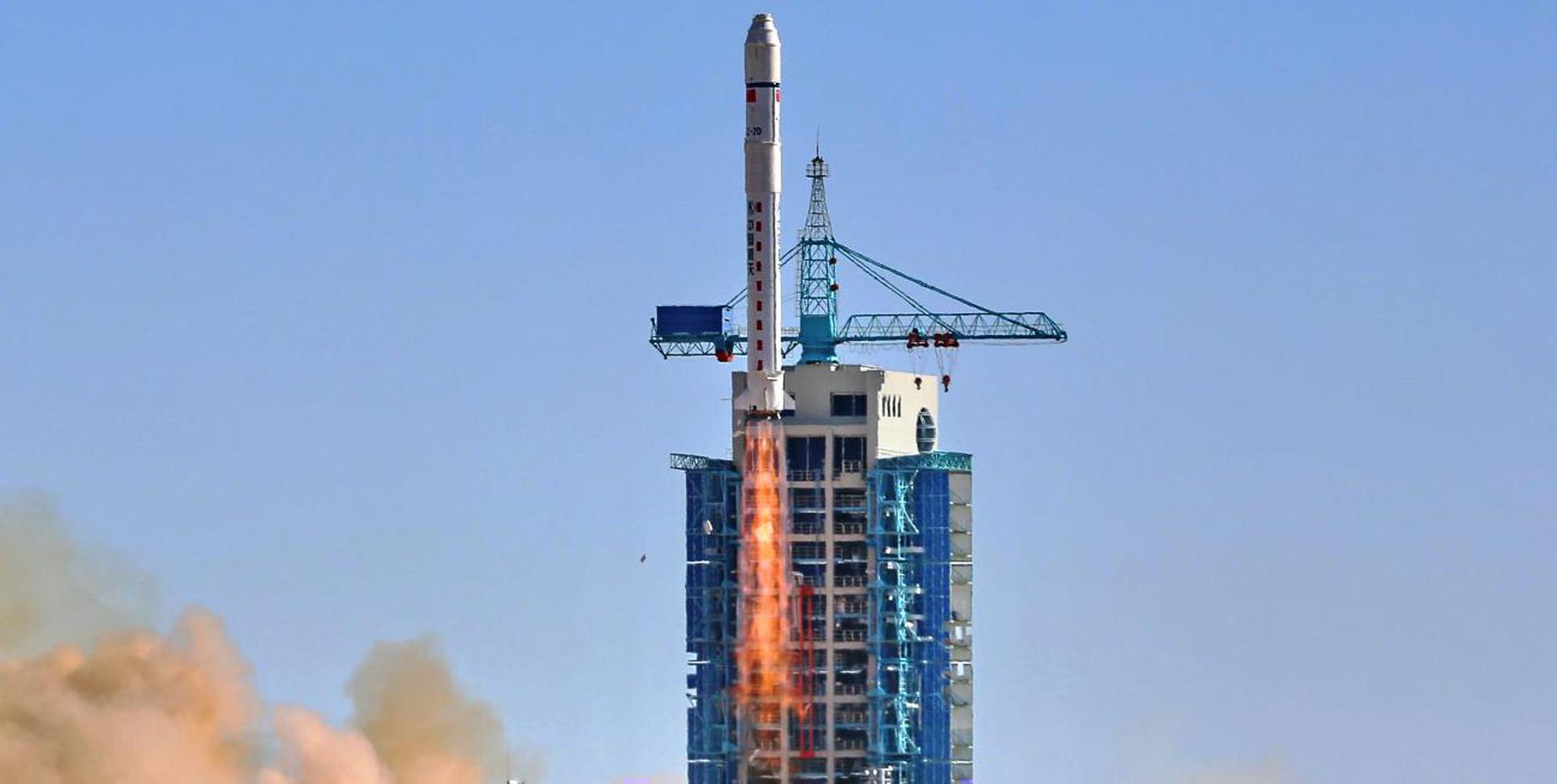
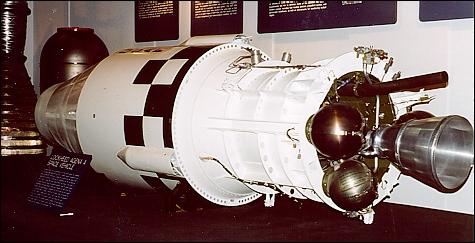
SL-11 R/B Satellite Image
Additional Sources
Launch Details

Launch Date

March 14, 1981

Launch Pad

LC90

Launch Vehicle

Tsiklon-2

Orbital Elements

NORAD ID

12338

International Designator

1981-024B

Decay Date

3/15/1981

Basic Satellite Info

Name

SL-11 R/B

Alternative Name

Tsiklon-2 48-204 Stage 2

Type

Rocket Body

Status

Space Junk

Owner

RVSN

Country

USSR

Constellation

N/A

Related Satellites

Major Events

N/A

Summary
A rocket body, also commonly referred to as an upper stage or spent rocket stage, is the structural shell left behind after a rocket has delivered its payload to orbit. These large and often heavy pieces of space hardware can remain in orbit for years, posing significant collision hazards as part of the growing space debris problem. If left uncontrolled, rocket bodies have the potential to reenter Earth's atmosphere unpredictably, which can lead to falling debris in populated areas. Additionally, they risk colliding with operational satellites or the International Space Station, creating more debris and putting human life at risk.
Physical Characteristics

Length

10.9

Diameter

3

Span

10.9

Dry Mass

4000

Launch Mass

4000

Shape

Cyl

Radar Cross Section

Unknown

Visual Magnitude

Unknown

Color

Unknown

Material Composition

Unknown

Technical Details

Payload

11S692

Purpose

Unknown

Mission

Unknown

Manufacturer

YUZH

Life Expectancy

Unknown

Bus

11S692

Configuration

Unknown

Motor

Unknown

Equipment

Unknown

Power System

Unknown

ADCS

Unknown

Transmitter Frequency

Unknown

Satellite Articles

View All Posts »

Learn more about satellites and other related topics.

Van Allen Probe A Reenters After 14 Years; NASA Designates Starliner Type A Mishap | KeepTrack Space Brief

Van Allen Probe A Reenters After 14 Years; NASA Designates Starliner Type A Mishap | KeepTrack Space Brief

NASA's 590 kg Van Allen Probe A reentered March 10 after 14 years studying Earth's radiation belts. Meanwhile, Boeing Starliner classified as Type A mishap after leaving astronauts stranded on ISS.

Space Brief 12 Dec 2025

Space Brief 12 Dec 2025

Today's space brief highlights the U.S. Space Force's new satellite naming scheme, the Air Force Secretary's warnings on China's space advances, BAE Systems' DARPA award, strategies for future space defense, the importance of GEO satellite refueling, and Blue Origin's plans for Space Force certification.

The Day America Pioneered Polar Orbits

The Day America Pioneered Polar Orbits

Sixty-six years ago, a Thor-Agena rocket thundered into the California sky carrying Discoverer 1, the first satellite attempt at polar orbit and the secret vanguard of Americas space reconnaissance program

Neil Gehrels Swift Observatory

Neil Gehrels Swift Observatory

Designed for a two-year mission to catch gamma-ray bursts in the act, Swift is now 21 years old, slowly falling out of the sky, and the subject of an unprecedented private rescue mission. Nobody planned for it to be this hard to let go.

New Glenn Achieves First Booster Reuse on Mission 3 | KeepTrack Space Brief

New Glenn Achieves First Booster Reuse on Mission 3 | KeepTrack Space Brief

Blue Origin's New Glenn successfully reused its first stage booster for the first time on Mission 3, launching April 19. Booster reuse accelerates operational tempo.

2nd Starlink Debris Event in 3 Months Raises Alarm | KeepTrack X Report

2nd Starlink Debris Event in 3 Months Raises Alarm | KeepTrack X Report

A second Starlink satellite has generated on-orbit debris in just over 3 months, threatening SpaceX's 10,151-satellite working constellation.

FAA Grounds Starship V3 After Flight 12, X Report 28 May 2026

FAA Grounds Starship V3 After Flight 12, X Report 28 May 2026

FAA grounds SpaceX Starship V3 after the Flight 12 mishap, freezing the launch schedule. Plus a $2.29B Space Force contract and 10,397 working Starlinks.

Space Brief 26 Sep 2025

Space Brief 26 Sep 2025

Today's Space Brief highlights major developments including NASA's Dream Chaser contract modifications, Germany's significant investment in space capabilities, and advancements in hybrid satcom technology.