COSMOS 1248 (12317)

COSPAR: 1981-020A | Alt Name: Kosmos-1248
DECAYED

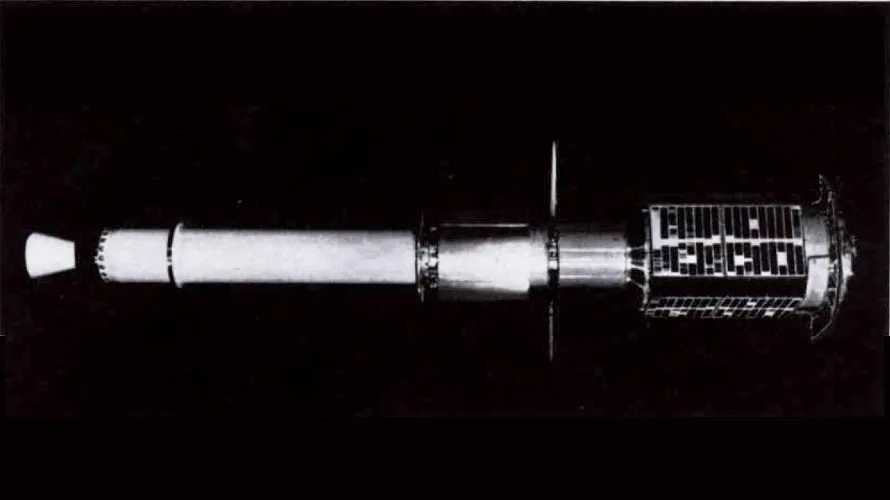
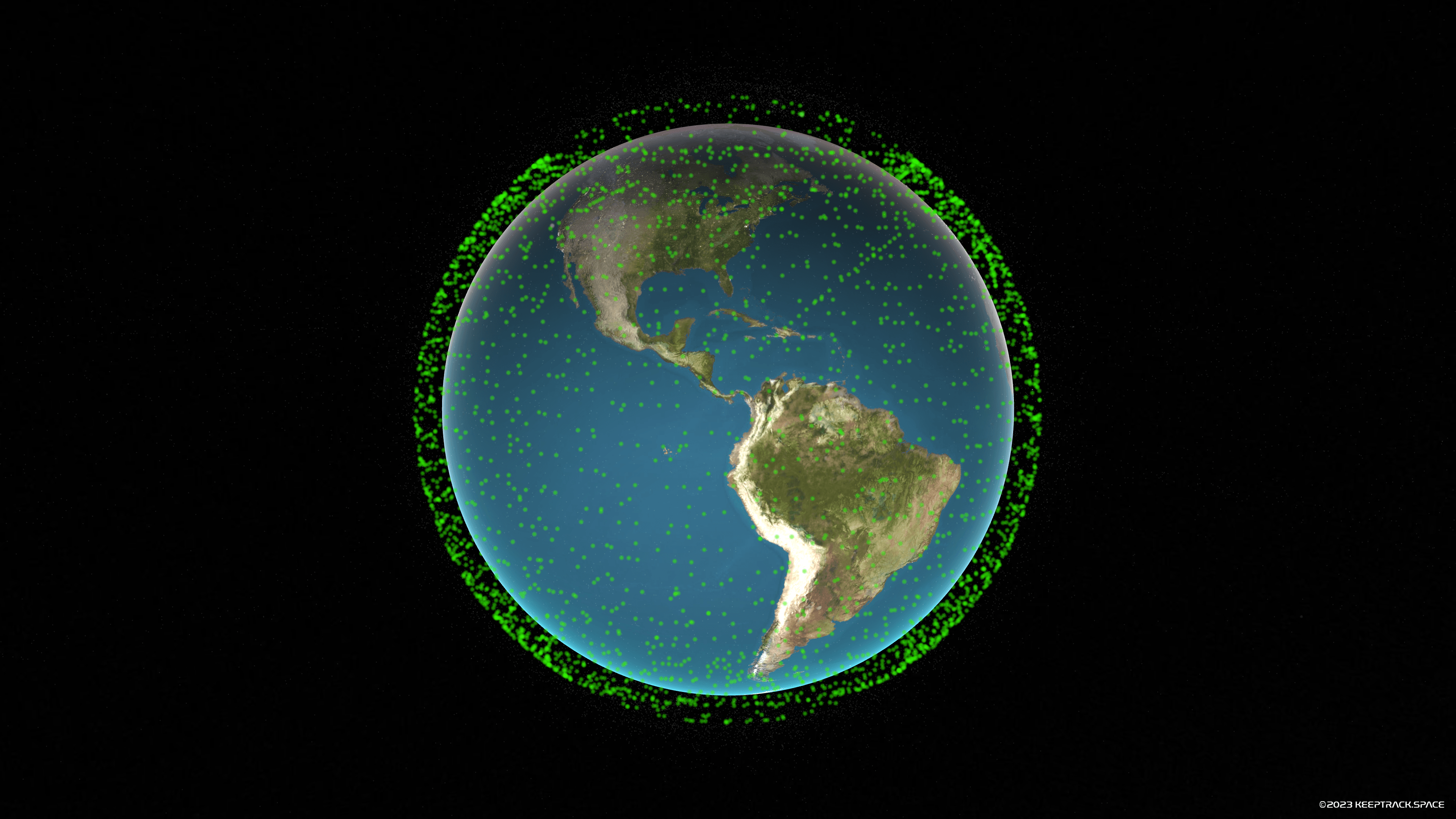
Image
COSMOS 1248 Satellite Image
Additional Sources
Launch Details

Launch Date

March 5, 1981

Launch Site

PLMSC

Launch Pad

LC41/1

Launch Vehicle

Soyuz-U

Orbital Elements

NORAD ID

12317

International Designator

1981-020A

Decay Date

4/4/1981

Basic Satellite Info

Name

COSMOS 1248

Alternative Name

Kosmos-1248

Type

Payload

Status

Decayed

Owner

GUKOS

Country

USSR

Constellation

N/A

Related Satellites

Major Events

N/A

Summary
COSMOS 1248 (also known as Kosmos-1248) is a reconnaissance satellite launched on March 5, 1981, from the Plesetsk Cosmodrome using a Soyuz-U launch vehicle. The spacecraft measures 6.3 meters in length and has a diameter of 2.7 meters, with a span of 6.3 meters. It had a dry mass of 2886 kg and was equipped with two deployable solar arrays and batteries for power. Its configuration includes the Yantar Bus with a main reentry module and two small reentry capsules designed to return film from its Zhemchug-4 camera. The satellite, manufactured by TSSKB and owned by GUKOS, operated for 30 days on a reconnaissance mission focused on photo surveillance with film-return capabilities.
Physical Characteristics

Length

6.3

Diameter

2.7

Span

6.3

Dry Mass

2886

Launch Mass

2886

Shape

Cone + Cyl

Radar Cross Section

55.83

Visual Magnitude

Unknown

Color

Unknown

Material Composition

Unknown

Technical Details

Payload

Feniks No. 16L (940)

Purpose

Reconnaissance, photo (film return type)

Mission

Reconnaissance, photo (film return type)

Manufacturer

TSSKB

Life Expectancy

30 days

Bus

Yantar'-2K

Configuration

Yantar Bus, main reentry module, 2 small reentry capsules

Motor

Unknown

Equipment

Zhemchug-4 camera

Power System

2 deployable solar arrays, batteries

ADCS

Unknown

Transmitter Frequency

Unknown

Satellite Articles

View All Posts »

Learn more about satellites and other related topics.

Starbase Pad 2 Preps for Booster 19, Starlink Disrupts Russian Comms | KeepTrack X Report

Starbase Pad 2 Preps for Booster 19, Starlink Disrupts Russian Comms | KeepTrack X Report

Starbase Pad 2 passes water-cooled deck test ahead of Booster 19. Starlink restrictions disrupt Russian battlefield communications. California city weighs banning Musk companies.

25 Starlinks Lofted from Vandenberg in Latest West Coast Push | KeepTrack X Report

25 Starlinks Lofted from Vandenberg in Latest West Coast Push | KeepTrack X Report

SpaceX launched 25 Starlink satellites from Vandenberg SFB on March 8, growing a constellation now totaling 9,924 active orbital nodes.

SpaceX Launches GPS Satellite in Third Mission Reassigned From ULA | KeepTrack Space Brief

SpaceX Launches GPS Satellite in Third Mission Reassigned From ULA | KeepTrack Space Brief

SpaceX launches GPS satellite for Space Force — third consecutive GPS mission reassigned from ULA. Space Force nears selection of next-gen GEO spy satellite contractors. Northwood Space lands $49M deal.

Starship Flight 13 to Debut First Starlink V3 Satellites | KeepTrack X Report

Starship Flight 13 to Debut First Starlink V3 Satellites | KeepTrack X Report

SpaceX readies Starship Flight 13 for July 16 launch to deploy first Starlink V3 satellites as Falcon 9 logs its 600th booster reuse.

The Satellite That Found 22 Photons and Changed Astronomy

The Satellite That Found 22 Photons and Changed Astronomy

On April 27, 1961, a Scout rocket lifted a 37-kilogram NASA satellite into orbit from Wallops Island carrying the first serious instrument for detecting cosmic gamma rays. Explorer 11 operated for seven months before its tape recorder failed. In that time it registered 22 gamma-ray photons - a pitiful number by modern standards, but enough to launch an entire branch of astronomy.

X Report 14 Feb 2025

X Report 14 Feb 2025

Starship testing progresses at the Cape; Lynk Global secures funding amidst rising satellite competition.

108 Minutes That Changed Everything - and the 20-Year Echo That Followed

108 Minutes That Changed Everything - and the 20-Year Echo That Followed

On April 12, 1961, a 27-year-old Soviet pilot rode a modified ICBM into orbit and came back alive after 108 minutes. Exactly twenty years later, two Americans climbed aboard an untested spacecraft covered in 31,000 ceramic tiles and bet their lives that the math was right.

US Agency Will Not Reinstate $900 Mln Subsidy for SpaceX Starlink Unit

US Agency Will Not Reinstate $900 Mln Subsidy for SpaceX Starlink Unit

The U.S. Federal Communications Commission reaffirms its decision to deny SpaceX's Starlink unit $885.5 million in rural broadband subsidies, impacting the company's plans for expanding internet access.