


X Report 30 Oct 2025
SpaceX continues to ramp up its operations with the launch of 29 more Starlink satellites, while significant upgrades at its Starbase facility signify ambitious future plans.


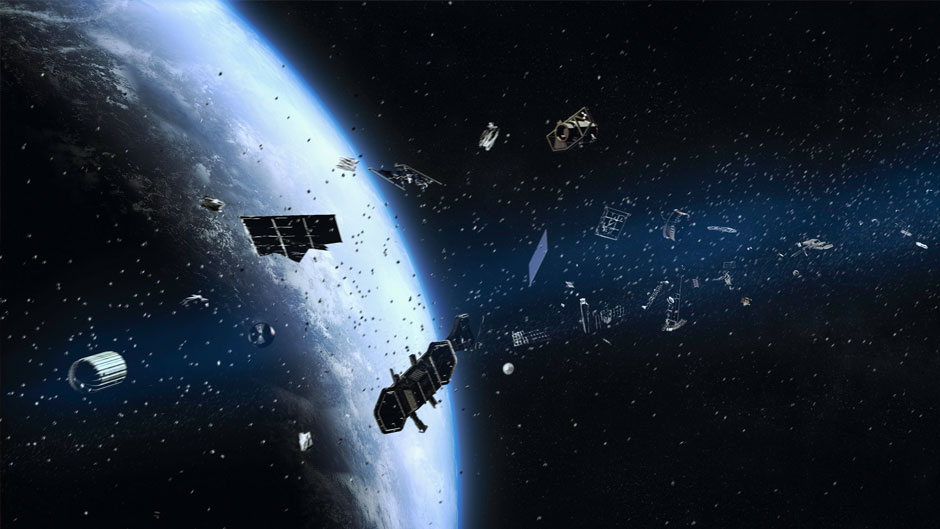
Launch Date
March 5, 1978
Launch Site
AFWTR
Launch Pad
SLC2W
Launch Vehicle
Delta 2910
NORAD ID
12187
International Designator
1978-026AC
Decay Date
2/12/1988
Name
DELTA 1 DEB
Alternative Name
deb Delta 139
Type
Status
Owner
GSFC
Country
United States
Constellation
N/A
Related Satellites
Major Events
N/A
Length
0
Diameter
0
Span
0
Dry Mass
0
Launch Mass
0
Shape
N/A
Radar Cross Section
0.0938
Visual Magnitude
Unknown
Color
Unknown
Material Composition
Unknown
Payload
Unknown
Purpose
Unknown
Mission
Unknown
Manufacturer
Unknown
Life Expectancy
Unknown
Bus
Unknown
Configuration
Unknown
Motor
Unknown
Equipment
Unknown
Power System
Unknown
ADCS
Unknown
Transmitter Frequency
Unknown
Learn more about satellites and other related topics.
SpaceX continues to ramp up its operations with the launch of 29 more Starlink satellites, while significant upgrades at its Starbase facility signify ambitious future plans.

Blue Origin's New Glenn rocket exploded during ground testing May 28, visible from hundreds of miles across Florida. Fireball halts vehicle pending failure investigation.
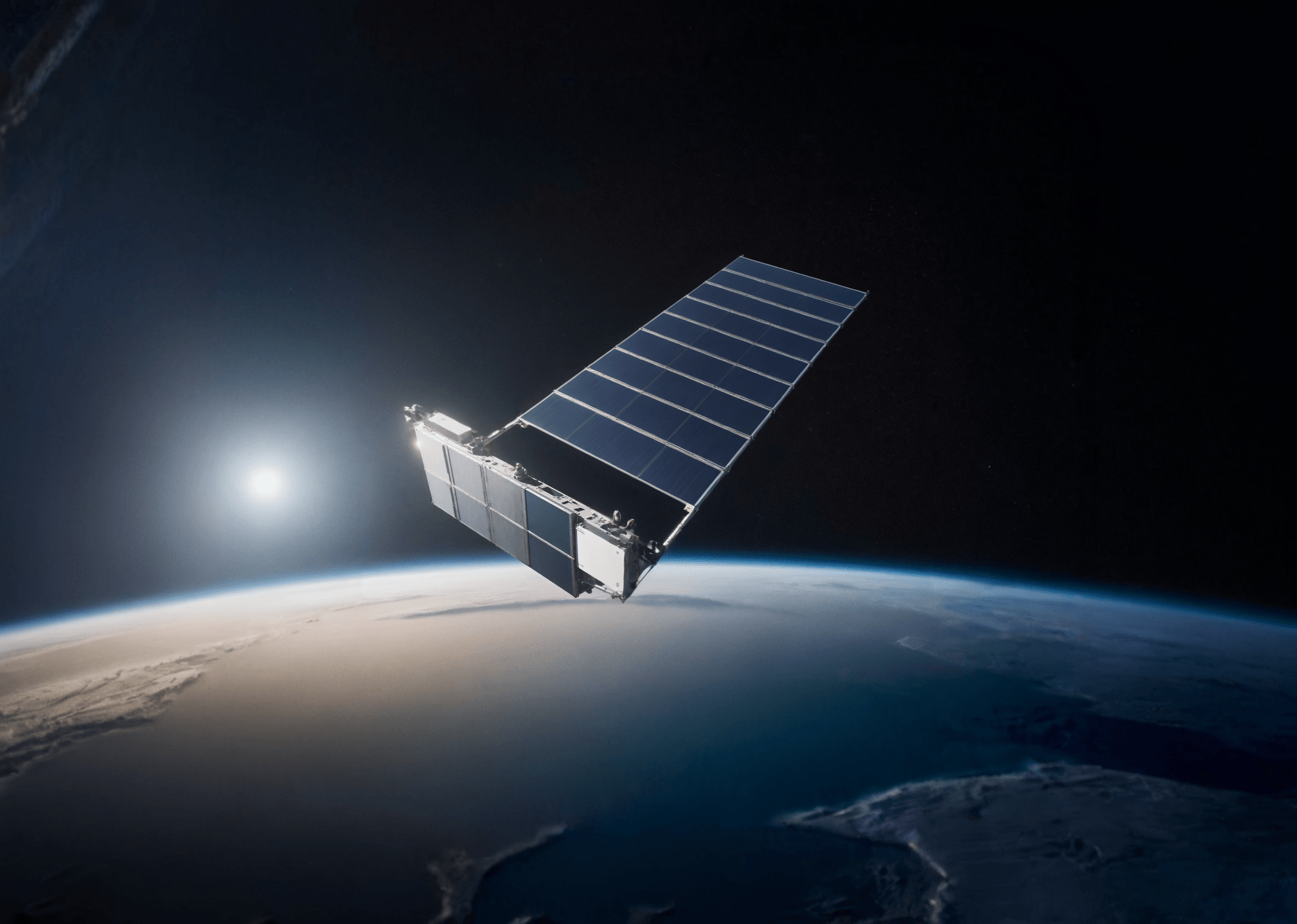
As of March 2024, SpaceX's Starlink has made remarkable strides in its quest to provide global broadband internet access. With an astounding number of satellites already in orbit and ambitious plans for expansion, Starlink is on track to dominate Earth's orbit in the coming years.
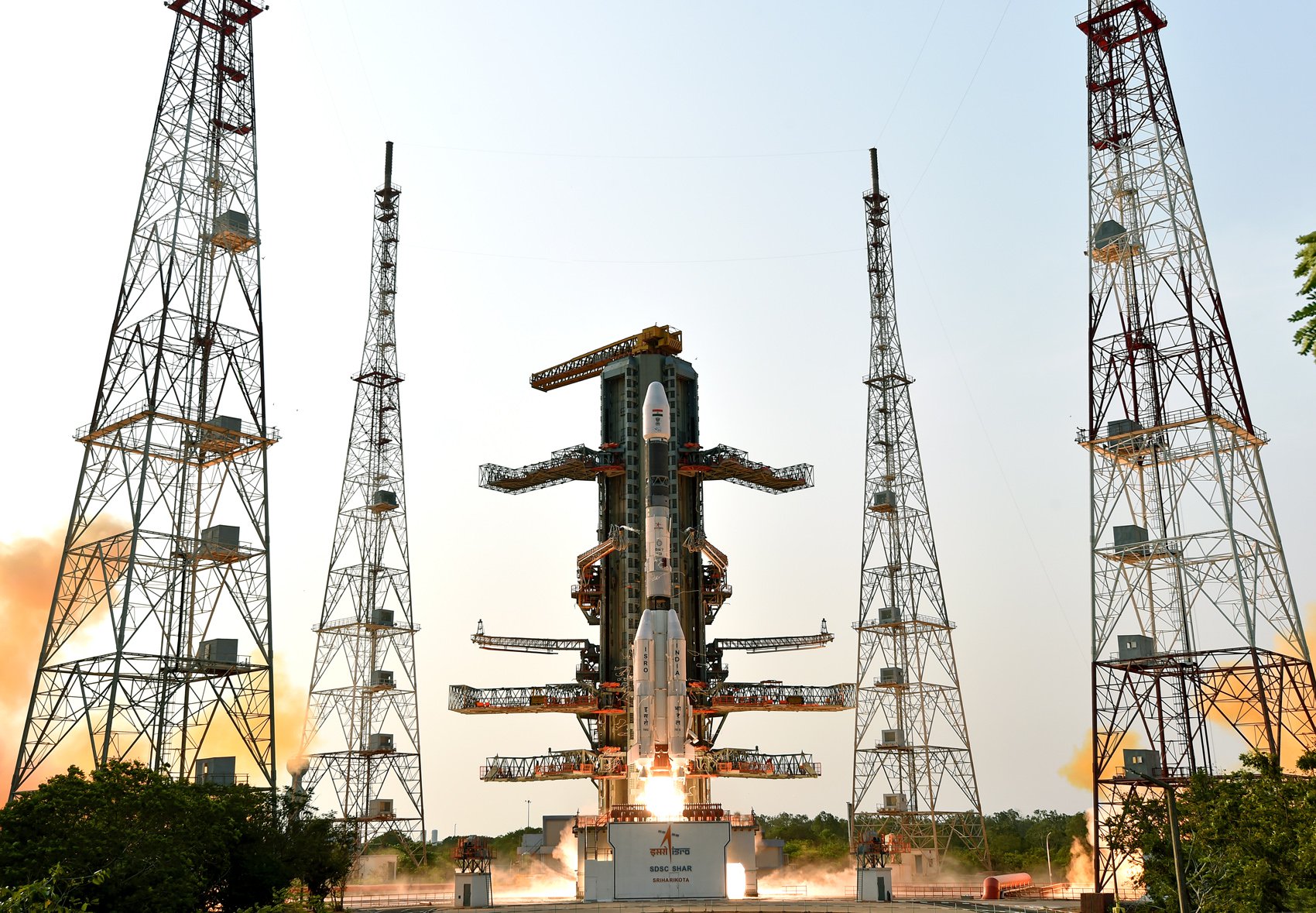
Today's highlights cover critical satellite launches including SpaceX's GPS III mission, advancements in SATCOM technology, and changes in NASA leadership.
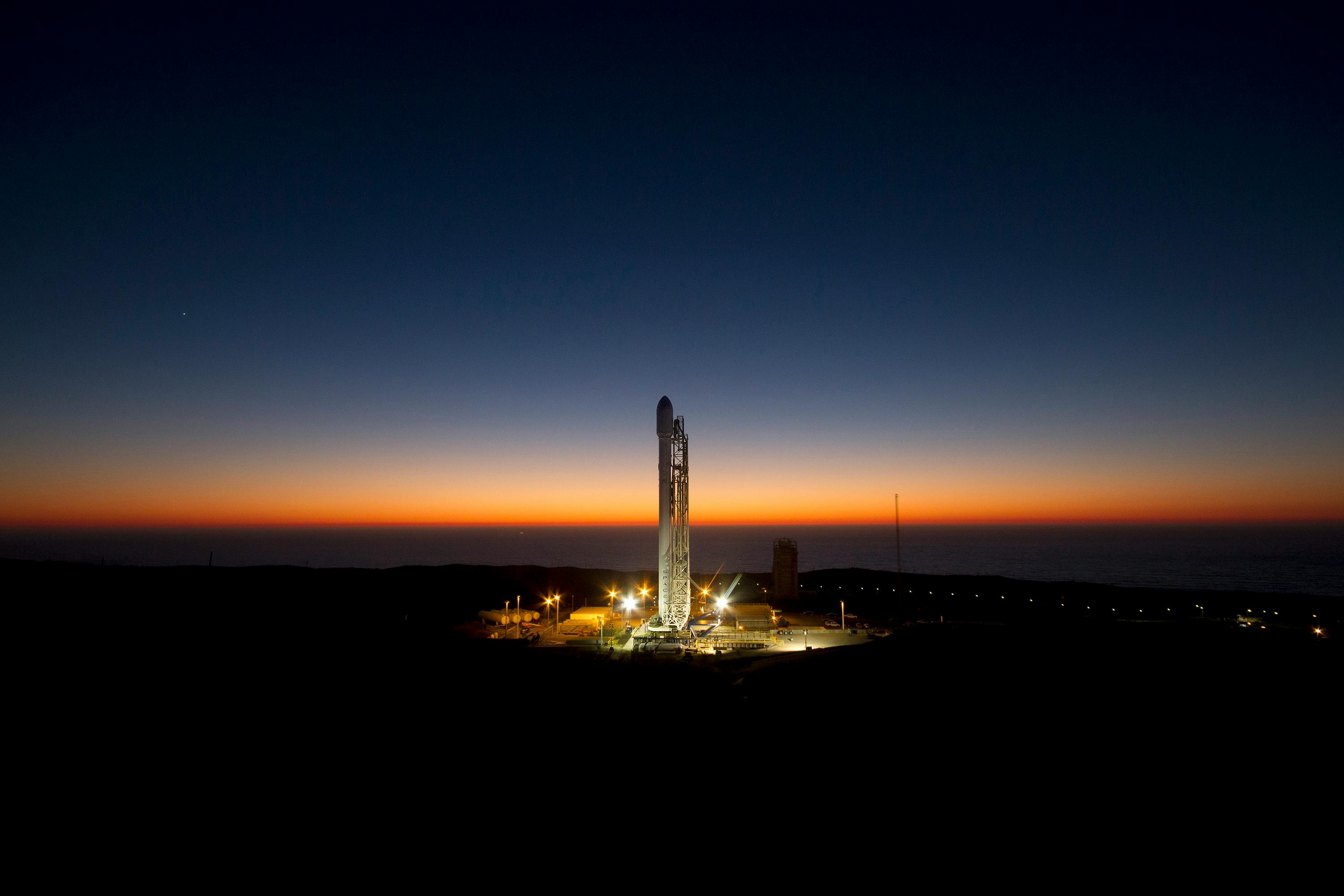
SpaceX sets launch milestones with quick turnarounds and new Starlink deployments, while eyeing rapid Starship expansions next year.

Today's briefing covers significant events including launch delays for SpaceX's Starship and Blue Origin's New Glenn, BepiColombo's landmark Mercury flyby, and the impact of Los Angeles fires on the space community.

On May 4, 1989, Space Shuttle Atlantis lifted off from LC-39B carrying Magellan, NASA's first interplanetary mission since 1978. The eleven-year drought ended in a payload bay, and the radar that emerged would map ninety-eight percent of Venus through clouds that no camera could ever see through.
Shenzhou-23 docked with Tiangong May 24 with 3 astronauts, including Hong Kong's first crew member. One will stay ~1 year in orbit.