

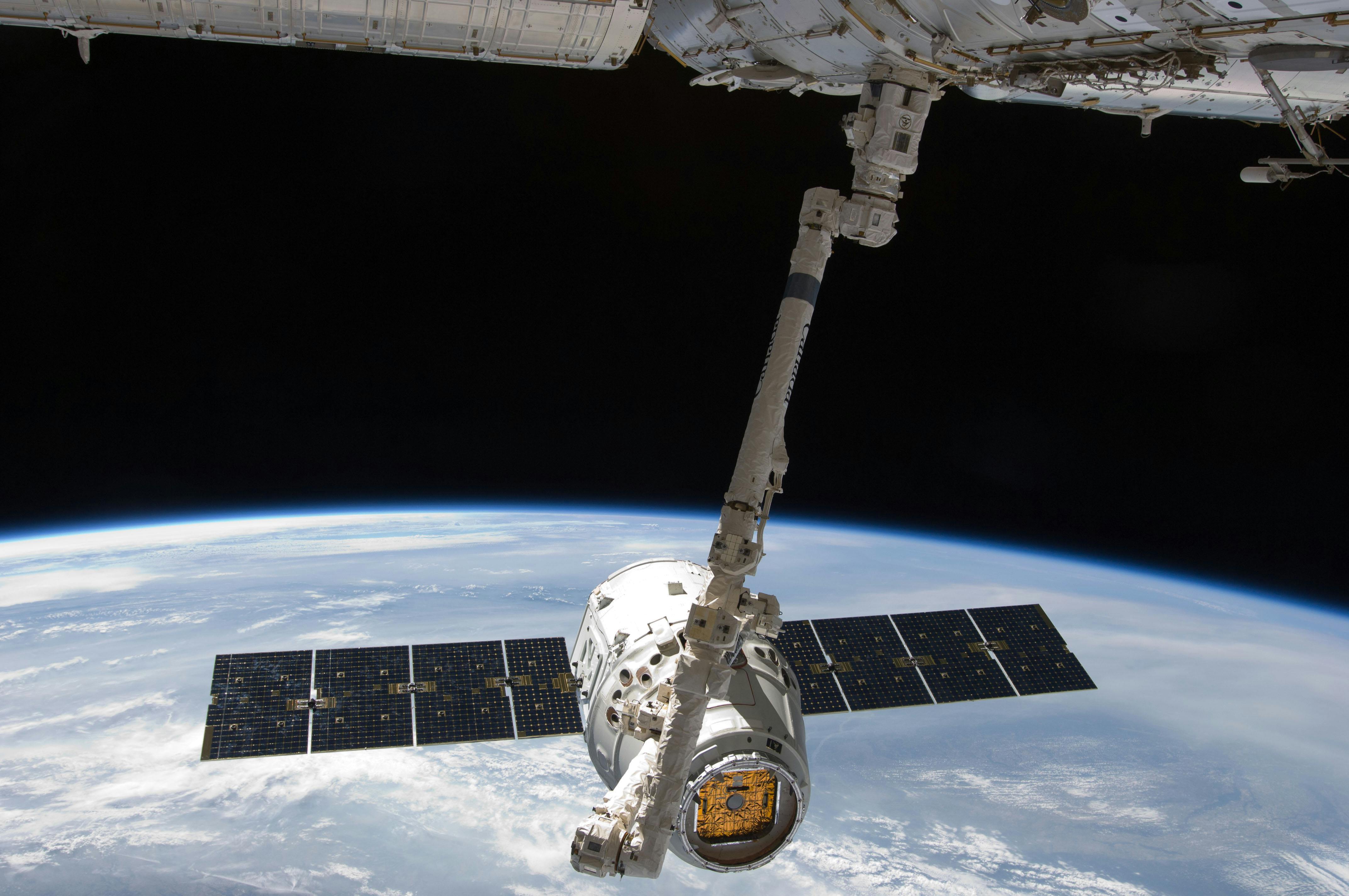
X Report 13 Apr 2025
SpaceX successfully launches 21 Starlink satellites and deploys a new batch of spy satellites for the US government.


Launch Date
January 16, 1981
Launch Site
PLMSC
Launch Pad
LC41/1
Launch Vehicle
Soyuz-U
NORAD ID
12140
International Designator
1981-004A
Decay Date
1/28/1981
Name
COSMOS 1239
Alternative Name
Kosmos-1239
Type
Status
Owner
VTS
Country
USSR
Constellation
N/A
Related Satellites
Major Events
N/A
Length
6.5
Diameter
2.4
Span
6.5
Dry Mass
2200
Launch Mass
2200
Shape
Sphere + DCone
Radar Cross Section
Unknown
Visual Magnitude
Unknown
Color
Unknown
Material Composition
Unknown
Payload
Orion No. 18L
Purpose
Unknown
Mission
Unknown
Manufacturer
TSSKB
Life Expectancy
Unknown
Bus
Zenit-4MT
Configuration
Unknown
Motor
Unknown
Equipment
Unknown
Power System
Unknown
ADCS
Unknown
Transmitter Frequency
Unknown
Learn more about satellites and other related topics.
SpaceX successfully launches 21 Starlink satellites and deploys a new batch of spy satellites for the US government.

Today's highlights include SpaceX's 250th Starlink mission, a key Senate vote for NASA's next administrator, and insights into satellite missions and movements.
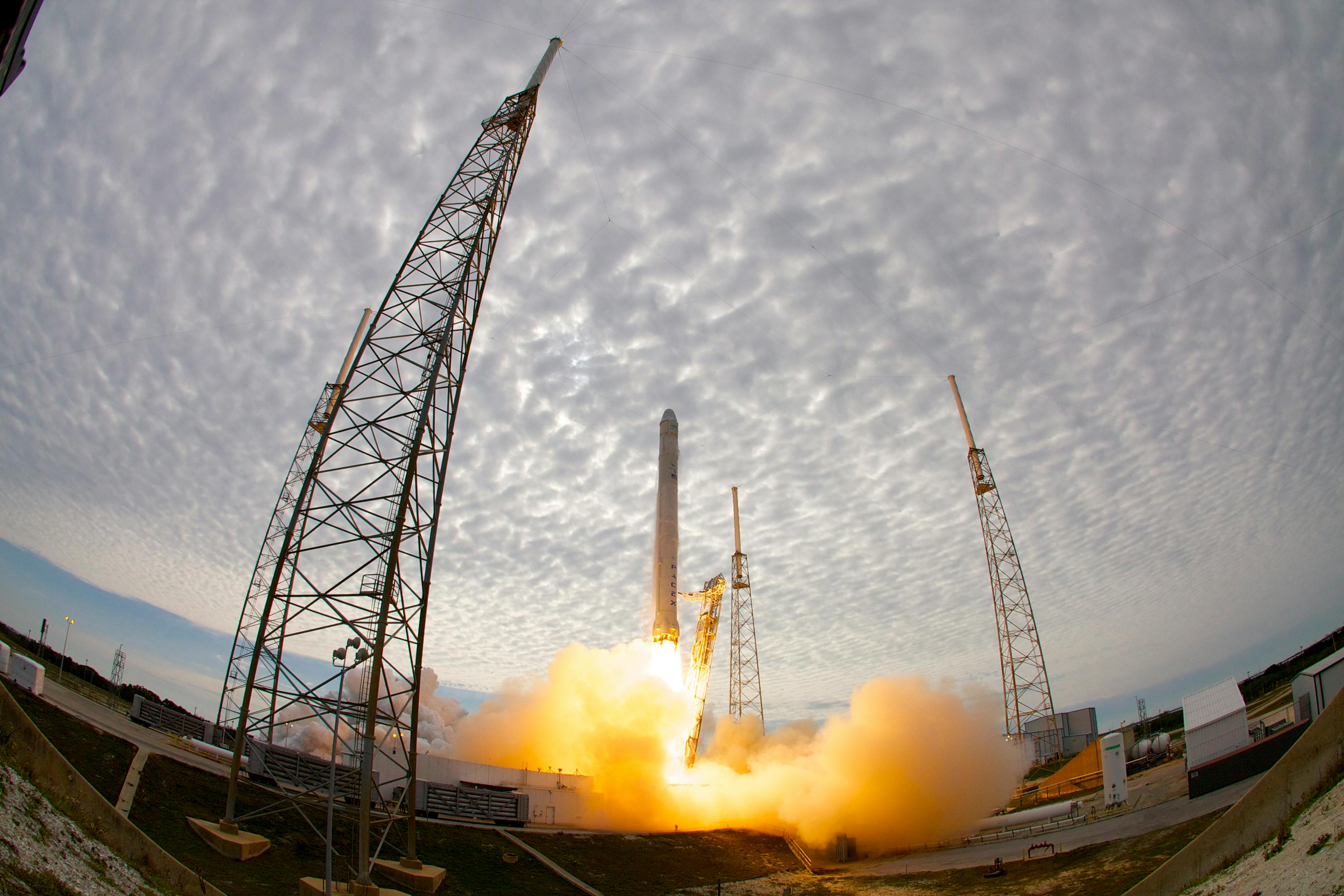
SpaceX's first Starship V3 launches May 20 on Flight 12, as Starlink's 10,354 active sats force a historic carrier alliance.

Forty-one years ago, astronaut Bruce McCandless II became the first human to float completely free in space, pushing the boundaries of both technology and human courage
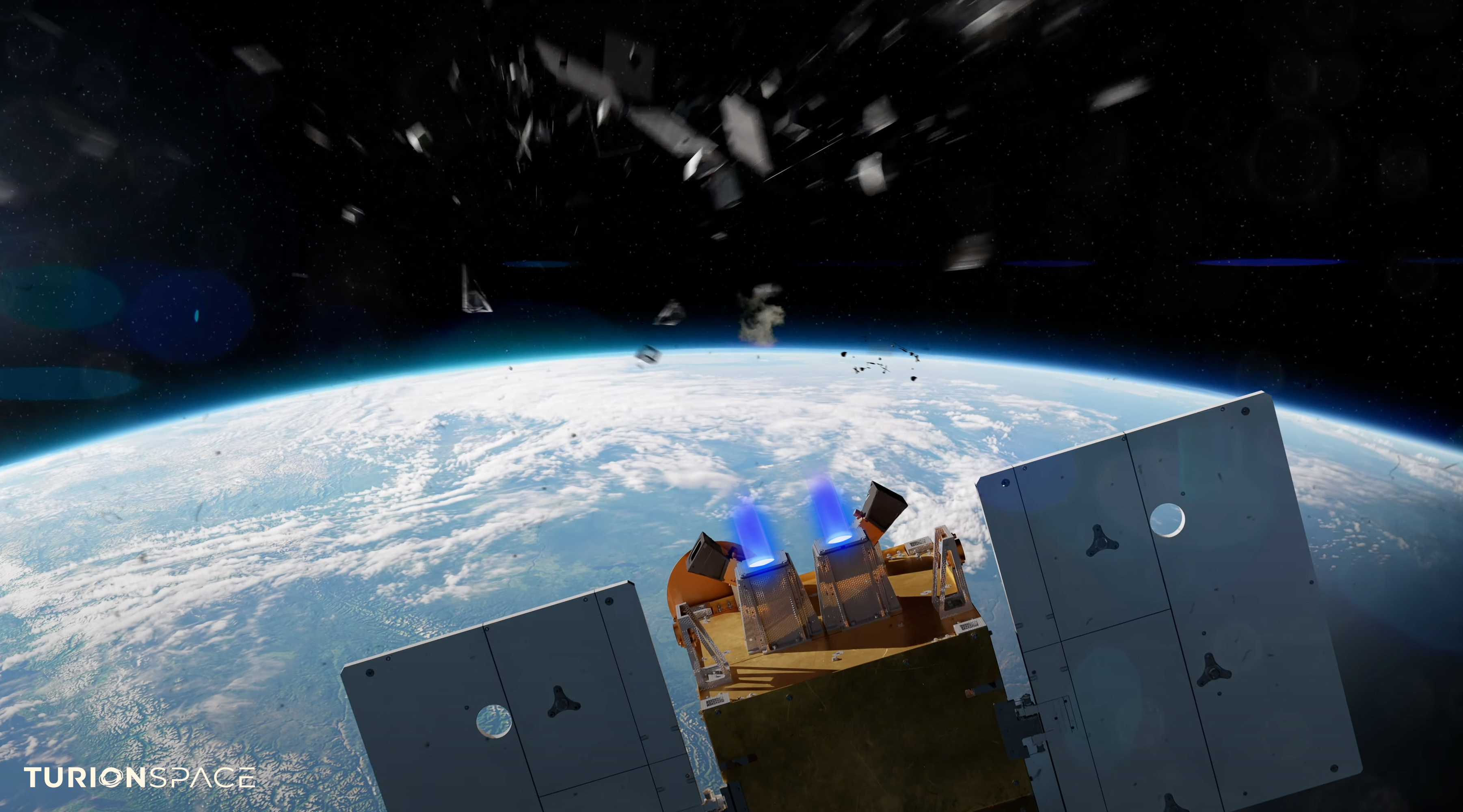
A 90-kilogram spacecraft with iodine thrusters and two Australian-built cameras is quietly building the case that tracking space debris is a business worth billions - and that a four-year-old startup from Irvine can own it.
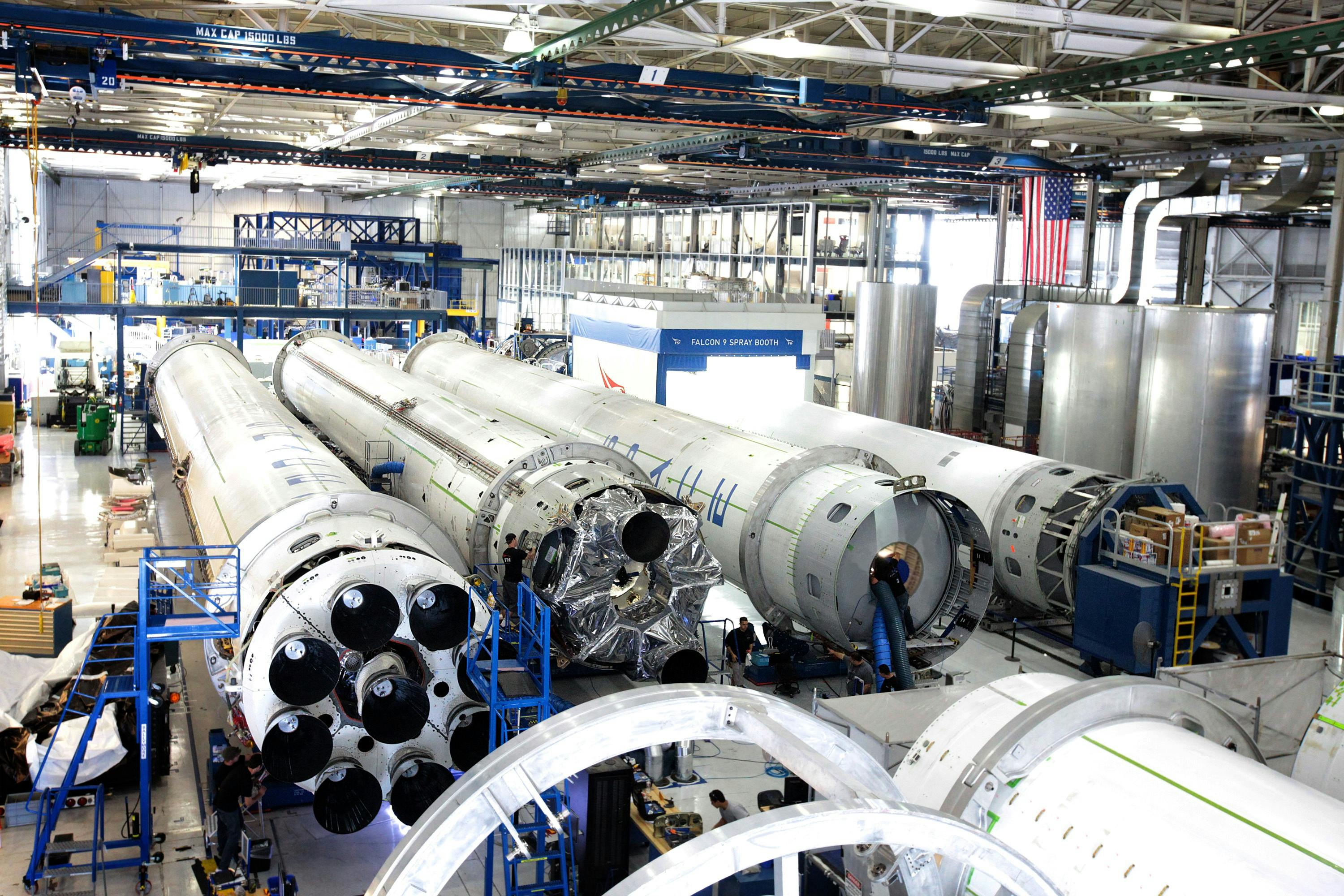
SpaceX gears up for the Transporter 14 rideshare mission, while recent Starship setbacks have not deterred plans for Falcon 9 launches.
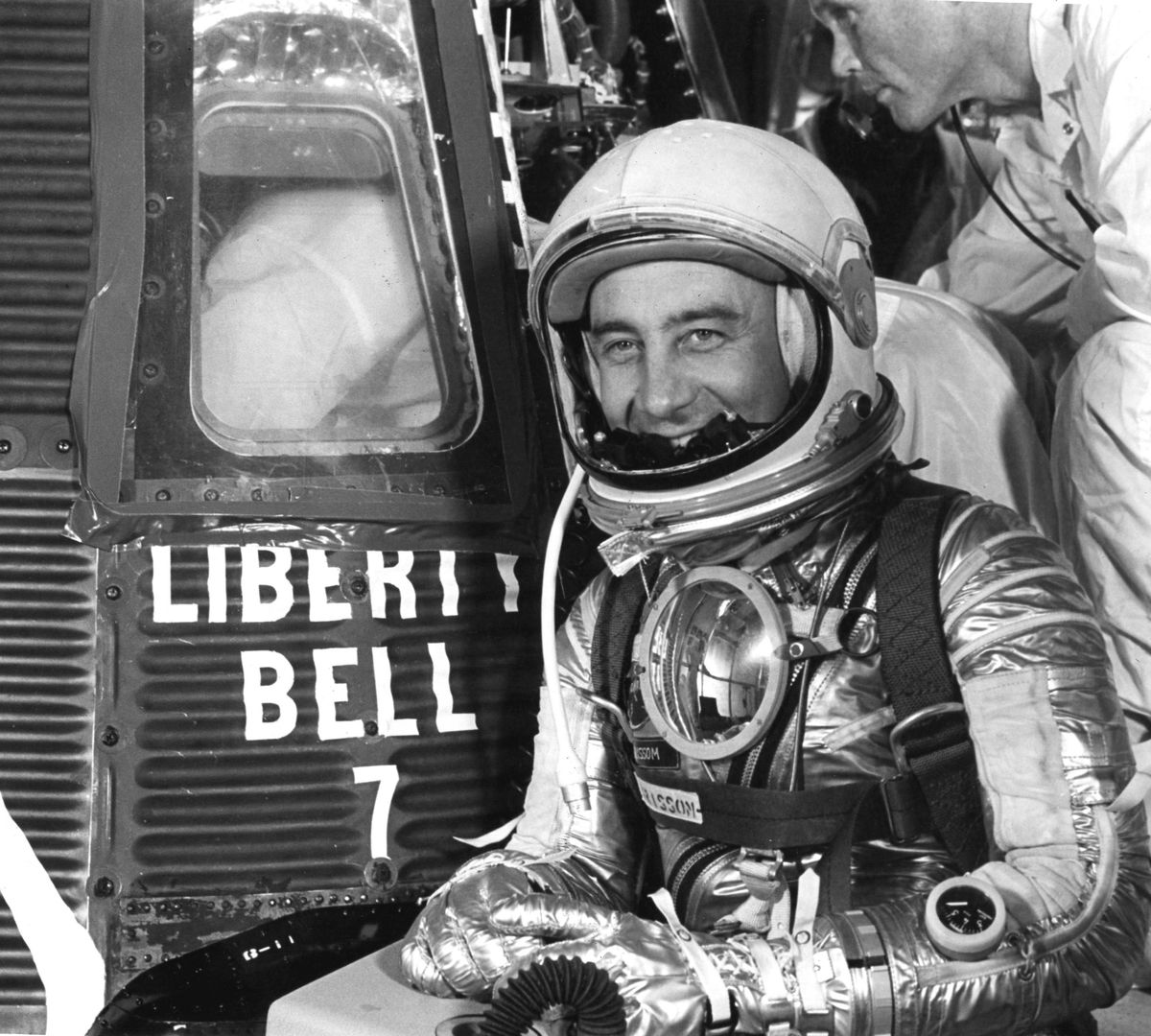
Sixty-four years ago, NASA made a decision that would shape the future of human spaceflight by selecting three astronauts to compete for America's first journey into space

Today's briefing covers the U.S. Space Force's substantial investments in commercial satellite services, a strategic military shift, Chinese space station upgrades, and NASA's policy changes.