

SpaceX Hits 50 Launches, Falcon Heavy Scrub, X Report 28 Apr 2026
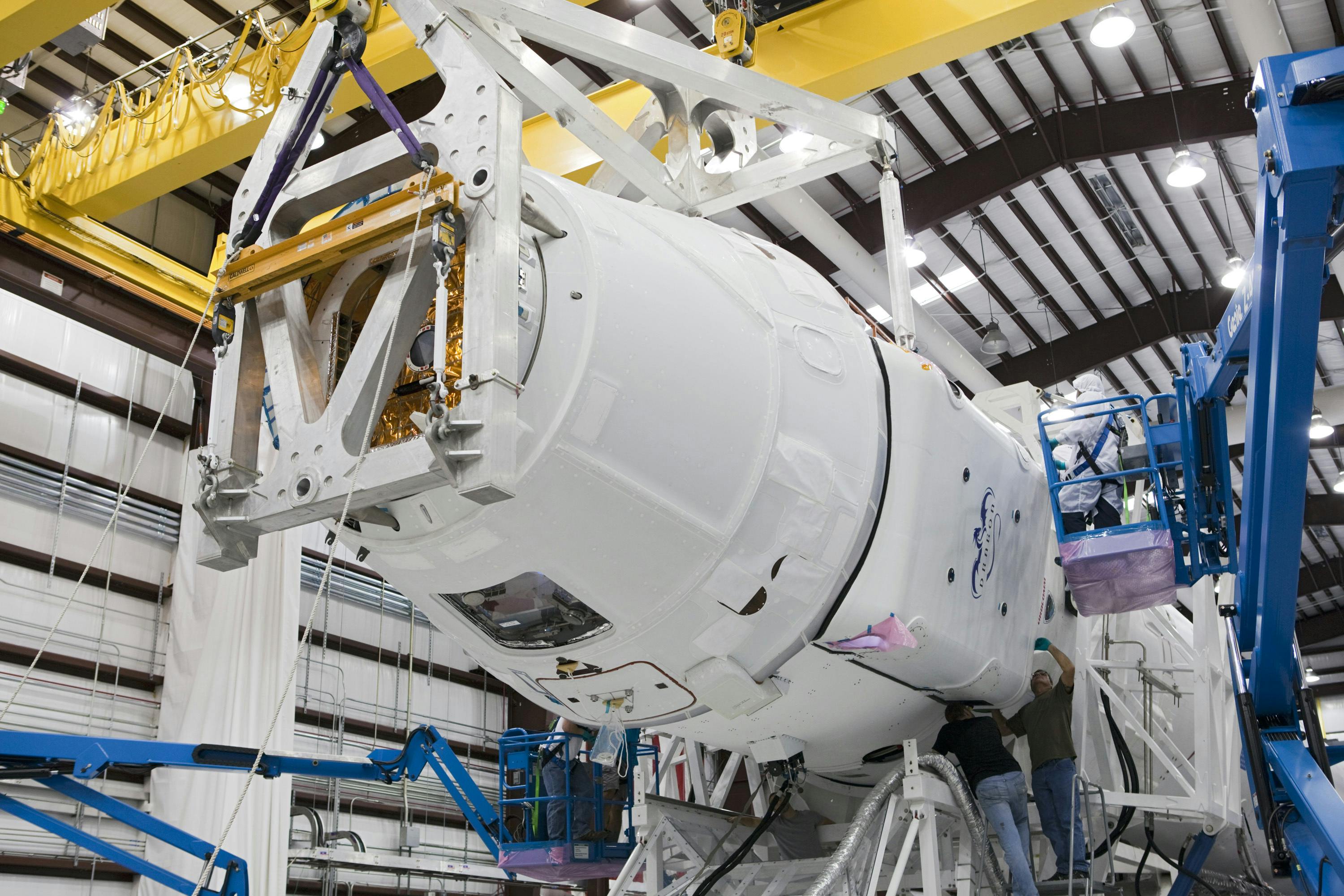
SpaceX hit 50 launches in 2026 on April 26. Falcon Heavy's ViaSat-3 mission, only its 12th flight, scrubbed on weather at Kennedy; new date pending.



Launch Date
December 1, 1980
Launch Site
PLMSC
Launch Pad
LC43/3
Launch Vehicle
Soyuz-U
NORAD ID
12096
International Designator
1980-096D
Decay Date
3/15/1981
Name
COSMOS 1224 DEB
Alternative Name
Blenda
Type
Status
Owner
GUKOSR
Country
USSR
Constellation
N/A
Related Satellites
Major Events
N/A
Length
1
Diameter
0.4
Span
1
Dry Mass
20
Launch Mass
20
Shape
Box
Radar Cross Section
0.31
Visual Magnitude
Unknown
Color
Unknown
Material Composition
Unknown
Payload
Sunshade
Purpose
Unknown
Mission
Unknown
Manufacturer
TSSKB
Life Expectancy
Unknown
Bus
Zenit BZA
Configuration
Unknown
Motor
Unknown
Equipment
Unknown
Power System
Unknown
ADCS
Unknown
Transmitter Frequency
Unknown
Learn more about satellites and other related topics.
SpaceX hit 50 launches in 2026 on April 26. Falcon Heavy's ViaSat-3 mission, only its 12th flight, scrubbed on weather at Kennedy; new date pending.
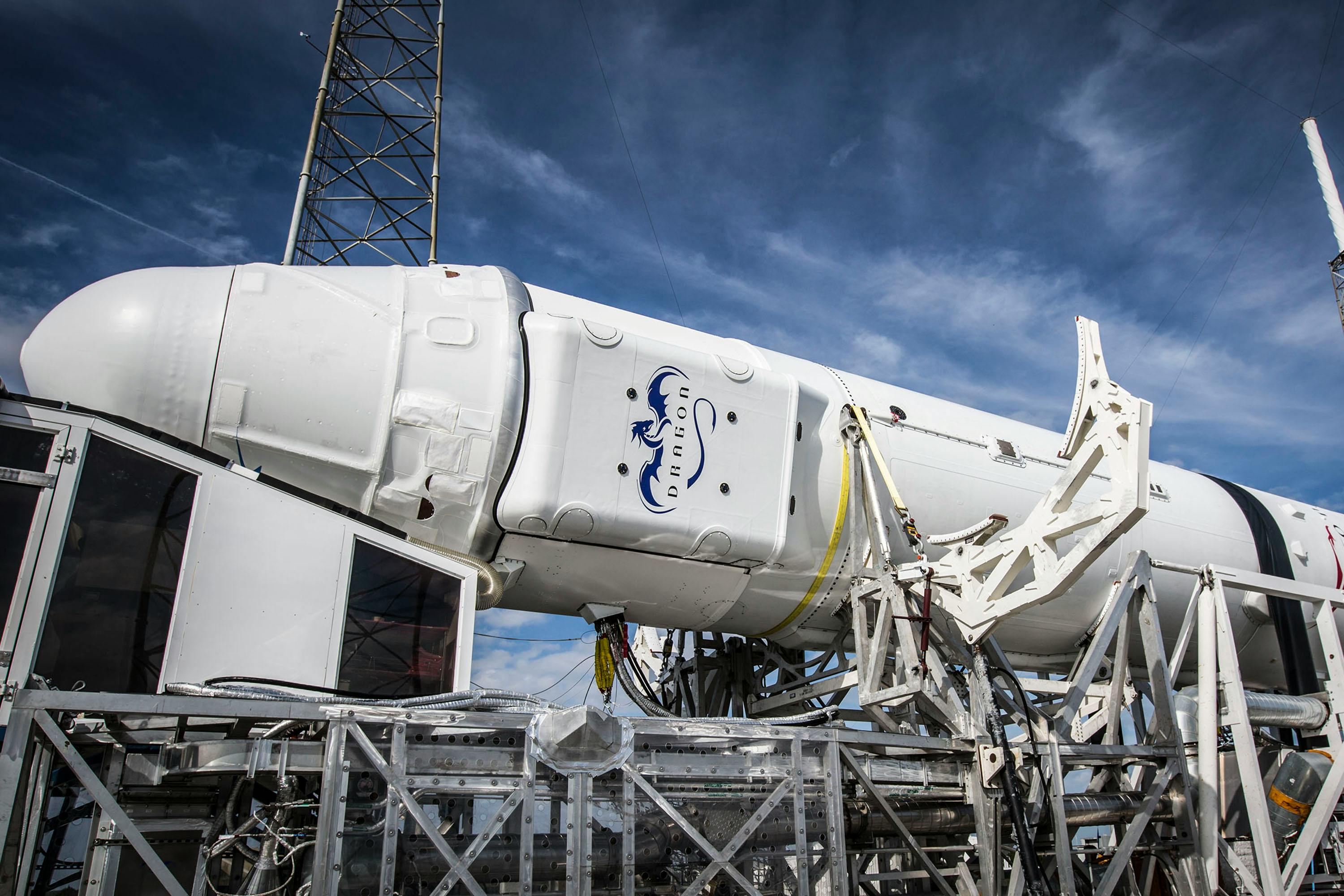
Today's brief highlights the need for better space debris management, multiple SpaceX Starlink launches, and NASA's upcoming lunar cargo delivery plans.

NRO expands commercial imaging with HEO, SatVu, and Sierra Nevada. ChatGPT rolls out to 3 million military users via GenAI.mil. C-130J deliveries paused.

SpaceX successfully launched the U.S. Space Force's eighth X-37B spaceplane mission while preparing for an upcoming Starship launch. Meanwhile, the company continues to expand its Starlink satellite constellation.

FCC approves 7,500 additional Starlink Gen2 satellites. Space Force awards SpaceX $739M for nine national security launches. NASA plans Crew-11 medical evacuation from ISS on January 14.
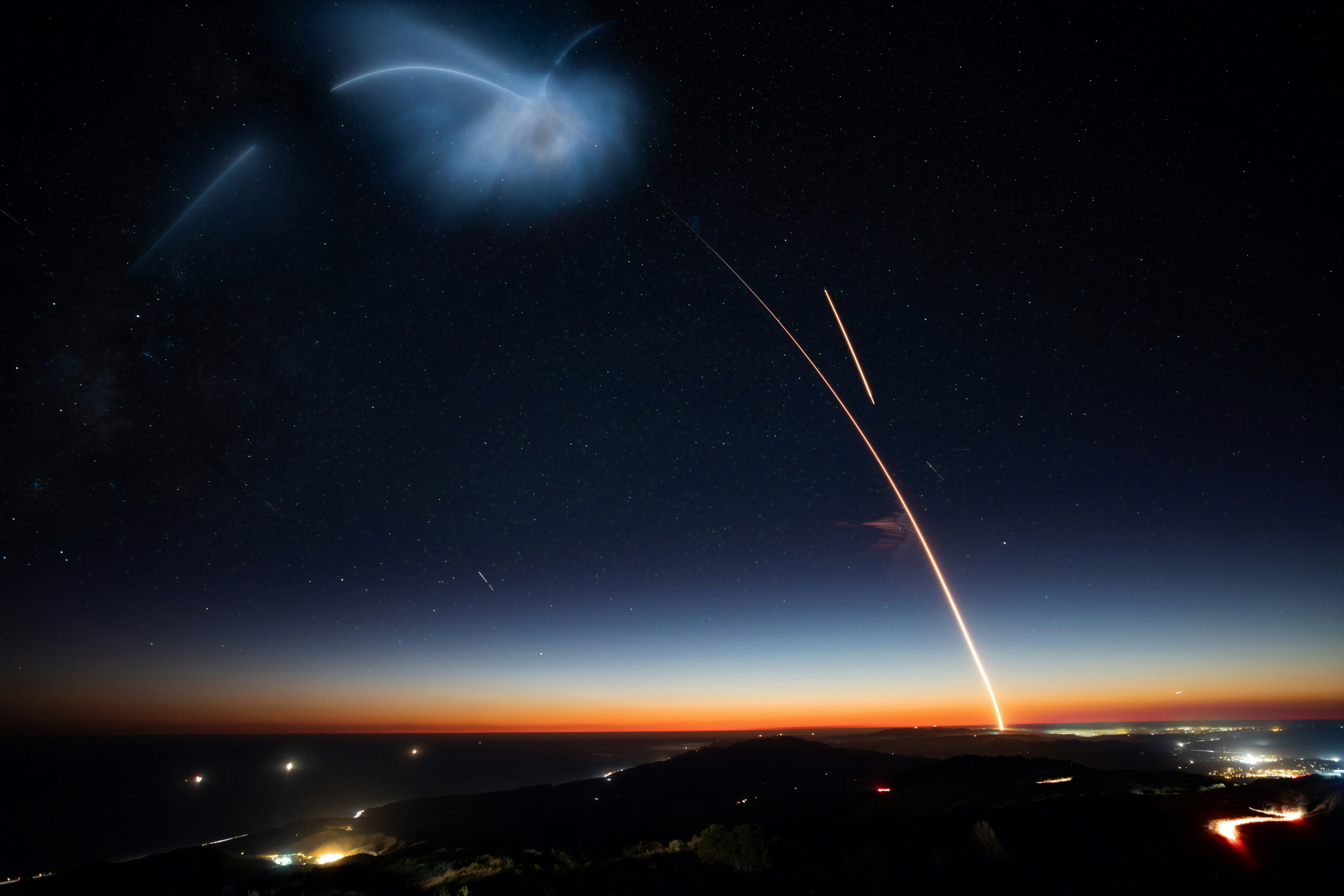
Tesla's Cybertruck fleet integrates with SpaceX operations at Starbase, showcasing synergy between Musk's companies.
SpaceX successfully launched the Sentinel-6B satellite, marking a significant milestone as its 500th mission with a reused rocket, furthering global sea level monitoring efforts.

What happens when space objects come home: the fiery physics of returning from orbit and why predicting where debris lands is so difficult