


Space Brief 16 Aug 2025
Today's brief covers ULA's new mission for the US Space Force, China's moon rocket test, delays in the DARC radar system, and SpaceX's Starlink launches.



Launch Date
November 12, 1980
Launch Site
PLMSC
Launch Pad
LC41/1
Launch Vehicle
Soyuz-U
NORAD ID
12076
International Designator
1980-090D
Decay Date
1/3/1981
Name
COSMOS 1221 DEB
Alternative Name
Blenda
Type
Status
Owner
GUKOSR
Country
USSR
Constellation
N/A
Related Satellites
Major Events
N/A
Length
1
Diameter
0.4
Span
1
Dry Mass
20
Launch Mass
20
Shape
Box
Radar Cross Section
0.31
Visual Magnitude
Unknown
Color
Unknown
Material Composition
Unknown
Payload
Sunshade
Purpose
Unknown
Mission
Unknown
Manufacturer
TSSKB
Life Expectancy
Unknown
Bus
Zenit BZA
Configuration
Unknown
Motor
Unknown
Equipment
Unknown
Power System
Unknown
ADCS
Unknown
Transmitter Frequency
Unknown
Learn more about satellites and other related topics.
Today's brief covers ULA's new mission for the US Space Force, China's moon rocket test, delays in the DARC radar system, and SpaceX's Starlink launches.
SpaceX's 600th Falcon 9 booster landing coincides with a $175M NASA Mars contract win and the final GPS III satellite launch this week.
Kratos awarded $447 million Space Force contract for Resilient Missile Warning Tracking ground ops center in Medium Earth Orbit, shifting missile detection away from vulnerable GEO satellites.

Today's highlights include SpaceX's record-breaking launches, Japan's final H-2A launch, and significant developments in satellite data policies impacting weather forecasting.
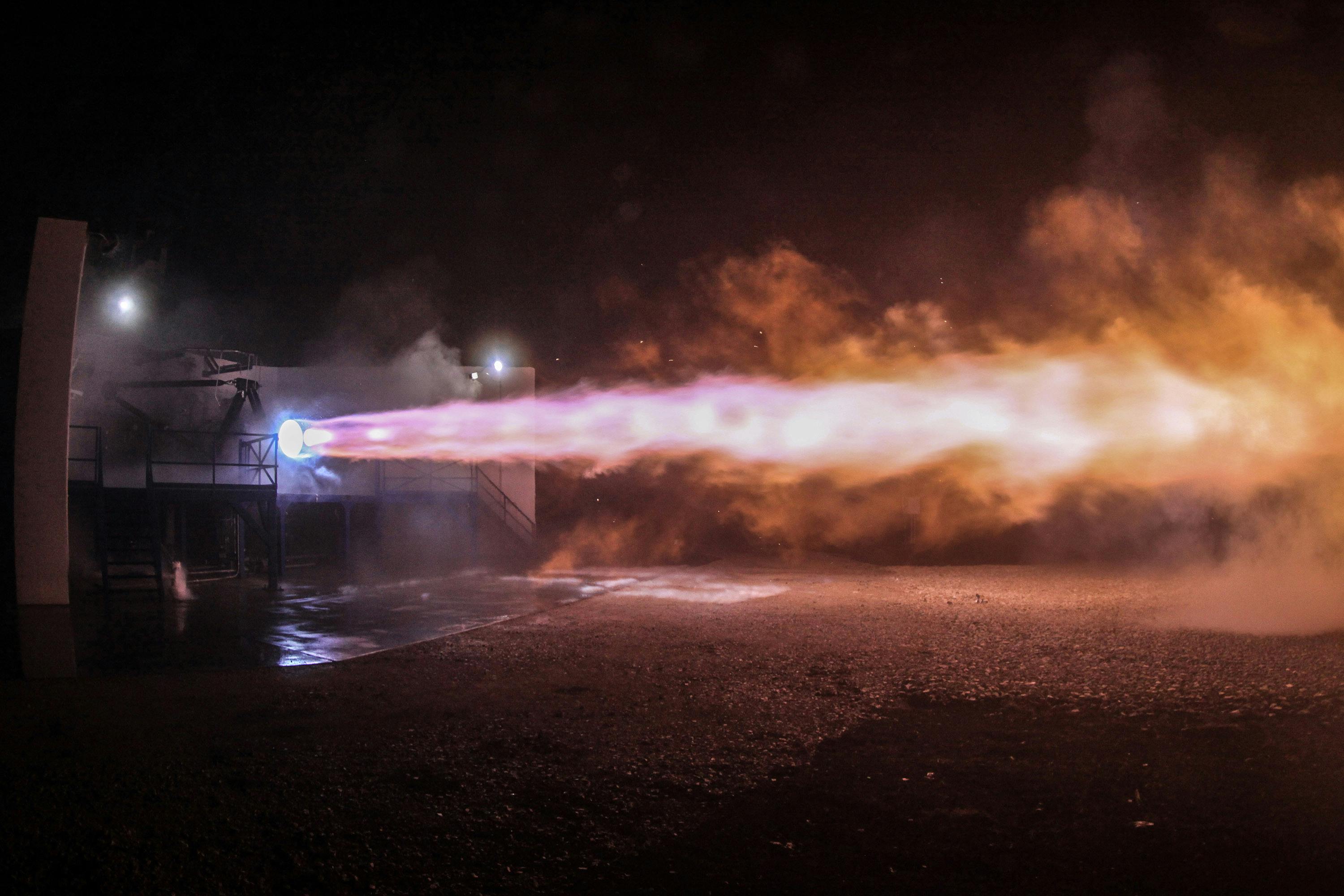
U.S. Space Force's Europe operations amidst Ukraine conflict, Maxar's new partnership, integration of military and commercial tech, and the Pentagon's new AI initiatives shape today's space discourse.
SpaceX's disk-shaped Starfall reentry vehicle debuts as the constellation hits 10,671 working satellites across low Earth orbit.
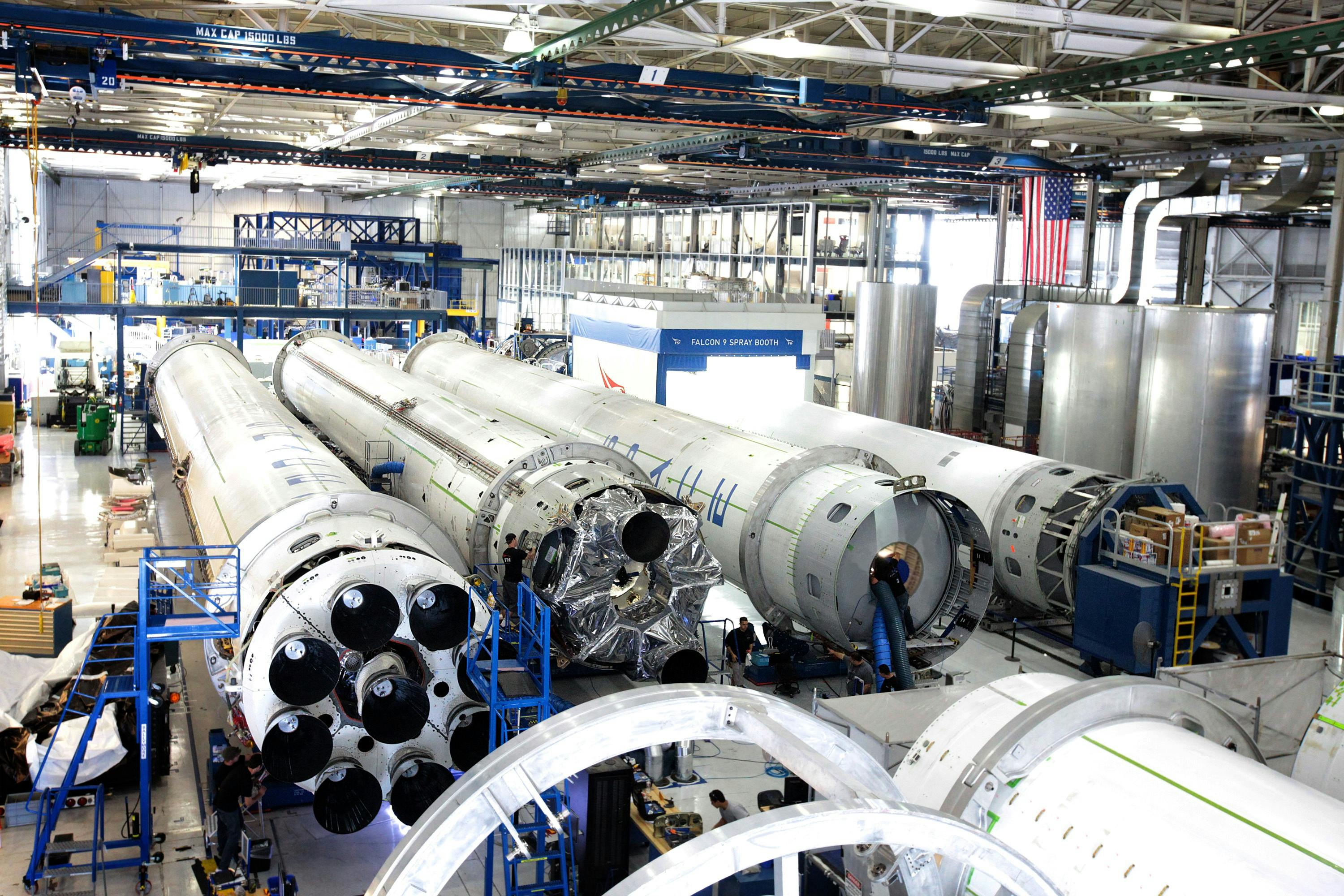
Amid multiple new launches, SpaceX marks its 300th orbital flight milestone at Cape Canaveral while pushing forward with cargo and reentry missions.
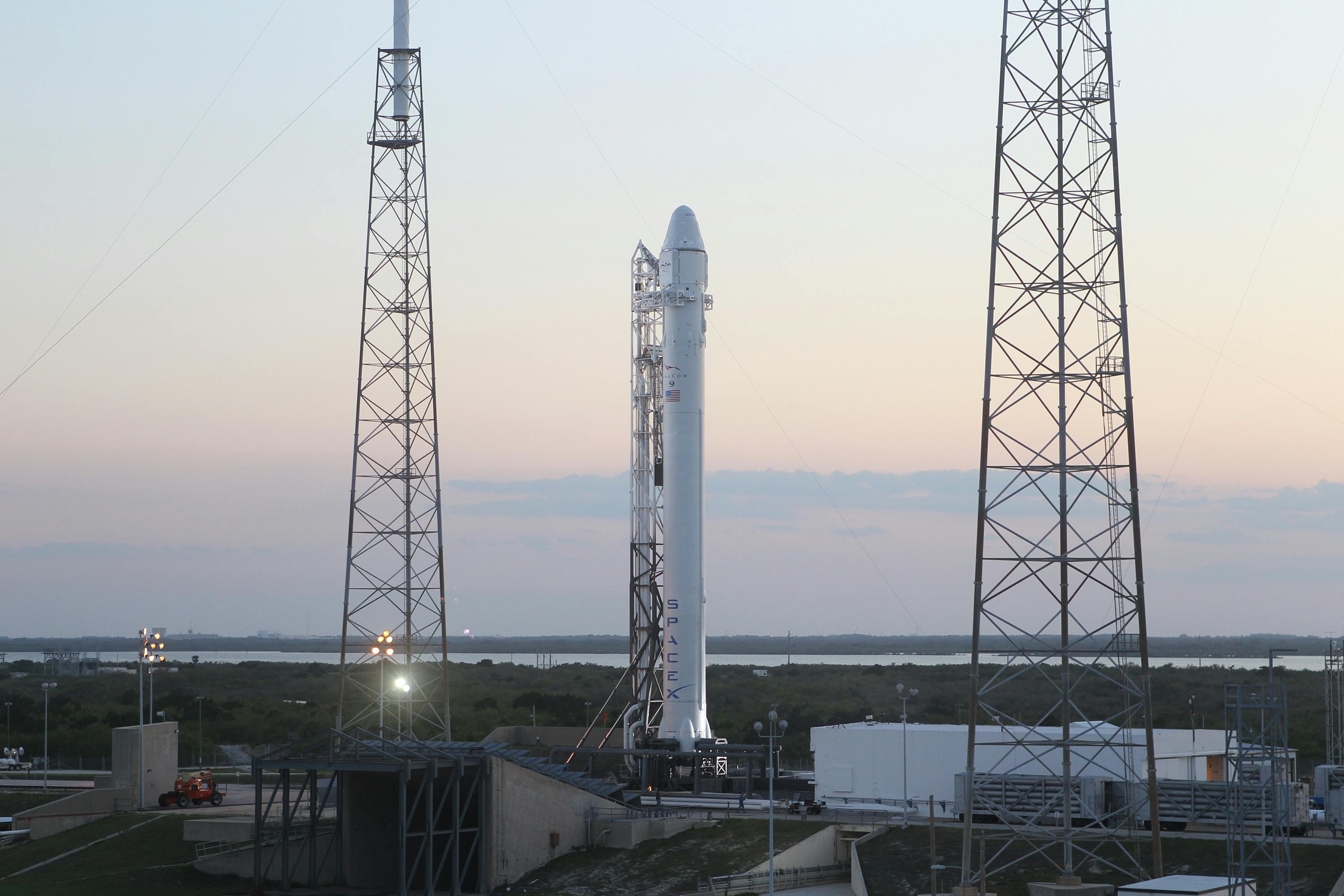
SpaceX successfully launched its 300th Starlink mission, deploying 24 new satellites to further expand its internet service coverage worldwide.