SALYUT 6 DEB (11972)

COSPAR: 1977-097CJ | Alt Name: Garbage bag
DECAYED

Image
SALYUT 6 DEB Satellite Image
Additional Sources
Launch Details

Launch Date

September 29, 1977

Launch Pad

LC31

Launch Vehicle

Soyuz-U

Orbital Elements

NORAD ID

11972

International Designator

1977-097CJ

Decay Date

11/3/1980

Basic Satellite Info

Name

SALYUT 6 DEB

Alternative Name

Garbage bag

Type

Debris

Status

Space Junk

Owner

NPOE

Country

USSR

Constellation

N/A

Related Satellites

Major Events

N/A

Summary
Space debris, also known as space junk, encompasses all non-functional objects orbiting Earth such as defunct satellites, spent rocket stages, and fragments from collisions or disintegrations. Over time, this debris can accumulate and create an increasingly hazardous environment in orbit. Even tiny fragments, traveling at extremely high velocities, can inflict significant damage on operational satellites and spacecraft. If left unmanaged, the density of debris raises the risk of catastrophic collisions and further fragmentation, compounding the problem and threatening the safety and sustainability of space activities.
Physical Characteristics

Length

0

Diameter

0

Span

0

Dry Mass

0

Launch Mass

0

Shape

N/A

Radar Cross Section

0.24

Visual Magnitude

Unknown

Color

Unknown

Material Composition

Unknown

Technical Details

Payload

Unknown

Purpose

Unknown

Mission

Unknown

Manufacturer

Unknown

Life Expectancy

Unknown

Bus

Unknown

Configuration

Unknown

Motor

Unknown

Equipment

Unknown

Power System

Unknown

ADCS

Unknown

Transmitter Frequency

Unknown

Satellite Articles

View All Posts »

Learn more about satellites and other related topics.

NASA Postpones Spacewalk Over Medical Concern, Sierra Space Delivers SDA Satellites Early | KeepTrack Space Brief

NASA Postpones Spacewalk Over Medical Concern, Sierra Space Delivers SDA Satellites Early | KeepTrack Space Brief

NASA delays first 2026 spacewalk due to ISS crew medical issue. Sierra Space completes SDA Tranche 2 satellite structures ahead of schedule. Space Force advances Handle 2.0 standardization.

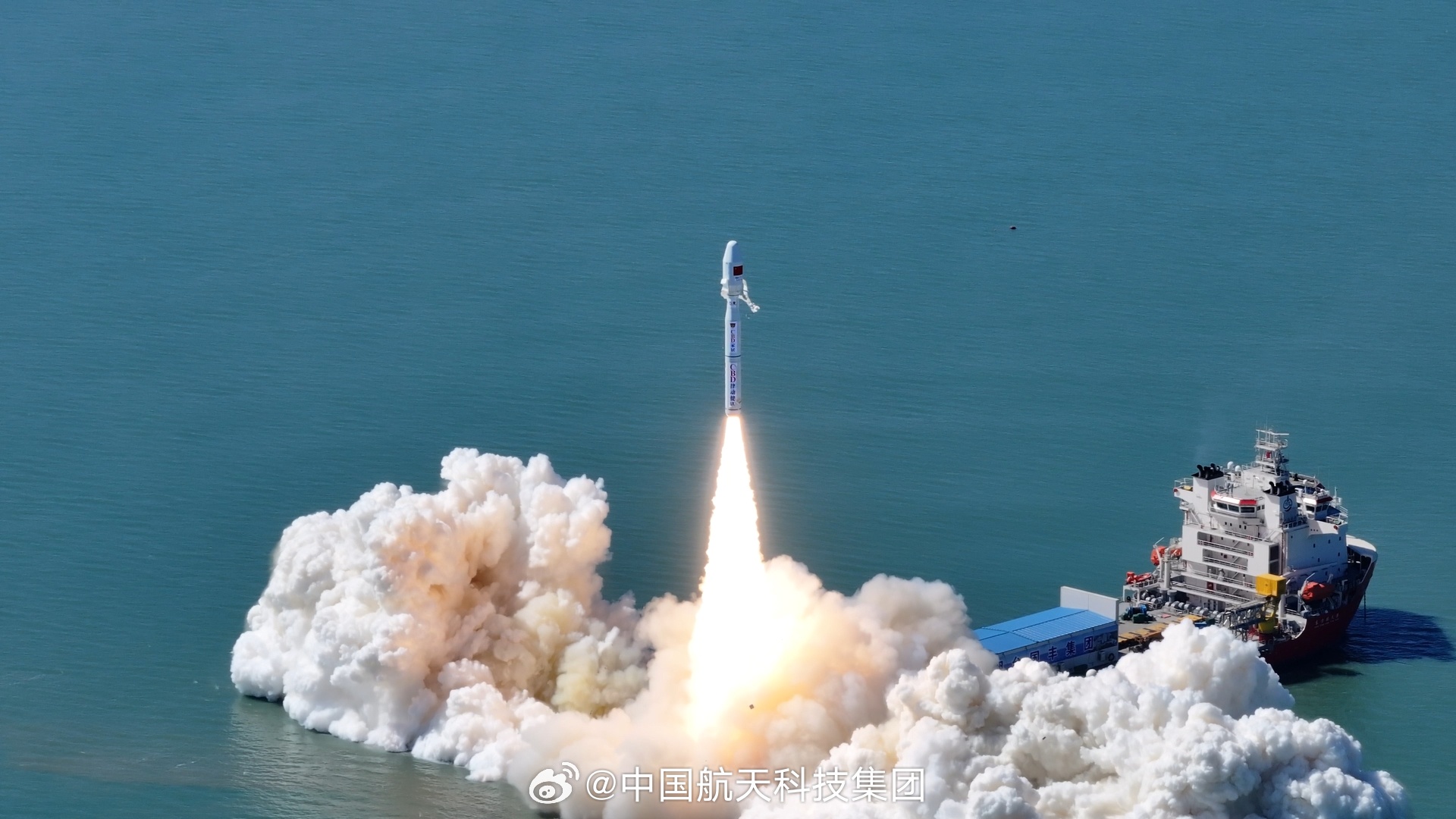
China's Long March 10C Nails First Booster Recovery | KeepTrack Space Brief

China's Long March 10C Nails First Booster Recovery | KeepTrack Space Brief

China successfully recovered a Long March 10C first stage booster, positioning the methalox rocket as its primary commercial launcher. Reusable boosters reshape Beijing's LEO constellation strategy.

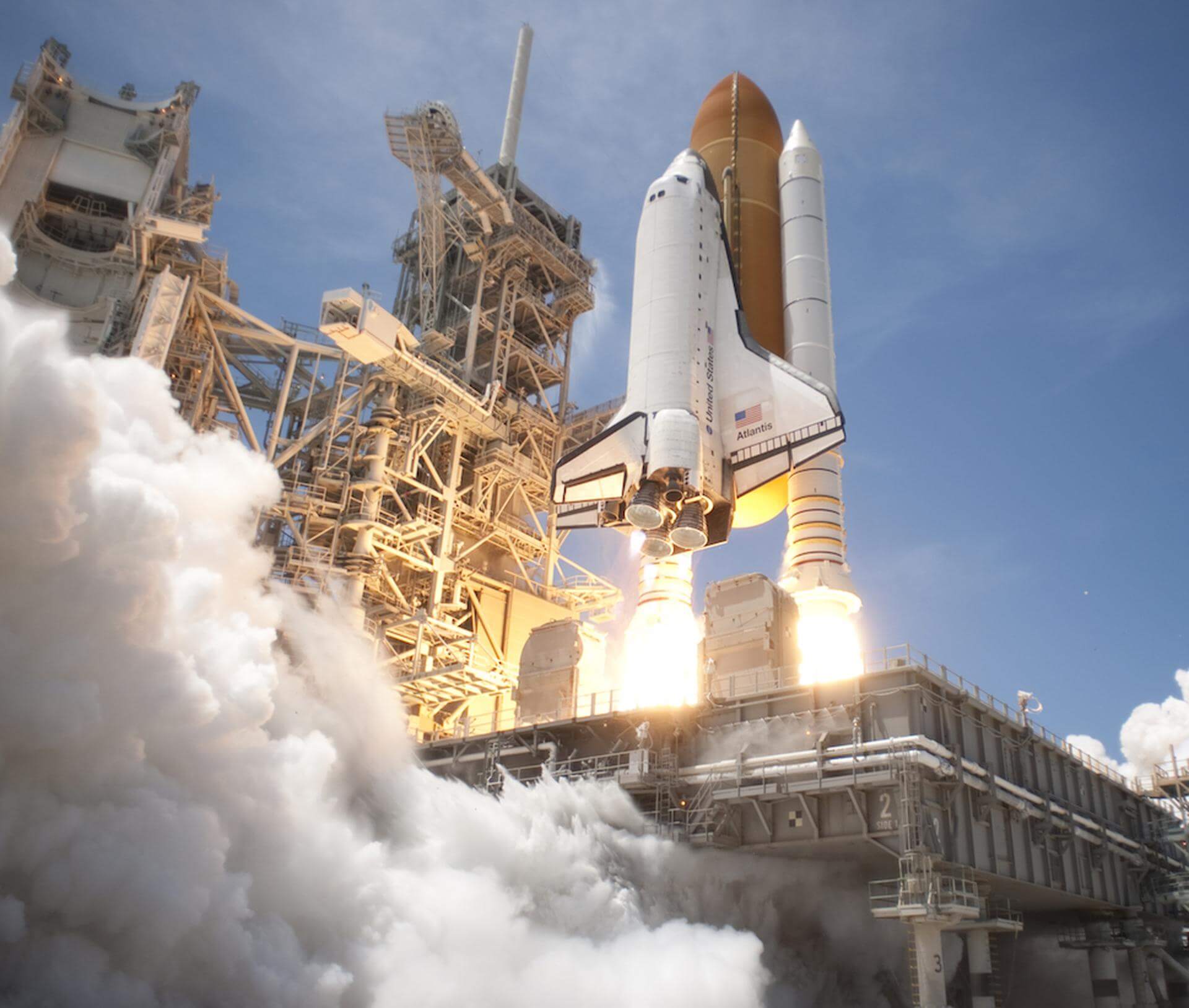
STS-30 | When Atlantis Sent a Radar to Venus

STS-30 | When Atlantis Sent a Radar to Venus

On May 4, 1989, Space Shuttle Atlantis lifted off from LC-39B carrying Magellan, NASA's first interplanetary mission since 1978. The eleven-year drought ended in a payload bay, and the radar that emerged would map ninety-eight percent of Venus through clouds that no camera could ever see through.

SpaceX Wins $178.5M Space Force Contract, X Report 3 Apr 2026

SpaceX Wins $178.5M Space Force Contract, X Report 3 Apr 2026

SpaceX secured a $178.5M Space Force contract to launch missile-tracking satellites from 2027, backing the Missile Track Custody threat-tracking layer.

Space Brief 31 Dec 2024

Space Brief 31 Dec 2024

Today's Space Brief highlights the latest developments in China's megaconstellation funding, Russia's nuclear posturing in Europe, and other significant military activities.

Sandhoo Takes Dual SDA Director, Missile Warning Role | KeepTrack Space Brief

Sandhoo Takes Dual SDA Director, Missile Warning Role | KeepTrack Space Brief

Brig. Gen. Gursharan Sandhoo double-hatted as SDA director and Space Force missile warning PAE head as Pentagon consolidates LEO satellite programs under new acquisition structure.

X Report 16 May 2025

X Report 16 May 2025

Today's brief highlights the launch of United Airlines' Starlink Wi-Fi on passenger flights, updates on Starship development, and SpaceX's push to position Starlink as a GPS alternative in recent FCC discussions.

Space Brief 1 Nov 2024

Space Brief 1 Nov 2024

Today's update highlights Boeing's challenges with the Starliner, Europe's IRIS2 constellation advancement, China's CAS Space's global ambitions, and vivid new telescope images of cosmic events.