

New Glenn Upper Stage Fails, BlueBird 7 Lost, Space Brief 20 Apr 2026
New Glenn's upper stage malfunctioned April 19, stranding AST SpaceMobile's BlueBird 7; the satellite is lost. Vulcan may fly without solid boosters.


Launch Date
March 27, 1980
Launch Site
Launch Pad
LC31
Launch Vehicle
Soyuz-U
NORAD ID
11743
International Designator
1980-024A
Decay Date
4/26/1980
Name
PROGRESS 8
Alternative Name
Progress-8
Type
Status
Owner
NPOE
Country
USSR
Constellation
N/A
Related Satellites
Major Events
N/A
Length
7.9
Diameter
2.7
Span
7.9
Dry Mass
4800
Launch Mass
7250
Shape
Sphere + Cone + Cyl + Pan
Radar Cross Section
Unknown
Visual Magnitude
Unknown
Color
Unknown
Material Composition
Unknown
Payload
Progress 7K-TG No. 108
Purpose
Unknown
Mission
Unknown
Manufacturer
NPOE
Life Expectancy
Unknown
Bus
7K-TG
Configuration
Unknown
Motor
Unknown
Equipment
Unknown
Power System
Unknown
ADCS
Unknown
Transmitter Frequency
Unknown
Learn more about satellites and other related topics.
New Glenn's upper stage malfunctioned April 19, stranding AST SpaceMobile's BlueBird 7; the satellite is lost. Vulcan may fly without solid boosters.

Space Force issues call for launch providers at Cape Canaveral and Vandenberg. Vandenberg opens Space Launch Complex 14 bidding with Feb 12 deadline. Electra pitches hybrid aircraft to Pentagon.

Starbase Pad 2 passes water-cooled deck test ahead of Booster 19. Starlink restrictions disrupt Russian battlefield communications. California city weighs banning Musk companies.
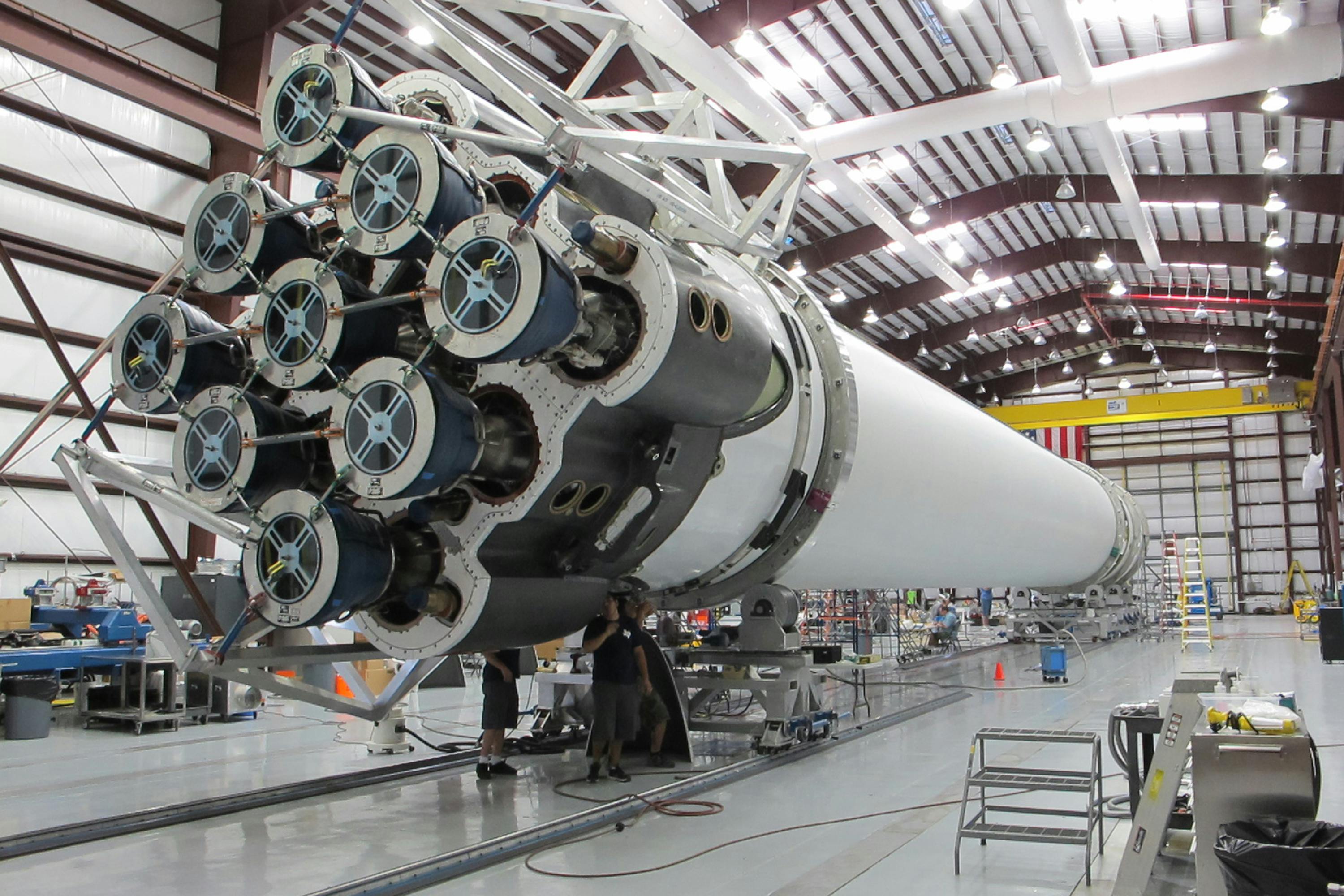
SpaceX makes strides with United States national security satellites, securing substantial spectrum for Starlink's direct-to-cell services, and preparing for future Starship developments.

On May 4, 1989, Space Shuttle Atlantis lifted off from LC-39B carrying Magellan, NASA's first interplanetary mission since 1978. The eleven-year drought ended in a payload bay, and the radar that emerged would map ninety-eight percent of Venus through clouds that no camera could ever see through.
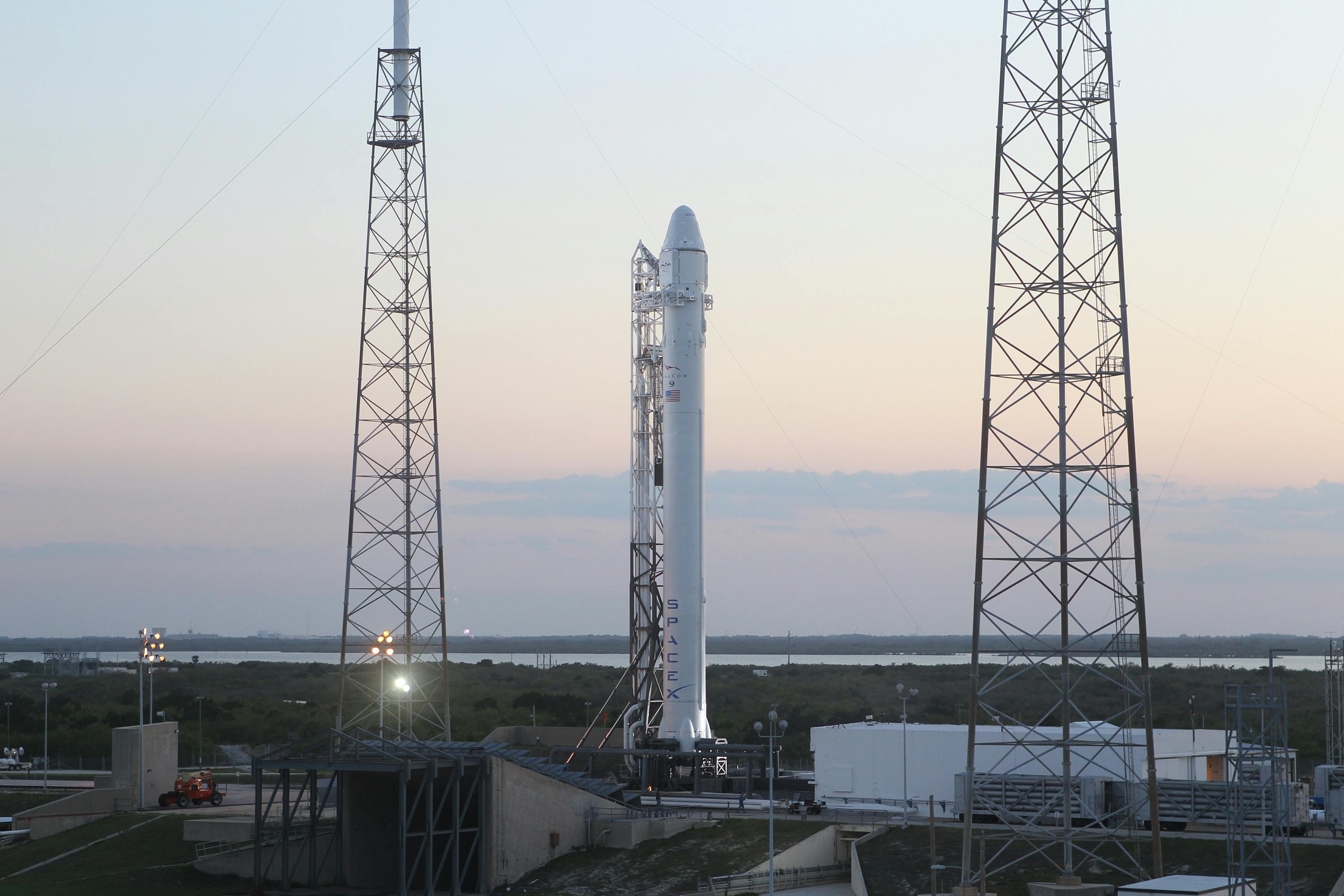
SpaceX successfully launched its 300th Starlink mission, deploying 24 new satellites to further expand its internet service coverage worldwide.

The compact data format that describes every tracked satellite orbit in just two lines of text, and how to read it

China successfully recovered a Long March 10C first stage booster, positioning the methalox rocket as its primary commercial launcher. Reusable boosters reshape Beijing's LEO constellation strategy.