



Space Brief 20 Nov 2025
Today's briefing covers a DARPA award for Redwire's innovative satellite project, Ursa Major's expansion in defense engines, a Rocket Lab military test flight, and more.


Launch Date
February 9, 1980
Launch Site
AFWTR
Launch Pad
SLC3E
Launch Vehicle
Atlas F/SVS
NORAD ID
11705
International Designator
1980-011B
Epoch
Sat, 27 Jun 2026 08:08:18 GMT
Apogee
Calculating...
Perigee
Calculating...
Inclination
64.40°
Right Ascension
174.15°
Eccentricity
Calculating...
Argument of Perigee
253.74°
Period
289.35 min
Mean Motion
4.98 rev/day
Latitude
Calculating...
Longitude
Calculating...
Altitude
Calculating...
Velocity
Calculating...
Name
ATLAS 35F R/B
Alternative Name
SVS Stage 2
Type
Status
Owner
AFSD
Country
United States
Constellation
N/A
Related Satellites
Major Events
N/A
1 11705U 80011B 26178.33910407 .00000059 00000-0 00000-0 0 9999
2 11705 64.3973 174.1515 4783858 253.7393 50.1481 4.97667676839790
Source: Celestrak
Length
1.8
Diameter
0.9
Span
1.8
Dry Mass
157
Launch Mass
1197
Shape
Cyl + Cone
Radar Cross Section
1.5903
Visual Magnitude
Unknown
Color
Unknown
Material Composition
Unknown
Payload
Star 37E S/N 40073
Purpose
Unknown
Mission
Unknown
Manufacturer
THKE
Life Expectancy
Unknown
Bus
Star 37
Configuration
Unknown
Motor
Unknown
Equipment
Unknown
Power System
Unknown
ADCS
Unknown
Transmitter Frequency
Unknown
Learn more about satellites and other related topics.
Today's briefing covers a DARPA award for Redwire's innovative satellite project, Ursa Major's expansion in defense engines, a Rocket Lab military test flight, and more.
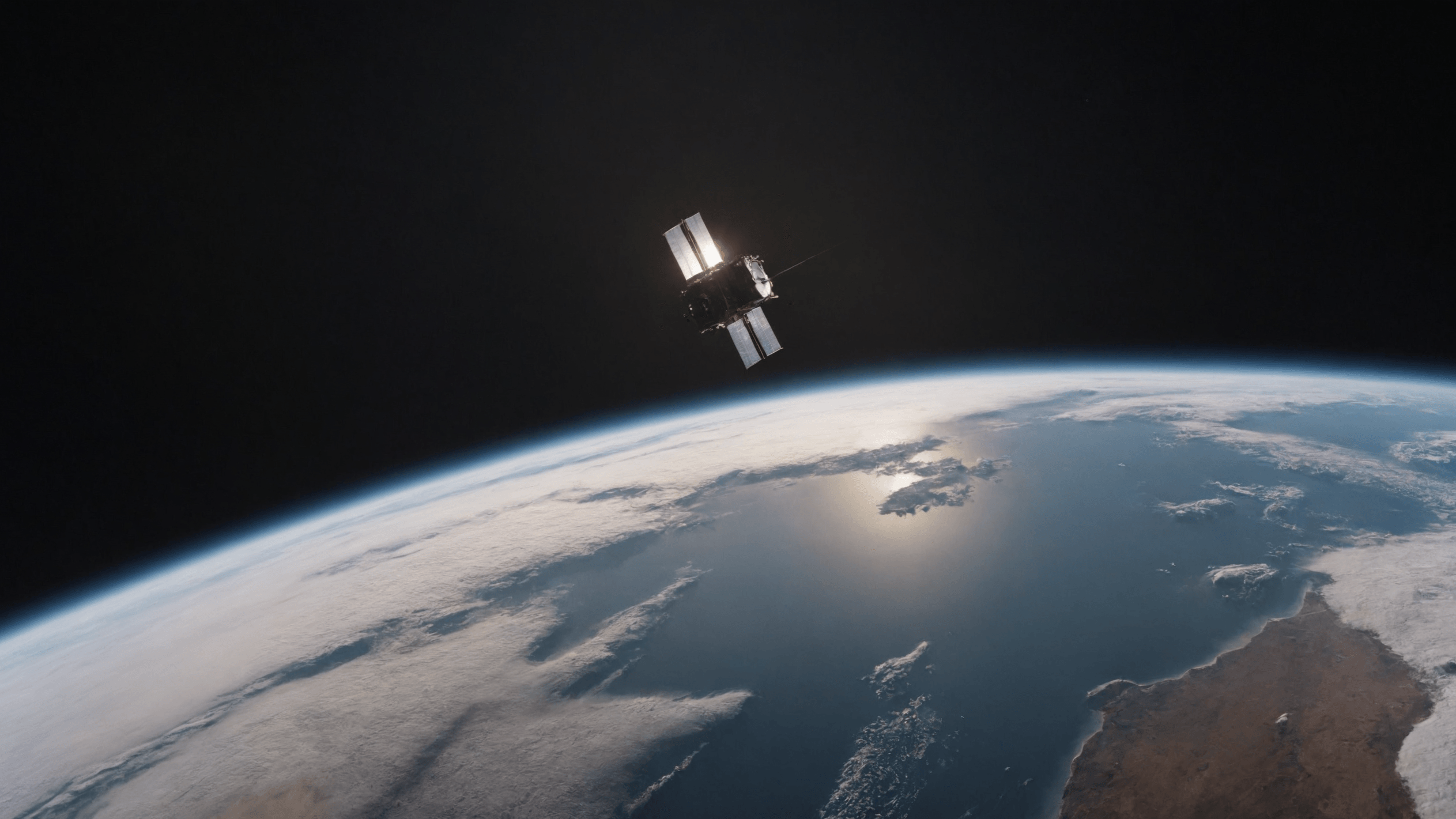
A Falcon 9 booster fails to land, increasing GPS and PNT significance for national security, and NASA's SLS mobile launch platform costs soar.

Today’s highlights include successful Falcon 9 launch for MECANO ID, ongoing Starship Block 3 development, and plans for direct-to-device testing next year.
Today's highlights include advances in space tracking technology by the US Space Force, SpaceX's infrastructure expansion, and a spectacular birthday landing on Earth. Additionally, we spotlight a significant exoplanetary discovery and satellite updates.
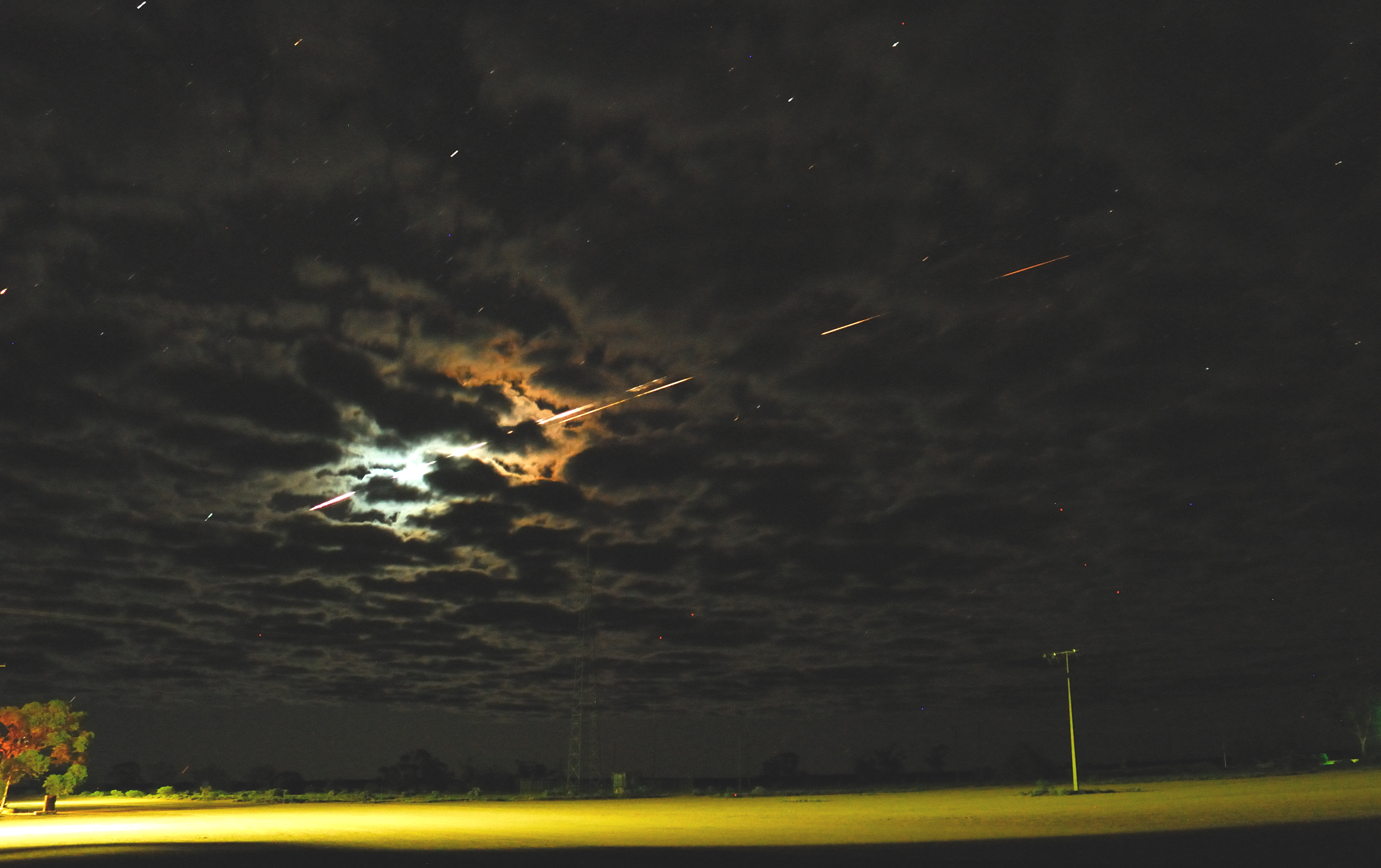
Sixteen years ago today, a fireball tore across the Australian outback. Most of it was a dying Japanese spacecraft burning up after a seven-year ordeal. The bright dot racing ahead of the wreckage was a capsule holding the first grains of an asteroid ever returned to Earth.
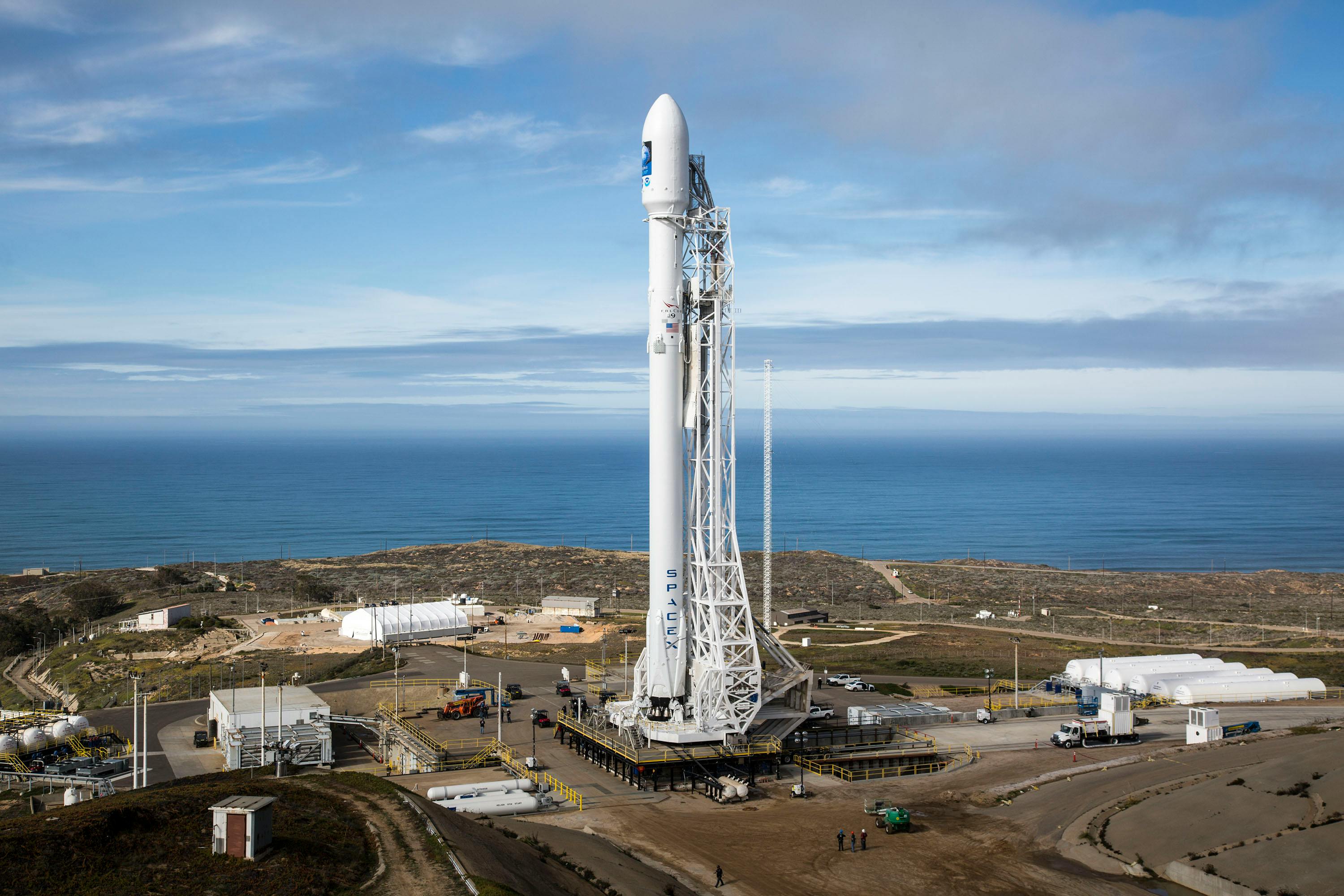
Starlink satellite count for April 2026: 10,177 in orbit, 10,168 working from 11,724 launched. No new anomalies, four reentries expected Apr 5-7.
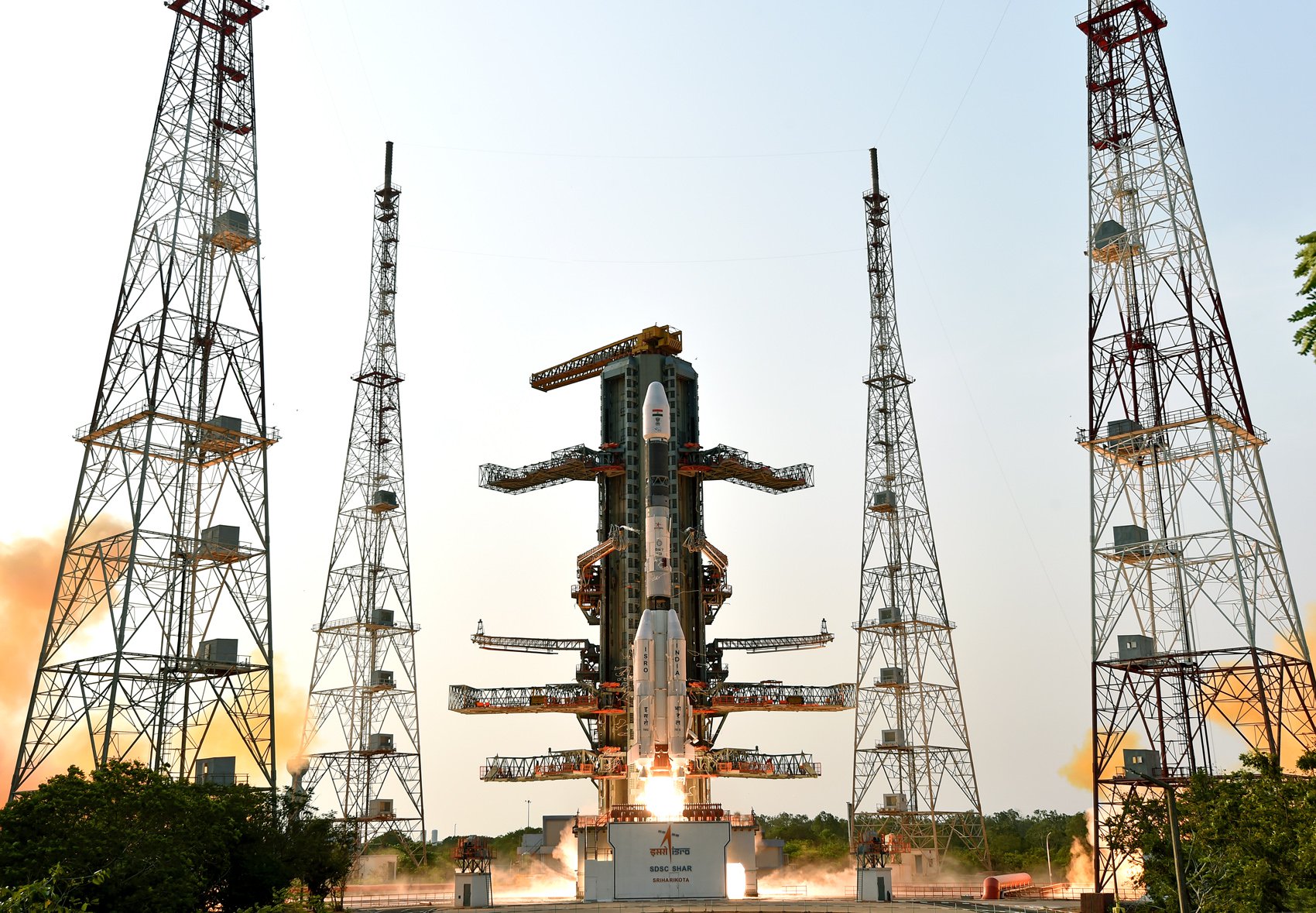
Today's highlights include China's remote-sensing satellite launch, U.S. Space Force's investment in missile-tracking satellites, and NASA's MAVEN milestone on Mars.

Space Force projects 25 additional high-energy missions in 2027–2029 window, straining capacity at Vulcan and Falcon Heavy. Capacity constraints will drive military-NASA prioritization debates.