

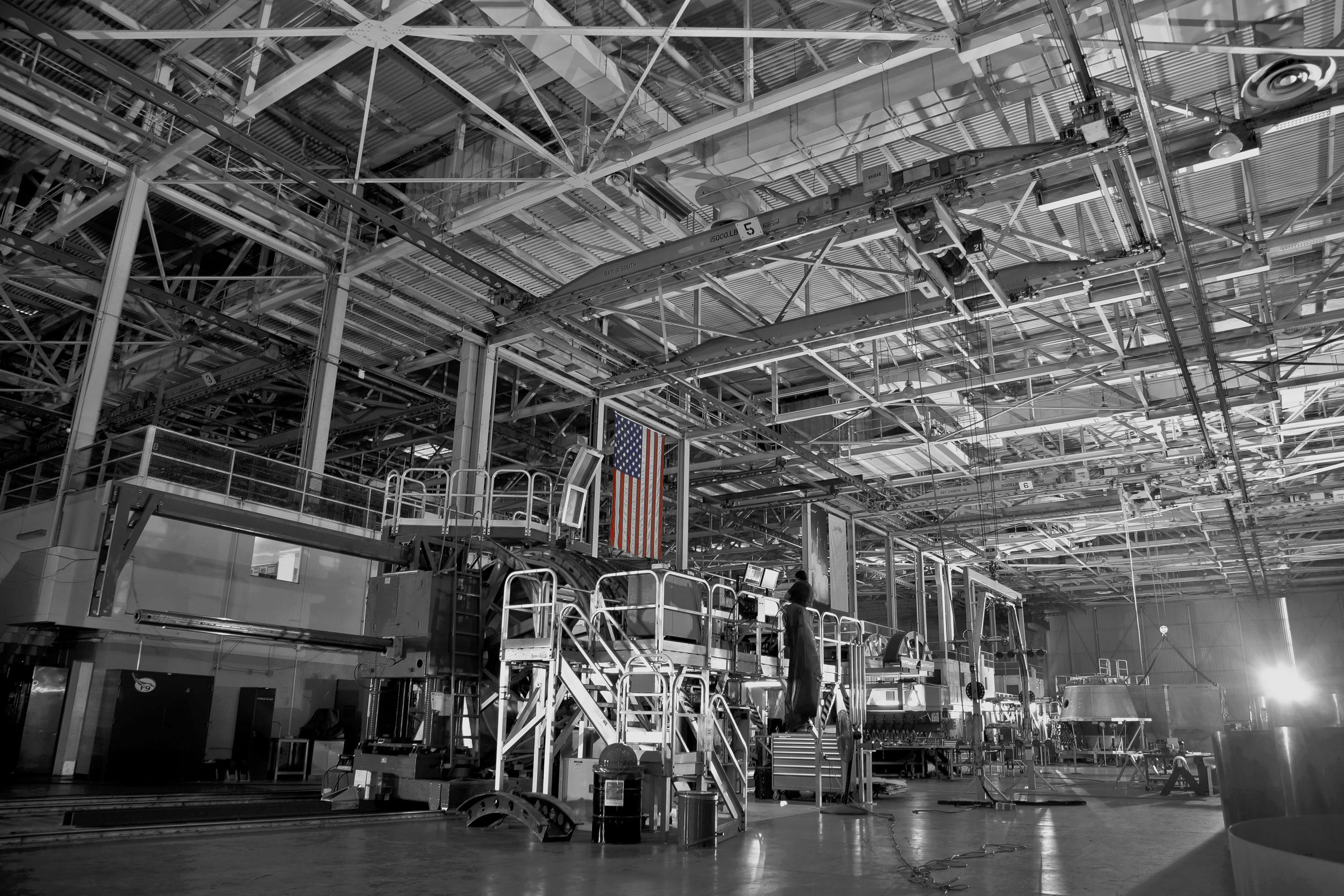
X Report 11 Sep 2025
SpaceX successfully launched 21 military satellites, marking a key achievement in national security efforts, while preparations continue for the upcoming NASA mission and insights emerge from the Starship development process.


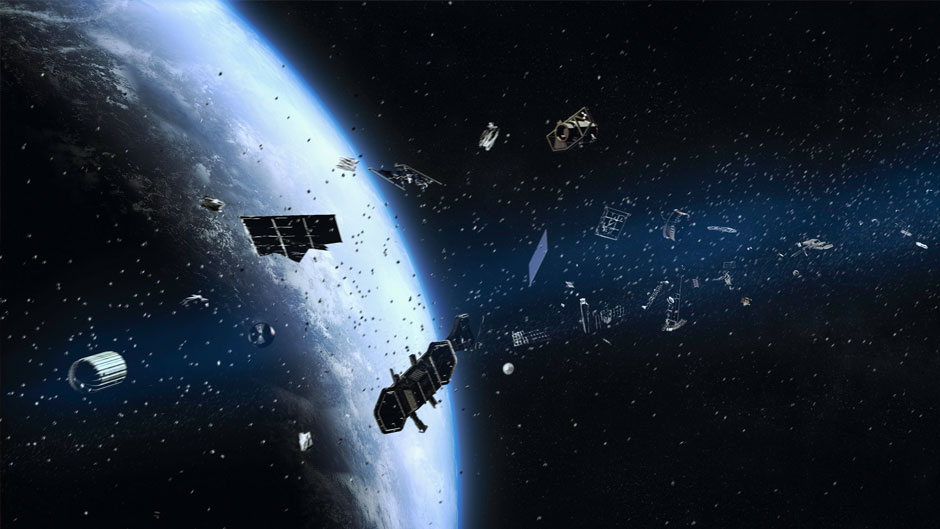
Launch Date
February 22, 1965
Launch Site
Launch Pad
Unknown
Launch Vehicle
Unknown
NORAD ID
01163
International Designator
N/A
Decay Date
3/5/1965
Name
COSMOS 57 DEB
Alternative Name
deb Kosmos-57
Type
Status
Owner
Country
USSR
Constellation
N/A
Related Satellites
Major Events
N/A
Length
0
Diameter
0
Span
0
Dry Mass
0
Launch Mass
0
Shape
N/A
Radar Cross Section
Unknown
Visual Magnitude
Unknown
Color
Unknown
Material Composition
Unknown
Payload
Unknown
Purpose
Unknown
Mission
Unknown
Manufacturer
Unknown
Life Expectancy
Unknown
Bus
Unknown
Configuration
Unknown
Motor
Unknown
Equipment
Unknown
Power System
Unknown
ADCS
Unknown
Transmitter Frequency
Unknown
Learn more about satellites and other related topics.
SpaceX successfully launched 21 military satellites, marking a key achievement in national security efforts, while preparations continue for the upcoming NASA mission and insights emerge from the Starship development process.

Lt. Gen. Doug Schiess nominated to lead Space Force, becoming the third Chief of Operations since the service's 2019 founding. Pentagon clears 8 firms for classified AI access.

Nearly €140 million in ESA launcher development funds faces forfeiture with no replacement mechanism. Europe's independent launch capacity under pressure as Arianespace struggles.
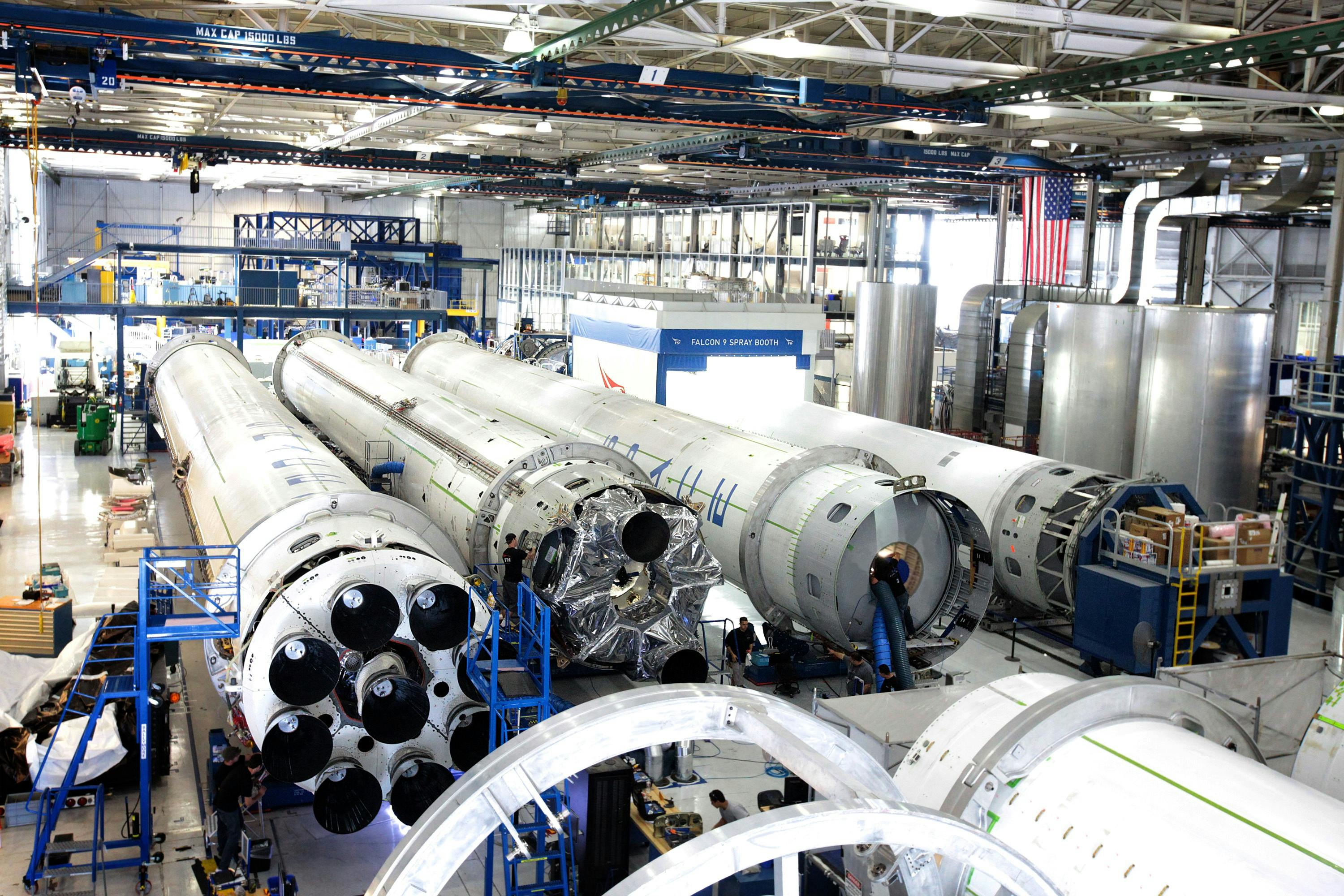
Amid multiple new launches, SpaceX marks its 300th orbital flight milestone at Cape Canaveral while pushing forward with cargo and reentry missions.

Today's Space Brief covers the latest developments in space debris detection, Ursa Major's defense push, and SpaceX's Starlink launch. Additionally, insights into microreactors for military bases, US Cyber Command updates, and gravitational wave discoveries are highlighted.
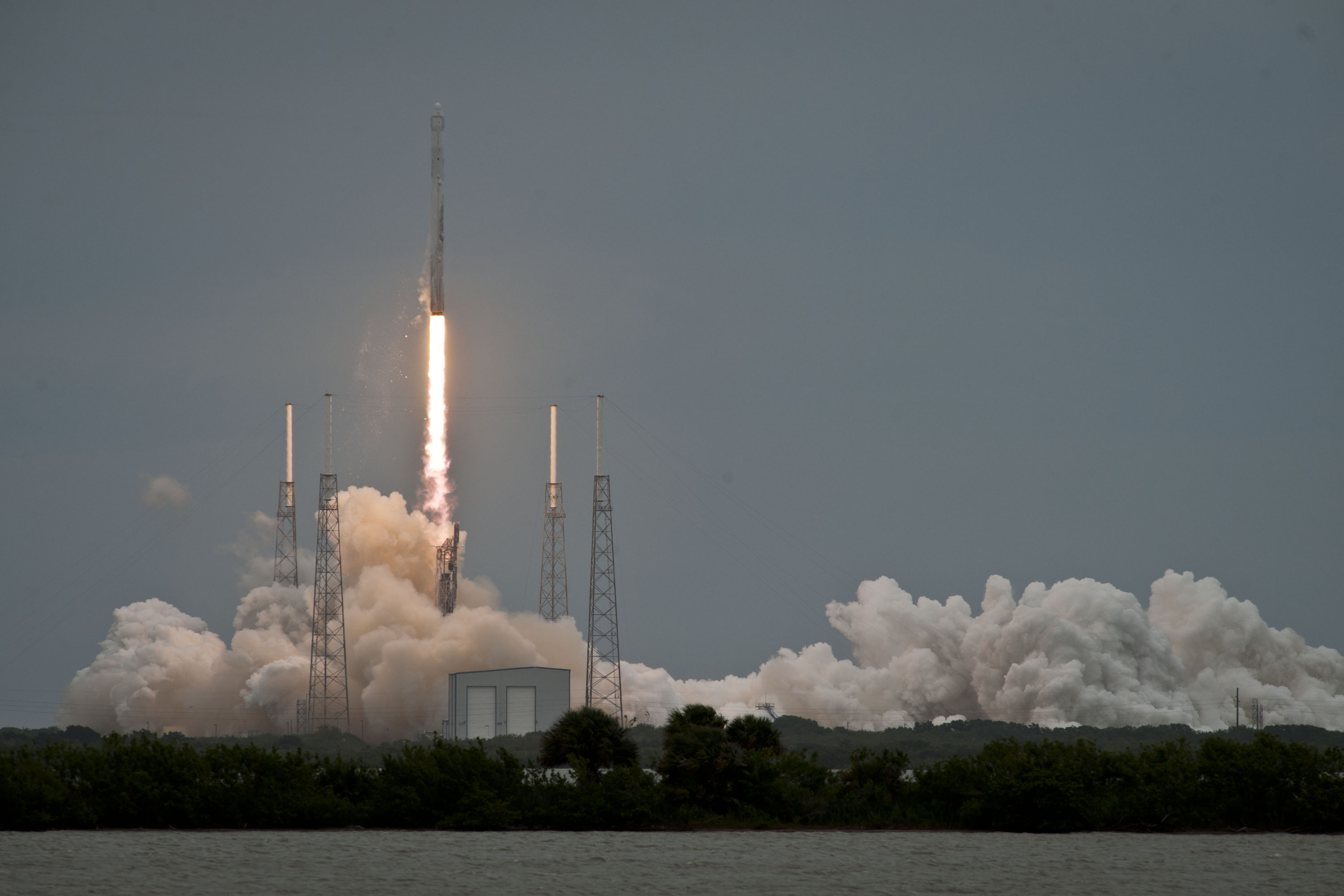
On April 18, 2014, a Falcon 9 first stage did something no orbital rocket had ever done before. It fired its engines on the way down, steered itself through the atmosphere using grid fins that did not yet exist, and touched the Atlantic Ocean softly enough to survive the impact. Nobody recovered it. The data was the whole point.
Artemis 2 Orion carries first humans toward the Moon in 53 years. Spacecraft in good health after trans-lunar injection; lunar flyby observation plan due April 6.
Today's briefing covers Starlink's role in disaster recovery in the Philippines, insights into the evolving direct-to-device market, and news of European plans for a reusable upper stage rocket inspired by SpaceX's Starship.