


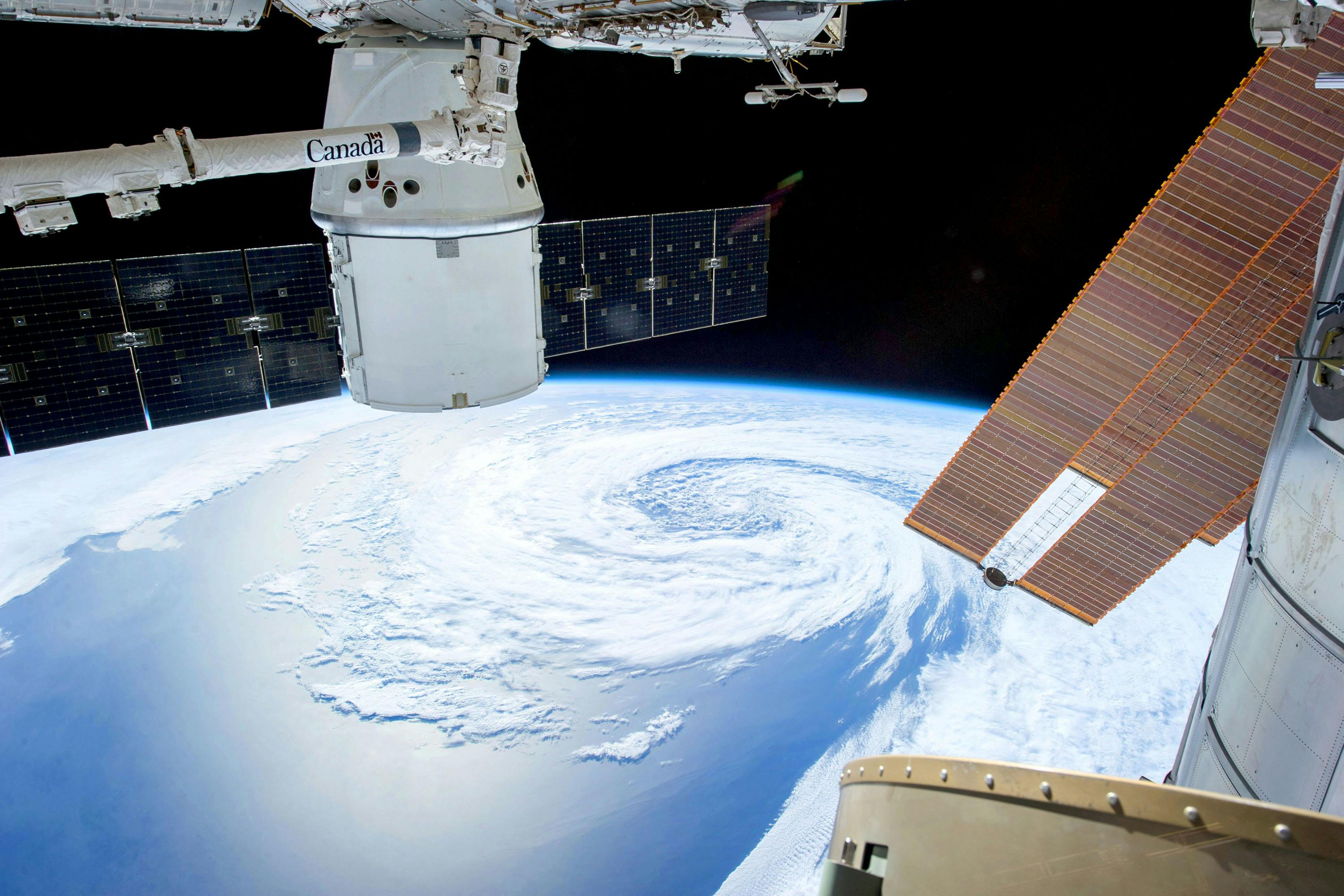
X Report 17 Jan 2025
SpaceX marks another milestone and setback with Starship Flight 7, achieving a successful booster catch but losing the upper stage during ascent.


Launch Date
November 21, 1979
Launch Site
Launch Pad
LC40
Launch Vehicle
Titan IIIC
NORAD ID
11623
International Designator
1979-098C
Epoch
Sat, 04 Jul 2026 00:21:54 GMT
Apogee
Calculating...
Perigee
Calculating...
Inclination
10.15°
Right Ascension
305.54°
Eccentricity
Calculating...
Argument of Perigee
77.86°
Period
1510.72 min
Mean Motion
0.95 rev/day
Latitude
Calculating...
Longitude
Calculating...
Altitude
Calculating...
Velocity
Calculating...
Name
TITAN 3C TRANSTAGE R/B
Alternative Name
Transtage 37
Type
Status
Owner
AFSD
Country
United States
Constellation
N/A
Related Satellites
Major Events
N/A
1 11623U 79098C 26185.01521900 -.00000099 00000-0 00000-0 0 9995
2 11623 10.1498 305.5354 0295659 77.8631 302.0858 0.95318596122750
Source: Celestrak
Length
4.6
Diameter
3.1
Span
4.6
Dry Mass
1950
Launch Mass
1950
Shape
Cyl + 2 Nozzle
Radar Cross Section
2.58
Visual Magnitude
Unknown
Color
Unknown
Material Composition
Unknown
Payload
Transtage 37
Purpose
Unknown
Mission
Unknown
Manufacturer
MM
Life Expectancy
Unknown
Bus
Transtage
Configuration
Unknown
Motor
Unknown
Equipment
Unknown
Power System
Unknown
ADCS
Unknown
Transmitter Frequency
Unknown
Learn more about satellites and other related topics.
SpaceX marks another milestone and setback with Starship Flight 7, achieving a successful booster catch but losing the upper stage during ascent.

Astroscale selects Isar Aerospace to launch ELSA-M, a commercial deorbit mission targeting defunct satellites in LEO. Over 20,000 trackable debris objects now in orbit.
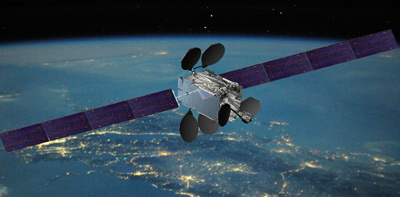
Today's space brief covers an impressive SpaceX launch record, China's upcoming crew mission to its space station, an Intelsat 33e debris observation, and more. Key topics include SpaceX's Starship events, ESA's Hera mission updates, and Boeing's potential space division sale.
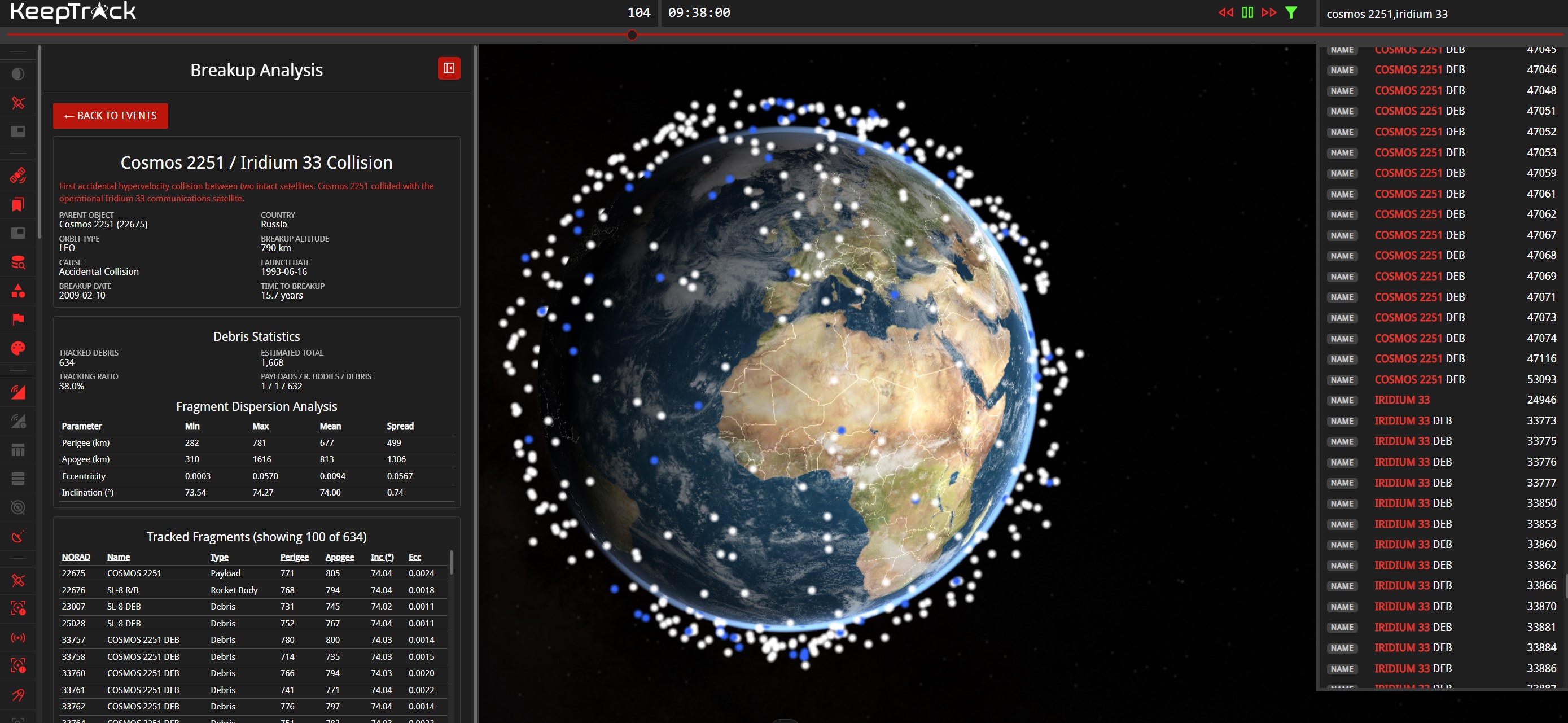
On February 10, 2009, an active Iridium communications satellite and a derelict Soviet military spacecraft slammed into each other 789 kilometers above Siberia. The collision produced more than 2,300 pieces of trackable debris that are still up there. Seventeen years later, the Iridium-Cosmos collision remains the event that made space debris a policy problem the world could no longer ignore.
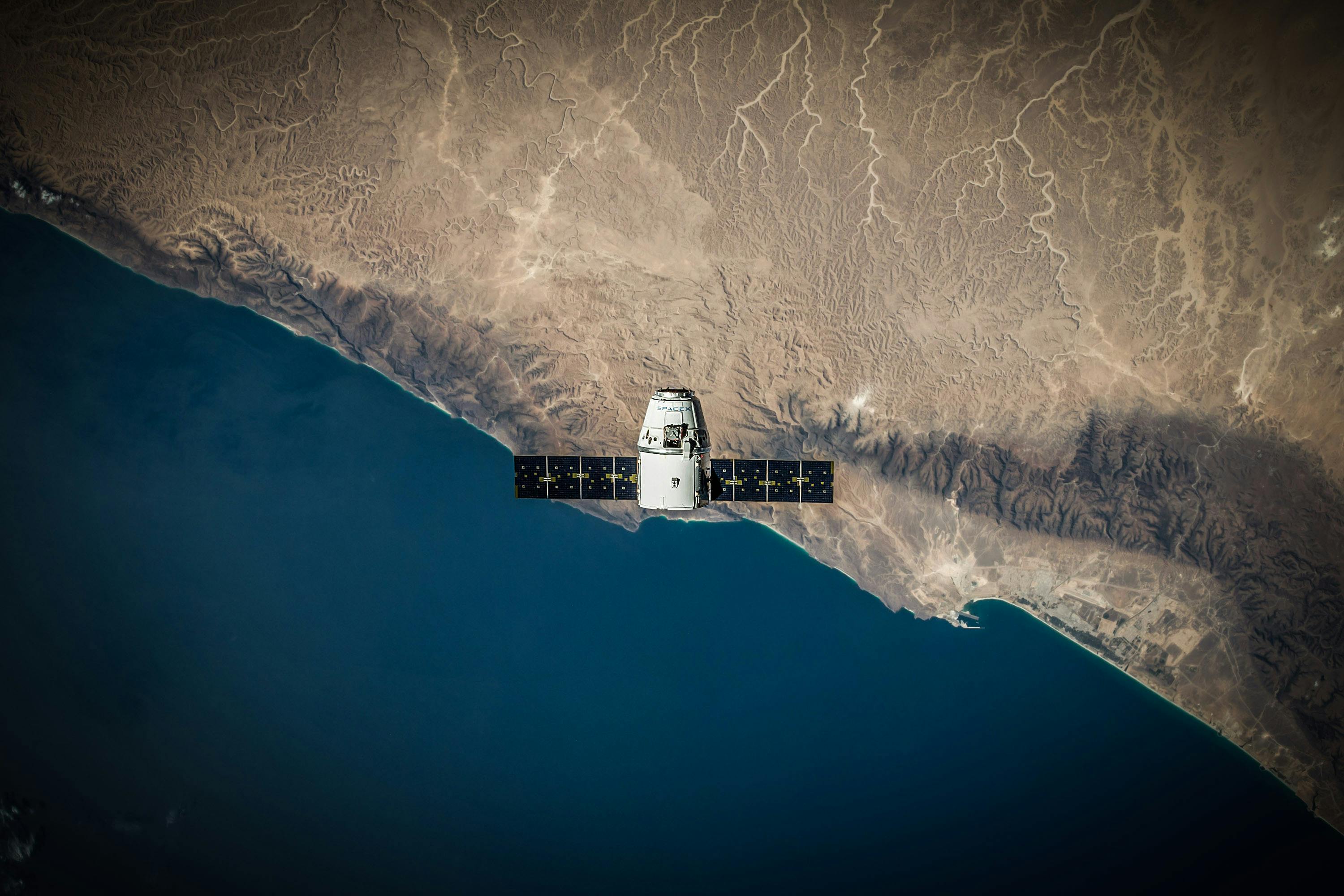
On December 14, 2025, SpaceX achieved a significant milestone with its 550th booster landing following the launch of 27 new Starlink satellites, while exploring potential IPO strategies to fund future projects.

On May 4, 1989, Space Shuttle Atlantis lifted off from LC-39B carrying Magellan, NASA's first interplanetary mission since 1978. The eleven-year drought ended in a payload bay, and the radar that emerged would map ninety-eight percent of Venus through clouds that no camera could ever see through.

SpaceX continues to break records with its Falcon 9 missions while facing public scrutiny from Elon Musk regarding NASA's leadership. Meanwhile, satellite spectrum battles heat up as Lynk Global and Omnispace prepare to merge.

Today's Space Brief covers a Soyuz launch mishap that damaged Baikonur pad, Varda Space's AFRL test flights, ION vehicles aboard SpaceX Transporter-15, and more.