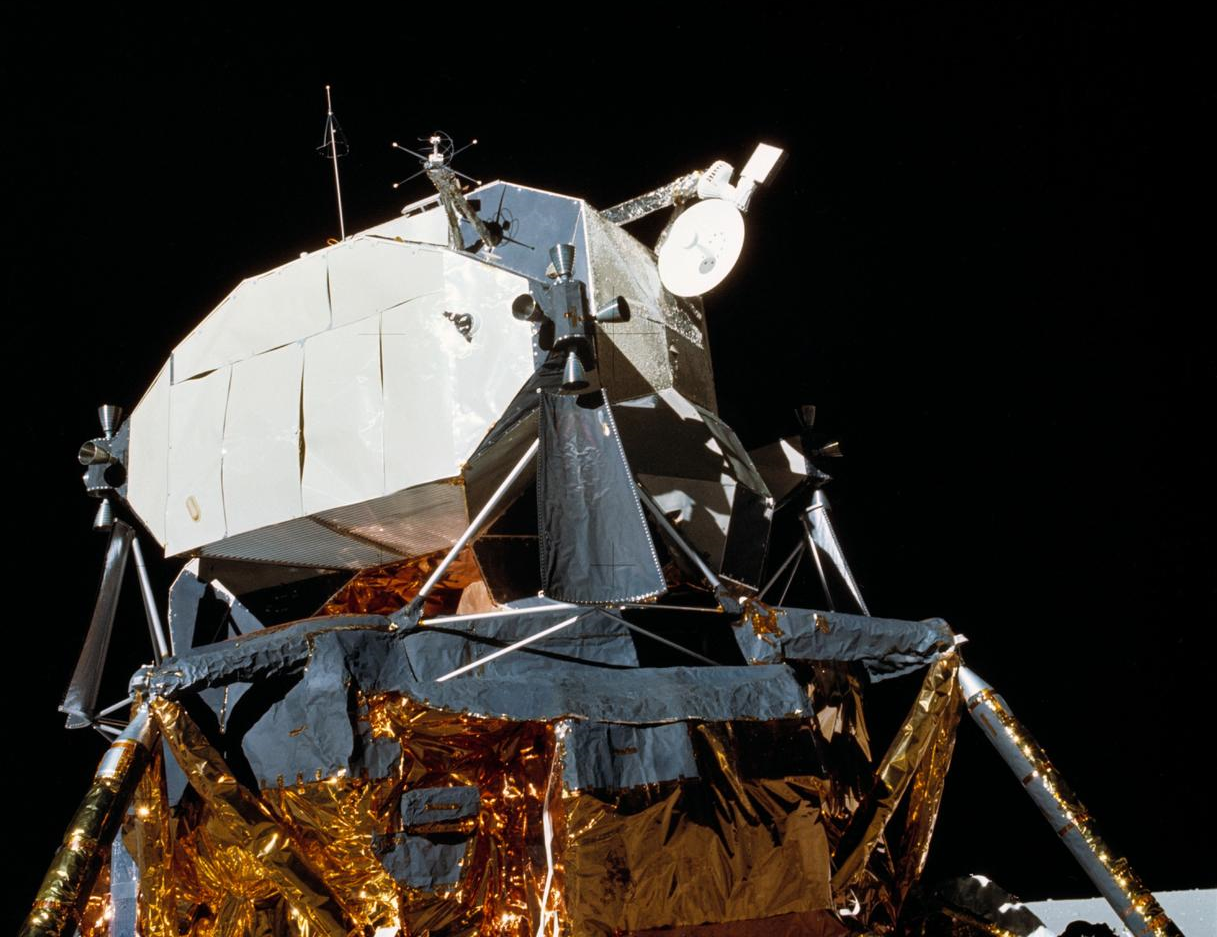
SL-6 PLAT (11591)

COSPAR: 1979-091C | Alt Name: BOZ
DECAYED

Image
SL-6 PLAT Satellite Image
Additional Sources
Launch Details

Launch Date

October 20, 1979

Launch Site

PLMSC

Launch Pad

LC41/1

Launch Vehicle

Molniya 8K78M

Orbital Elements

NORAD ID

11591

International Designator

1979-091C

Decay Date

11/10/1979

Basic Satellite Info

Name

SL-6 PLAT

Alternative Name

BOZ

Type

Debris

Status

Space Junk

Owner

RVSN

Country

USSR

Constellation

N/A

Related Satellites

Major Events

N/A

Summary
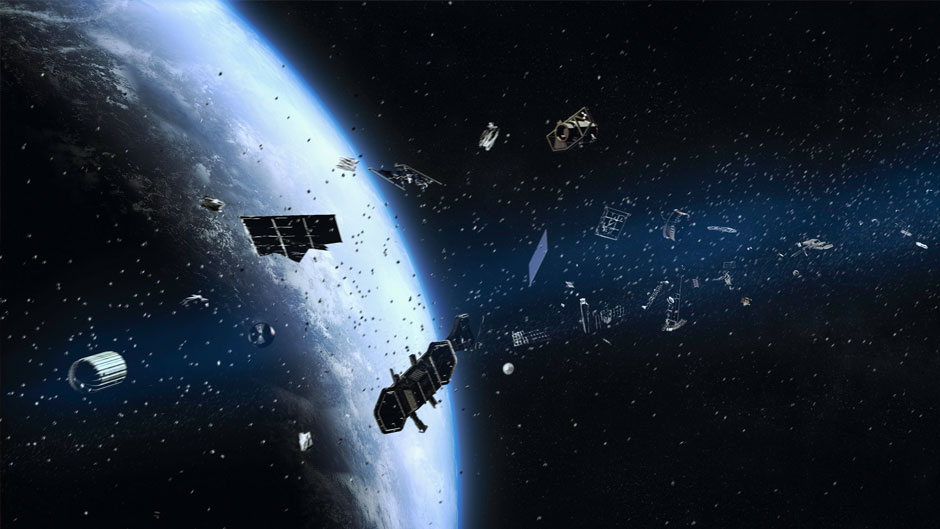
Space debris, also known as space junk, encompasses all non-functional objects orbiting Earth such as defunct satellites, spent rocket stages, and fragments from collisions or disintegrations. Over time, this debris can accumulate and create an increasingly hazardous environment in orbit. Even tiny fragments, traveling at extremely high velocities, can inflict significant damage on operational satellites and spacecraft. If left unmanaged, the density of debris raises the risk of catastrophic collisions and further fragmentation, compounding the problem and threatening the safety and sustainability of space activities.
Physical Characteristics

Length

1

Diameter

2.3

Span

1

Dry Mass

328

Launch Mass

328

Shape

Cyl

Radar Cross Section

Unknown

Visual Magnitude

Unknown

Color

Unknown

Material Composition

Unknown

Technical Details

Payload

BOZ

Purpose

Unknown

Mission

Unknown

Manufacturer

NPOE

Life Expectancy

Unknown

Bus

BOZ

Configuration

Unknown

Motor

Unknown

Equipment

Unknown

Power System

Unknown

ADCS

Unknown

Transmitter Frequency

Unknown

Satellite Articles

View All Posts »

Learn more about satellites and other related topics.

The Moon Landing That Almost Didn't Happen

The Moon Landing That Almost Didn't Happen

Six hours behind schedule, with a backup engine system shuddering in lunar orbit and mission controllers in Houston running out of options, Apollo 16 came within one meeting of being sent home without landing. The problem was a wobble in a gimbal. The solution was math done under pressure.

Space Brief 1 Feb 2025

Space Brief 1 Feb 2025

Today's brief covers advances in satellite docking technology, challenges faced by space companies with government navigation, and China's leap in space autonomy through AI developments.

Starship Flight 12 Summary: V3 Reaches Space, X Report 24 May 2026

Starship Flight 12 Summary: V3 Reaches Space, X Report 24 May 2026

Starship Flight 12 summary: V3 reached space May 22 and survived reentry despite one Raptor vacuum engine shutdown, with most test objectives complete.

Pentagon Chief Tours Rocket Lab, Space Force Accelerates 2026 Acquisitions | KeepTrack Space Brief

Pentagon Chief Tours Rocket Lab, Space Force Accelerates 2026 Acquisitions | KeepTrack Space Brief

Pentagon chief Pete Hegseth tours Rocket Lab for Arsenal of Freedom strategy. Space Force accelerates 2026 acquisitions including GPS and tactical comms. Rhea Space wins $1.9M optical nav contract.

Space Brief 12 Mar 2025

Space Brief 12 Mar 2025

Today's space news highlights include the proposed budget expansion for the U.S. Space Force, a new CubeSat milestone for ESA's asteroid mission, and challenges with SpaceX's Starlink launch. Also, we celebrate the one-year anniversary of the Aries SN1 satellite in orbit.

Space Brief 13 Dec 2024

Space Brief 13 Dec 2024

Today's brief highlights the U.S. Space Force's upcoming modular satellite mission, increased military reliance on commercial space intelligence, and the demand for expanded commercial reserve support. Learn more about these advancements alongside our Satellite Spotlight on Yaogan-30 B.

China Launches VLEO Alliance With Sats Below 300km | KeepTrack Space Brief

China Launches VLEO Alliance With Sats Below 300km | KeepTrack Space Brief

China formalized a national VLEO industry alliance with multiple satellites sustaining operations below 300 kilometers altitude. Propulsion startups attracting investment.

Reentry

Reentry

What happens when space objects come home: the fiery physics of returning from orbit and why predicting where debris lands is so difficult