


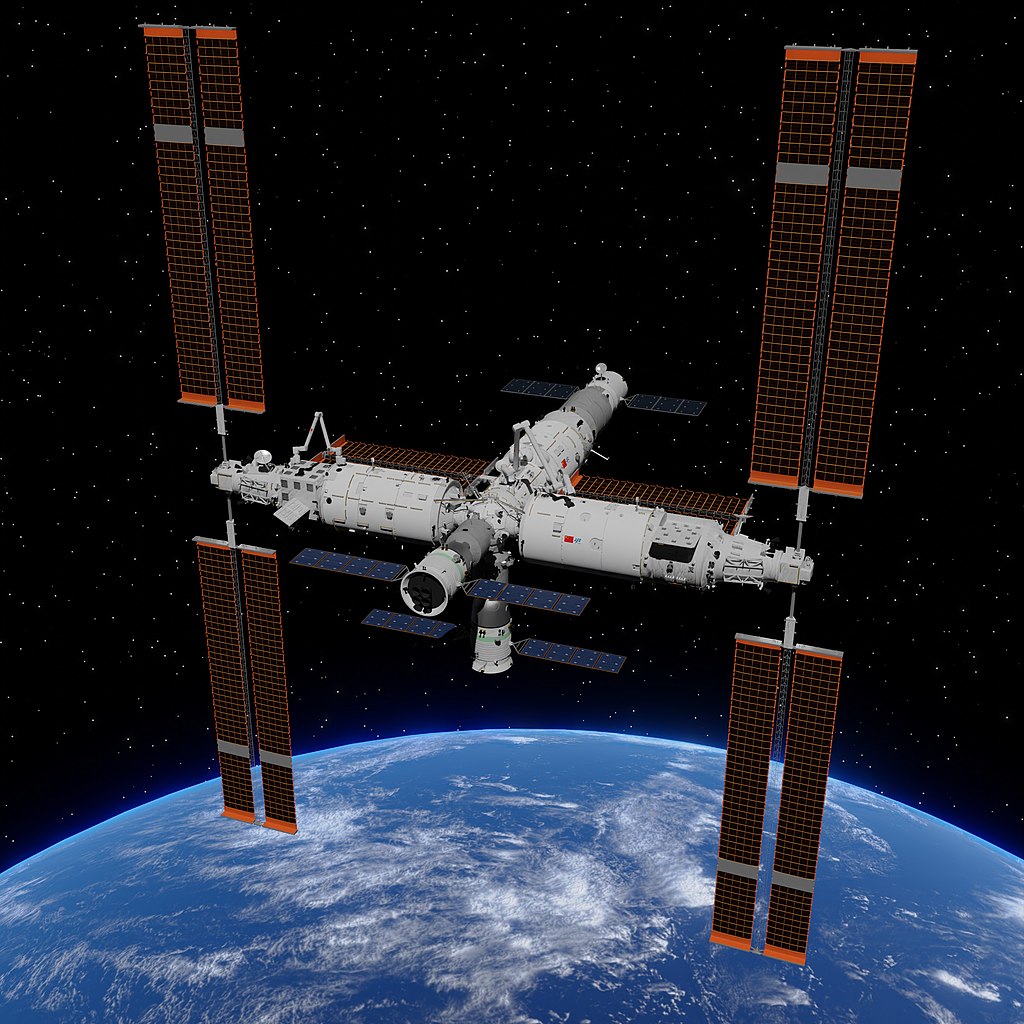
Space Brief 30 Oct 2024
Today's briefing covers China's successful Shenzhou 19 launch to the Tiangong space station, NASA's upcoming spacewalks plan after a spacesuit issue, and innovative propulsion research for space journeys.


Launch Date
September 25, 1979
Launch Site
PLMSC
Launch Pad
LC132/2
Launch Vehicle
Kosmos 11K65M
NORAD ID
11538
International Designator
1979-084A
Epoch
Sat, 04 Jul 2026 01:19:20 GMT
Apogee
Calculating...
Perigee
Calculating...
Inclination
74.02°
Right Ascension
36.96°
Eccentricity
Calculating...
Argument of Perigee
61.26°
Period
114.62 min
Mean Motion
12.56 rev/day
Latitude
Calculating...
Longitude
Calculating...
Altitude
Calculating...
Velocity
Calculating...
Name
COSMOS 1130
Alternative Name
Kosmos-1130
Type
Status
Owner
GUKOSR
Country
USSR
Constellation
N/A
Related Satellites
Major Events
N/A
1 11538U 79084A 26185.05510100 -.00000017 00000-0 -48442-5 0 9997
2 11538 74.0248 36.9566 0052587 61.2616 104.5566 12.56271649144930
Source: Celestrak
Length
0.8
Diameter
0.8
Span
0.8
Dry Mass
60
Launch Mass
60
Shape
Poly
Radar Cross Section
0.6796
Visual Magnitude
Unknown
Color
Unknown
Material Composition
Unknown
Payload
Strela-1M Blok 23 No. 1
Purpose
Military Communication
Mission
Military Communication
Manufacturer
NPOPM
Life Expectancy
6 months
Bus
Strela-1 11F625
Configuration
Unknown
Motor
Unknown
Equipment
Unknown
Power System
Solar cells, batteries
ADCS
Unknown
Transmitter Frequency
Unknown
Learn more about satellites and other related topics.
Today's briefing covers China's successful Shenzhou 19 launch to the Tiangong space station, NASA's upcoming spacewalks plan after a spacesuit issue, and innovative propulsion research for space journeys.
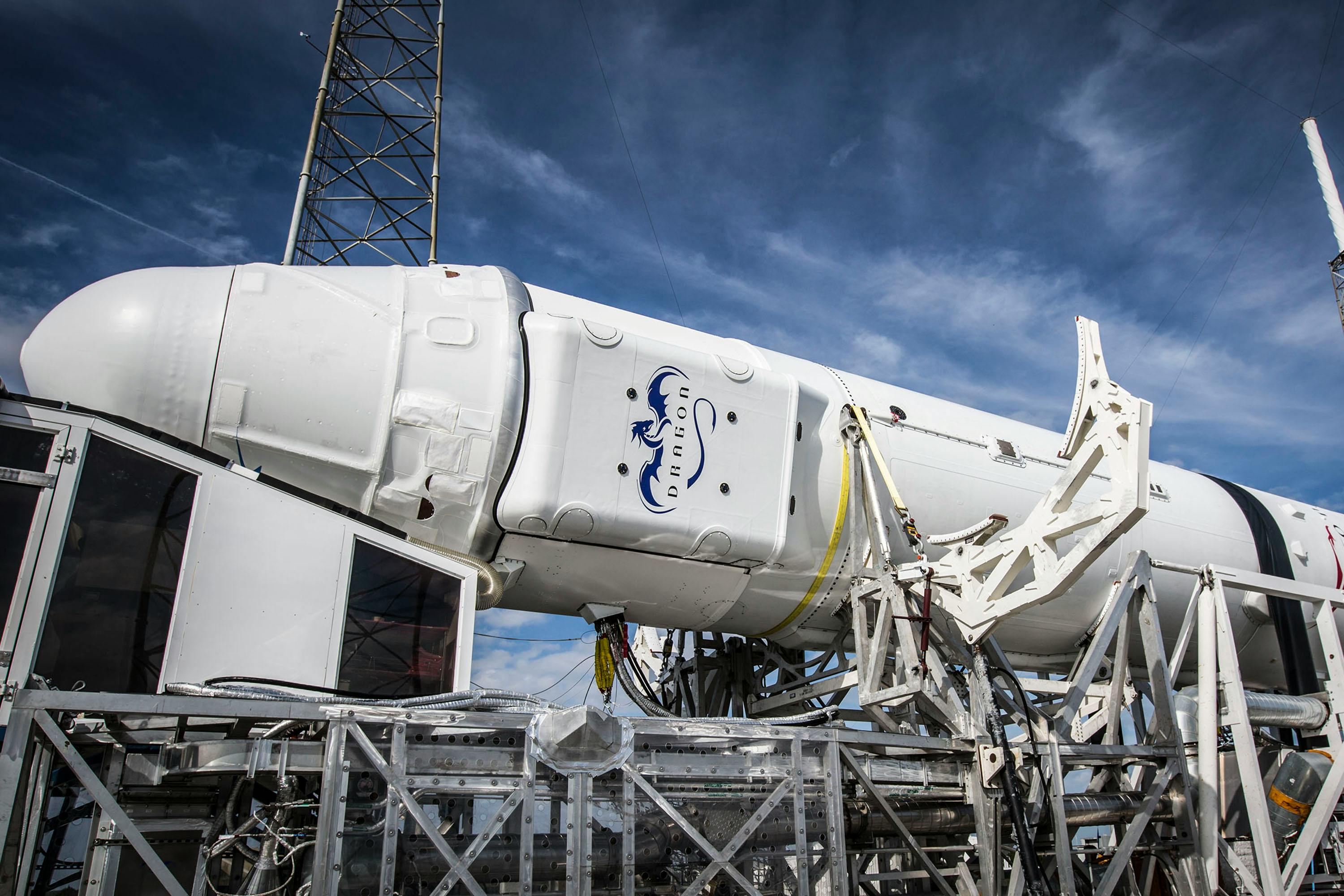
FAA documents expose SpaceX's Starfall reentry vehicle program, targeting in-space manufacturing support as the Starlink constellation holds 10,397 working satellites.
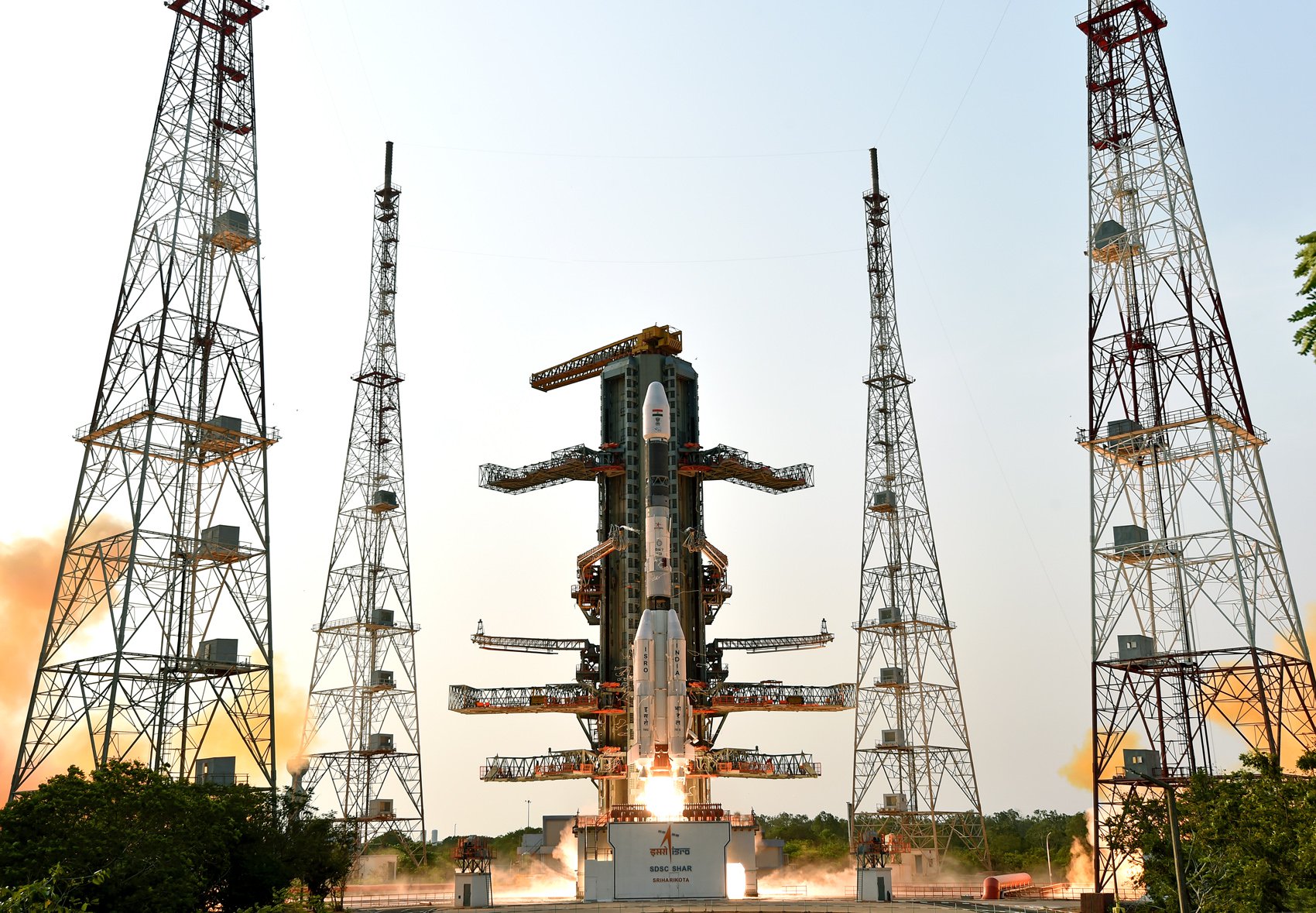
Today's brief covers China's Tianzhou-9 launch to the Tiangong space station, the U.S. Space Force's unfunded MILNET project, and the evolving use of AI in military applications.
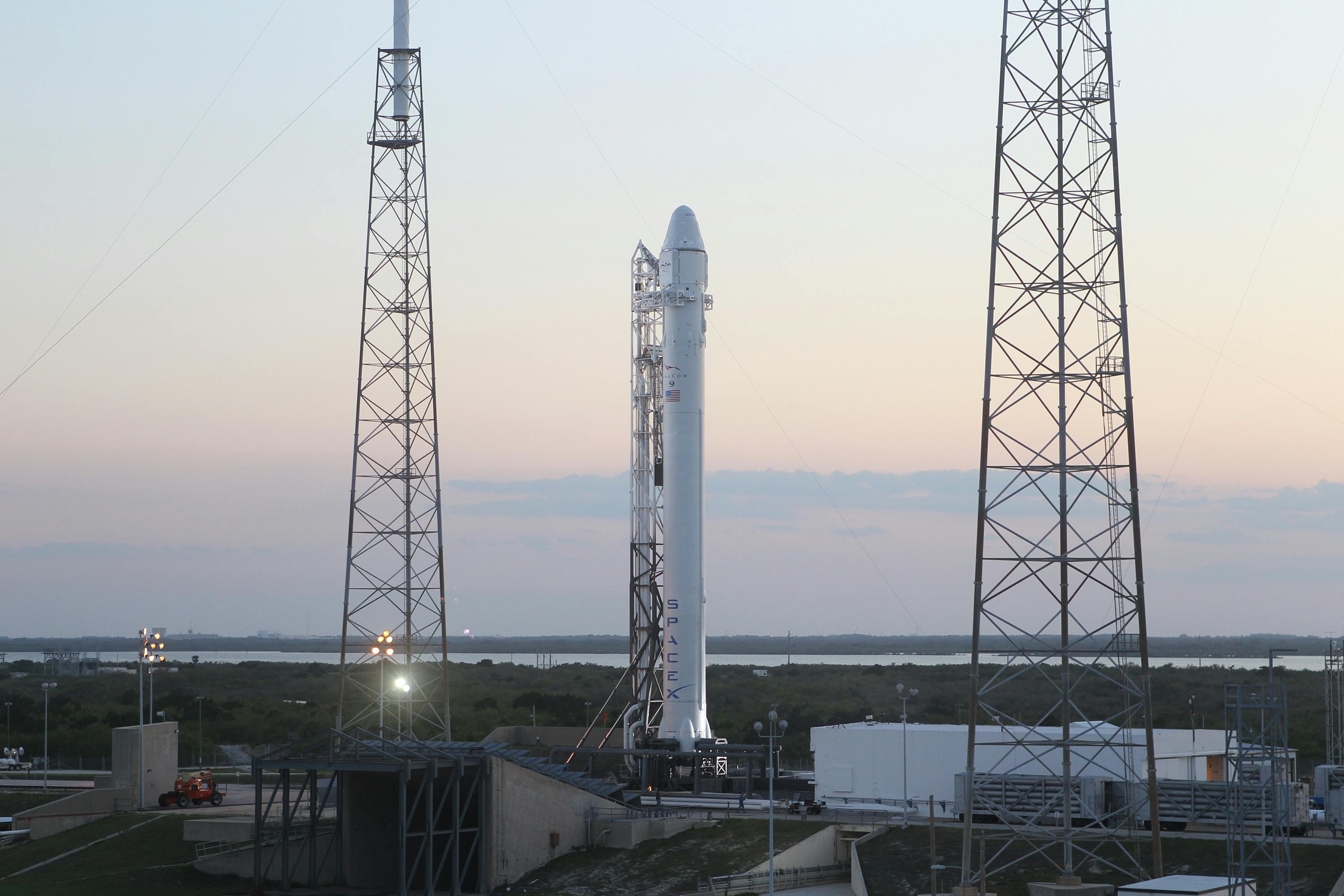
SpaceX successfully launched its 300th Starlink mission, deploying 24 new satellites to further expand its internet service coverage worldwide.

Today's brief covers China's ongoing assessments following a potential debris strike on Shenzhou-20, SpaceX's record-breaking Starlink launch, Rocket Lab's delay of the Neutron rocket, and more.
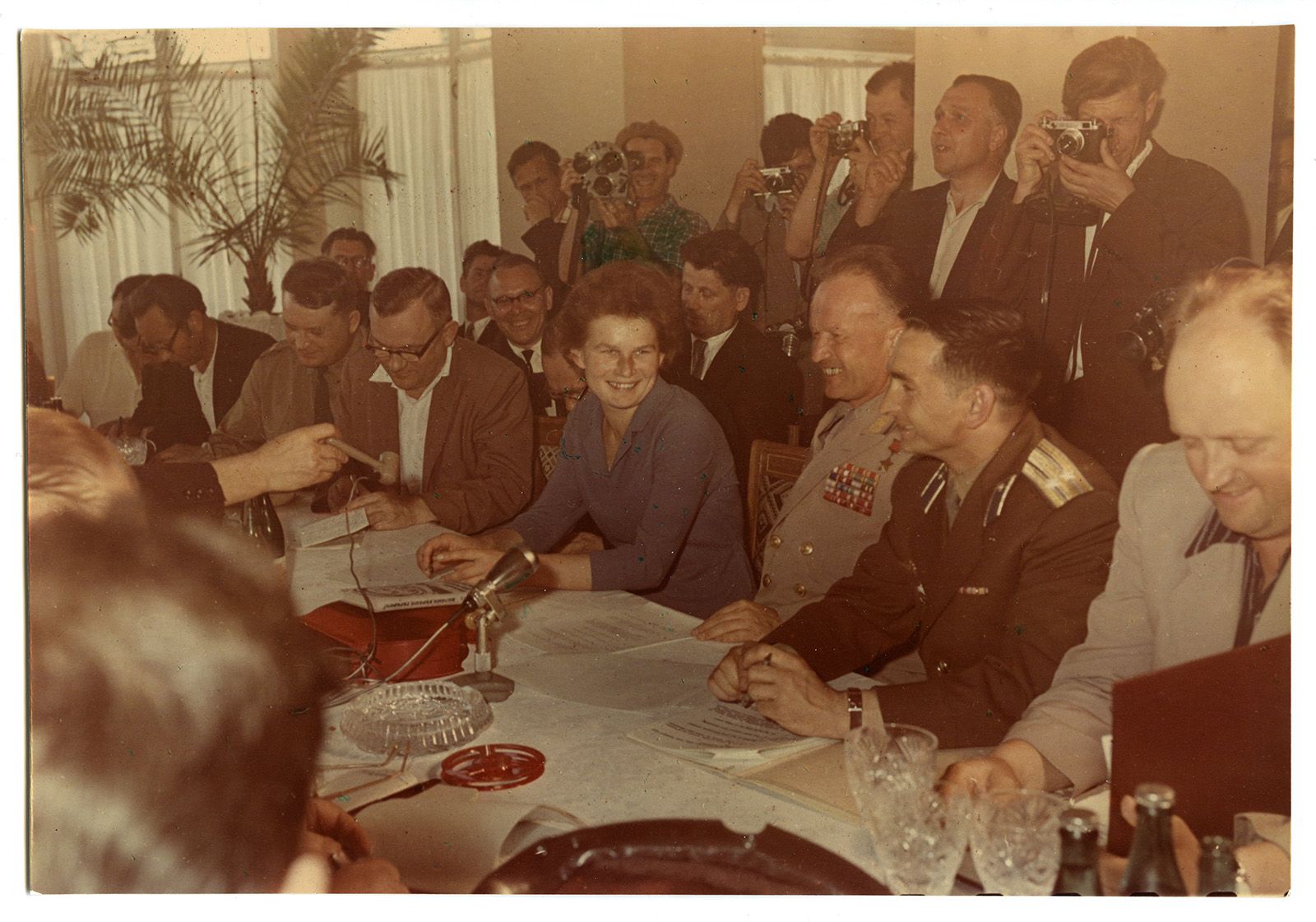
On 16 June 1963, a 26-year-old former textile worker named Valentina Tereshkova launched aboard Vostok 6 and spent nearly three days alone in orbit. She flew 48 times around the Earth, longer than every American astronaut combined, and spotted a dangerous flaw in her descent program that ground controllers had missed.
SpaceX targets May 19 for Starship V3's first flight from Pad 2 as the FCC approves a $2.4B EchoStar spectrum deal for Starlink D2D.

Key highlights on China's reusable rocket developments, U.S. military's Tranche 1 satellite launch, Space Force's weapons acquisition strategies, and more.