COSMOS 1129 (11536)

COSPAR: 1979-083A | Alt Name: Kosmos-1129
DECAYED

Image
COSMOS 1129 Satellite Image
Additional Sources
Launch Details

Launch Date

September 25, 1979

Launch Site

PLMSC

Launch Pad

LC41/1

Launch Vehicle

Soyuz-U

Orbital Elements

NORAD ID

11536

International Designator

1979-083A

Decay Date

10/14/1979

Basic Satellite Info

Name

COSMOS 1129

Alternative Name

Kosmos-1129

Type

Payload

Status

Decayed

Owner

IMBP/TSSKB

Country

USSR

Constellation

N/A

Related Satellites

Major Events

N/A

Summary
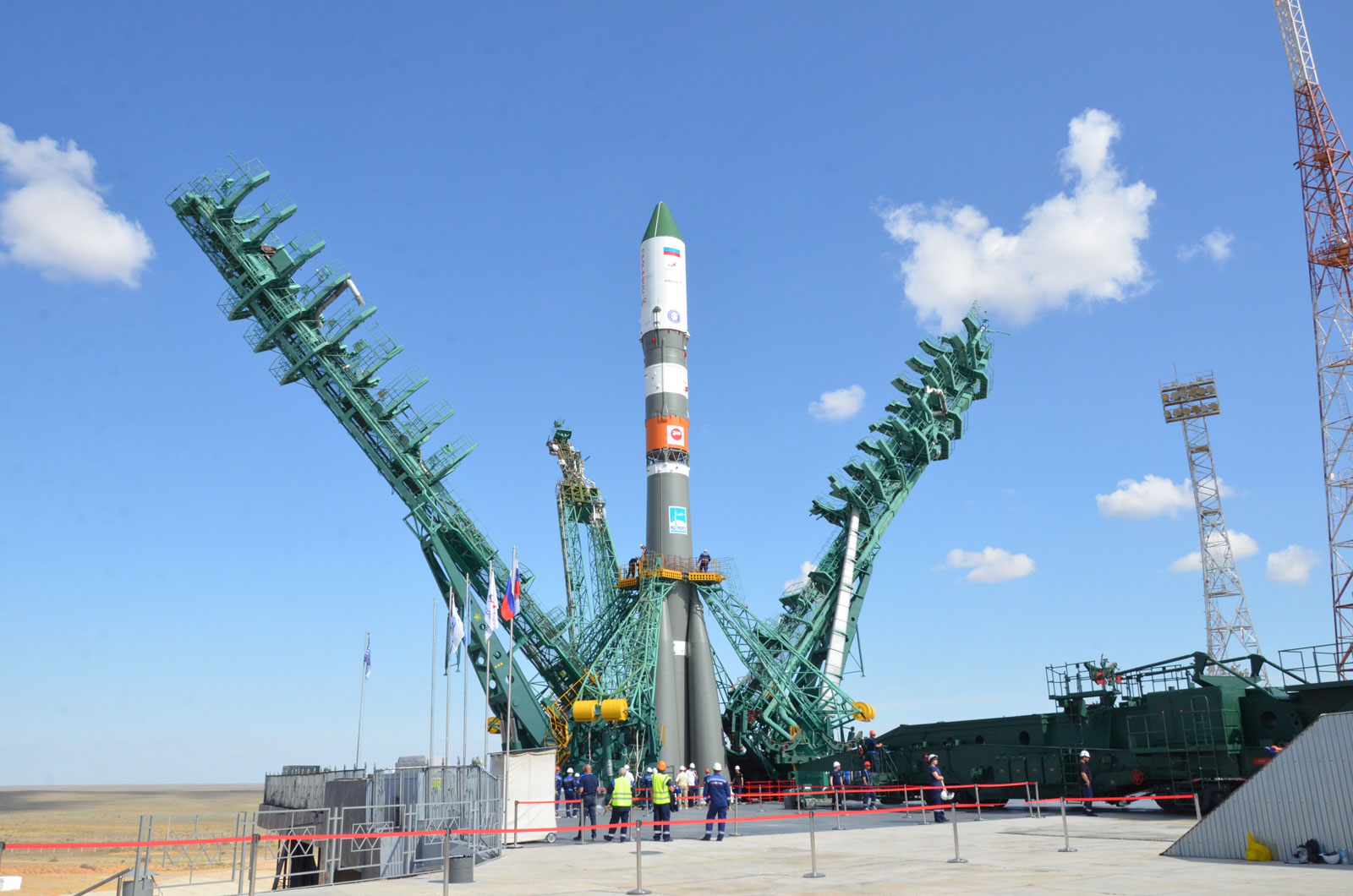
COSMOS 1129, also known as Kosmos-1129, is a satellite with the OBJECT_ID 1979-083A, launched on September 25, 1979, from PLMSC LC41/1 using a Soyuz-U launch vehicle. It was manufactured by TSSKB and owned by IMBP/TSSKB. The satellite is configured as a sphere with a diameter of 2.4 meters and includes a DCone component, measuring 6.5 meters in length and span. COSMOS 1129 has a dry mass of 2040 kg, which is also its launch mass. Its payload consists of the Bion No. 5 equipment, part of the Bion bus series, and was launched from the Soviet Union (SU). The satellite's shape is described as a sphere with a DCone addition, though specific details about its mission or purpose are not provided in the data.
Physical Characteristics

Length

6.5

Diameter

2.4

Span

6.5

Dry Mass

2040

Launch Mass

2040

Shape

Sphere + DCone

Radar Cross Section

Unknown

Visual Magnitude

Unknown

Color

Unknown

Material Composition

Unknown

Technical Details

Payload

Bion No. 5

Purpose

Unknown

Mission

Unknown

Manufacturer

TSSKB

Life Expectancy

Unknown

Bus

Bion

Configuration

Unknown

Motor

Unknown

Equipment

Unknown

Power System

Unknown

ADCS

Unknown

Transmitter Frequency

Unknown

Satellite Articles

View All Posts »

Learn more about satellites and other related topics.

SpaceX Launches 500th Starlink Satellite of 2026, Microsoft Partnership Announced | KeepTrack X Report

SpaceX Launches 500th Starlink Satellite of 2026, Microsoft Partnership Announced | KeepTrack X Report

SpaceX launches 500th Starlink satellite of 2026 on 540th reused booster flight. Microsoft partners with Starlink for rural internet expansion. NASA reveals first ISS medical evacuation details.

SpaceX IPO Raises $75B at $135/Share on Nasdaq Debut | KeepTrack X Report

SpaceX IPO Raises $75B at $135/Share on Nasdaq Debut | KeepTrack X Report

SpaceX's historic $75B IPO priced at $135/share launches SPCX on Nasdaq at a $1.77 trillion valuation — the largest IPO in history.

New Glenn Achieves First Booster Reuse on Mission 3 | KeepTrack Space Brief

New Glenn Achieves First Booster Reuse on Mission 3 | KeepTrack Space Brief

Blue Origin's New Glenn successfully reused its first stage booster for the first time on Mission 3, launching April 19. Booster reuse accelerates operational tempo.

Space Brief 25 Apr 2025

Space Brief 25 Apr 2025

Today's briefing covers the largest-ever spectrum sharing demo planned by the Pentagon, innovative strategies for drone deployment in the Air Force, and significant military procurement developments.

Space Force Orders 14 GPS 3F Satellites for $514M | KeepTrack Space Brief

Space Force Orders 14 GPS 3F Satellites for $514M | KeepTrack Space Brief

Space Force awards Lockheed Martin $514M for two additional GPS 3F satellites, bringing total orders to 14. New satellites add anti-jam features and upgraded civilian signals.

Space Brief 11 Dec 2024

Space Brief 11 Dec 2024

Explore today's space news including Space Force's five-year reflection, Rocket Lab's military hypersonic test, SpaceX's festive launch, and a glimpse at China's strategic space maneuvers.

Space Brief 11 Aug 2025

Space Brief 11 Aug 2025

Today's briefing highlights major advancements in tactical satellite communications for military applications, the expansion of an IoT satellite constellation by China's Geespace, and significant developments in lunar communications and surveillance systems.

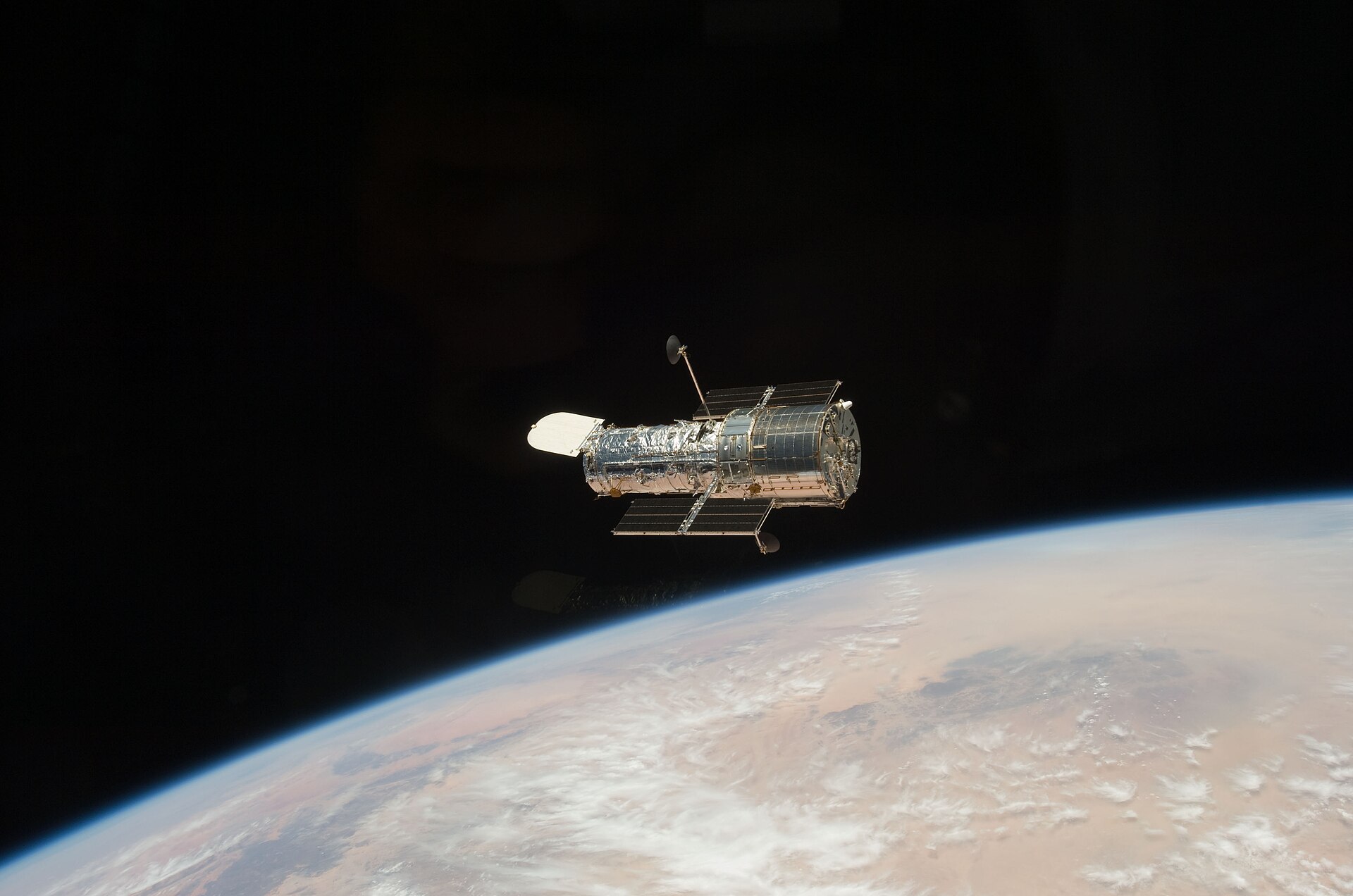
The Telescope That Needed Glasses

The Telescope That Needed Glasses

On April 25, 1990, the Space Shuttle Discovery's robotic arm lifted a 11,110-kilogram barrel of mirrors and instruments out of the payload bay and released it into orbit. Six weeks later, the first images came back badly out of focus. The Hubble Space Telescope had been ground to the wrong prescription, and America had just spent $2.5 billion on what the press was calling a 'technoturkey.'