

X Report 21 Aug 2025
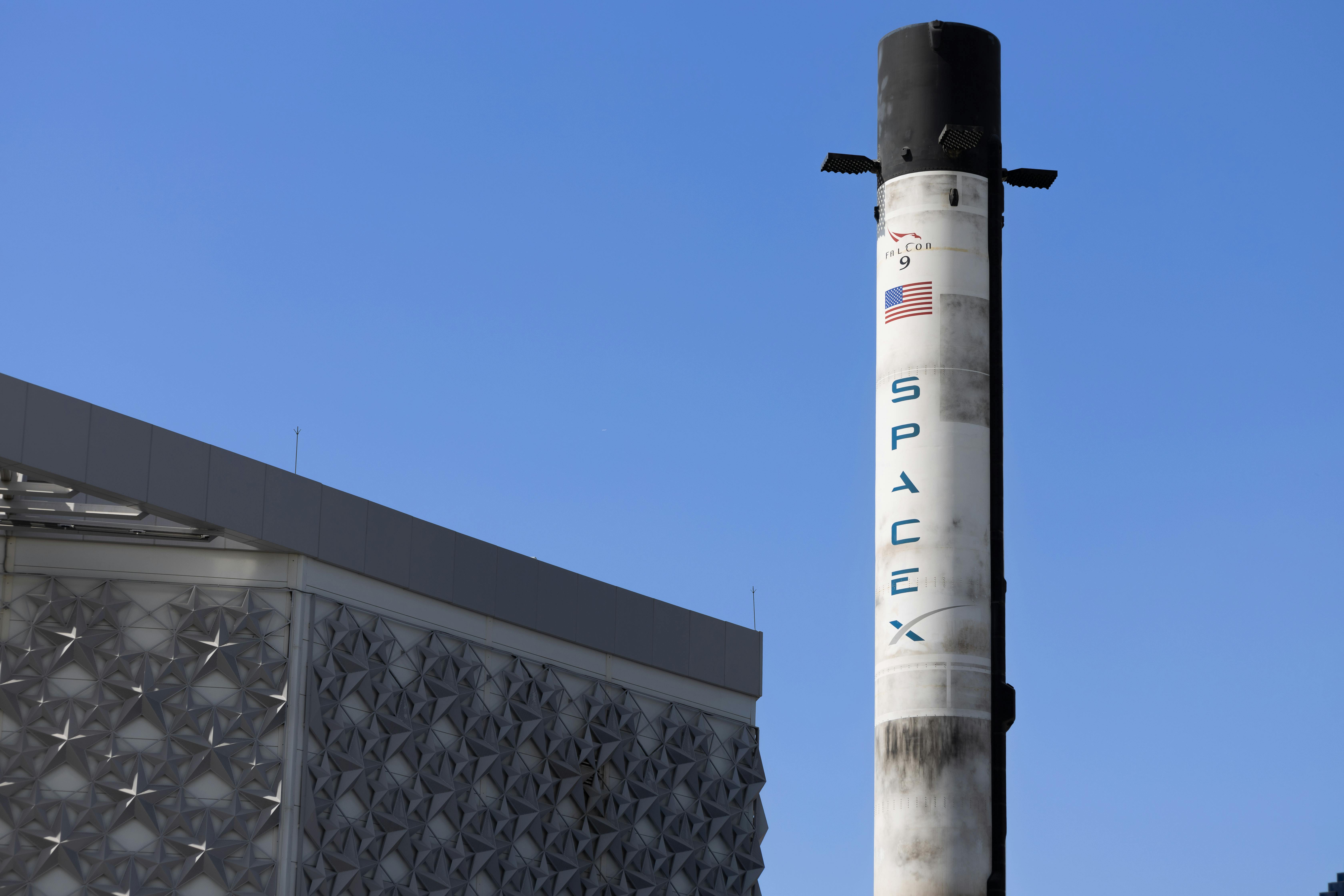
Today's brief highlights the upcoming X-37B military spaceplane launch, ongoing partnerships to protect radio astronomy, and West Virginia's minimal allocation of broadband subsidies to satellite providers like SpaceX.



Launch Date
February 22, 1965
Launch Site
Launch Pad
LC31
Launch Vehicle
Voskhod 11A57
NORAD ID
01146
International Designator
1965-012BA
Decay Date
3/17/1965
Name
COSMOS 57 DEB
Alternative Name
deb Kosmos-57
Type
Status
Owner
OKB1
Country
USSR
Constellation
N/A
Related Satellites
Major Events
N/A
Length
0
Diameter
0
Span
0
Dry Mass
0
Launch Mass
0
Shape
N/A
Radar Cross Section
Unknown
Visual Magnitude
Unknown
Color
Unknown
Material Composition
Unknown
Payload
Unknown
Purpose
Unknown
Mission
Unknown
Manufacturer
Unknown
Life Expectancy
Unknown
Bus
Unknown
Configuration
Unknown
Motor
Unknown
Equipment
Unknown
Power System
Unknown
ADCS
Unknown
Transmitter Frequency
Unknown
Learn more about satellites and other related topics.
Today's brief highlights the upcoming X-37B military spaceplane launch, ongoing partnerships to protect radio astronomy, and West Virginia's minimal allocation of broadband subsidies to satellite providers like SpaceX.
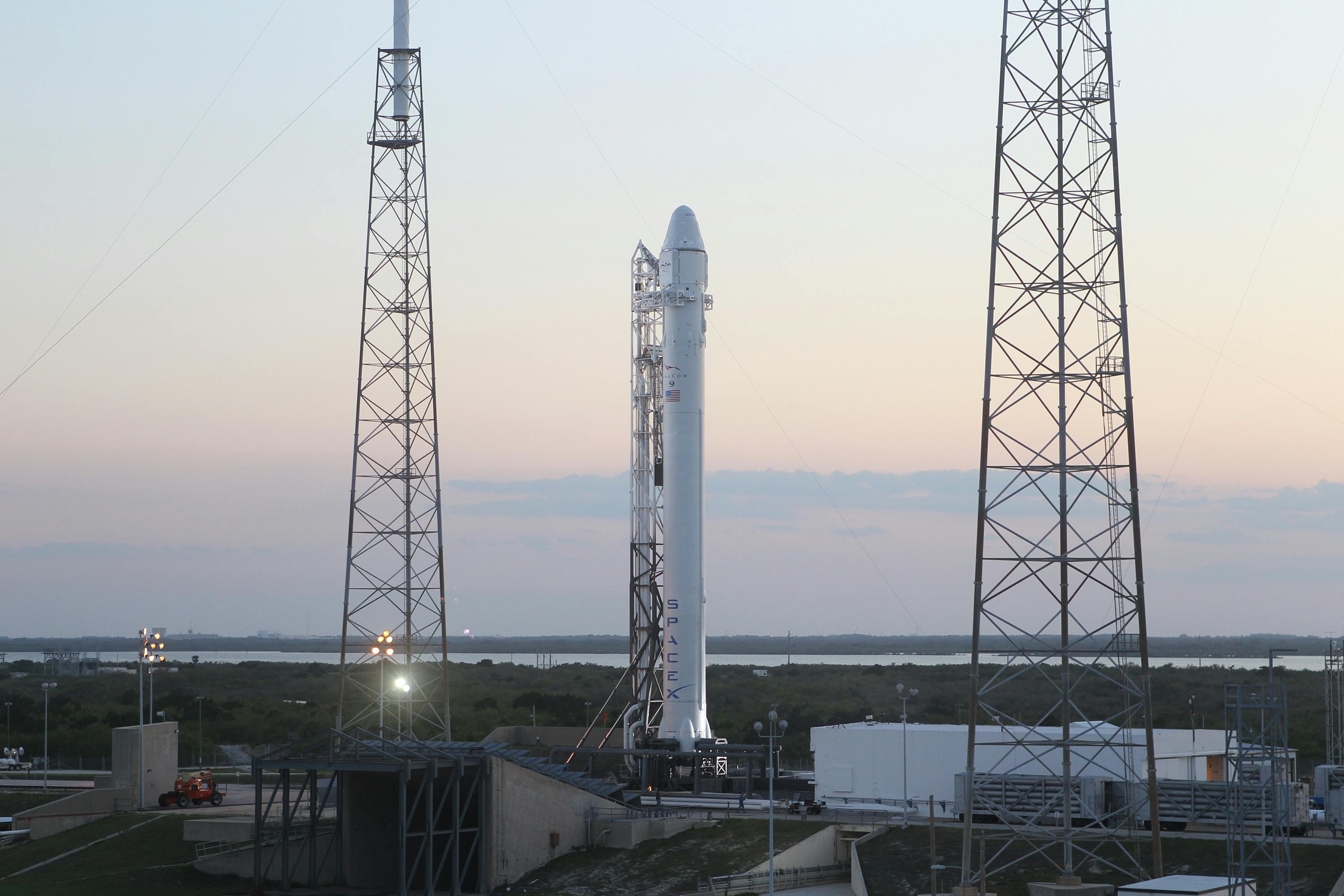
SpaceX targets May 19 for Starship V3's first flight from Pad 2 as the FCC approves a $2.4B EchoStar spectrum deal for Starlink D2D.
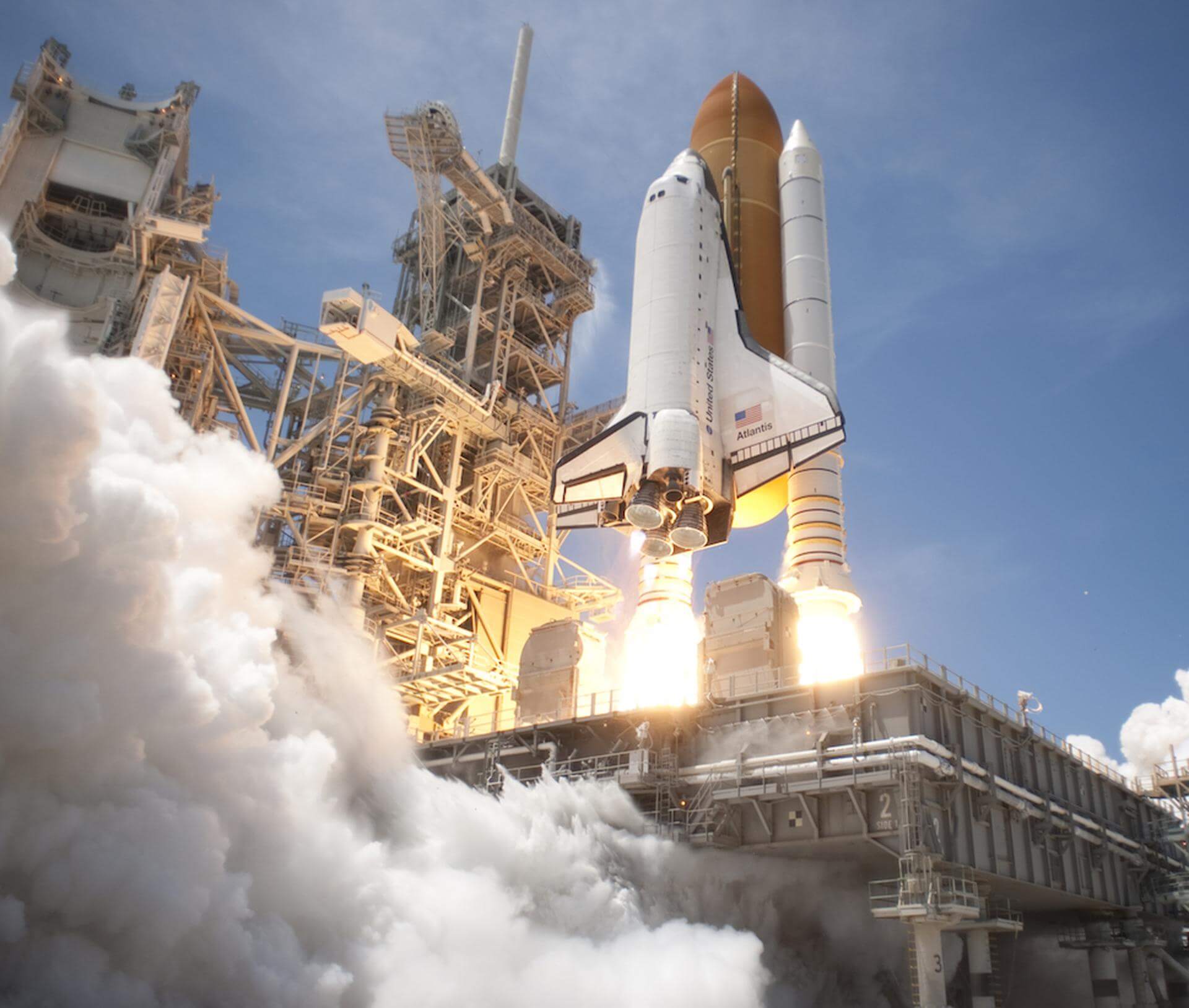
Brig. Gen. Gursharan Sandhoo double-hatted as SDA director and Space Force missile warning PAE head as Pentagon consolidates LEO satellite programs under new acquisition structure.

SpaceX successfully launched the historic Axiom-4 mission to the ISS, marking a significant milestone in private space travel, while also expanding Starlink's reach into Vietnam's healthcare sector.

Today's highlights include a SpaceX launch of Starlink satellites, a pivotal delivery to the Space Force, and significant Senate funding for NASA missions.
NASA's Artemis 3 lunar landing mission schedule continues slipping over 2 months after revised plans announced, with no crew or surface activity details released publicly yet.
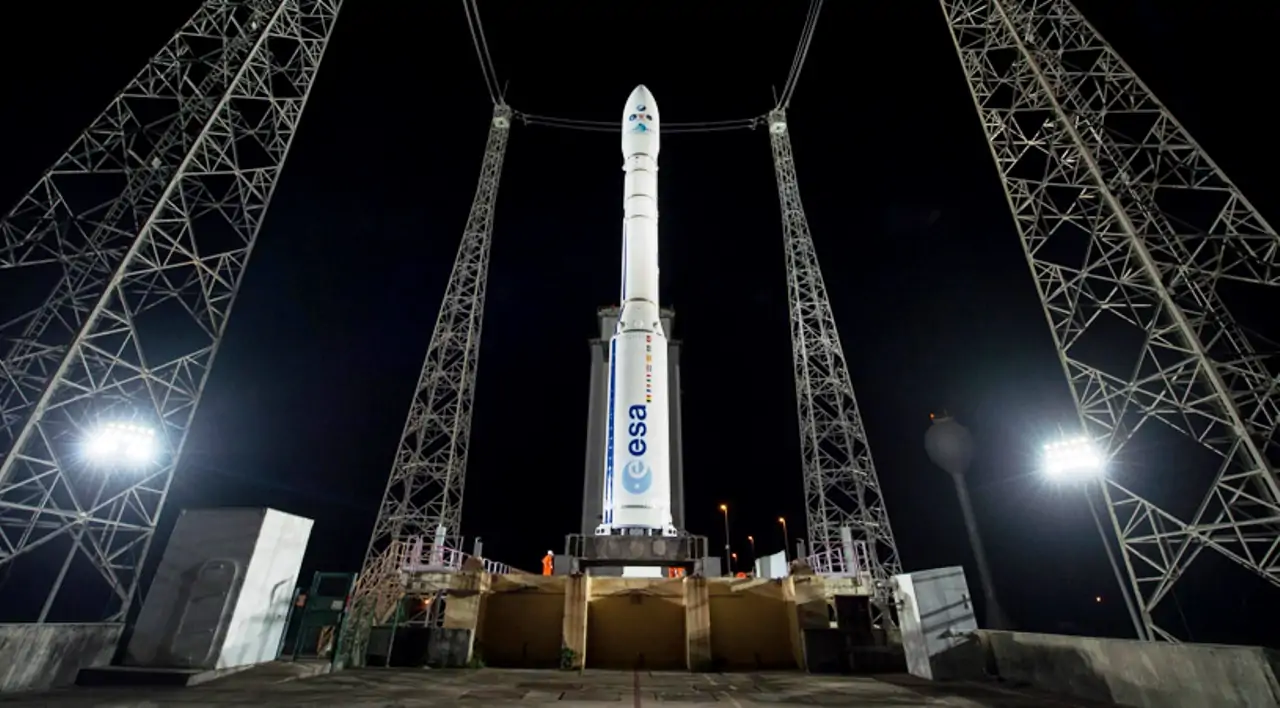
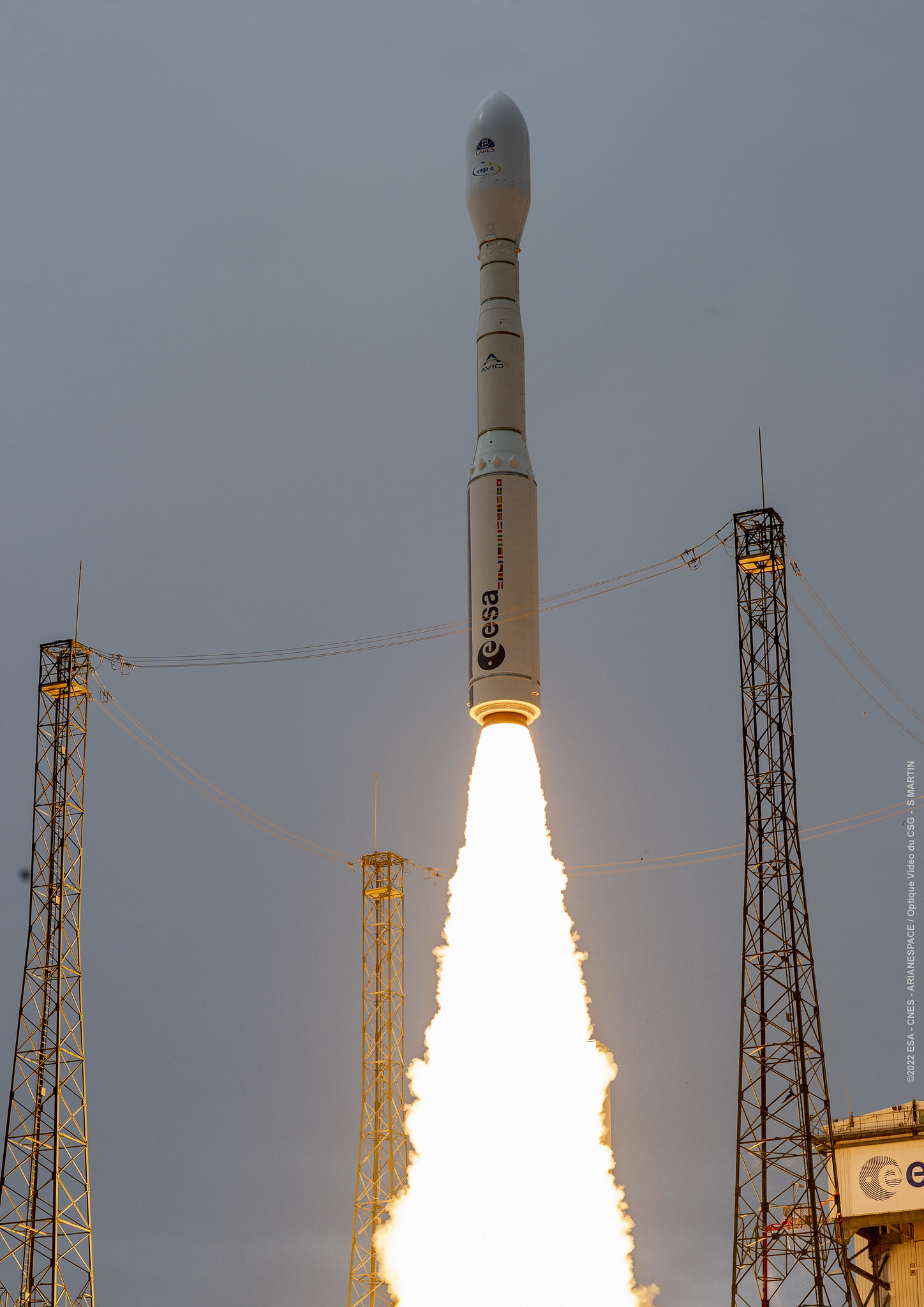
Thirteen years ago, a new rocket lifted off from the edge of the Amazon rainforest, marking Europe's entry into the small satellite launch market and carrying the dreams of university students across a continent

Space debris poses a mounting threat to both satellites and space missions. As we send more objects into orbit, the likelihood of collisions and subsequent breakups producing dangerous space debris increases. Recognizing the major events that have generated this dangerous space junk is pivotal in ensuring the safety of future space missions.