

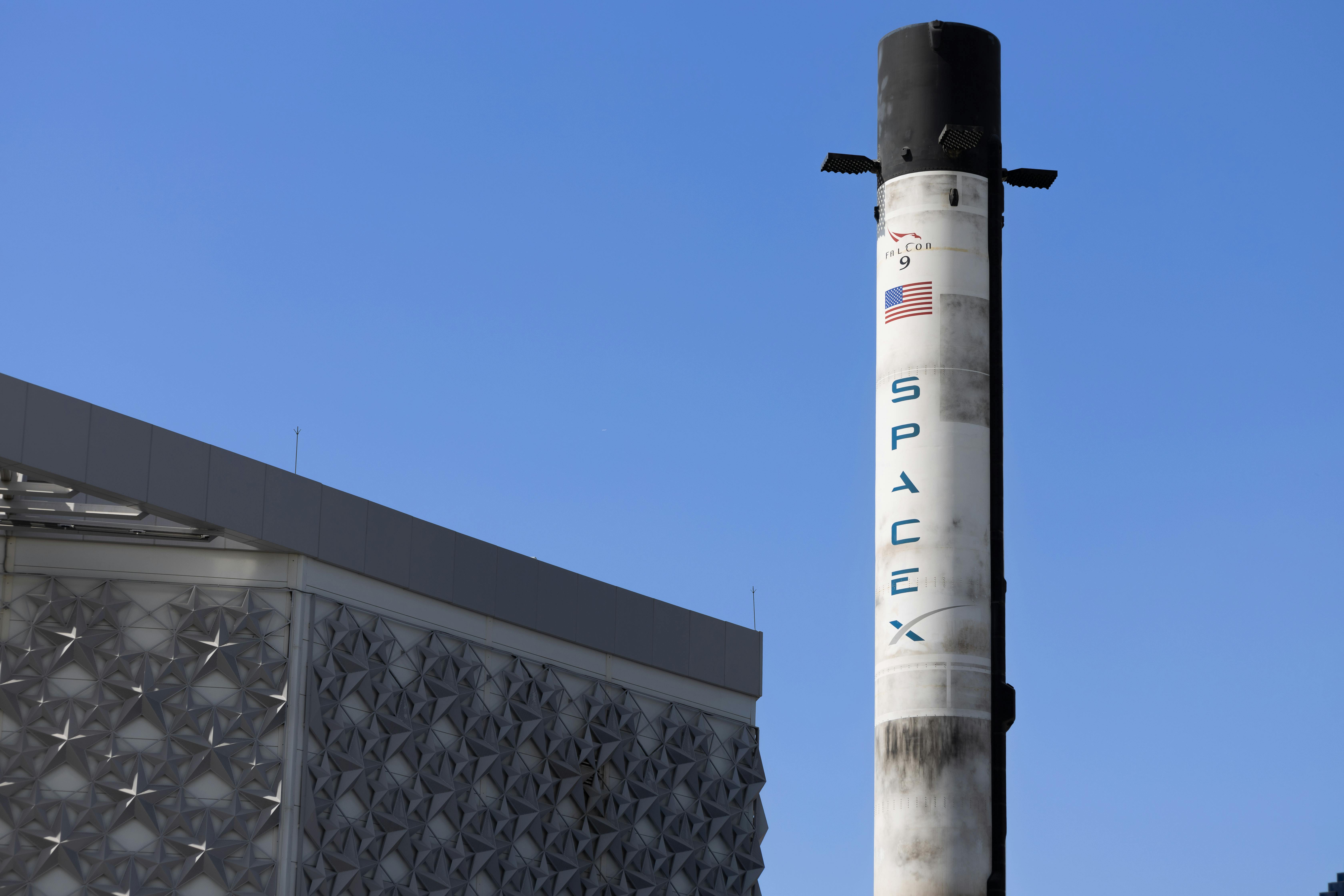
NASA Awards Private Mars Orbiter Contract for 2028 | KeepTrack X Report
A California firm wins NASA's Aeolus Mars orbiter contract, targeting 2028 launch for the first daily global Martian environment measurements.


Launch Date
April 14, 1979
Launch Site
PLMSC
Launch Pad
LC43/3
Launch Vehicle
Vostok 8A92M
NORAD ID
11332
International Designator
1979-032B
Decay Date
5/9/2009
Name
SL-3 R/B
Alternative Name
Vostok-2M (N64) Stage 3
Type
Status
Owner
RVSN
Country
USSR
Constellation
N/A
Related Satellites
Major Events
N/A
Length
3.8
Diameter
2.6
Span
3.8
Dry Mass
1440
Launch Mass
1440
Shape
Cyl
Radar Cross Section
7.8937
Visual Magnitude
Unknown
Color
Unknown
Material Composition
Unknown
Payload
8A92ME
Purpose
Unknown
Mission
Unknown
Manufacturer
PROG
Life Expectancy
Unknown
Bus
Blok-E
Configuration
Unknown
Motor
Unknown
Equipment
Unknown
Power System
Unknown
ADCS
Unknown
Transmitter Frequency
Unknown
Learn more about satellites and other related topics.
A California firm wins NASA's Aeolus Mars orbiter contract, targeting 2028 launch for the first daily global Martian environment measurements.
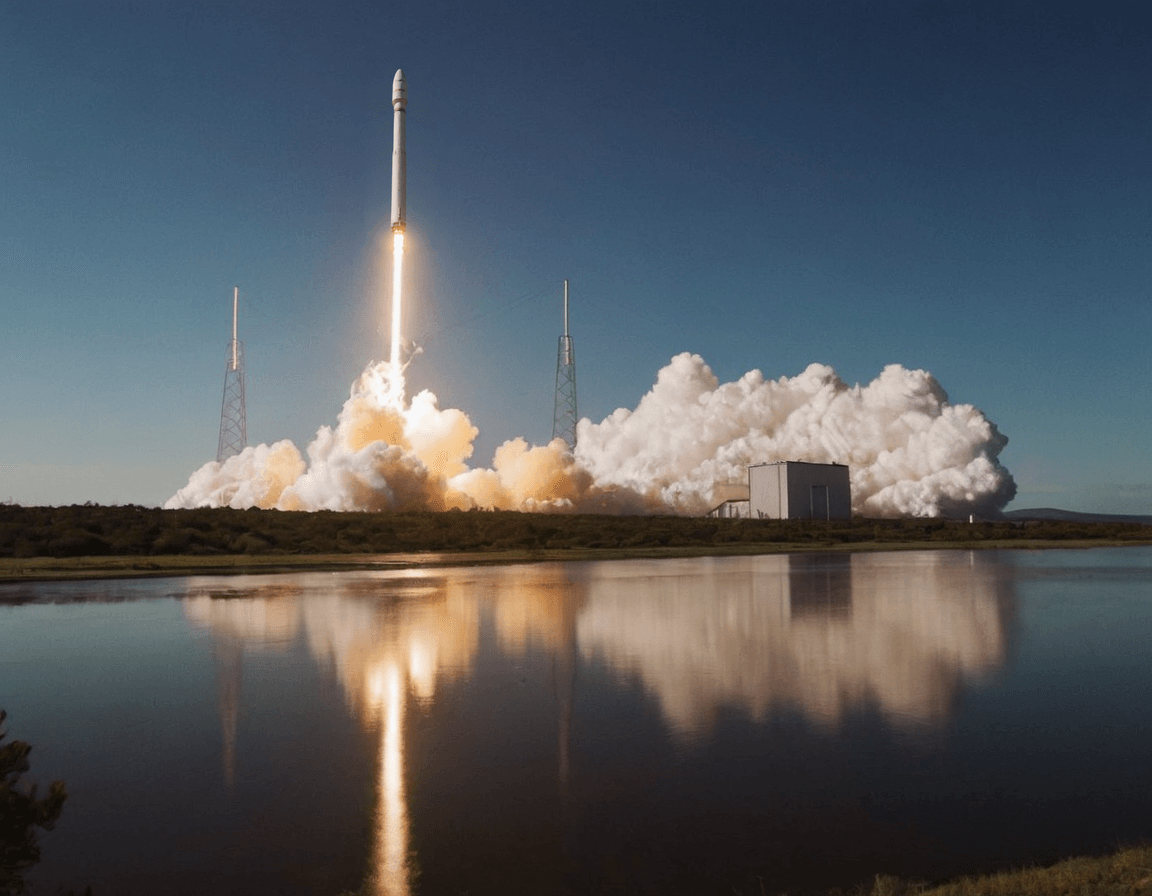
The FAA grounds SpaceX's Falcon 9 rocket after a launch mishap, potentially impacting NASA's crewed missions and disrupting SpaceX's ambitious launch schedule.

Today's brief covers China's latest classified satellite launch, breakups in orbital refueling experiments, exciting advancements in microsatellites, and SpaceX's remarkable strides in spaceflight.
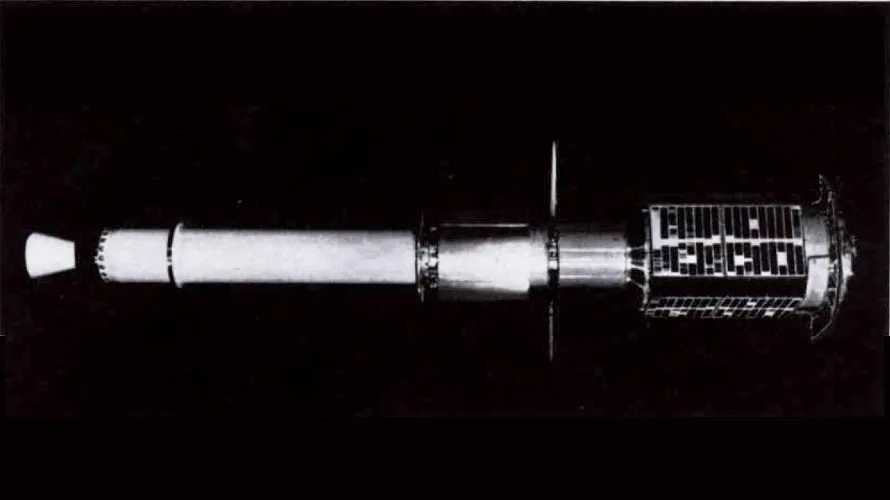
On April 27, 1961, a Scout rocket lifted a 37-kilogram NASA satellite into orbit from Wallops Island carrying the first serious instrument for detecting cosmic gamma rays. Explorer 11 operated for seven months before its tape recorder failed. In that time it registered 22 gamma-ray photons - a pitiful number by modern standards, but enough to launch an entire branch of astronomy.
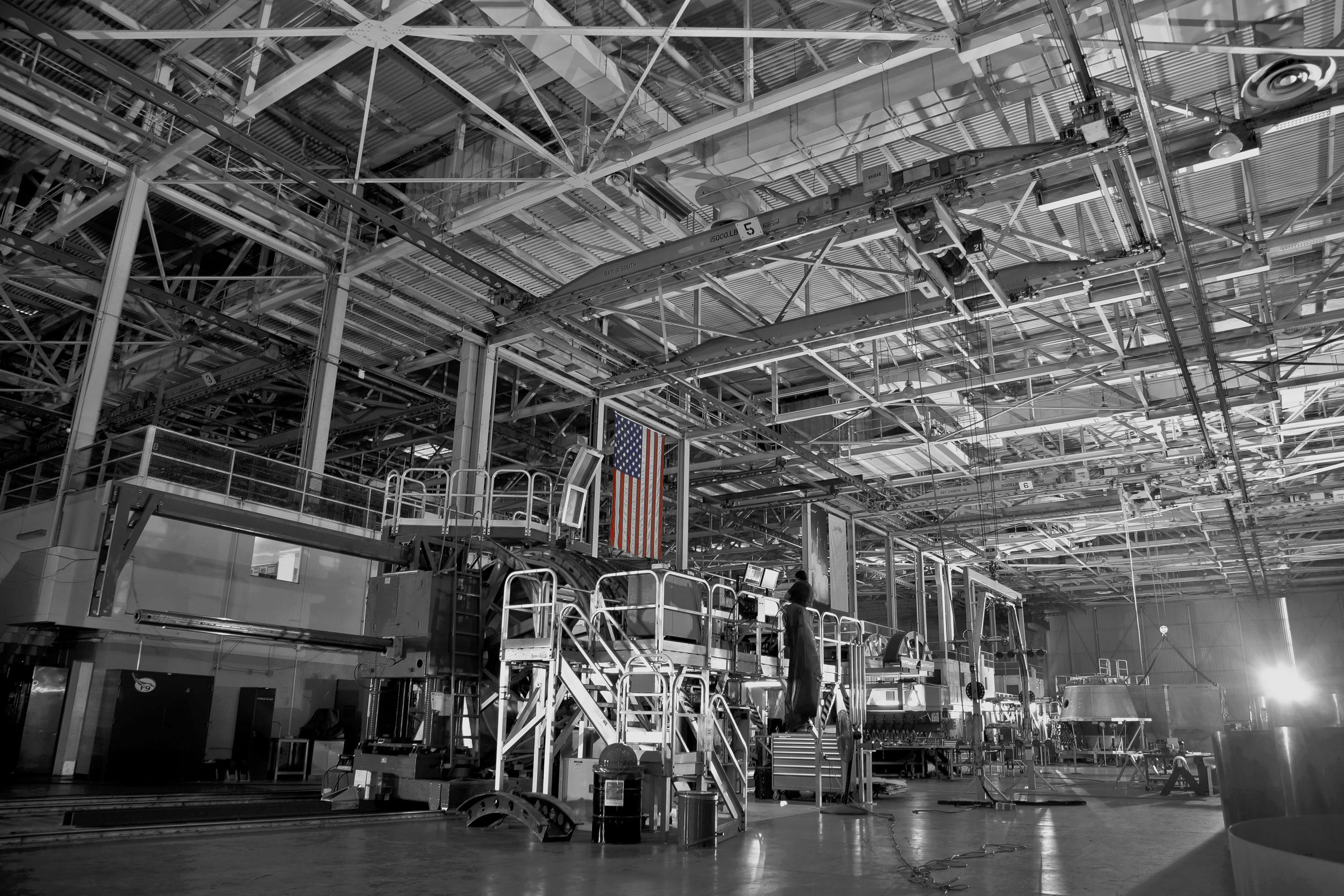
SpaceX reveals plans for Florida Starship launches, NASA teams up for dual missions, and FCC boosts satellite connectivity.
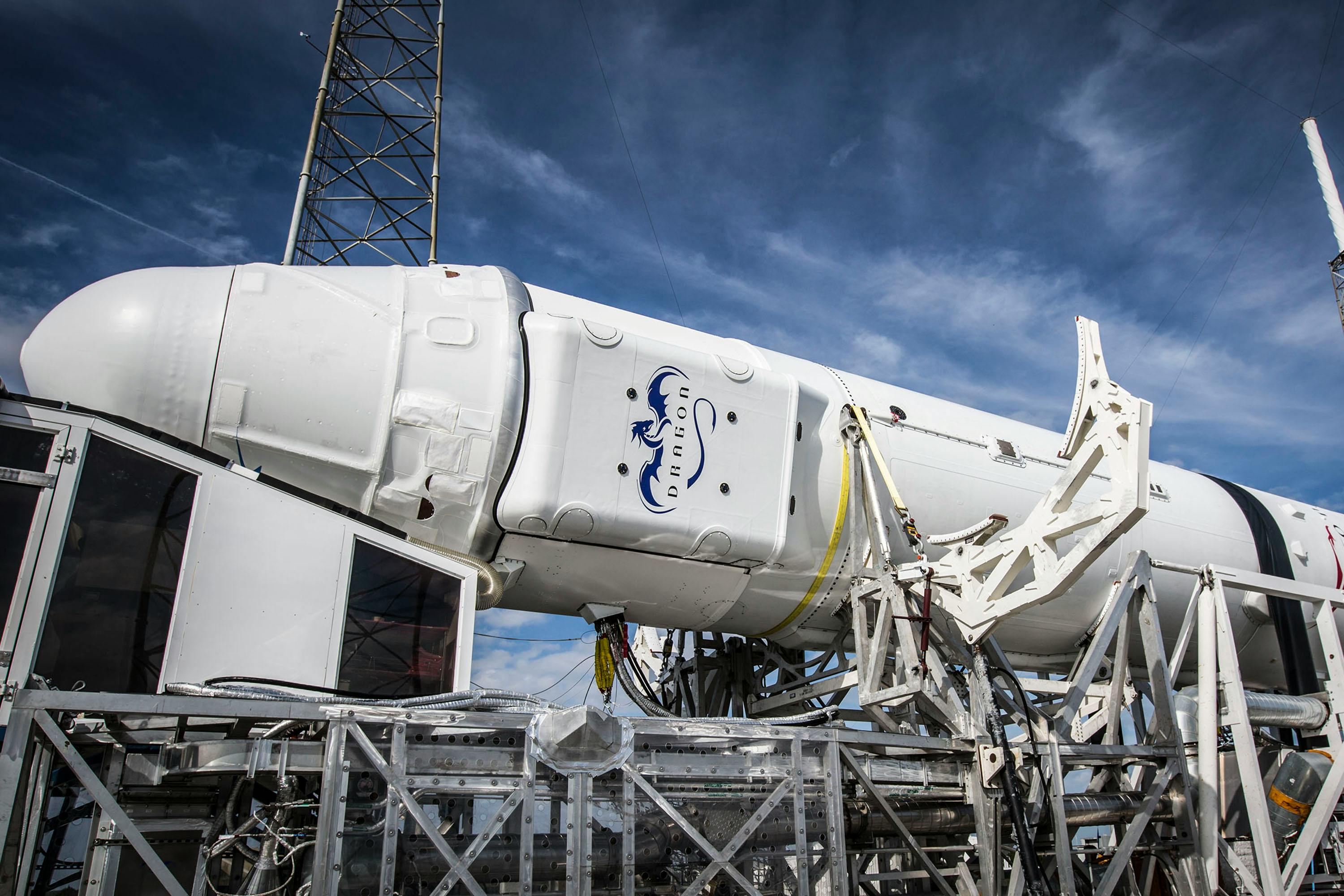
SpaceX successfully launched 27 Starlink satellites, marking another milestone for its broadband internet service. Meanwhile, the latest GPS III satellite was also launched for the U.S. military, showcasing SpaceX's multifaceted capabilities.
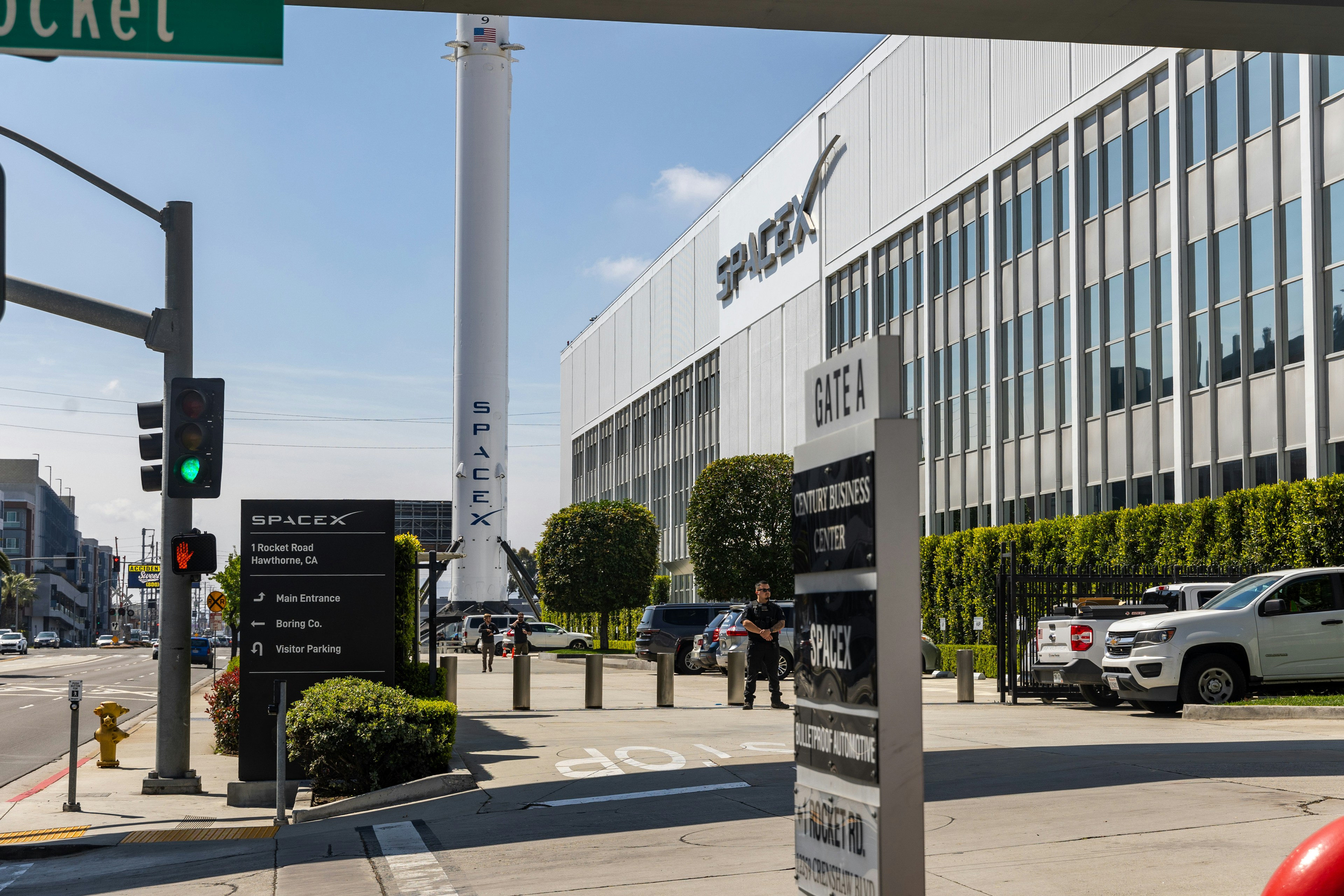
SpaceX continues to make strides with its Starship program while successfully launching another batch of Starlink satellites into orbit, enhancing global internet coverage.
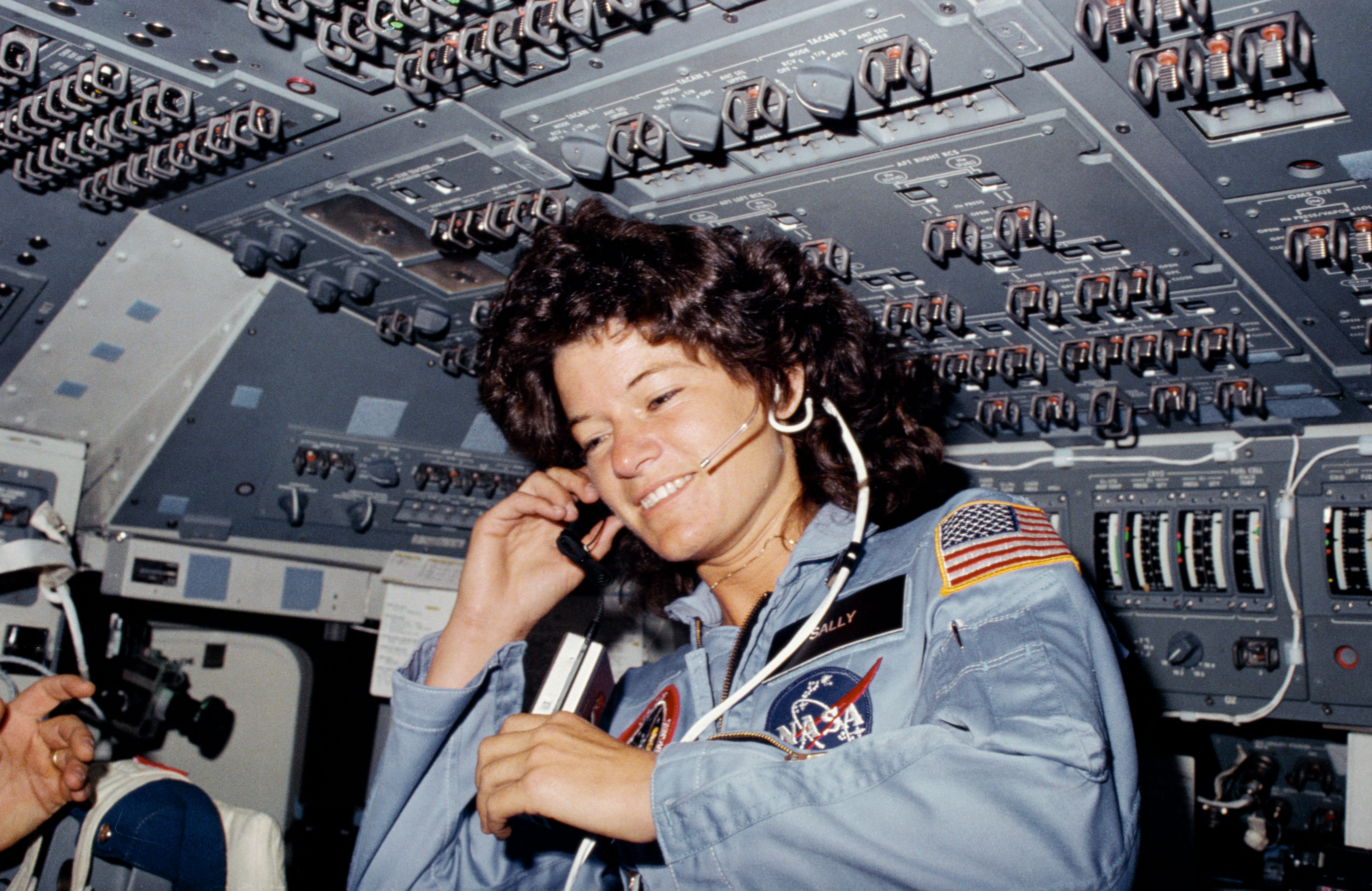
At 7:33 on the morning of 18 June 1983, a 32-year-old astrophysicist named Sally Ride rode Challenger off Pad 39A and became the first American woman in space. She got there two decades after the Soviets, and only after months of being asked whether spaceflight would damage her reproductive organs and whether she planned to cry.