


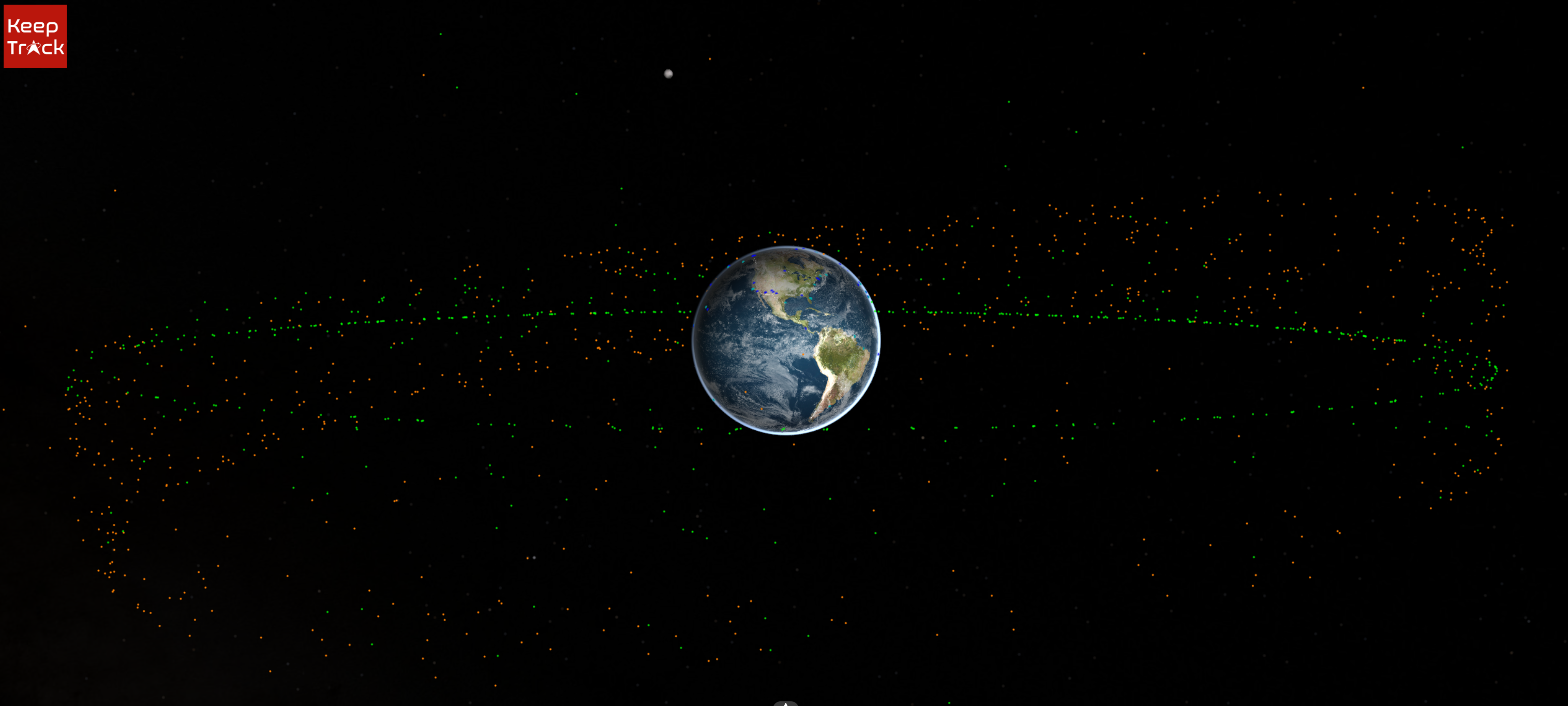
Graveyard Orbit
The final resting place for retired satellites, a disposal orbit where defunct spacecraft are sent to stay out of the way


Launch Date
December 11, 1978
Launch Site
AFWTR
Launch Pad
SLC3E
Launch Vehicle
Atlas F/SVS
NORAD ID
11142
International Designator
1978-112B
Epoch
Sat, 04 Jul 2026 03:39:24 GMT
Apogee
Calculating...
Perigee
Calculating...
Inclination
64.26°
Right Ascension
132.47°
Eccentricity
Calculating...
Argument of Perigee
247.89°
Period
269.35 min
Mean Motion
5.35 rev/day
Latitude
Calculating...
Longitude
Calculating...
Altitude
Calculating...
Velocity
Calculating...
Name
ATLAS F R/B
Alternative Name
SVS Stage 2
Type
Status
Owner
SAMSO
Country
United States
Constellation
N/A
Related Satellites
Major Events
N/A
1 11142U 78112B 26185.15236143 .00000027 00000-0 00000-0 0 9994
2 11142 64.2580 132.4663 4642718 247.8891 57.5248 5.34628667916589
Source: Celestrak
Length
1.8
Diameter
0.9
Span
1.8
Dry Mass
157
Launch Mass
1197
Shape
Cyl + Cone
Radar Cross Section
1.4463
Visual Magnitude
Unknown
Color
Unknown
Material Composition
Unknown
Payload
Star 37E S/N 40071
Purpose
Unknown
Mission
Unknown
Manufacturer
THKE
Life Expectancy
Unknown
Bus
Star 37
Configuration
Unknown
Motor
Unknown
Equipment
Unknown
Power System
Unknown
ADCS
Unknown
Transmitter Frequency
Unknown
Learn more about satellites and other related topics.
The final resting place for retired satellites, a disposal orbit where defunct spacecraft are sent to stay out of the way

Today's brief explores a simulated 'dogfight' in space by Chinese satellites, insights into a cloud platform by Oracle and Singapore's defense agency, and more space-related developments.
Stay updated on key orbital events including Rocket Lab's upcoming launch, significant legislative moves in space traffic management, and changes in defense policies impacting space operations.
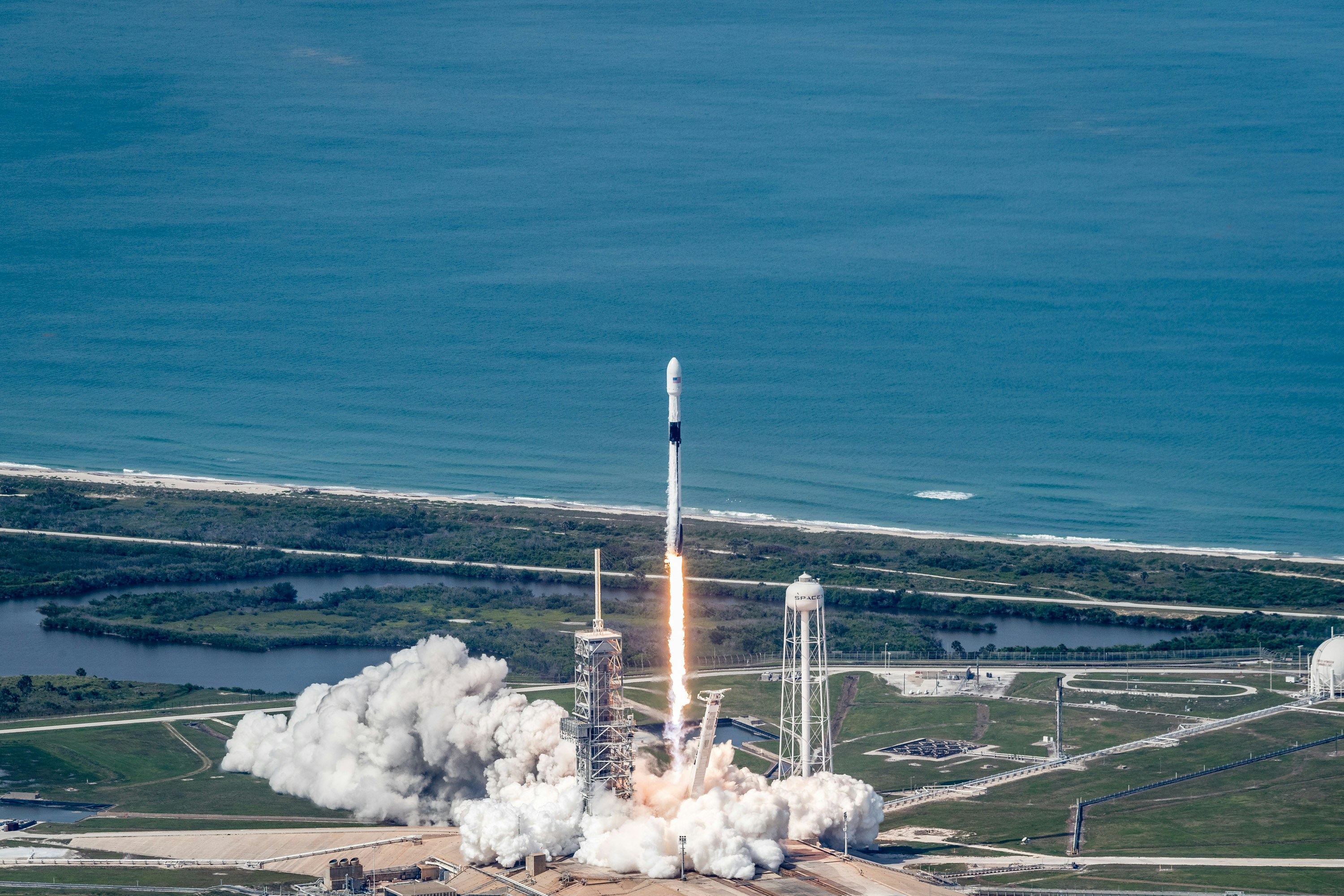
SpaceX conducted multiple successful launches this week, adding to its Starlink constellation and marking significant milestones in its ongoing missions.
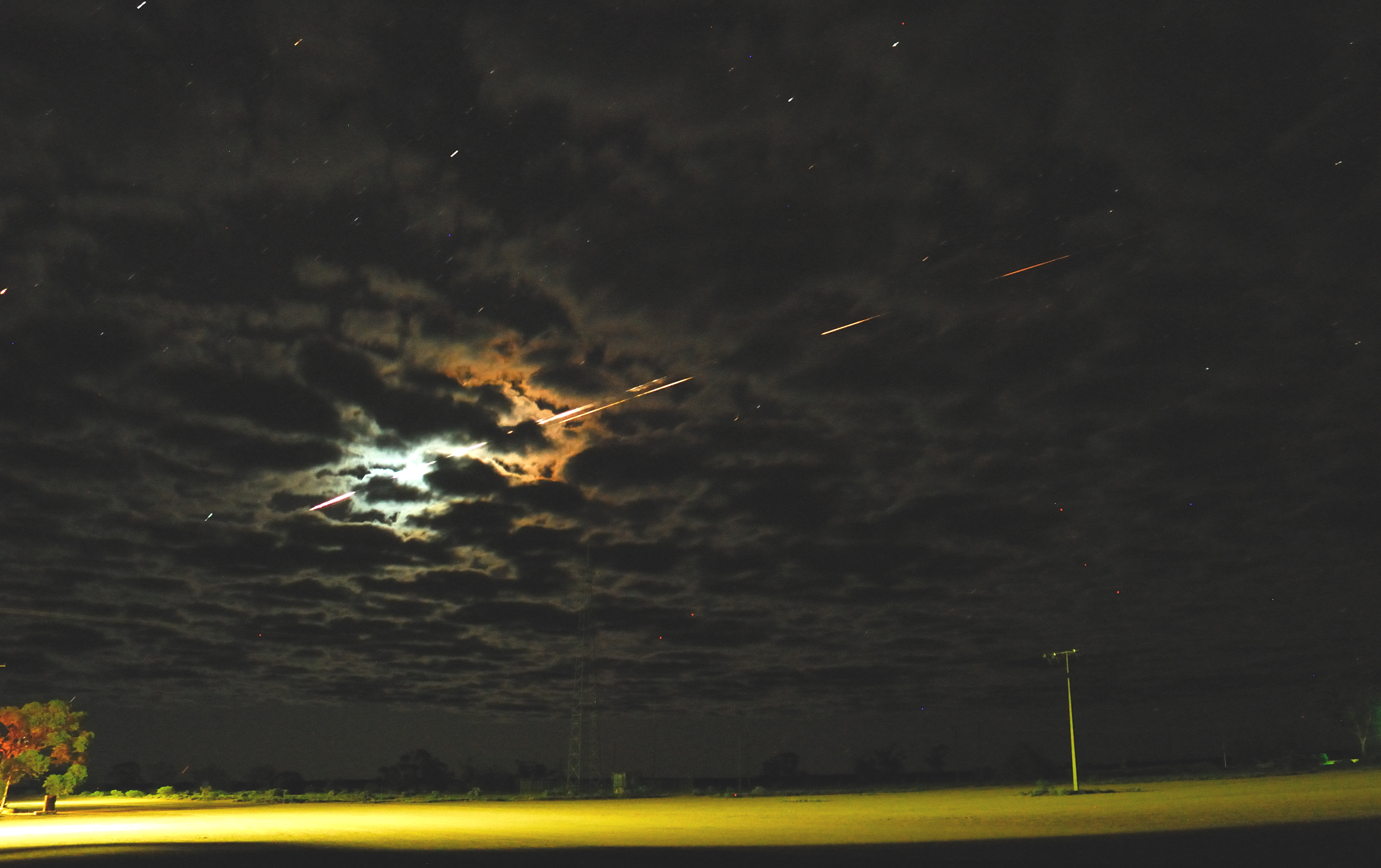
Sixteen years ago today, a fireball tore across the Australian outback. Most of it was a dying Japanese spacecraft burning up after a seven-year ordeal. The bright dot racing ahead of the wreckage was a capsule holding the first grains of an asteroid ever returned to Earth.

Blue Origin aiming for 2nd New Glenn launch by end of 2026 after LC-36 pad explosion at Cape Canaveral. Repair timeline still unclear; mission critical for national security payloads.
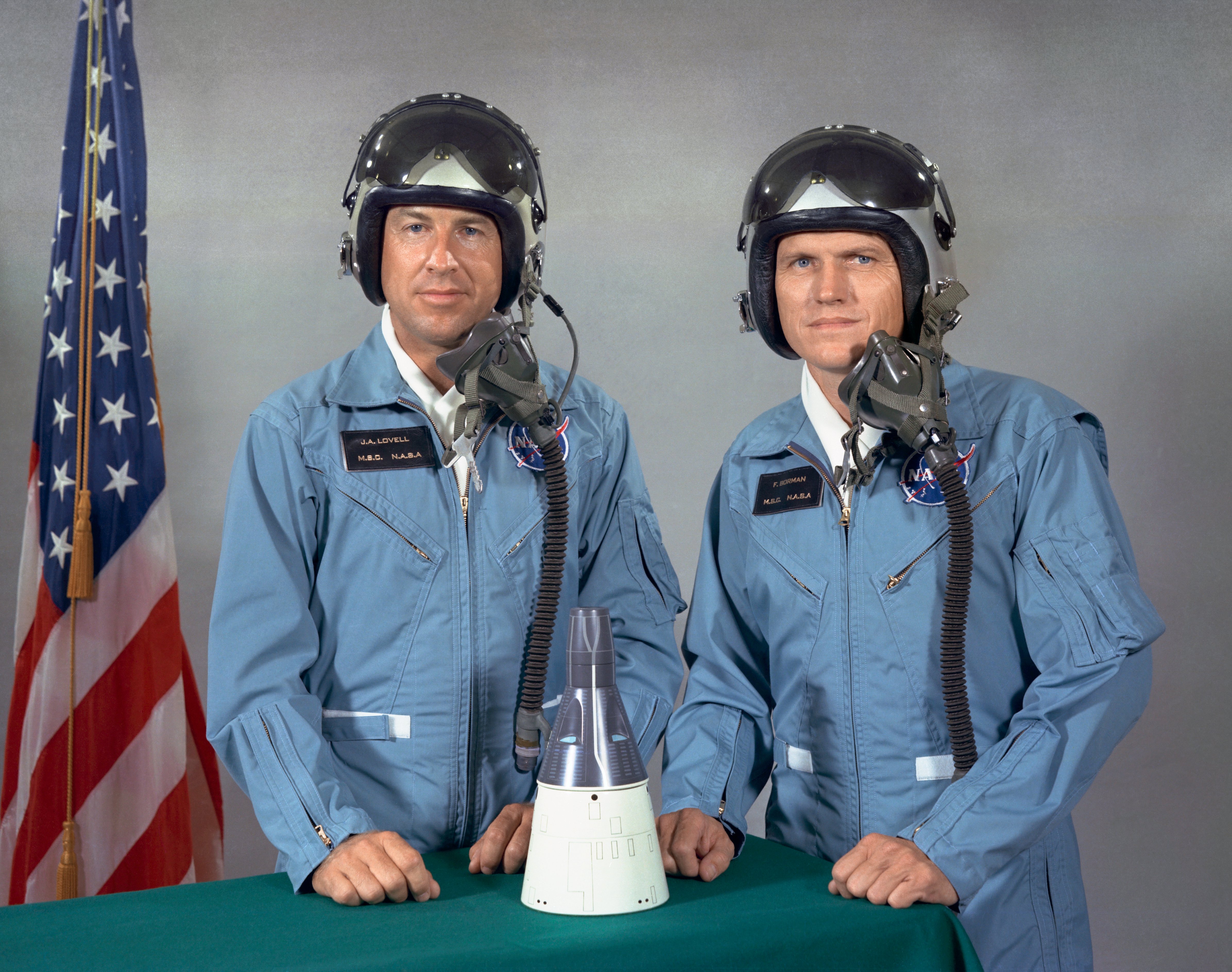
Sixty years ago, Frank Borman and James Lovell launched aboard Gemini 7 for a grueling 14-day mission that would prove humans could endure the journey to the moon and achieve the first true rendezvous in space
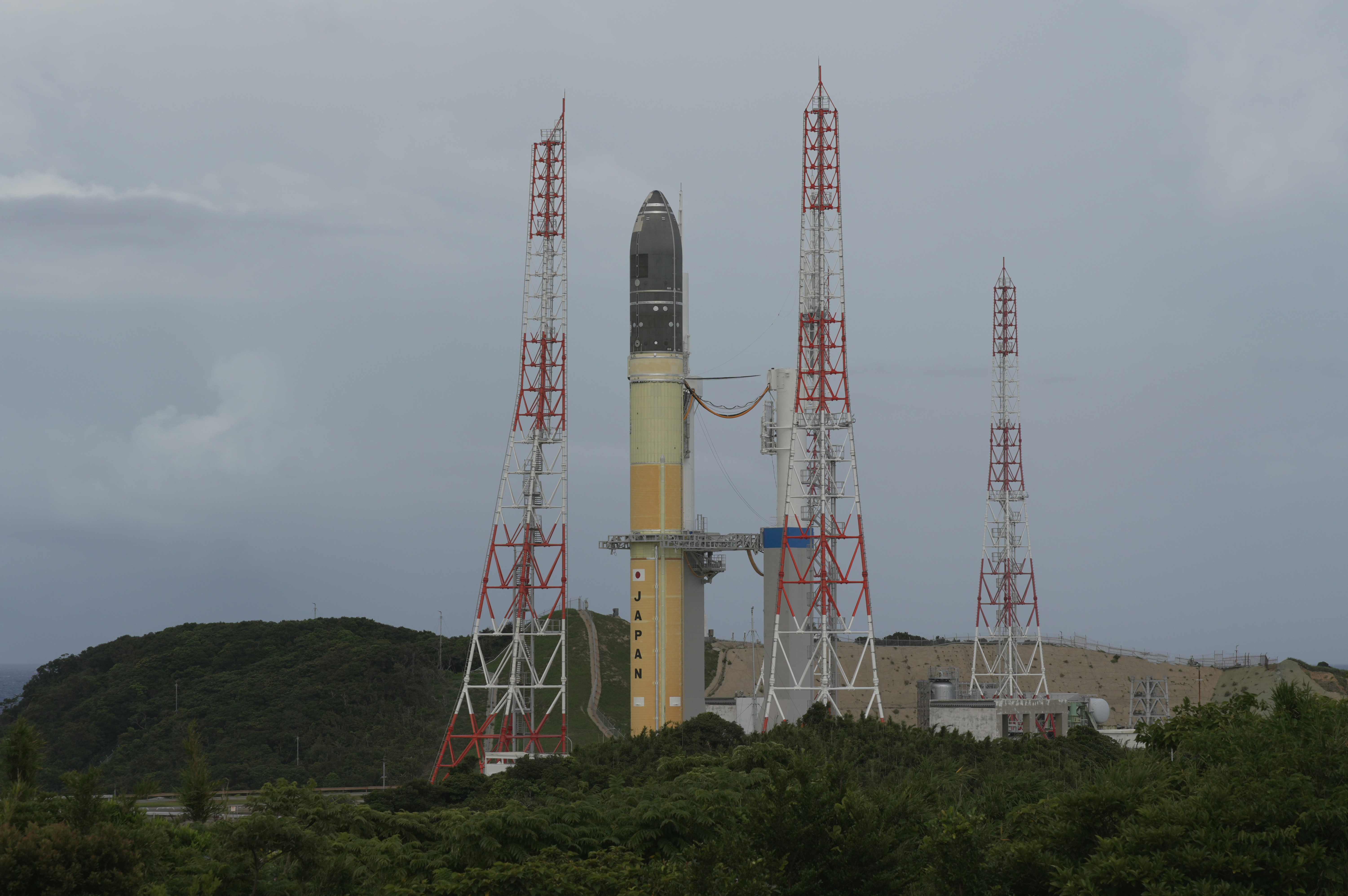
NASA demands Blue Origin find alternate launcher for Artemis moon landers after New Glenn test explosion damaged Cape Canaveral LC-36. Schedule risk to lunar missions.