SALYUT 6 DEB (11033)

COSPAR: 1977-097V | Alt Name: Garbage bag
DECAYED

Image
SALYUT 6 DEB Satellite Image
Additional Sources
Launch Details

Launch Date

September 29, 1977

Launch Pad

LC31

Launch Vehicle

Soyuz-U

Orbital Elements

NORAD ID

11033

International Designator

1977-097V

Decay Date

10/14/1978

Basic Satellite Info

Name

SALYUT 6 DEB

Alternative Name

Garbage bag

Type

Debris

Status

Space Junk

Owner

NPOE

Country

USSR

Constellation

N/A

Related Satellites

Major Events

N/A

Summary
Space debris, also known as space junk, encompasses all non-functional objects orbiting Earth such as defunct satellites, spent rocket stages, and fragments from collisions or disintegrations. Over time, this debris can accumulate and create an increasingly hazardous environment in orbit. Even tiny fragments, traveling at extremely high velocities, can inflict significant damage on operational satellites and spacecraft. If left unmanaged, the density of debris raises the risk of catastrophic collisions and further fragmentation, compounding the problem and threatening the safety and sustainability of space activities.
Physical Characteristics

Length

0

Diameter

0

Span

0

Dry Mass

0

Launch Mass

0

Shape

N/A

Radar Cross Section

Unknown

Visual Magnitude

Unknown

Color

Unknown

Material Composition

Unknown

Technical Details

Payload

Unknown

Purpose

Unknown

Mission

Unknown

Manufacturer

Unknown

Life Expectancy

Unknown

Bus

Unknown

Configuration

Unknown

Motor

Unknown

Equipment

Unknown

Power System

Unknown

ADCS

Unknown

Transmitter Frequency

Unknown

Satellite Articles

View All Posts »

Learn more about satellites and other related topics.

The Day Two Satellites Hit Each Other at 26,000 MPH

The Day Two Satellites Hit Each Other at 26,000 MPH

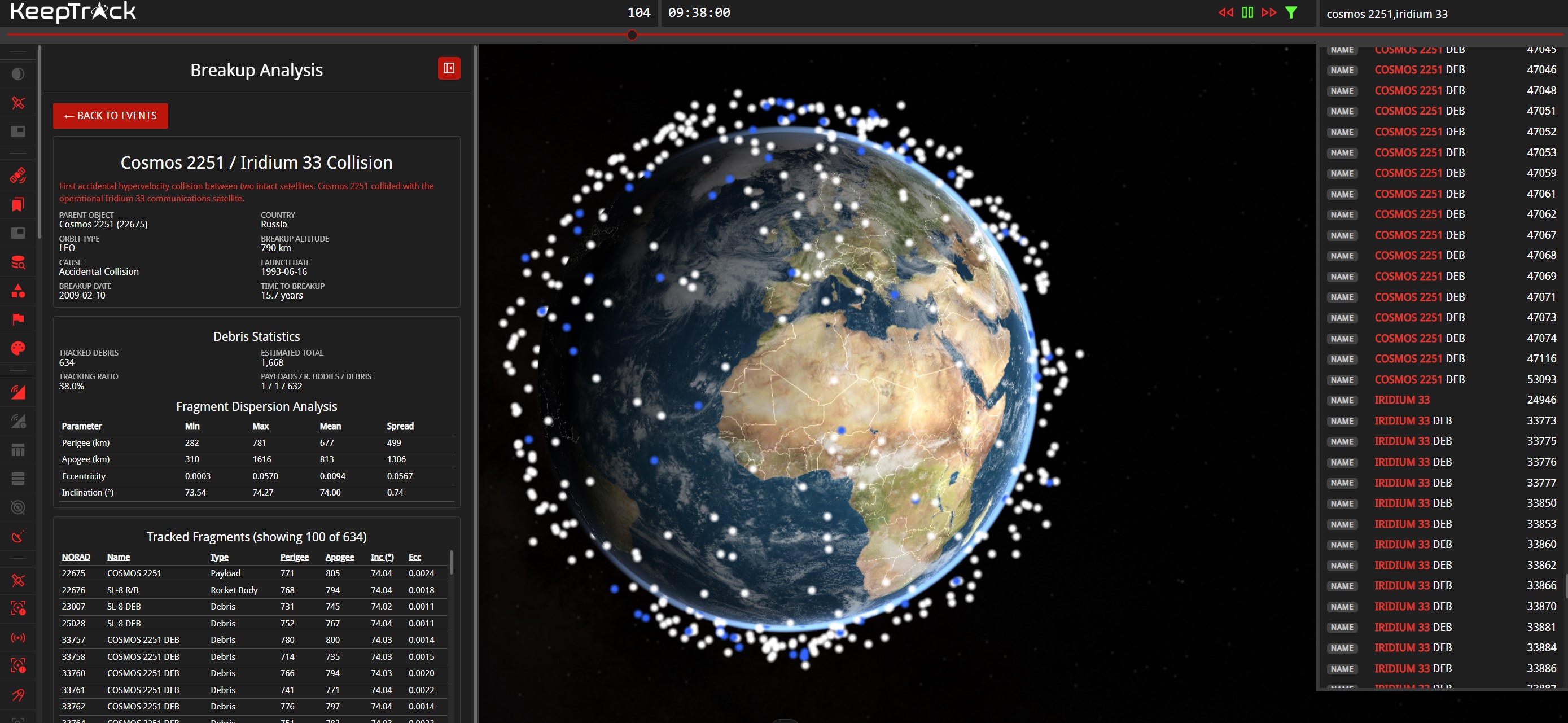
On February 10, 2009, an active Iridium communications satellite and a derelict Soviet military spacecraft slammed into each other 789 kilometers above Siberia. The collision produced more than 2,300 pieces of trackable debris that are still up there. Seventeen years later, the Iridium-Cosmos collision remains the event that made space debris a policy problem the world could no longer ignore.
The Day Earth Became a Pale Blue Dot

The Day Earth Became a Pale Blue Dot

Thirty-five years ago, Voyager 1 captured a revolutionary series of images from the edge of our solar system, forever changing how humanity sees its place in the cosmos

X Report 20 Jul 2025

X Report 20 Jul 2025

SpaceX successfully launched 24 Starlink satellites, enhancing its constellation while continuing its leadership in satellite deployment for global internet coverage.

Space Brief 31 Oct 2024

Space Brief 31 Oct 2024

SpaceX achieves a new launch record with its Starlink mission, NASA's Perseverance rover captures eerie Martian winds, and Buzz Aldrin endorses Trump. Plus, discussions around space debris and military space tech agreements.

X Report 21 Oct 2025

X Report 21 Oct 2025

NASA considers opening the Artemis 3 lander to new bids as delays surface, while SpaceX gears up for multiple Falcon 9 launches this week and secures a redevelopment nod for SLC-6.

Space Brief 16 Jan 2025

Space Brief 16 Jan 2025

Explore today's pivotal news in space with highlights on record government space budgets, military satellite developments, and significant industry shifts.

Reentry

Reentry

What happens when space objects come home: the fiery physics of returning from orbit and why predicting where debris lands is so difficult

Mike Melvill, 124 Meters, and the Morning Space Went Private

Mike Melvill, 124 Meters, and the Morning Space Went Private

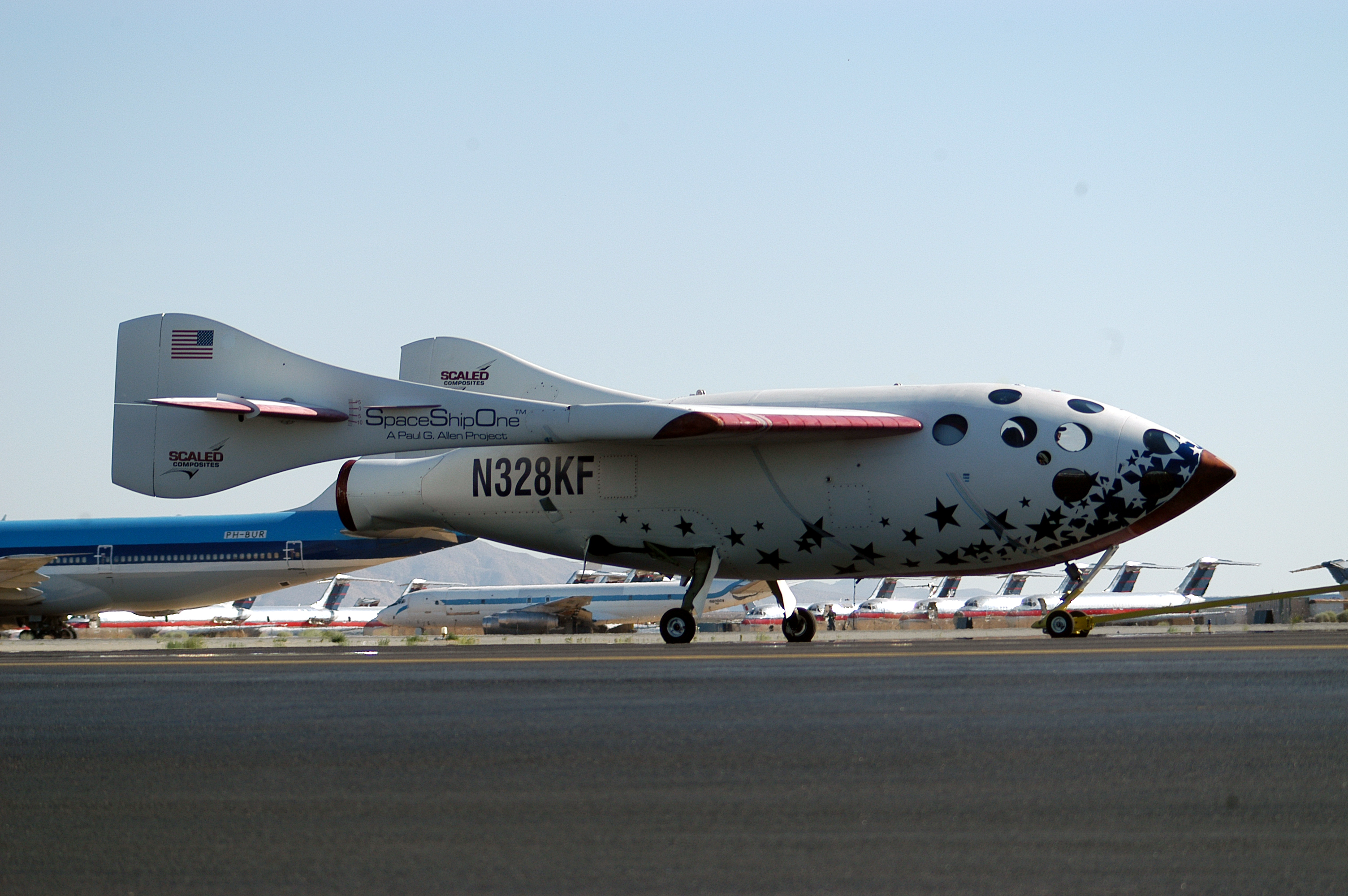
On 21 June 2004, a 63-year-old test pilot rode a homebuilt rocket plane to 100,124 meters above the Mojave Desert, clearing the edge of space by about the length of a city block. He came down the first private astronaut in history, holding a sign that read 'SpaceShipOne, GovernmentZero.'