


SpaceX Launches 2 Starlink Batches in 48 Hours, Both Coasts | KeepTrack X Report
SpaceX launched Starlink batches from Vandenberg and Cape Canaveral within 48 hours, pushing the active constellation toward 10,000 operational satellites.


Launch Date
September 19, 1978
Launch Site
PLMSC
Launch Pad
LC43/3
Launch Vehicle
Soyuz-U
NORAD ID
11029
International Designator
1978-088A
Decay Date
10/2/1978
Name
COSMOS 1032
Alternative Name
Kosmos-1032
Type
Status
Owner
GUKOSR
Country
USSR
Constellation
N/A
Related Satellites
Major Events
N/A
Apologies, there is no summary for this satellite yet. I am working to generate these for every object in the catalog, but it is going to take time.
Length
6.5
Diameter
2.4
Span
6.5
Dry Mass
2200
Launch Mass
2200
Shape
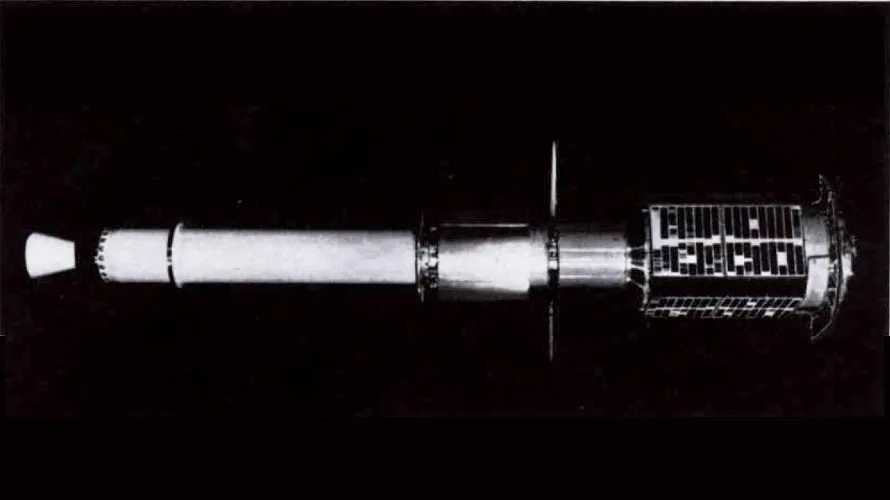
Sphere + DCone
Radar Cross Section
Unknown
Visual Magnitude
Unknown
Color
Unknown
Material Composition
Unknown
Payload
Gektor No. 94L
Purpose
Unknown
Mission
Unknown
Manufacturer
TSSKB
Life Expectancy
Unknown
Bus
Zenit-2M
Configuration
Unknown
Motor
Unknown
Equipment
Unknown
Power System
Unknown
ADCS
Unknown
Transmitter Frequency
Unknown
Learn more about satellites and other related topics.
SpaceX launched Starlink batches from Vandenberg and Cape Canaveral within 48 hours, pushing the active constellation toward 10,000 operational satellites.
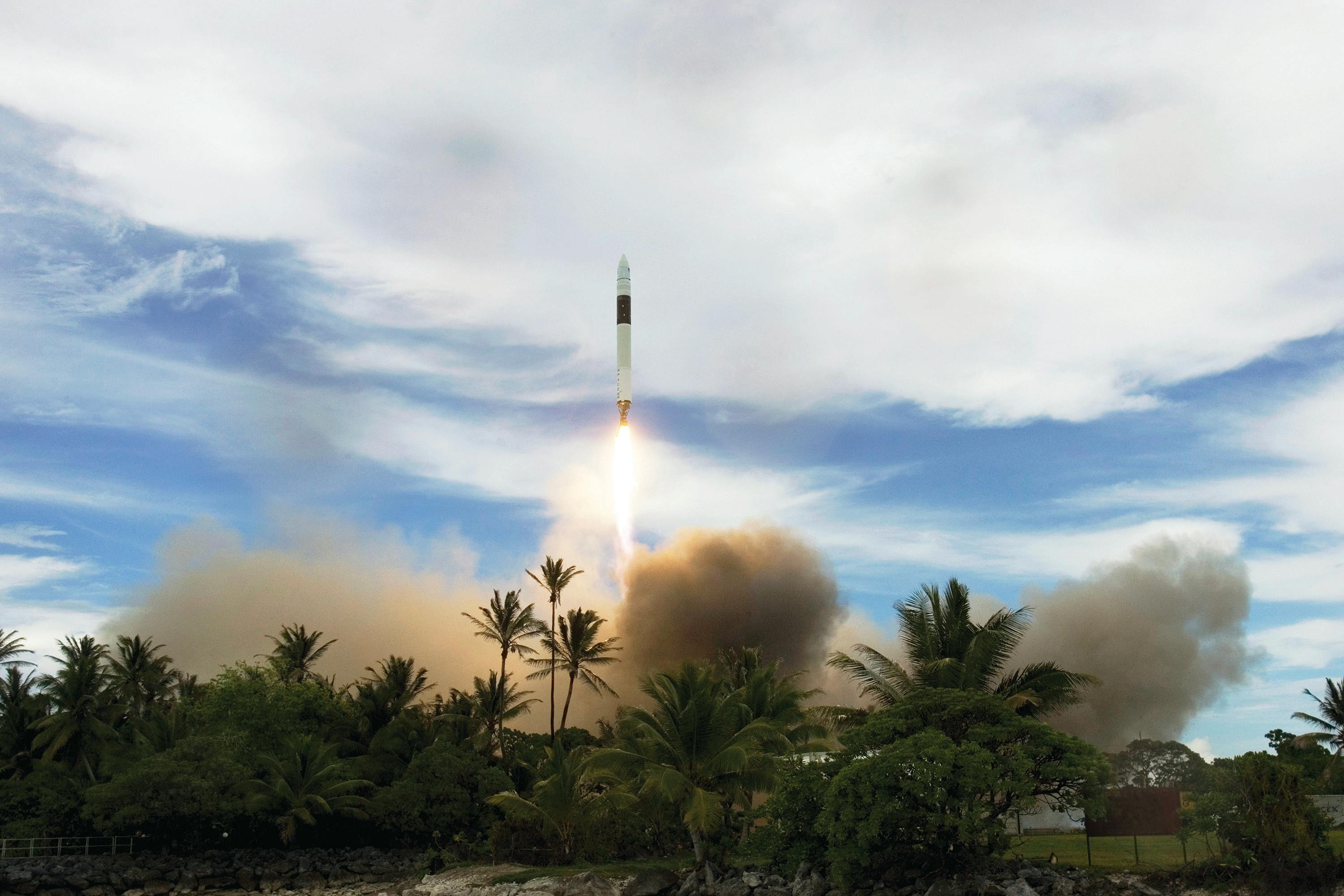
SpaceX launches 24 Starlink satellites, pushing its 2025 total beyond 2,000, while facing community pushback in Florida for its Starship operations.

Today's briefing covers the US Space Force's pivotal journeys, emerging hypersonic weaponry, and innovative drone technologies, with a special satellite update featuring Jackal X-1L-001.
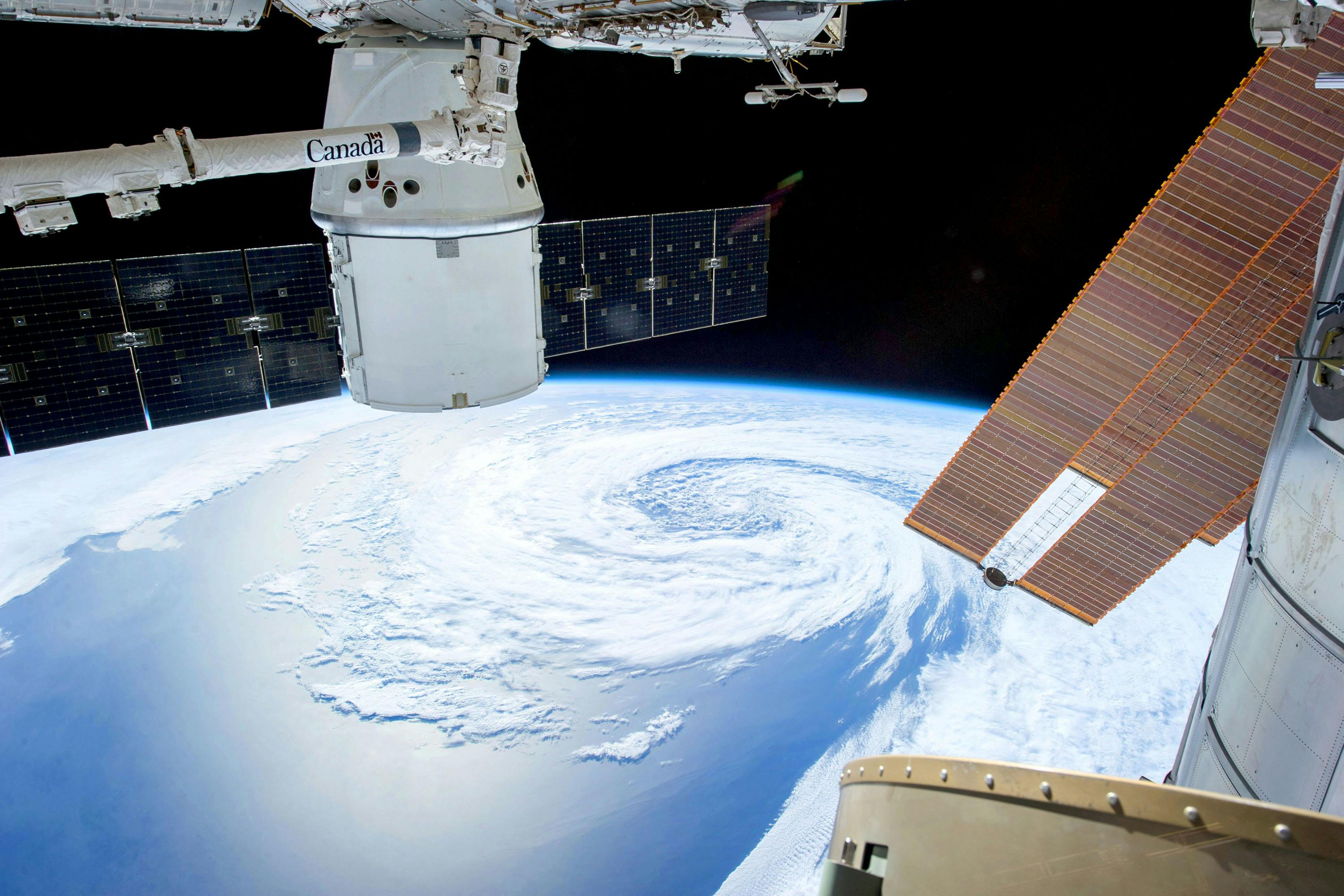
SpaceX successfully rotates Crew-9 and Crew-10 on the ISS and launches new Starlink satellites with direct-to-cell capability.
On April 27, 1961, a Scout rocket lifted a 37-kilogram NASA satellite into orbit from Wallops Island carrying the first serious instrument for detecting cosmic gamma rays. Explorer 11 operated for seven months before its tape recorder failed. In that time it registered 22 gamma-ray photons - a pitiful number by modern standards, but enough to launch an entire branch of astronomy.
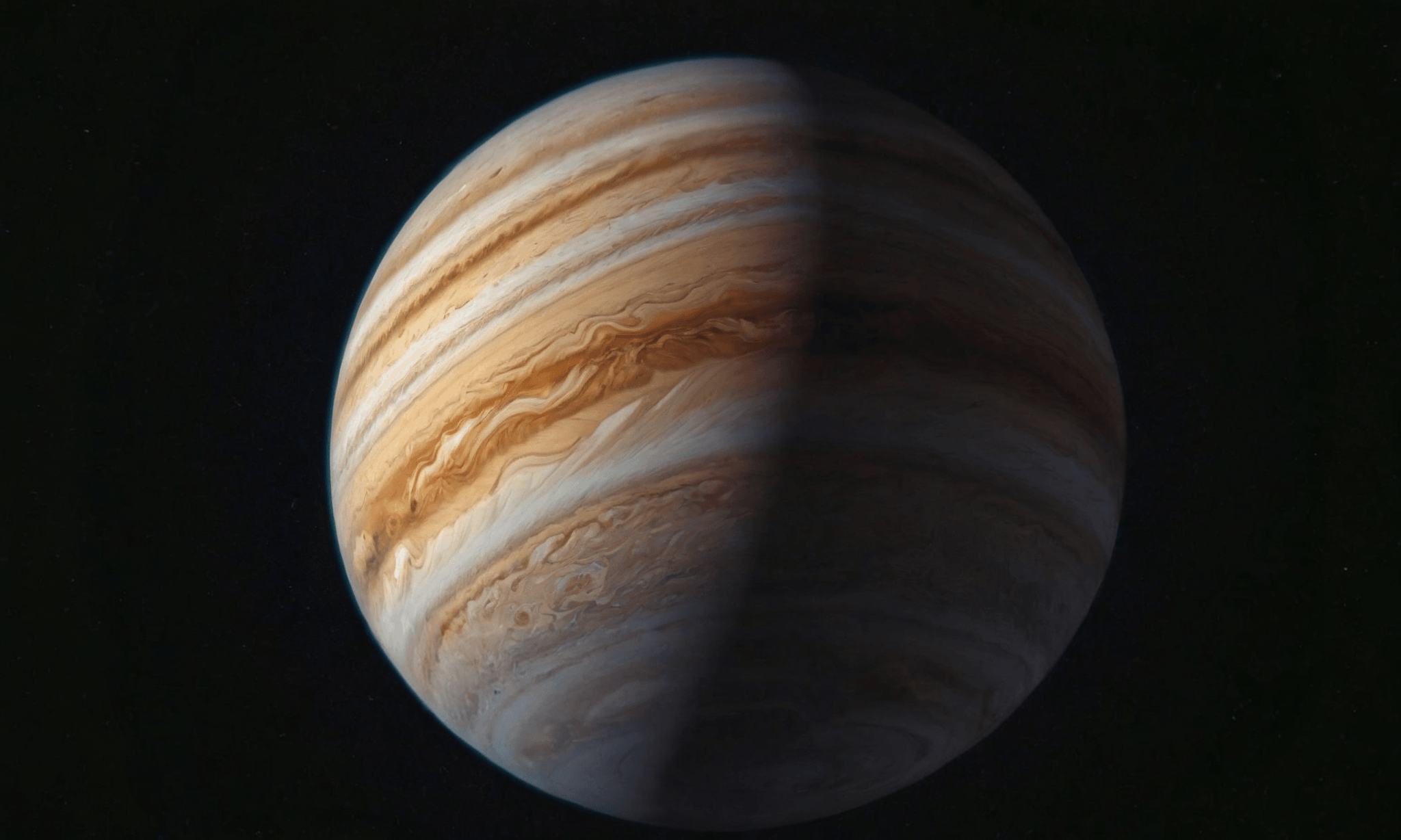
Today’s Space Brief covers a rescued lunar orbiter, a thorough pre-launch check for a Jupiter-bound mission, and leadership changes in a satellite communication company. We also spotlight a recently launched CubeSat and an innovative act of deorbiting.

Discover key developments in space defense and military operations, including new leadership for Space Force's 'Golden Dome,' SpaceX's contract for a military SATCOM network, and increased Israeli-Iranian missile activity.

Today's brief covers a groundbreaking national security mission for ULA's Vulcan, NASA's collaboration with LeoLabs for enhanced collision avoidance, and SEOPS' new satellite tracking services, among other key developments.