



Space Brief 22 Aug 2025
SpaceX's X-37B spaceplane launch, featuring advanced tech, highlights today’s space events. The launch of the first reprogrammable navigation satellite by the US Space Force is another significant milestone.


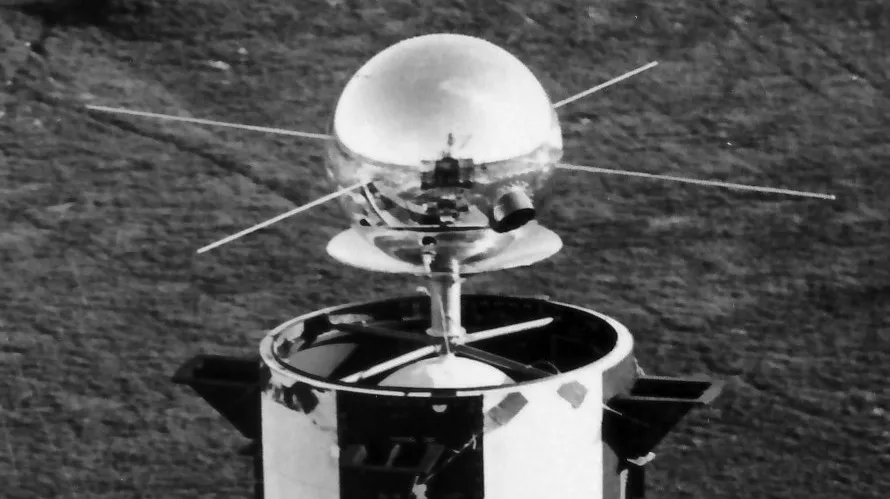
Launch Date
February 17, 1959
Launch Site
Launch Pad
LC-18A
Launch Vehicle
Vanguard SLV-4
NORAD ID
00011
International Designator
1959-001A
Epoch
Sat, 04 Jul 2026 06:04:05 GMT
Apogee
Calculating...
Perigee
Calculating...
Inclination
32.87°
Right Ascension
20.55°
Eccentricity
Calculating...
Argument of Perigee
154.06°
Period
120.95 min
Mean Motion
11.91 rev/day
Latitude
Calculating...
Longitude
Calculating...
Altitude
Calculating...
Velocity
Calculating...
Name
Vanguard 2
Alternative Name
Vanguard II
Type
Status
Country
United States
Constellation
N/A
Related Satellites
Major Events
First weather satellite launched; provided data on Earth's cloud cover and atmospheric density.
1 00011U 59001A 26185.25284651 .00001694 00000-0 88490-3 0 9994
2 00011 32.8684 20.5518 1444956 154.0557 214.0298 11.90559699537506
Source: Celestrak
Length
0.508
Diameter
0.508
Span
0.508
Dry Mass
10.75
Launch Mass
10.75
Shape
Spherical
Radar Cross Section
0.3823
Visual Magnitude
10.2
Color
Externally covered with an aluminum deposit coated with silicon oxide
Material Composition
Magnesium sphere internally gold-plated and externally covered with an aluminum deposit coated with silicon oxide.
Payload
Optical scanner for cloud cover data and instruments to measure atmospheric density.
Purpose
Science
Mission
Designed to measure cloud-cover distribution over the daylight portion of its orbit and to provide information on the density of the atmosphere.
Manufacturer
Naval Research Laboratory
Life Expectancy
The satellite's optical scanner experiment was designed to operate for 19 days; however, due to an unsatisfactory orientation of the spin axis, the data obtained was poor.
Bus
Vanguard
Configuration
Vanguard 2E
Motor
None
Equipment
Two optical telescopes with photocells for measuring sunlight reflected from Earth's surface and cloud cover.
Power System
Mercury batteries
ADCS
Spin-stabilized at approximately 50 rpm
Transmitter Frequency
108.00 MHz, 108.03 MHz
Learn more about satellites and other related topics.
SpaceX's X-37B spaceplane launch, featuring advanced tech, highlights today’s space events. The launch of the first reprogrammable navigation satellite by the US Space Force is another significant milestone.
Today's highlights include SpaceX's 250th Starlink mission, a key Senate vote for NASA's next administrator, and insights into satellite missions and movements.
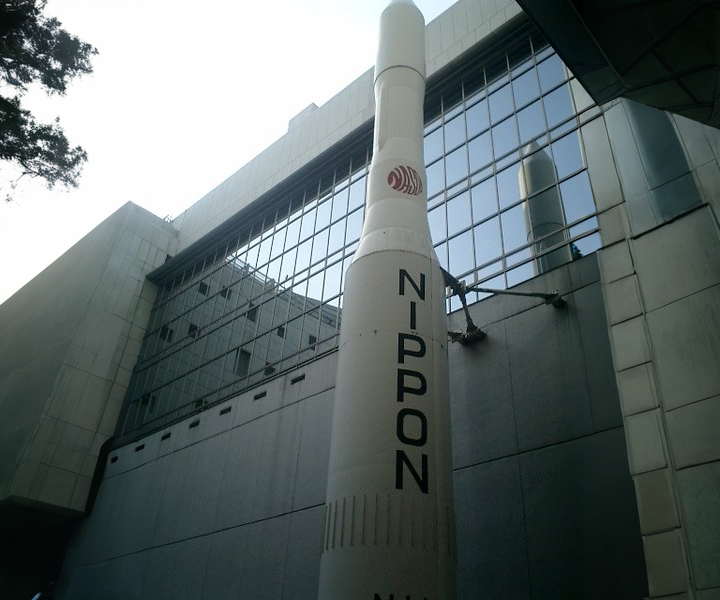
Forty-eight years ago, a pioneering satellite named Kiku 2 propelled Japan into the exclusive group of nations capable of operating satellites in geostationary orbit
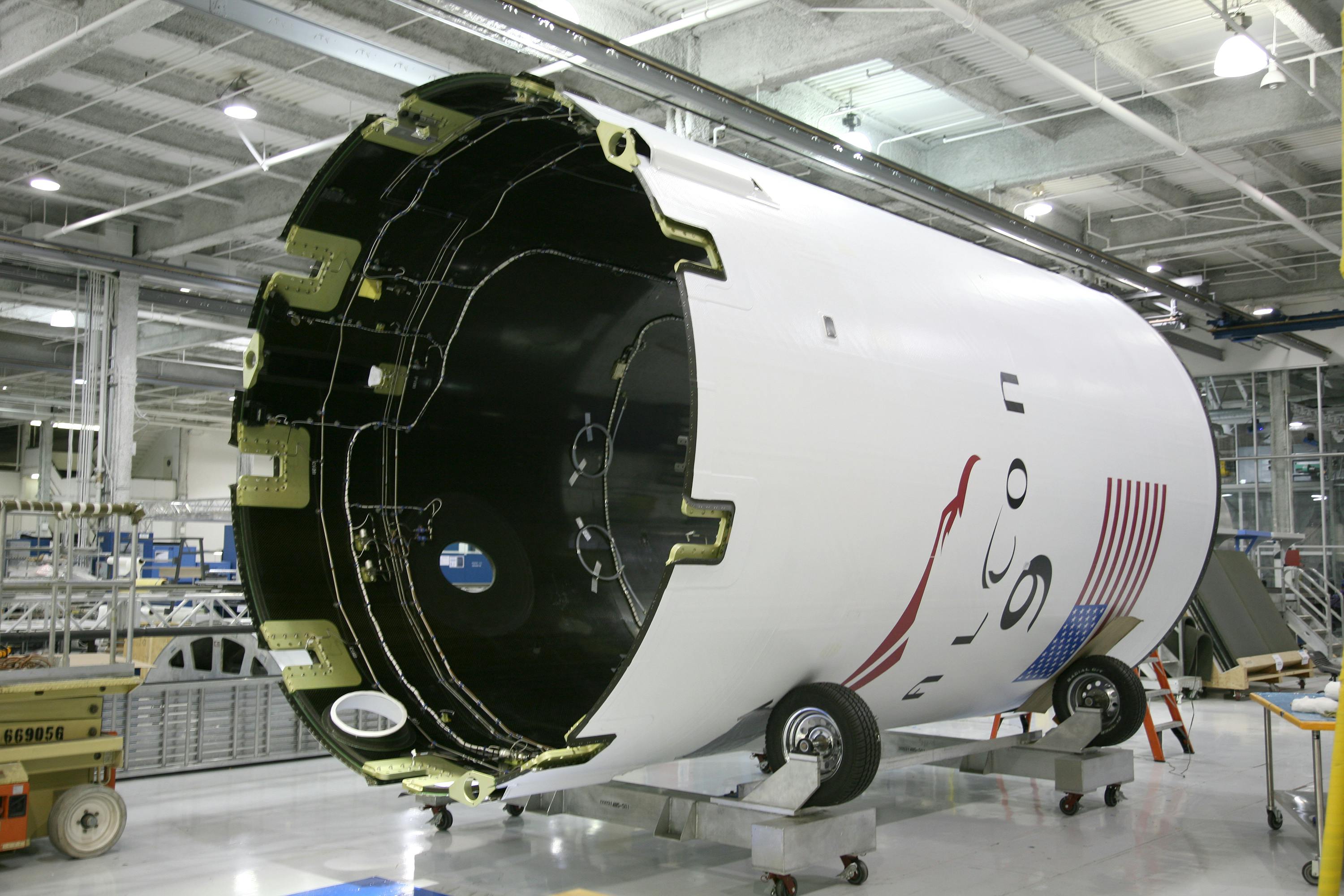
SpaceX flew a Falcon 9 booster for a record 35th time on July 10, deploying 29 Starlink satellites as direct-to-cell tech expands to pet collars.

Today's brief covers China's Beidou satellite plans, SpaceX's Starship advancements, potential Space Command HQ relocation, and more.

Blue Origin's New Glenn rocket exploded during ground testing May 28, visible from hundreds of miles across Florida. Fireball halts vehicle pending failure investigation.
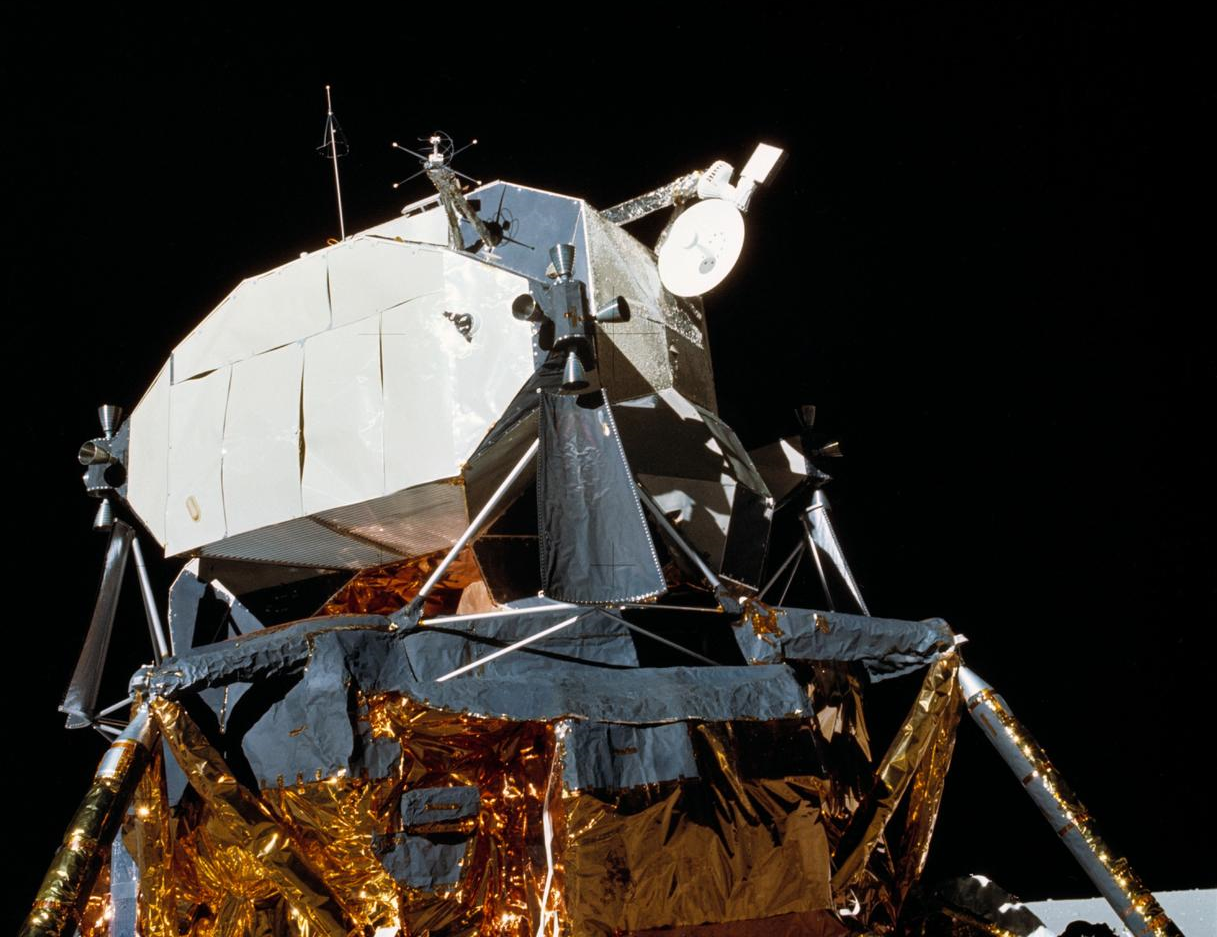
Six hours behind schedule, with a backup engine system shuddering in lunar orbit and mission controllers in Houston running out of options, Apollo 16 came within one meeting of being sent home without landing. The problem was a wobble in a gimbal. The solution was math done under pressure.
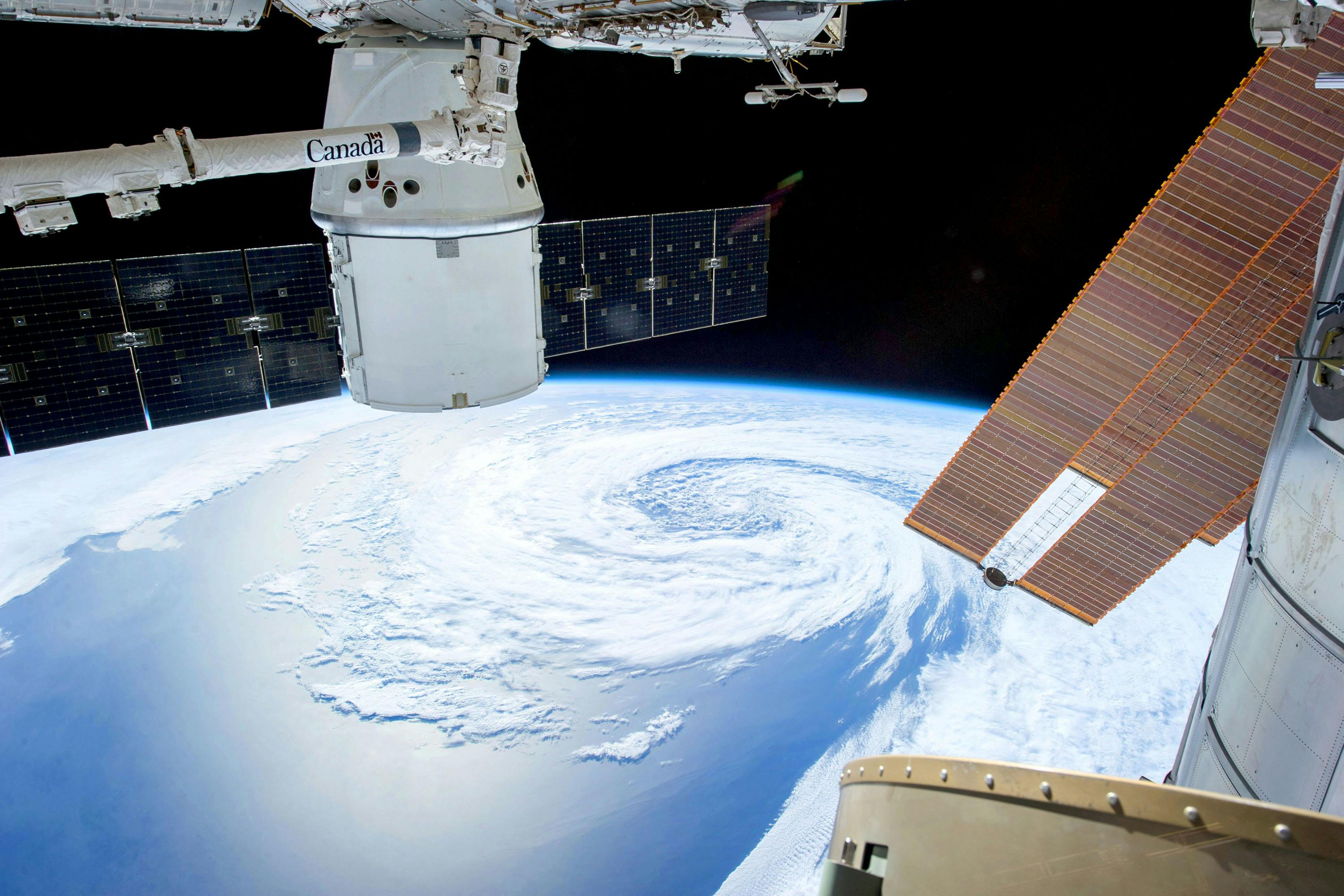
SpaceX edges closer to increased Starship launch approvals, secures lunar rover delivery, eyes potential military collaboration, and continues rapid satellite deployment.