

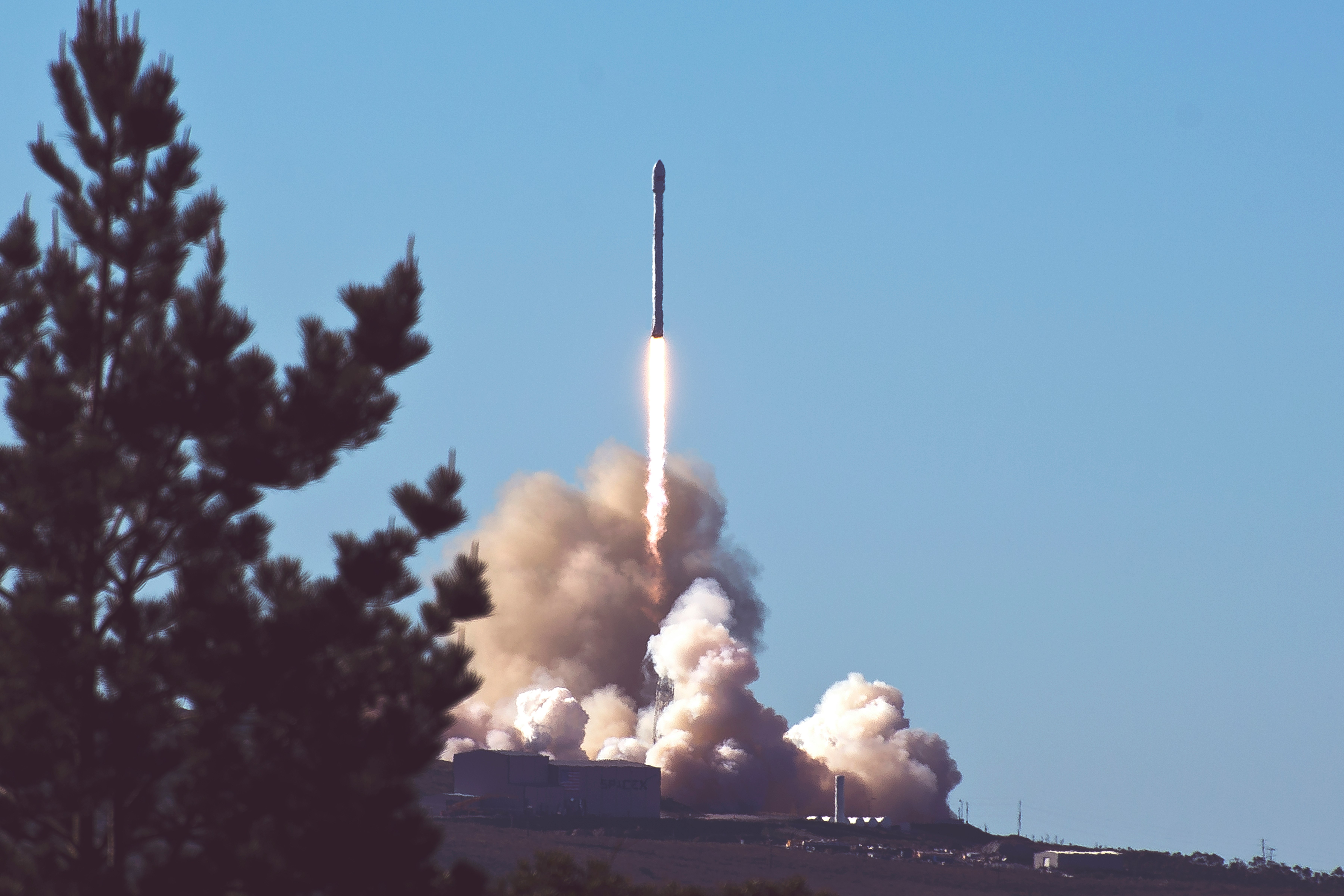
X Report 28 Dec 2024
SpaceX wraps up a stellar year with Starship achievements and prepares for a lunar triple-shot in 2025.


Launch Date
July 14, 1978
Launch Site
PLMSC
Launch Pad
LC43/4
Launch Vehicle
Molniya 8K78M
NORAD ID
10984
International Designator
1978-072A
Decay Date
2/8/1992
Name
MOLNIYA 1-41
Alternative Name
Molniya-1
Type
Status
Owner
GUKOSR
Country
USSR
Constellation
N/A
Related Satellites
Major Events
N/A
Apologies, there is no summary for this satellite yet. I am working to generate these for every object in the catalog, but it is going to take time.
Length
4.4
Diameter
1.4
Span
8.6
Dry Mass
1620
Launch Mass
1650
Shape
Cyl + 6 Pan
Radar Cross Section
12.9026
Visual Magnitude
Unknown
Color
Unknown
Material Composition
Unknown
Payload
Molniya-1K No. 51L
Purpose
Unknown
Mission
Unknown
Manufacturer
NPOPM
Life Expectancy
Unknown
Bus
Molniya-1
Configuration
Unknown
Motor
Unknown
Equipment
Unknown
Power System
Unknown
ADCS
Unknown
Transmitter Frequency
Unknown
Learn more about satellites and other related topics.
SpaceX wraps up a stellar year with Starship achievements and prepares for a lunar triple-shot in 2025.
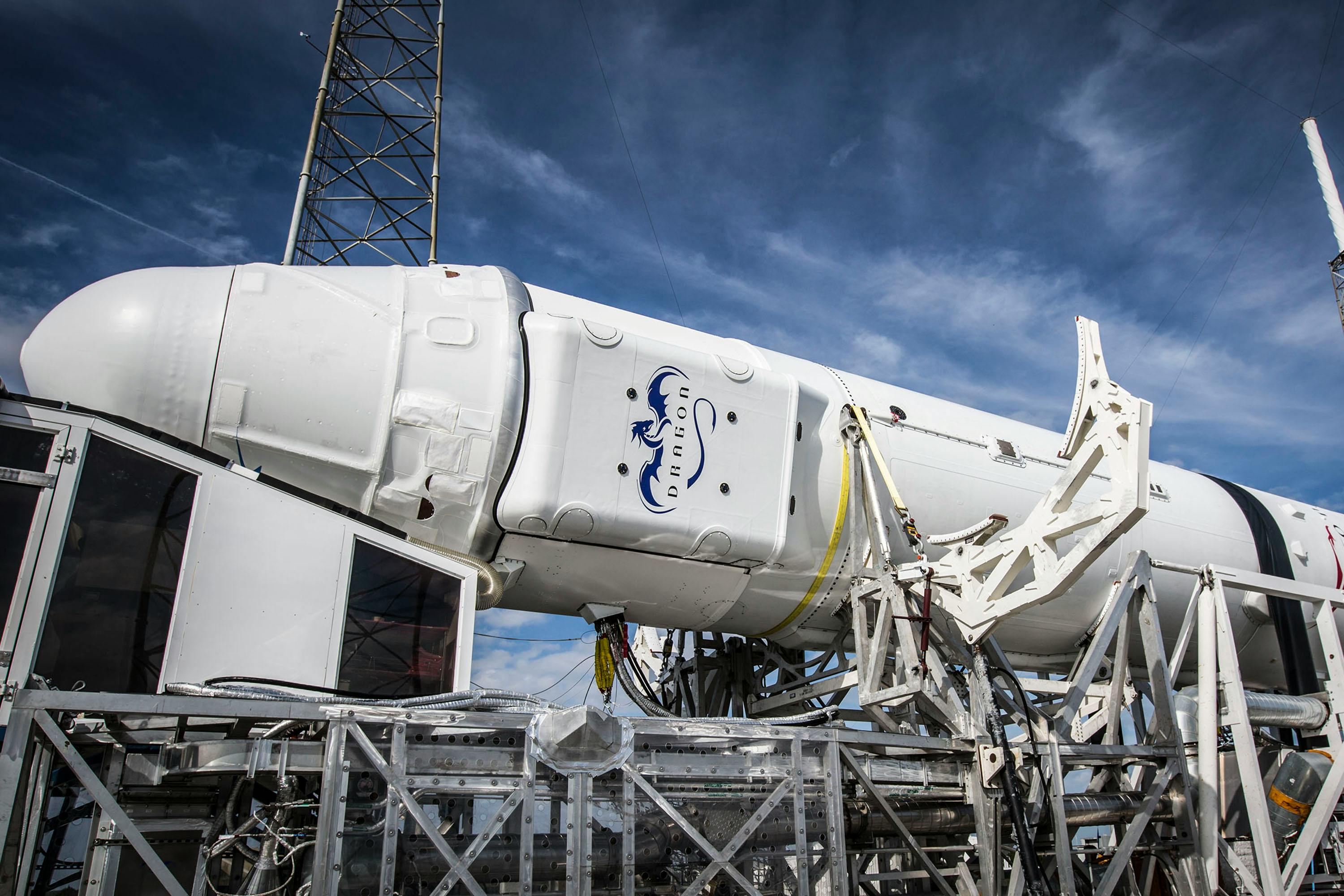
FAA documents expose SpaceX's Starfall reentry vehicle program, targeting in-space manufacturing support as the Starlink constellation holds 10,397 working satellites.

Today's highlights include recent missile deals impacting military satellite launches, a Navy salvage operation in the South China Sea, and defense updates from the Manama Dialogue 2025.

Today's briefing covers Rocket Lab's plans following a record-breaking year, efforts to recover NASA's MAVEN orbiter, and the potential relocation of space shuttle Discovery.
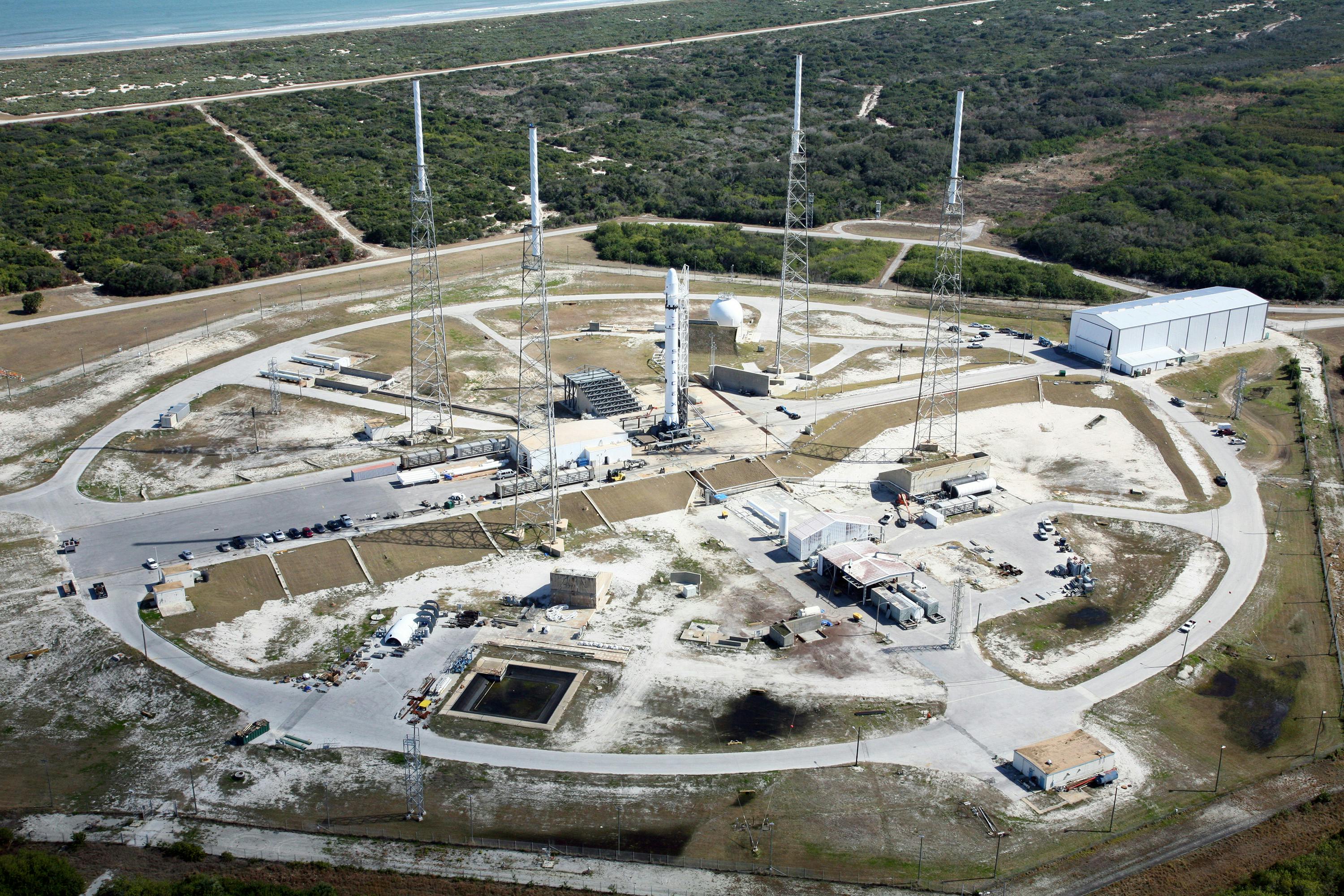
SpaceX's reported IPO structure grants Elon Musk unchecked control and forces 220,000-GPU Colossus AI deal into the spotlight.
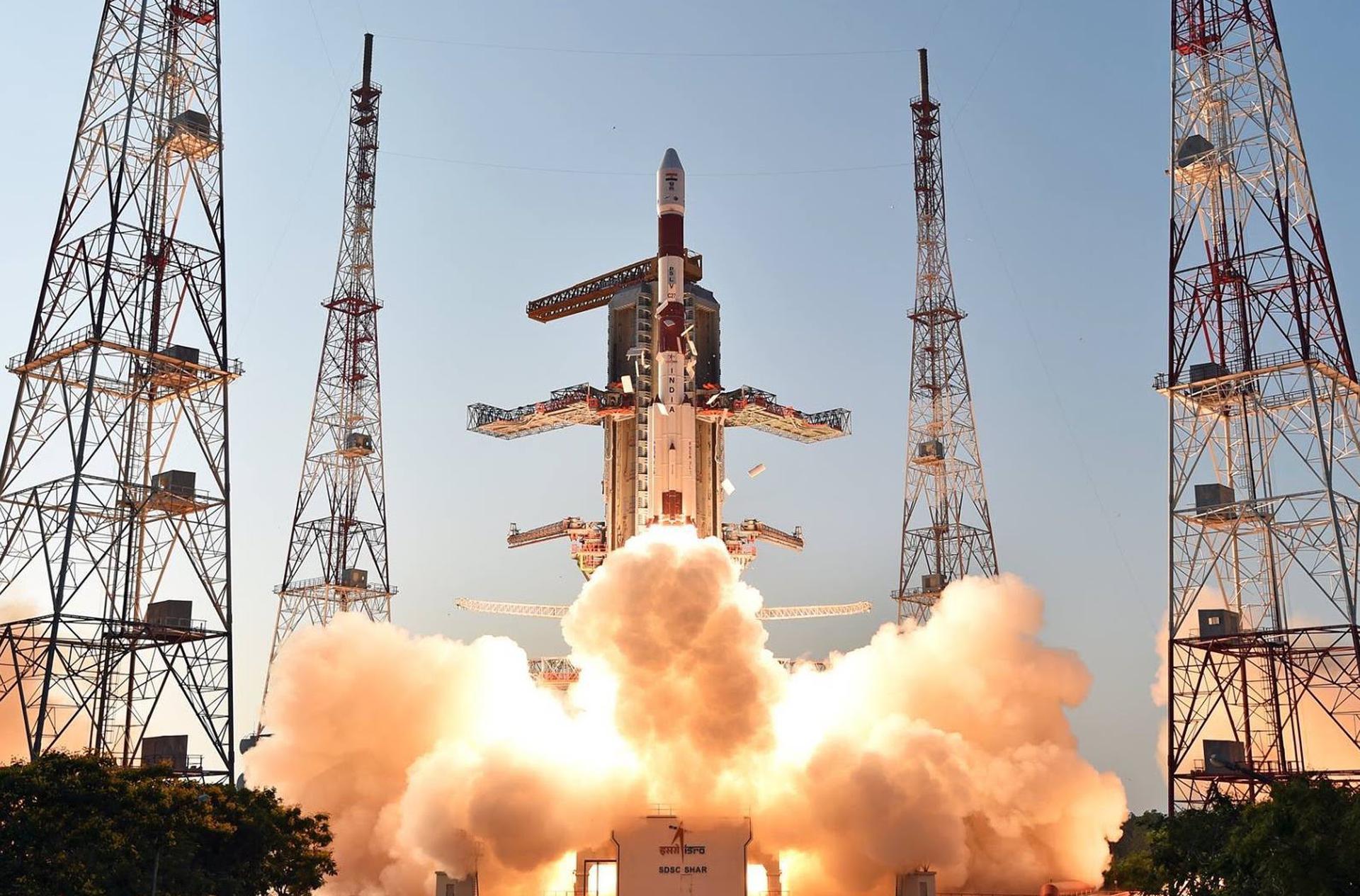
Highlighting ExLabs' Space Force contract, Starlink advances, and developments in orbital communication tech.
Vietnam approves Starlink with up to 600,000 terminals and 4 gateway stations. SpaceX hits 600th Falcon 9 launch. NASA's Isaacman plans Roscosmos meeting and Soyuz visit.
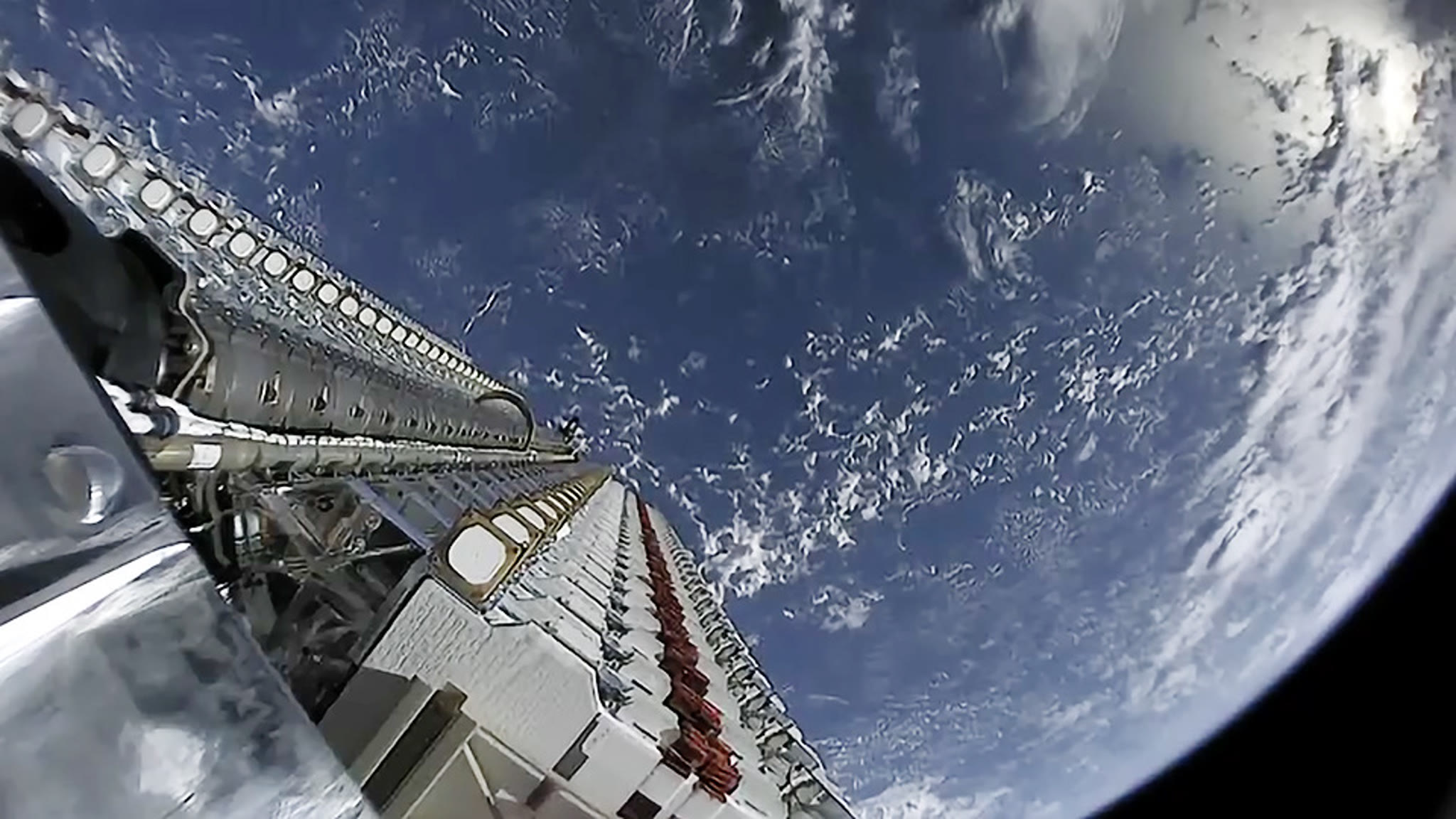
Starlink satellites fired their thrusters to dodge a collision roughly 300,000 times in 2025, about 822 times a day. Behind that number is a fragile, half-automated system of warnings, probabilities, and judgment calls that decides which close approaches are worth a maneuver and which are just noise.