COSMOS 965 DEB (10815)

COSPAR: 1977-111R | Alt Name: Kosmos-965 SS 14
DECAYED

Image
COSMOS 965 DEB Satellite Image
Additional Sources
Launch Details

Launch Date

December 8, 1977

Launch Site

PLMSC

Launch Pad

LC132/2

Launch Vehicle

Kosmos 11K65M

Orbital Elements

NORAD ID

10815

International Designator

1977-111R

Decay Date

7/9/1978

Basic Satellite Info

Name

COSMOS 965 DEB

Alternative Name

Kosmos-965 SS 14

Type

Debris

Status

Space Junk

Owner

PVO

Country

USSR

Constellation

N/A

Related Satellites

Major Events

N/A

Summary
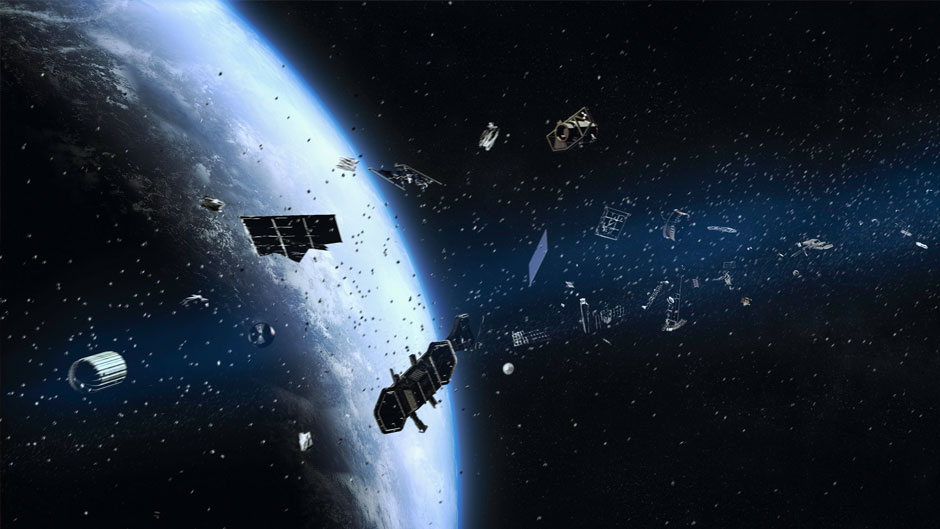
Space debris, also known as space junk, encompasses all non-functional objects orbiting Earth such as defunct satellites, spent rocket stages, and fragments from collisions or disintegrations. Over time, this debris can accumulate and create an increasingly hazardous environment in orbit. Even tiny fragments, traveling at extremely high velocities, can inflict significant damage on operational satellites and spacecraft. If left unmanaged, the density of debris raises the risk of catastrophic collisions and further fragmentation, compounding the problem and threatening the safety and sustainability of space activities.
Physical Characteristics

Length

0.2

Diameter

0.2

Span

0.2

Dry Mass

5

Launch Mass

5

Shape

Sphere

Radar Cross Section

Unknown

Visual Magnitude

Unknown

Color

Unknown

Material Composition

Unknown

Technical Details

Payload

ESO

Purpose

Unknown

Mission

Unknown

Manufacturer

YUZH

Life Expectancy

Unknown

Bus

ESO

Configuration

Unknown

Motor

Unknown

Equipment

Unknown

Power System

Unknown

ADCS

Unknown

Transmitter Frequency

Unknown

Satellite Articles

View All Posts »

Learn more about satellites and other related topics.

Boeing Starliner Faces New Setbacks, Stranding NASA Astronauts on ISS

Boeing Starliner Faces New Setbacks, Stranding NASA Astronauts on ISS

Boeing's Starliner spacecraft encounters thruster problems and helium leaks during its first crewed mission, potentially delaying the return of NASA astronauts from the International Space Station.

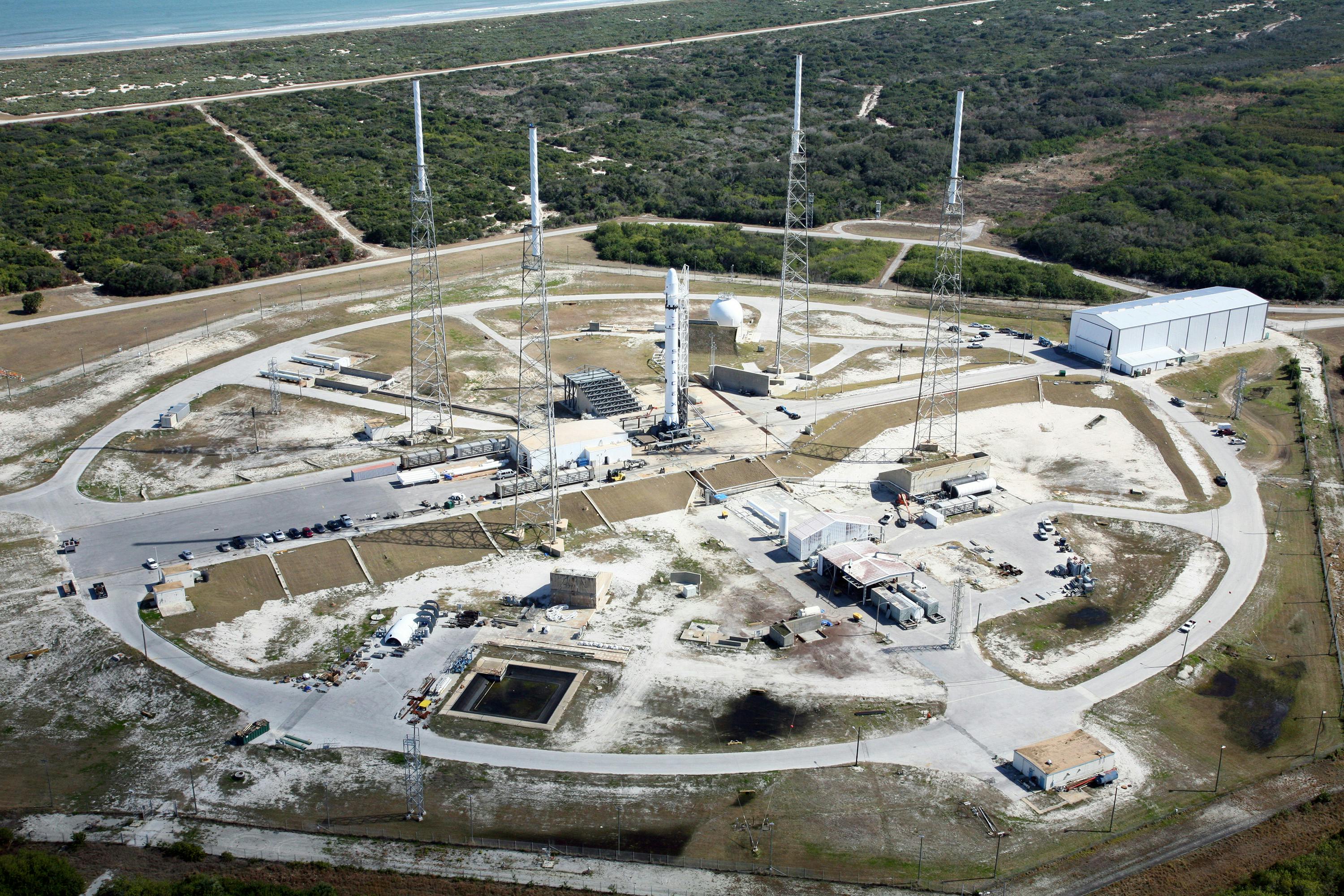
SpaceX Stacks Super Heavy for Starship's 12th Test Flight | KeepTrack X Report

SpaceX Stacks Super Heavy for Starship's 12th Test Flight | KeepTrack X Report

SpaceX stacks Super Heavy booster in preparation for Starship's 12th test flight. Three launches planned this week including ISRO rideshare mission. Musk shares AI and robotics predictions on podcast.

The Afternoon a Blurry Smudge Turned Pluto Into a Double Planet

The Afternoon a Blurry Smudge Turned Pluto Into a Double Planet

On 22 June 1978, an astronomer at the U.S. Naval Observatory looked at photographic plates that had been stamped 'image defective' and noticed a small bump on the side of Pluto. The bump was a moon, and finding it finally let astronomers weigh a planet that had fooled them for half a century.

Space Brief 28 May 2025

Space Brief 28 May 2025

Today's briefing covers SpaceX's ambitious launch and temporary setback with their Super Heavy booster, adjustments in South African telecommunications laws influenced by Starlink, and the U.S. Navy's strategic shifts amidst changes in unmanned combatant acquisitions.

Starlink Restrictions Disrupt Russian Battlefield Communications | KeepTrack Space Brief

Starlink Restrictions Disrupt Russian Battlefield Communications | KeepTrack Space Brief

Starlink restrictions reportedly hit Moscow's drone coordination and frontline comms. SpaceX and xAI enter Pentagon's $100M drone contest. Sentinel ICBM to clear key review this year.

X Report 8 Jul 2025

X Report 8 Jul 2025

SpaceX marks a milestone with its 500th Falcon 9 mission during a week of notable developments, including ongoing Starlink deployments and changes in U.S. military plans.

Lagrange Points

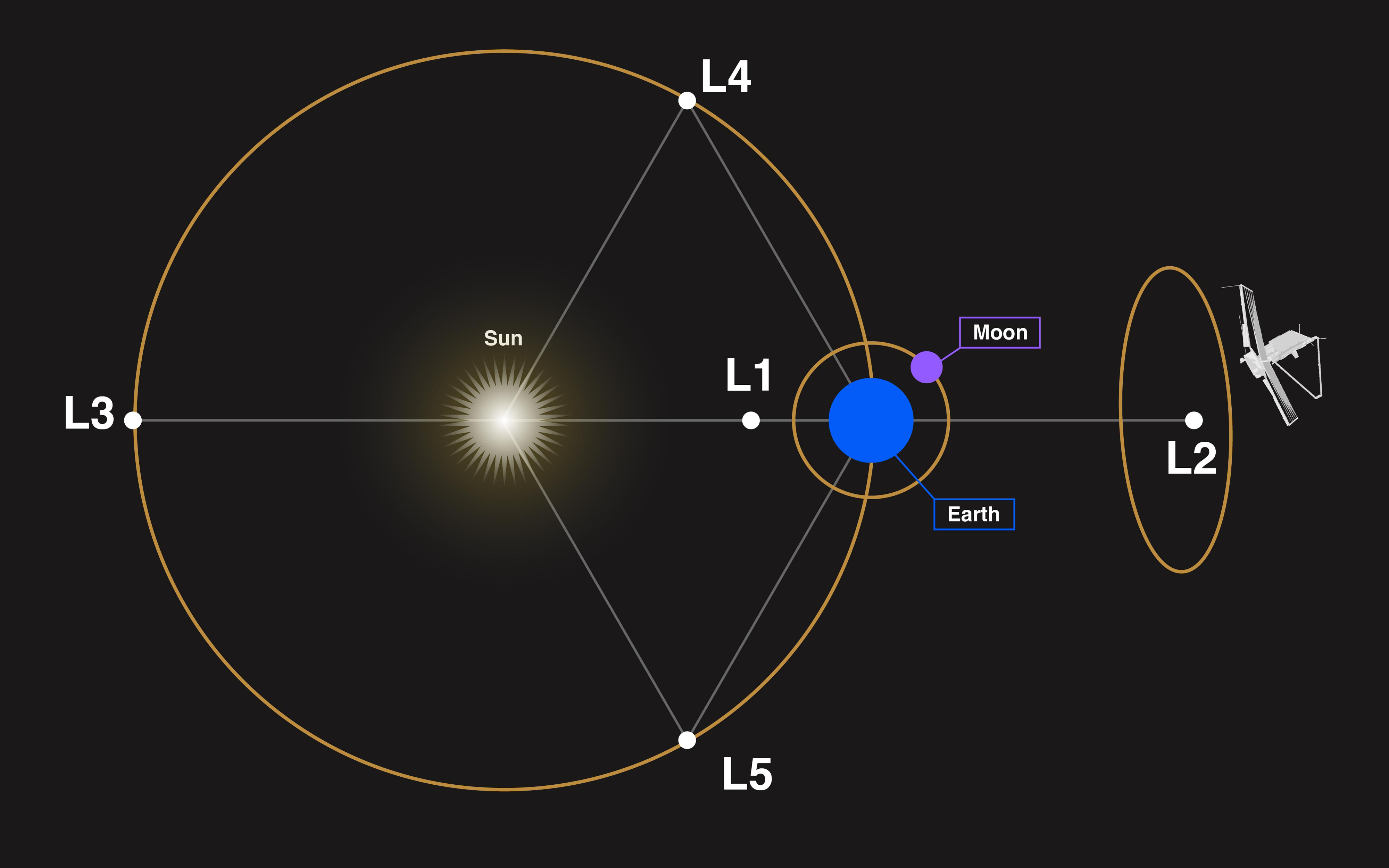
Lagrange Points

Five spots in the Earth-Sun system where the gravitational tug of two massive bodies and the pull of circular motion all cancel out, creating gravitational parking spaces where spacecraft can sit for decades with almost no fuel.

Pentagon Pulls the Plug on GPS OCX | The $8 Billion Ground System That Never Worked

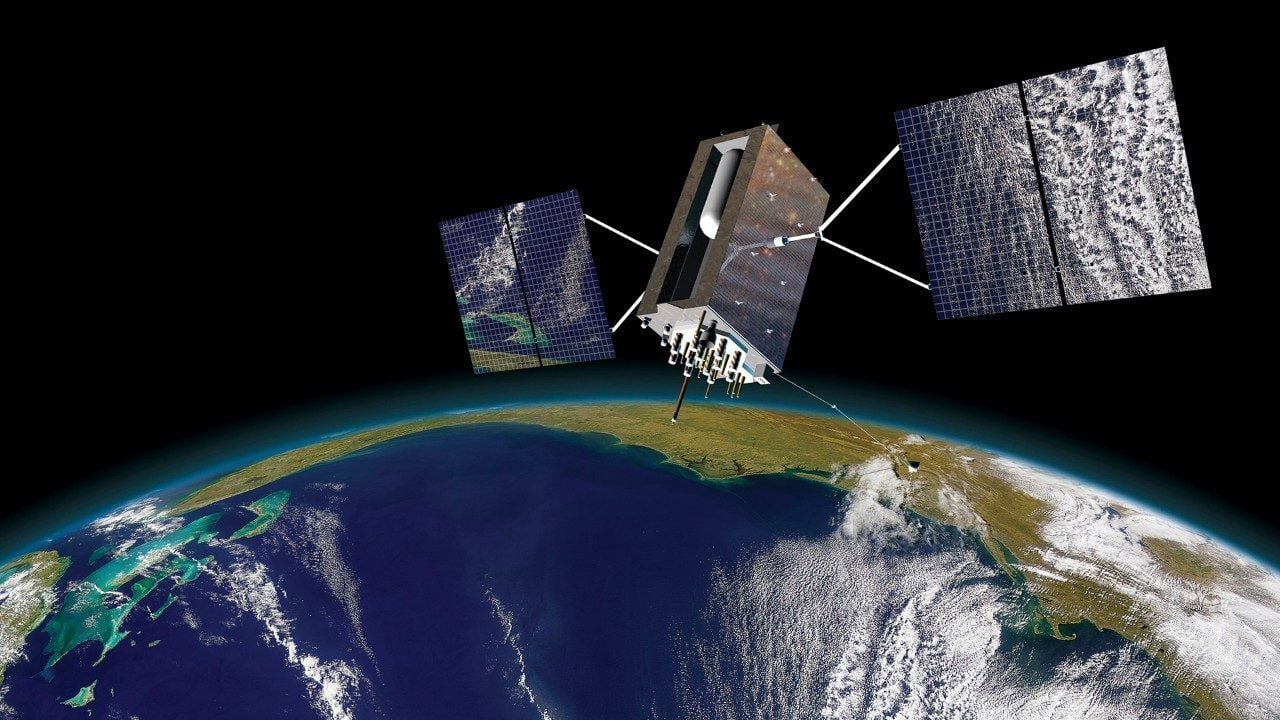
Pentagon Pulls the Plug on GPS OCX | The $8 Billion Ground System That Never Worked

On April 17, 2026, the U.S. Space Force officially cancelled the Next Generation Operational Control System after sixteen years of development, cost overruns, and testing failures. The $8 billion program was supposed to unlock the military's encrypted GPS signal. Instead, the satellites are flying with capabilities the ground can't command.