

Space Brief 7 Dec 2025
Today's highlights include a record-breaking event at the International Space Station, significant funding for hypersonic missile production, and several key military developments impacting space strategy.


Launch Date
April 7, 1978
Launch Site
Launch Pad
Unknown
Launch Vehicle
Unknown
NORAD ID
10788
International Designator
N/A
Decay Date
Unknown
Name
ATLAS AGENA D R/B
Alternative Name
Agena D 1554
Type
Status
Owner
SAMSO
Country
United States
Constellation
N/A
Related Satellites
Major Events
N/A
Length
6.3
Diameter
1.5
Span
6.3
Dry Mass
600
Launch Mass
600
Shape
Cyl
Radar Cross Section
Unknown
Visual Magnitude
Unknown
Color
Unknown
Material Composition
Unknown
Payload
Agena D
Purpose
Unknown
Mission
Unknown
Manufacturer
LMSC
Life Expectancy
Unknown
Bus
Agena D
Configuration
Unknown
Motor
Unknown
Equipment
Unknown
Power System
Unknown
ADCS
Unknown
Transmitter Frequency
Unknown
Learn more about satellites and other related topics.
Today's highlights include a record-breaking event at the International Space Station, significant funding for hypersonic missile production, and several key military developments impacting space strategy.
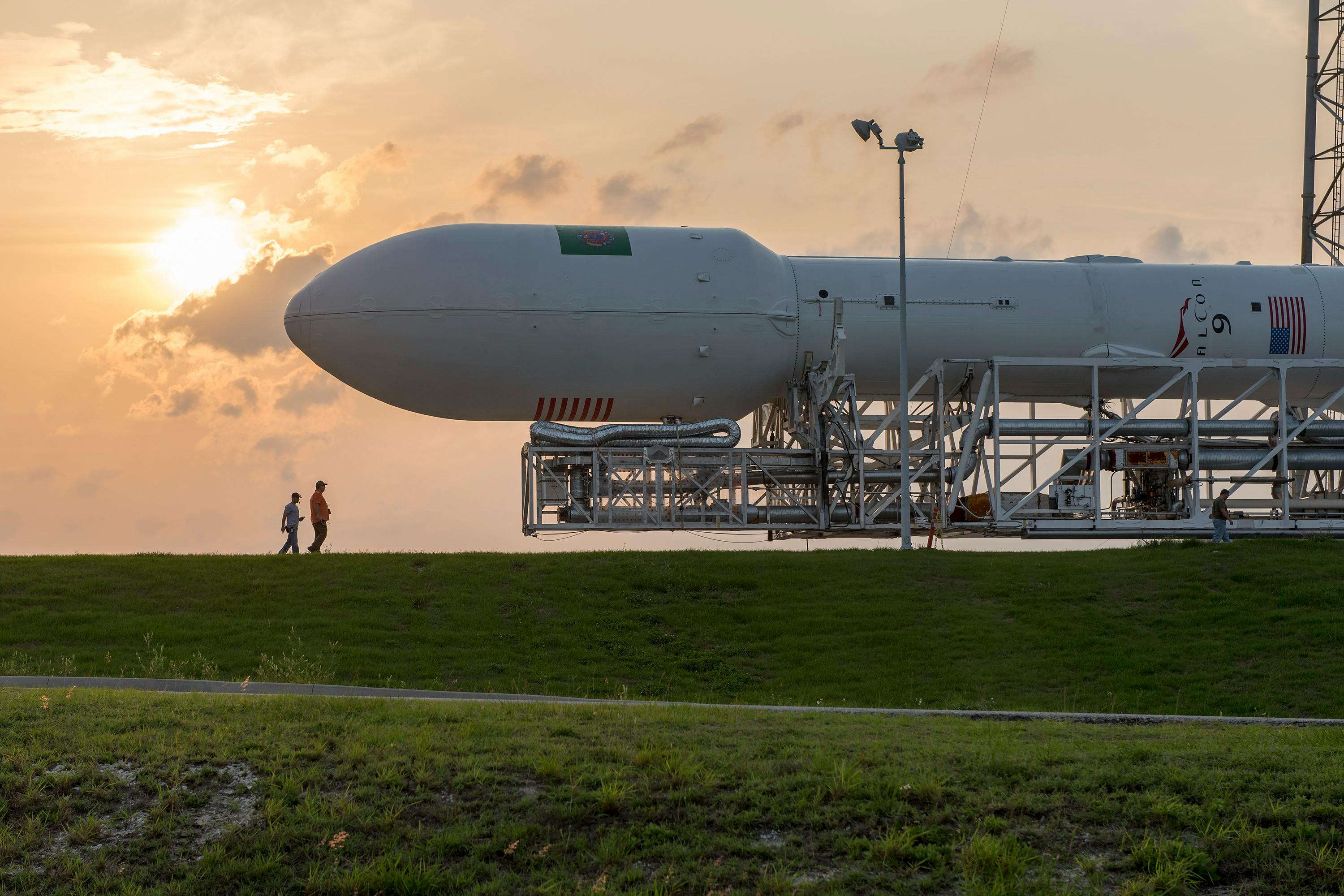
SpaceX successfully launched a batch of Starlink satellites today while introducing new features to enhance user experience. Their rideshare program continues to see increased demand, proving popular among customers.
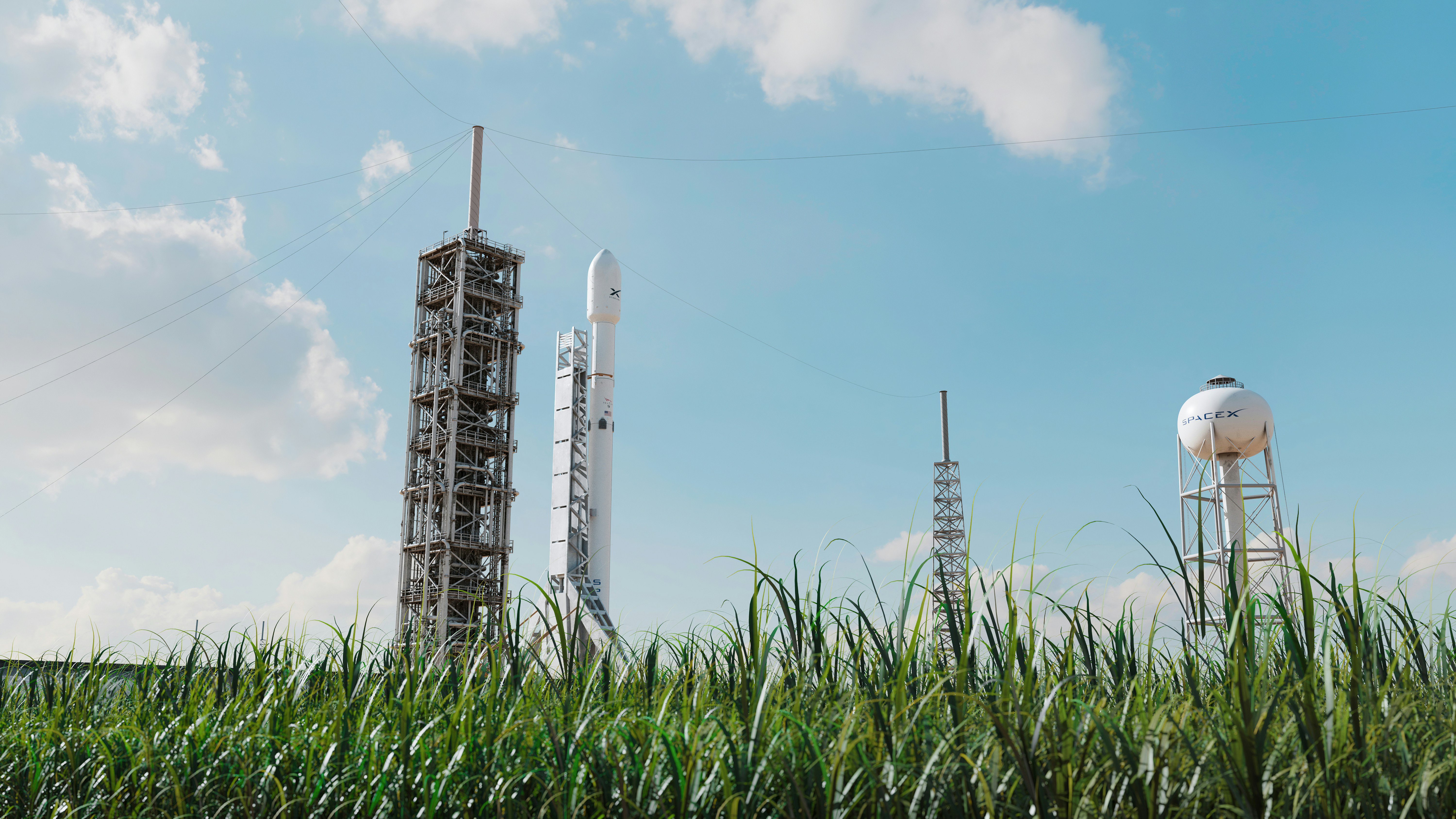
SpaceX wraps up 2024 with successful Starlink and Astranis launches, while reflecting on a monumental year for the Starship program.
NASA concludes MAVEN mission after six months attempting to restore contact with Mars probe. Meanwhile, Falcon 9 booster flies record 35th flight on Starlink 10-35 mission.
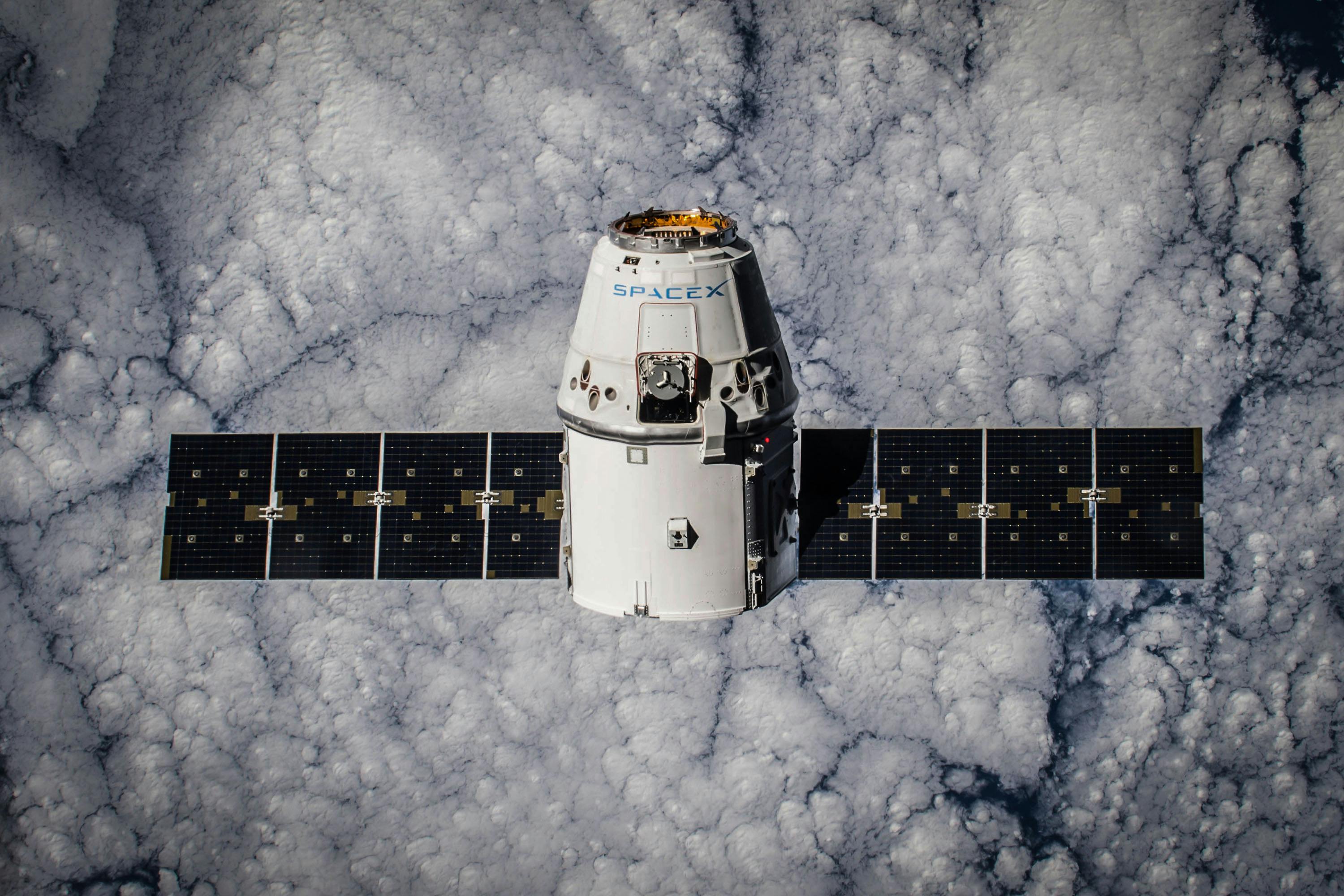
FAA approves SpaceX Starship launches from Kennedy Space Center LC-39A. FCC accepts 1-million satellite orbital data center filing. Canada ranks as 5th largest Starlink market.
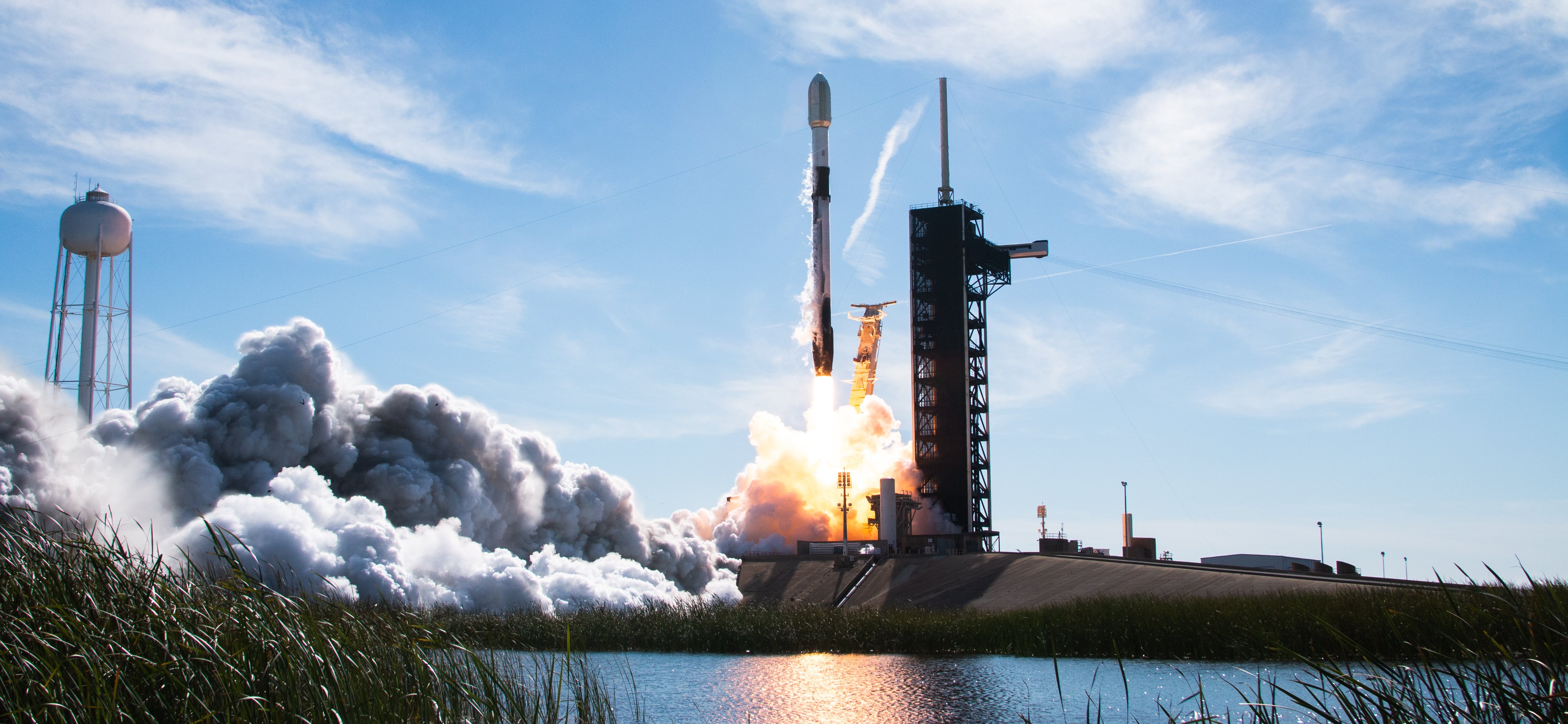
NASA's $4.3B Nancy Grace Roman Space Telescope arrived at Kennedy Space Center for 70 days of prelaunch processing ahead of its August 30 Falcon Heavy launch.
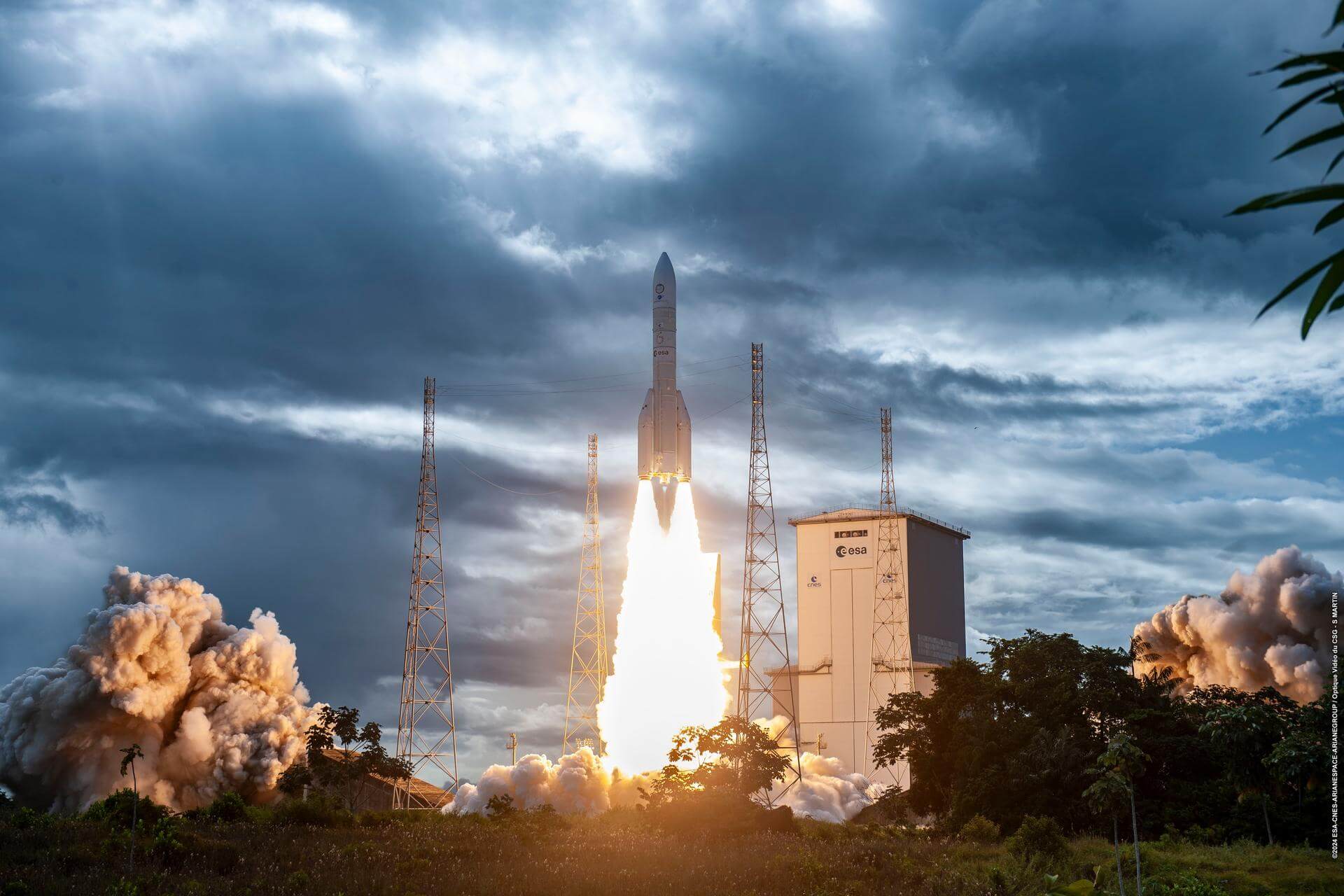
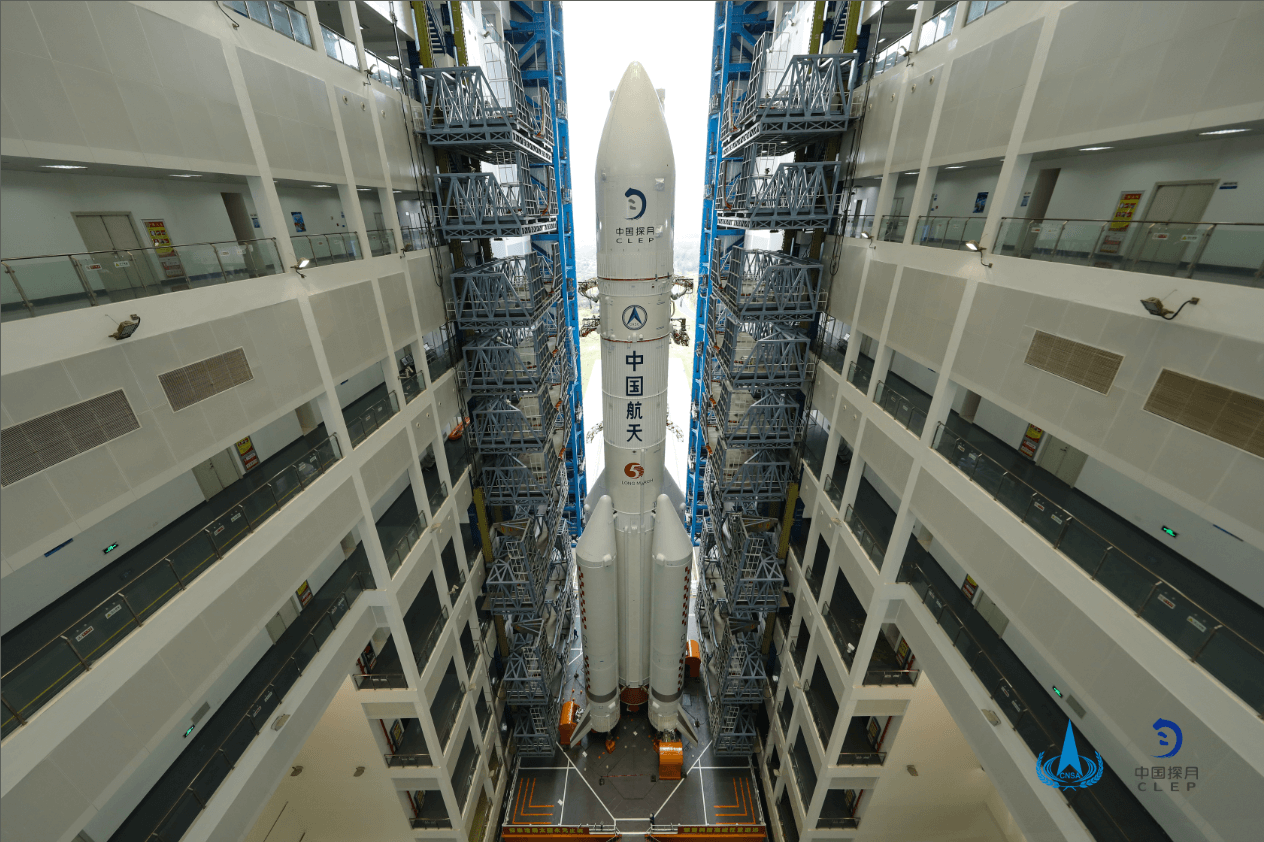
Highlights include US military astronaut rescue drills, China's commercial involvement in lunar missions, ESA's budget proposals, global opposition to space advertising, and NASA lunar landers.

SpaceX debuts Starlink's first-ever Super Bowl ad to millions of viewers. Artemis II reaches Kennedy launch pad for first crewed lunar flyby since Apollo era.