

Space Brief 27 Mar 2025
Today's highlights include the certification of ULA's Vulcan rocket for national security missions, developments in nuclear timekeeping for GPS systems, and updates on the Space Force's new warfighting framework.



Launch Date
October 28, 1964
Launch Site
Launch Pad
Unknown
Launch Vehicle
Unknown
NORAD ID
01078
International Designator
N/A
Decay Date
11/12/1964
Name
COSMOS 50 DEB
Alternative Name
deb Kosmos-50
Type
Status
Owner
TSUKOS
Country
USSR
Constellation
N/A
Related Satellites
Major Events
N/A
Length
0
Diameter
0
Span
0
Dry Mass
0
Launch Mass
0
Shape
N/A
Radar Cross Section
Unknown
Visual Magnitude
Unknown
Color
Unknown
Material Composition
Unknown
Payload
Unknown
Purpose
Unknown
Mission
Unknown
Manufacturer
Unknown
Life Expectancy
Unknown
Bus
Unknown
Configuration
Unknown
Motor
Unknown
Equipment
Unknown
Power System
Unknown
ADCS
Unknown
Transmitter Frequency
Unknown
Learn more about satellites and other related topics.
Today's highlights include the certification of ULA's Vulcan rocket for national security missions, developments in nuclear timekeeping for GPS systems, and updates on the Space Force's new warfighting framework.
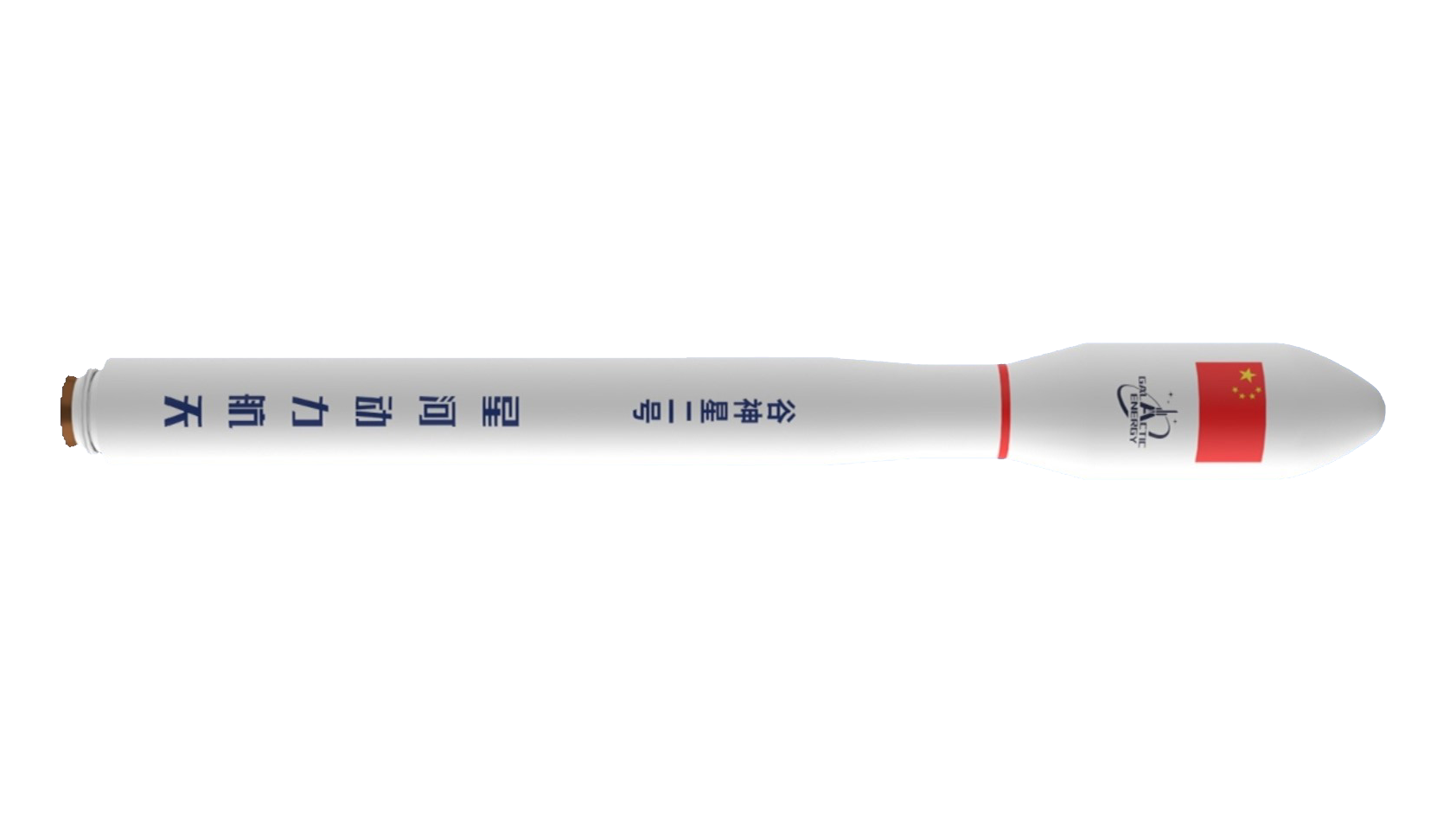
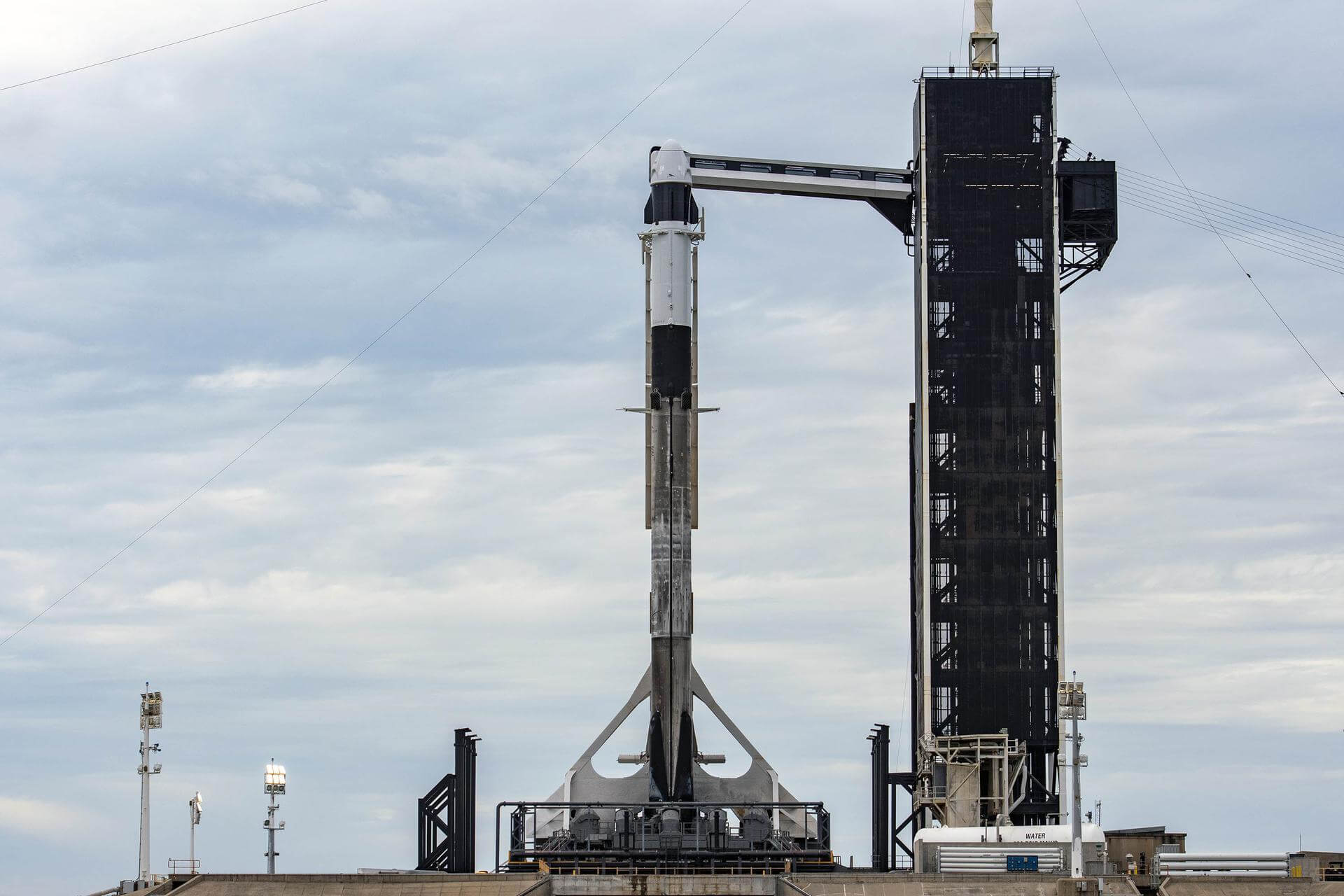
Today's highlights include the Pentagon's report on China's military buildup, Innospace's upcoming launch plans, Starlink's rapid growth, China's significant space strides in 2025, and India's successful deployment of BlueBird 6.
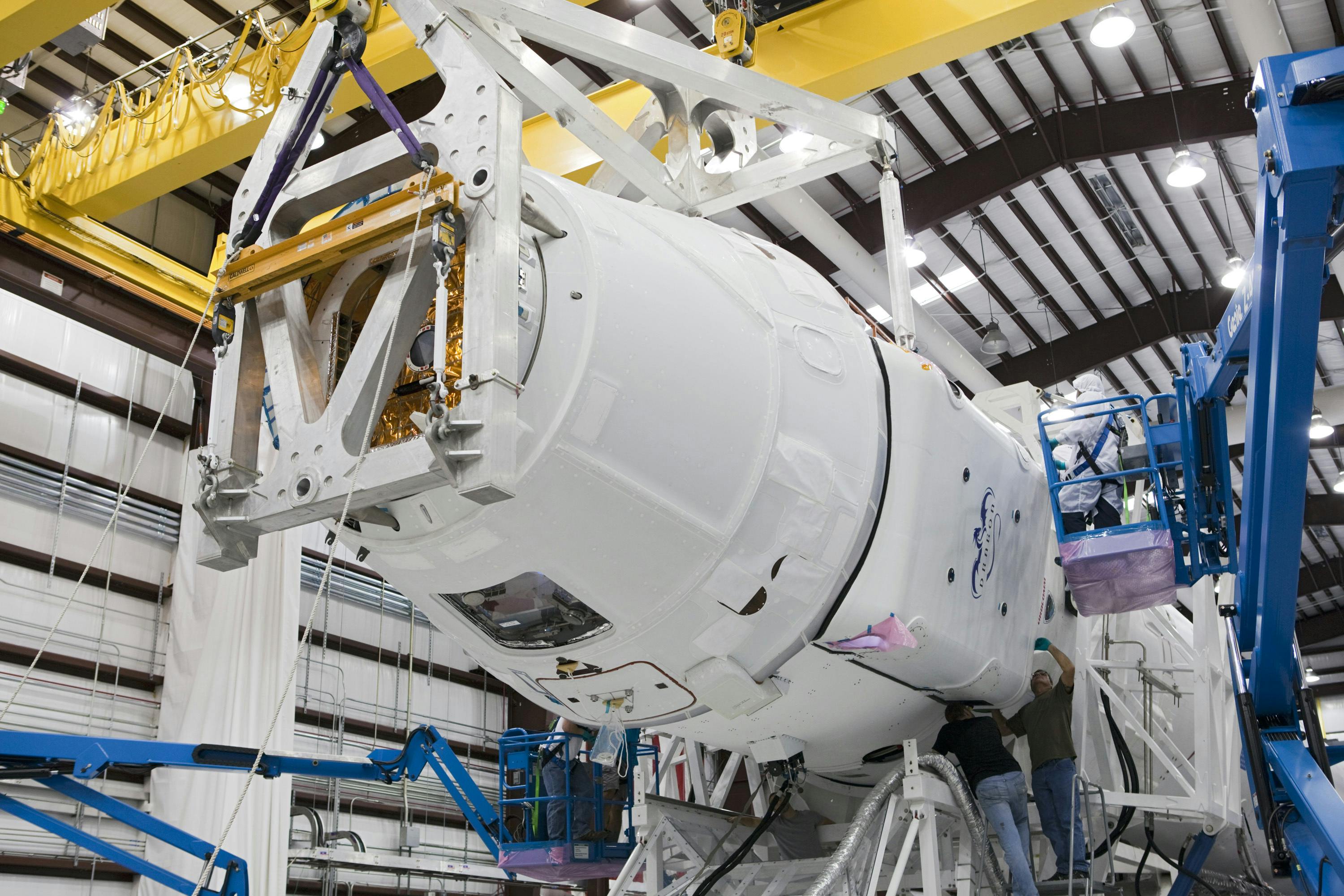
SpaceX impresses with the successful launch of 24 Starlink satellites and shares stunning visuals from the recent Starship Flight 10, which demonstrated remarkable landing precision.
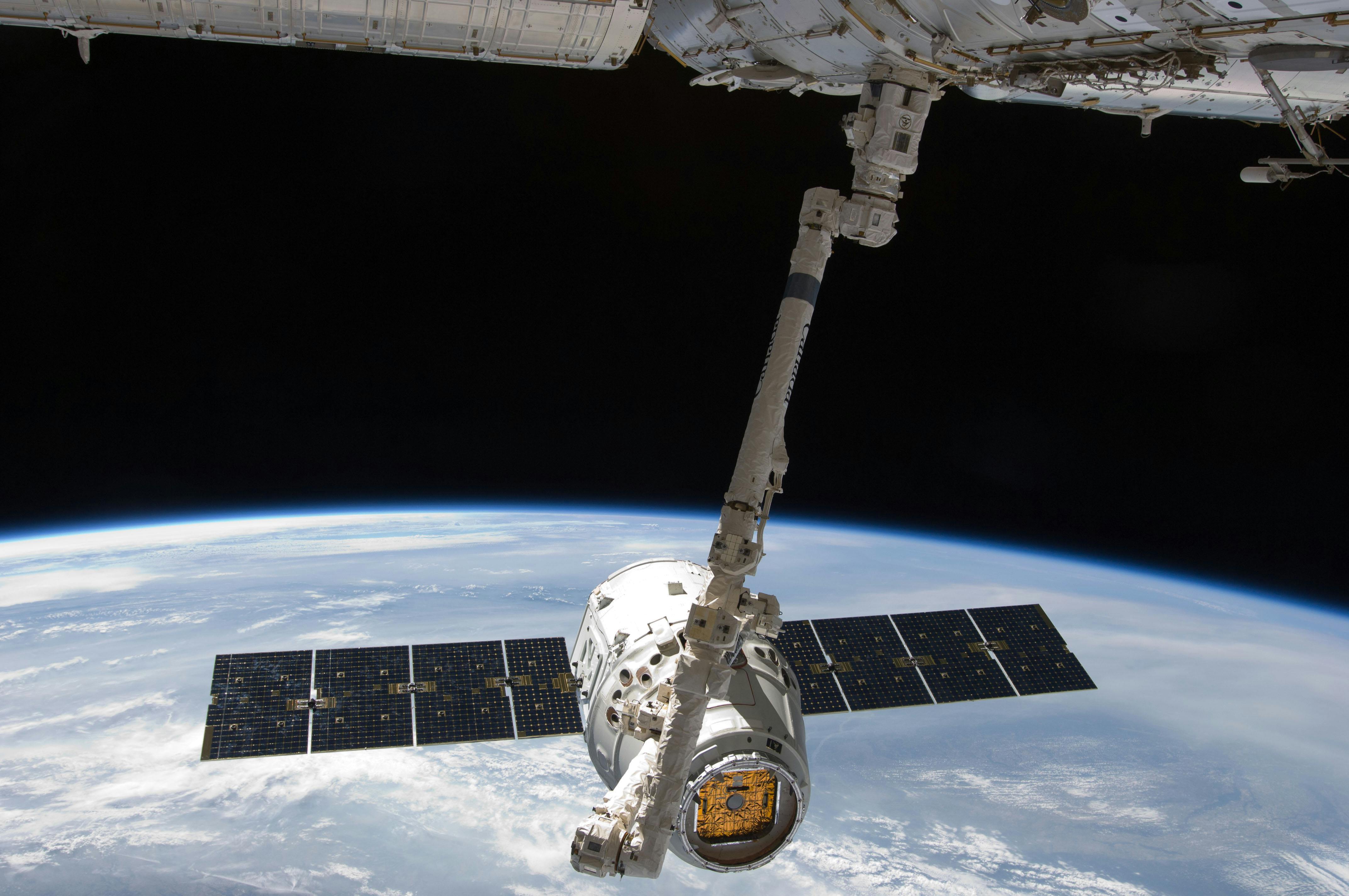
SpaceX prepares for a busy launch schedule with key upgrades at Starbase and notable Starlink missions. Recent close approaches in orbit underscore the complexities of satellite operations.
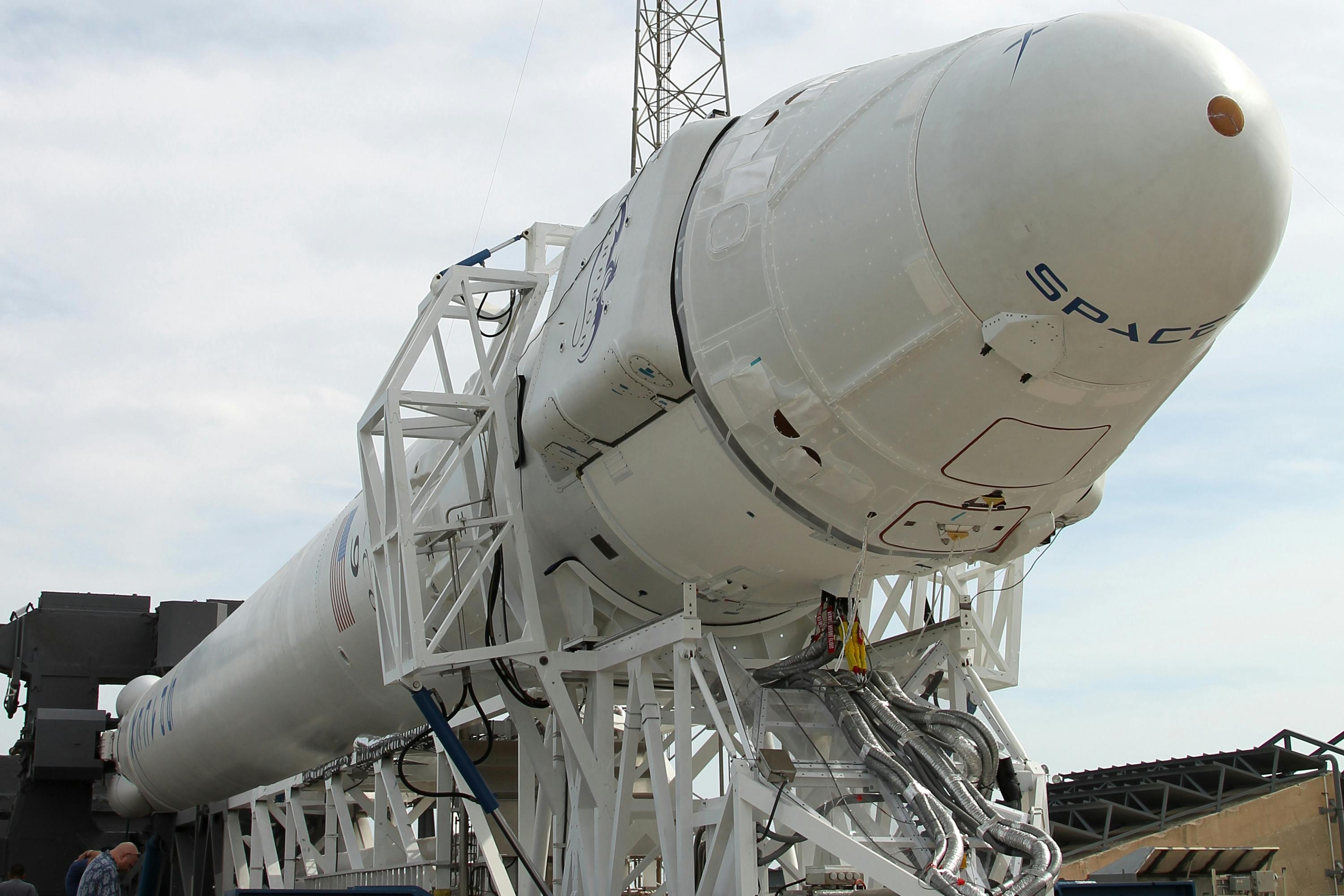
SpaceX progresses on Starship testing while Rocket Lab delays its Neutron rocket debut, potentially impacting the competitive landscape in space launches.

Space Force contracts Viasat and SES for $437M Protected Tactical Satcom-Global program. Four new GEO satellites replace vulnerable single-satellite systems.
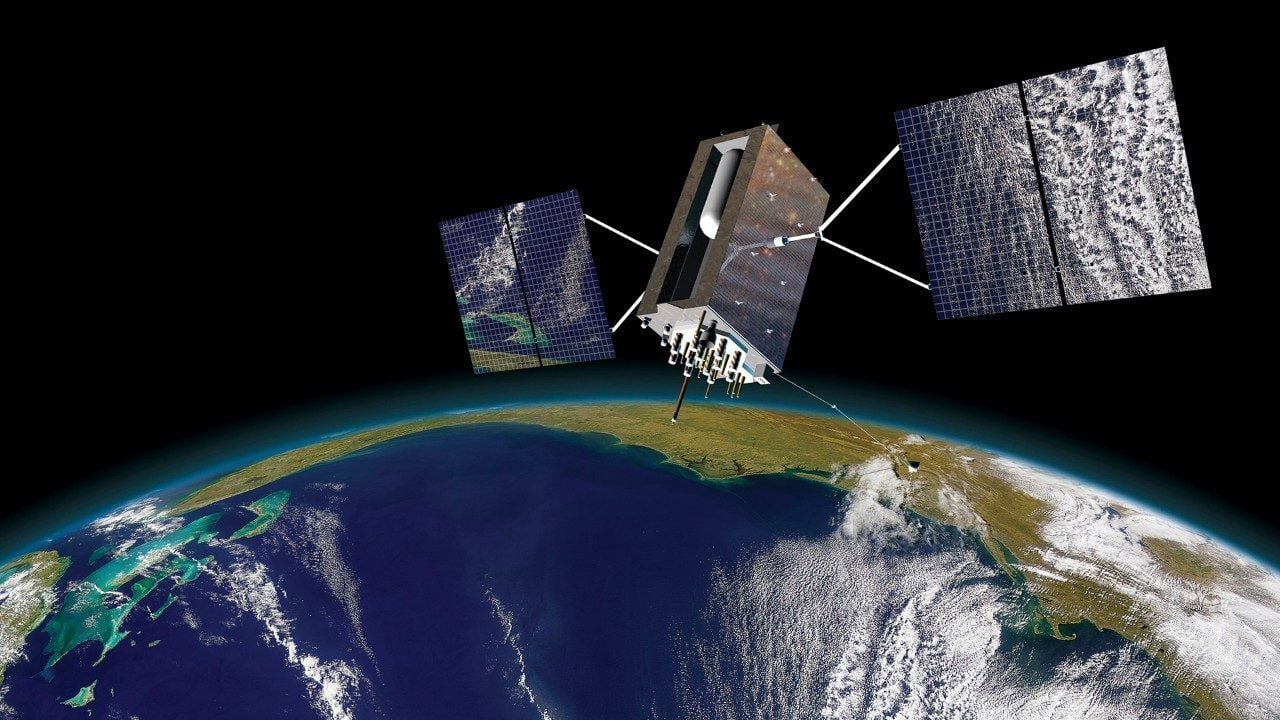
On April 17, 2026, the U.S. Space Force officially cancelled the Next Generation Operational Control System after sixteen years of development, cost overruns, and testing failures. The $8 billion program was supposed to unlock the military's encrypted GPS signal. Instead, the satellites are flying with capabilities the ground can't command.
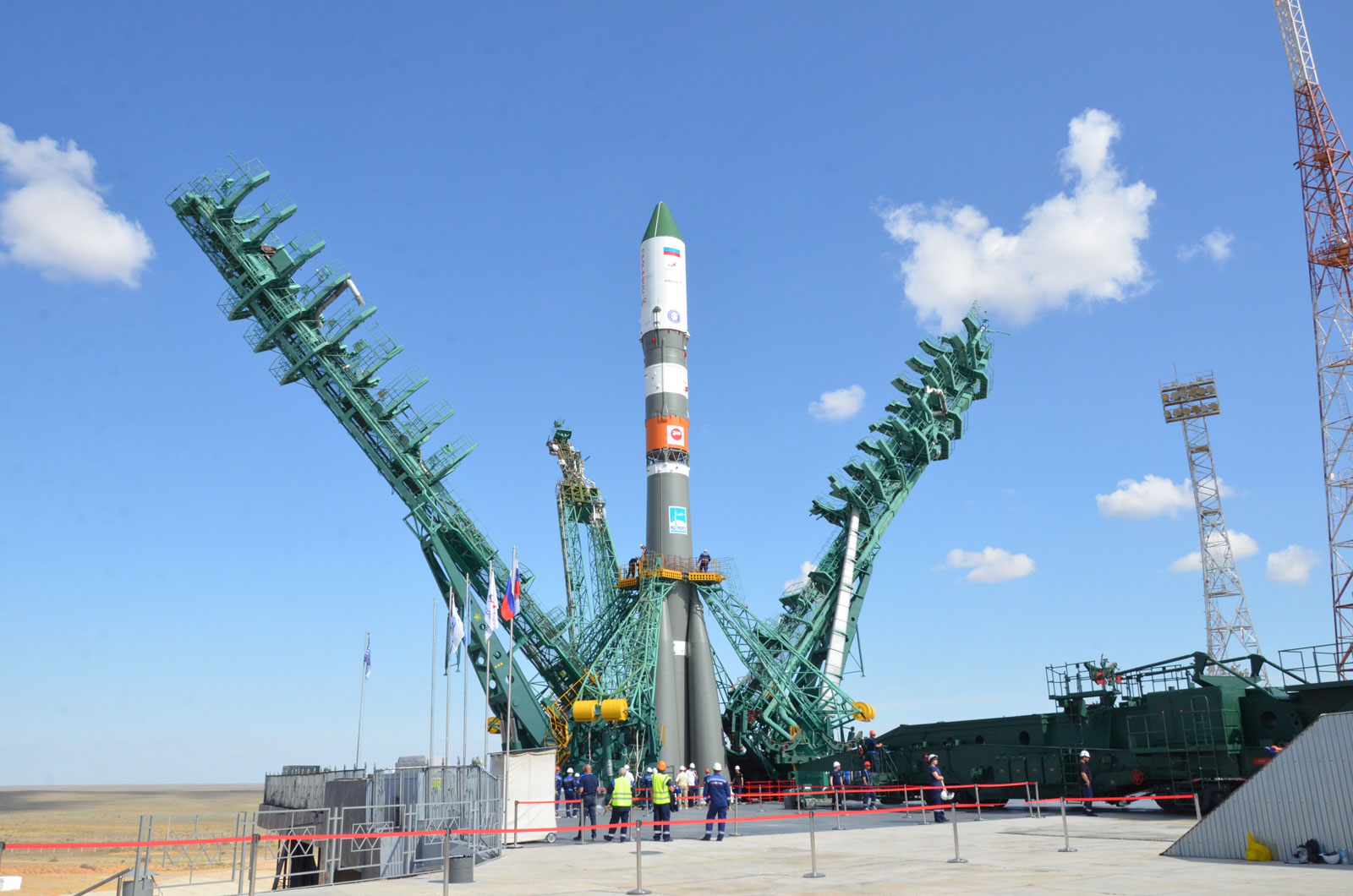
China's Tiangong space station completes crew rotation, Rocket Lab prepares for confidential launch, and Japan successfully launches military satellite with its H3 rocket.