



Falcon 9 B1067 Targets 36th Flight Record on Starlink 10-42 | KeepTrack Space Brief
SpaceX Falcon 9 booster B1067 set for 36th flight Thursday with Starlink 10-42 mission from Cape Canaveral. Long March 10B debuts Friday in China.


Launch Date
March 5, 1978
Launch Site
AFWTR
Launch Pad
SLC2W
Launch Vehicle
Delta 2910
NORAD ID
10703
International Designator
1978-026B
Epoch
Fri, 03 Jul 2026 18:13:40 GMT
Apogee
Calculating...
Perigee
Calculating...
Inclination
99.33°
Right Ascension
181.58°
Eccentricity
Calculating...
Argument of Perigee
281.78°
Period
102.87 min
Mean Motion
14.00 rev/day
Latitude
Calculating...
Longitude
Calculating...
Altitude
Calculating...
Velocity
Calculating...
Name
OSCAR 8 (AO-8)
Alternative Name
AMSAT-OSCAR-8
Type
Status
Owner
AMNA
Country
United States
Constellation
N/A
Related Satellites
Major Events
N/A
1 10703U 78026B 26184.75949726 -.00000058 00000-0 -77229-5 0 9991
2 10703 99.3312 181.5787 0008995 281.7813 251.8038 13.99814043466384
Source: Celestrak
Apologies, there is no summary for this satellite yet. I am working to generate these for every object in the catalog, but it is going to take time.
Length
0.3
Diameter
0.4
Span
0.4
Dry Mass
27
Launch Mass
27
Shape
Box
Radar Cross Section
0.4452
Visual Magnitude
Unknown
Color
Unknown
Material Composition
Unknown
Payload
OSCAR 8
Purpose
Amateur radio communication
Mission
Amateur radio communication
Manufacturer
AMNA
Life Expectancy
5 years
Bus
AMSAT Phase 2
Configuration
Cube
Motor
None
Equipment
Unknown
Power System
Solar cells, batteries
ADCS
Unknown
Transmitter Frequency
Unknown
Learn more about satellites and other related topics.
SpaceX Falcon 9 booster B1067 set for 36th flight Thursday with Starlink 10-42 mission from Cape Canaveral. Long March 10B debuts Friday in China.

Today's highlights include Pulsar Fusion's groundbreaking nuclear rocket plans, partnerships for the Haven-1 space station, and a spotlight on military collaboration in quantum technology.

Today's updates cover Vantor's satellites overcoming tracking challenges, a startup's ambitious missile defense test, and more pivotal space events.

SpaceX's rapid advancements continued this weekend with two consecutive Starlink missions and preparations for the upcoming Crew-11 launch, showcasing its efficiency and commitment to expanding satellite broadband coverage.
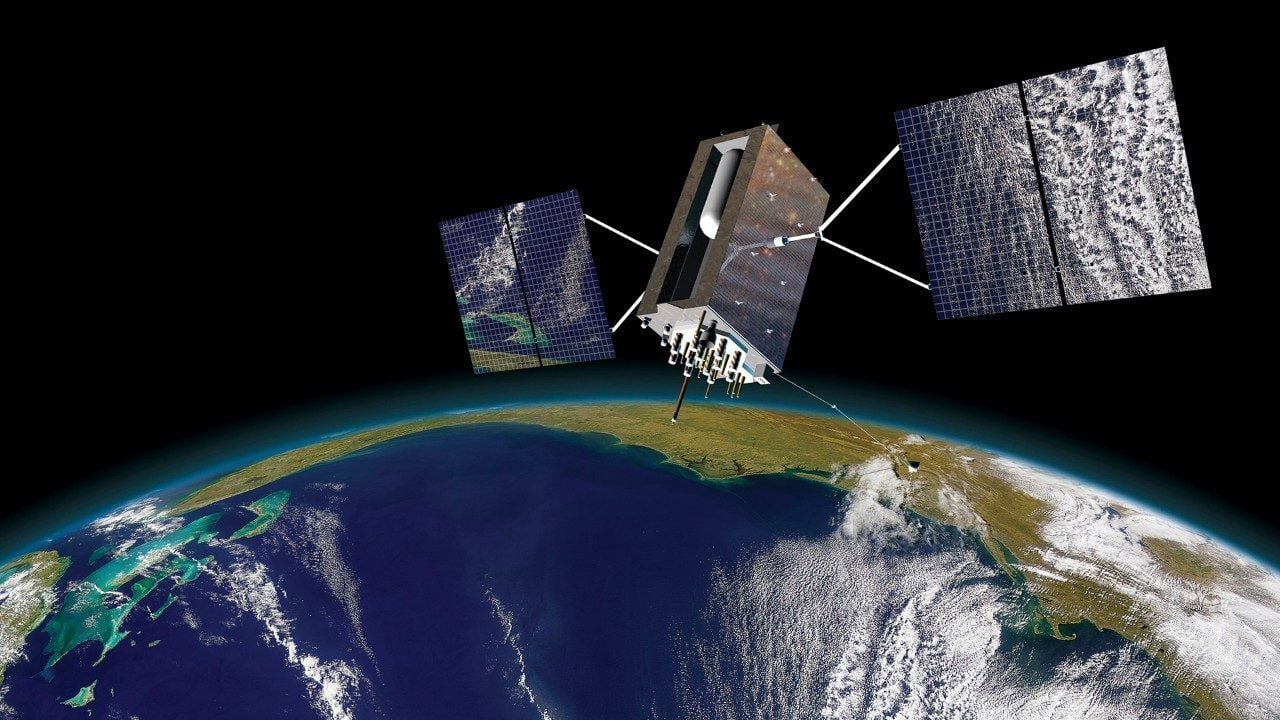
On April 17, 2026, the U.S. Space Force officially cancelled the Next Generation Operational Control System after sixteen years of development, cost overruns, and testing failures. The $8 billion program was supposed to unlock the military's encrypted GPS signal. Instead, the satellites are flying with capabilities the ground can't command.
Artemis II crew surpassed Apollo 13's distance record during April 6 lunar flyby. Orion carried 4 astronauts—including Canadian Jeremy Hansen—farther from Earth than any humans.
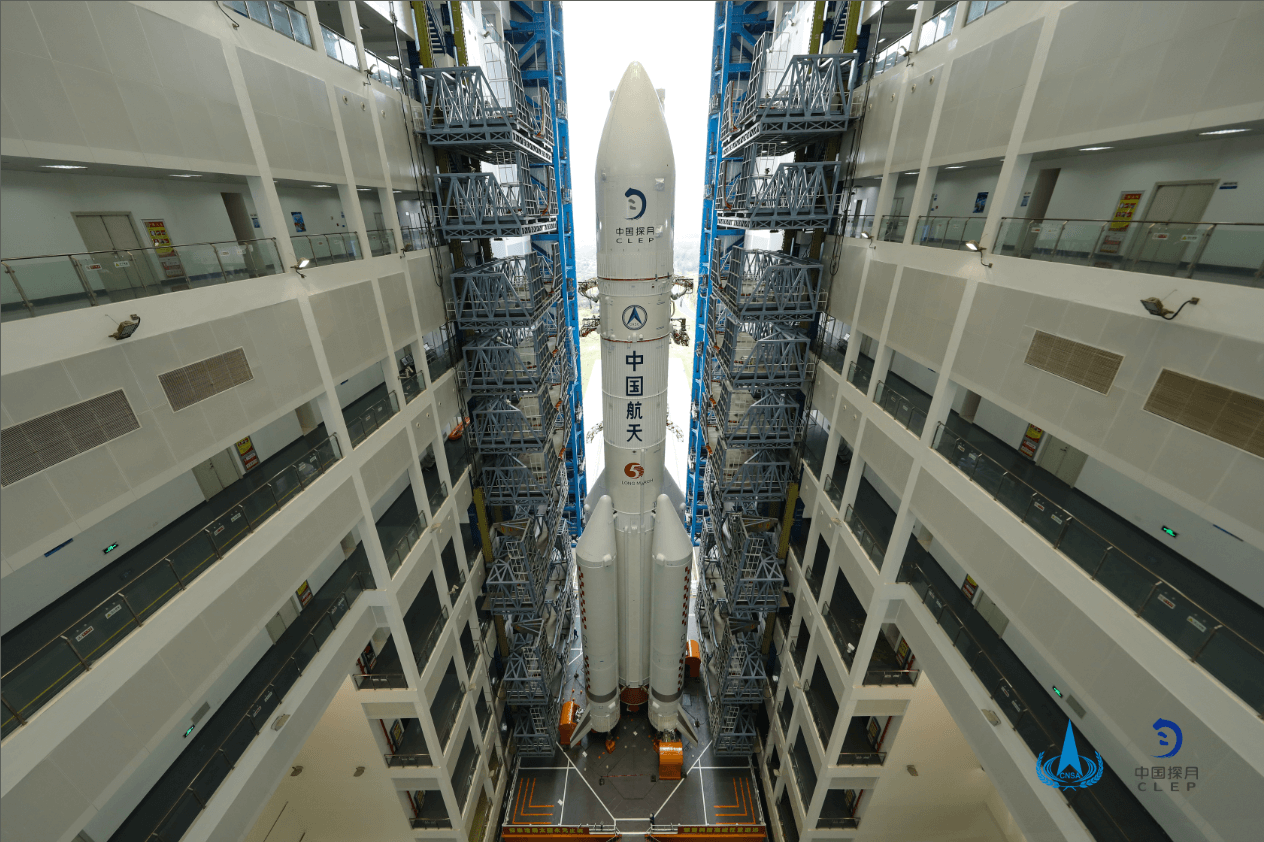
NASA concludes MAVEN mission after six months attempting to restore contact with Mars probe. Meanwhile, Falcon 9 booster flies record 35th flight on Starlink 10-35 mission.
Today's highlights include significant data release from NASA's Atmospheric Waves Experiment, SpaceX's dual launches of Crew-10 and Starlink satellites, and intriguing findings from the arctic ice studies.