



Space Brief 7 Jun 2025
Today's brief covers the latest in satellite launches, military implications in space funding, and notable reentry delays.


Launch Date
February 17, 1978
Launch Site
PLMSC
Launch Pad
LC132/2
Launch Vehicle
Kosmos 11K65M
NORAD ID
10676
International Designator
1978-019A
Epoch
Sat, 04 Jul 2026 05:39:46 GMT
Apogee
Calculating...
Perigee
Calculating...
Inclination
74.04°
Right Ascension
119.68°
Eccentricity
Calculating...
Argument of Perigee
88.35°
Period
100.19 min
Mean Motion
14.37 rev/day
Latitude
Calculating...
Longitude
Calculating...
Altitude
Calculating...
Velocity
Calculating...
Name
COSMOS 990
Alternative Name
Kosmos-990
Type
Status
Owner
GUKOSR
Country
USSR
Constellation
N/A
Related Satellites
Major Events
N/A
1 10676U 78019A 26185.23595938 .00000194 00000-0 73881-4 0 9996
2 10676 74.0387 119.6816 0015155 88.3527 271.9362 14.37251170532475
Source: Celestrak
Apologies, there is no summary for this satellite yet. I am working to generate these for every object in the catalog, but it is going to take time.
Length
3
Diameter
2
Span
3
Dry Mass
800
Launch Mass
800
Shape
Cyl
Radar Cross Section
2.1645
Visual Magnitude
Unknown
Color
Unknown
Material Composition
Unknown
Payload
Strela-2M No. [27]
Purpose
Military Communication, store dump
Mission
Military Communication, store dump
Manufacturer
NPOPM
Life Expectancy
6 months
Bus
Strela-2M
Configuration
Unknown
Motor
Unknown
Equipment
Unknown
Power System
Solar cells, batteries
ADCS
Unknown
Transmitter Frequency
Unknown
Learn more about satellites and other related topics.
Today's brief covers the latest in satellite launches, military implications in space funding, and notable reentry delays.
Today's brief covers China's intense launch schedule, a new Arctic military constellation, Muon Space's defense innovations, and SpaceX's classified NROL-77 mission.

Today's highlights include SpaceX's record-breaking launches, Japan's final H-2A launch, and significant developments in satellite data policies impacting weather forecasting.

The final satellite in a multi-billion-dollar program that learned its hardest lesson from a clogged pipe. GOES-19 is now NOAA's eyes on every Atlantic hurricane - and it's already found dozens of comets no one was looking for.
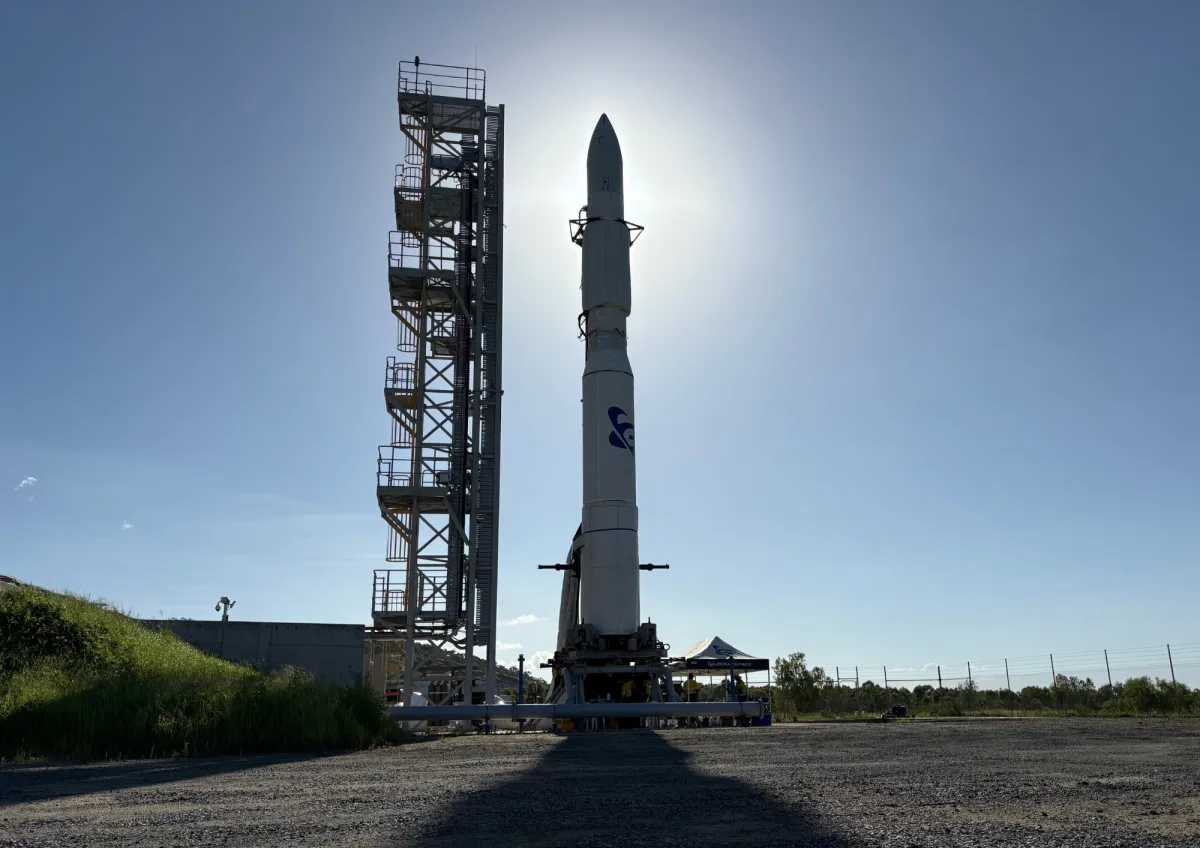
Today's brief covers a Pentagon review of satellite launch options, Kongsberg's completed maritime satellite network, York's new satellite launch, DARPA's project cancellation, and more.
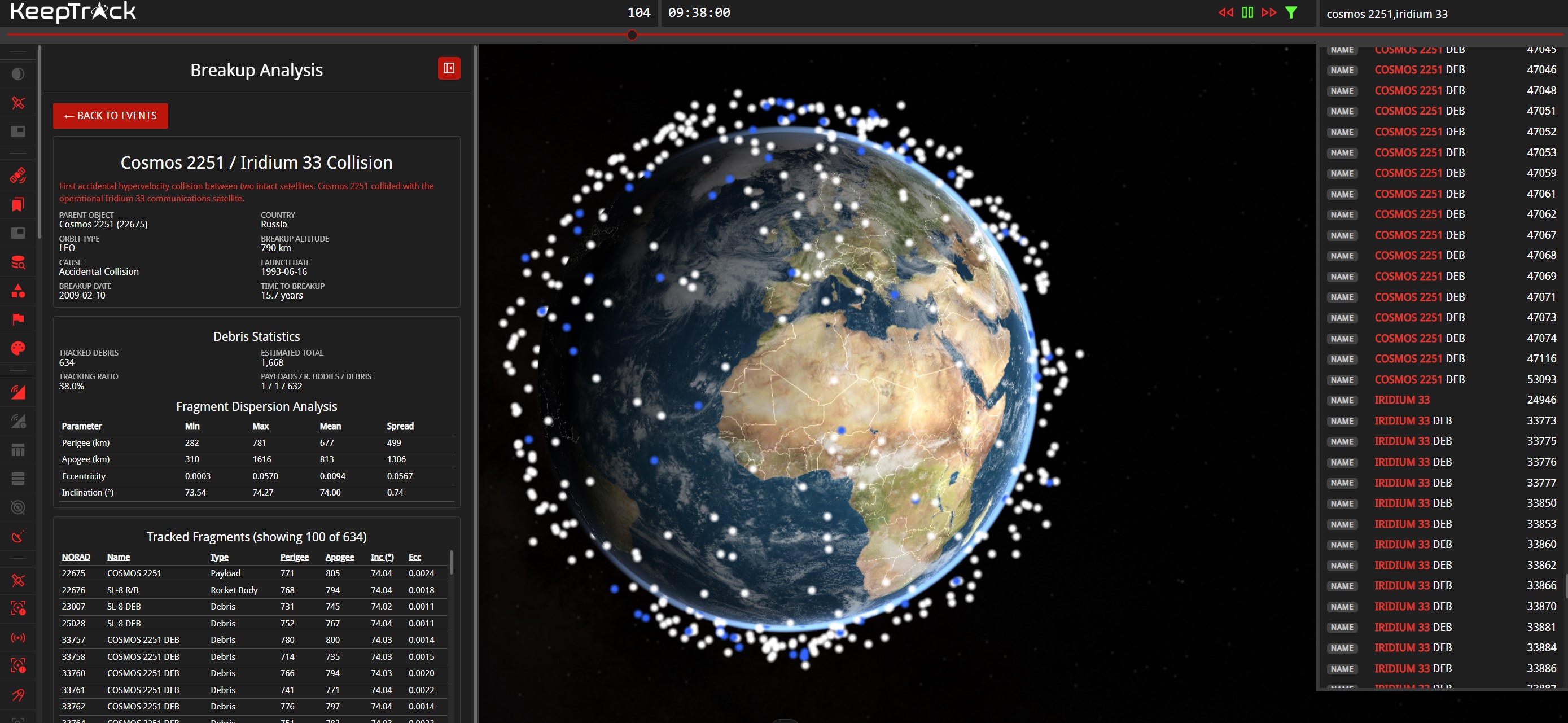
On February 10, 2009, an active Iridium communications satellite and a derelict Soviet military spacecraft slammed into each other 789 kilometers above Siberia. The collision produced more than 2,300 pieces of trackable debris that are still up there. Seventeen years later, the Iridium-Cosmos collision remains the event that made space debris a policy problem the world could no longer ignore.
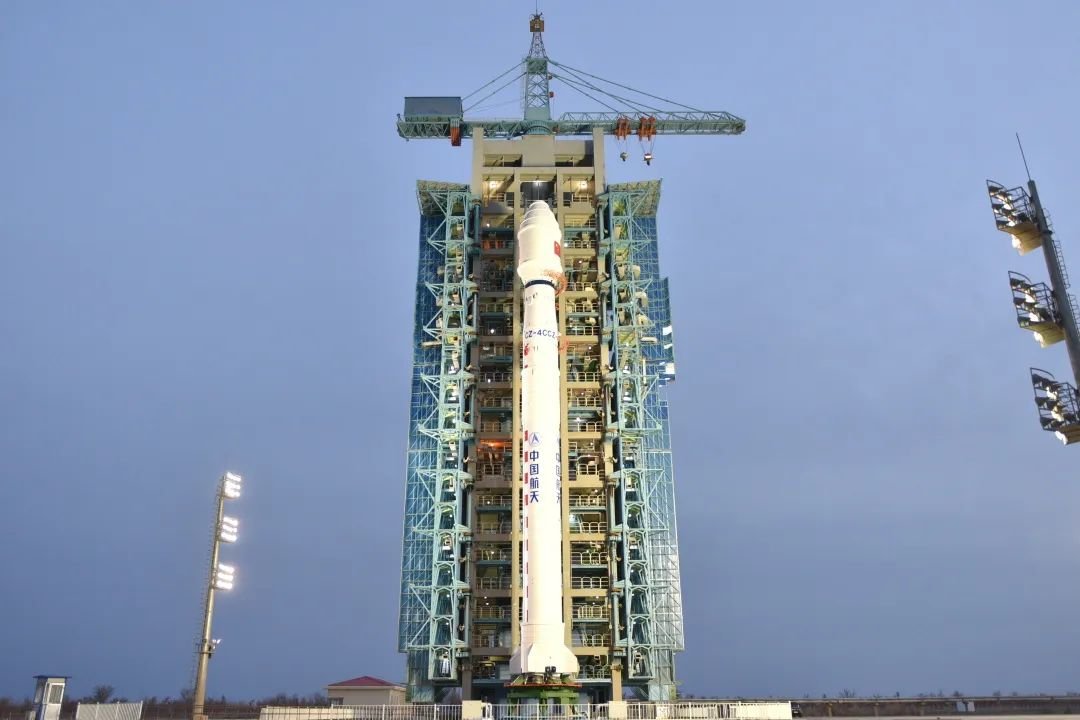
Today's Space Brief covers the inaugural national security mission of ULA's Vulcan Centaur, the Space Force's 2026 budget insights, and shifts in military drone technology.
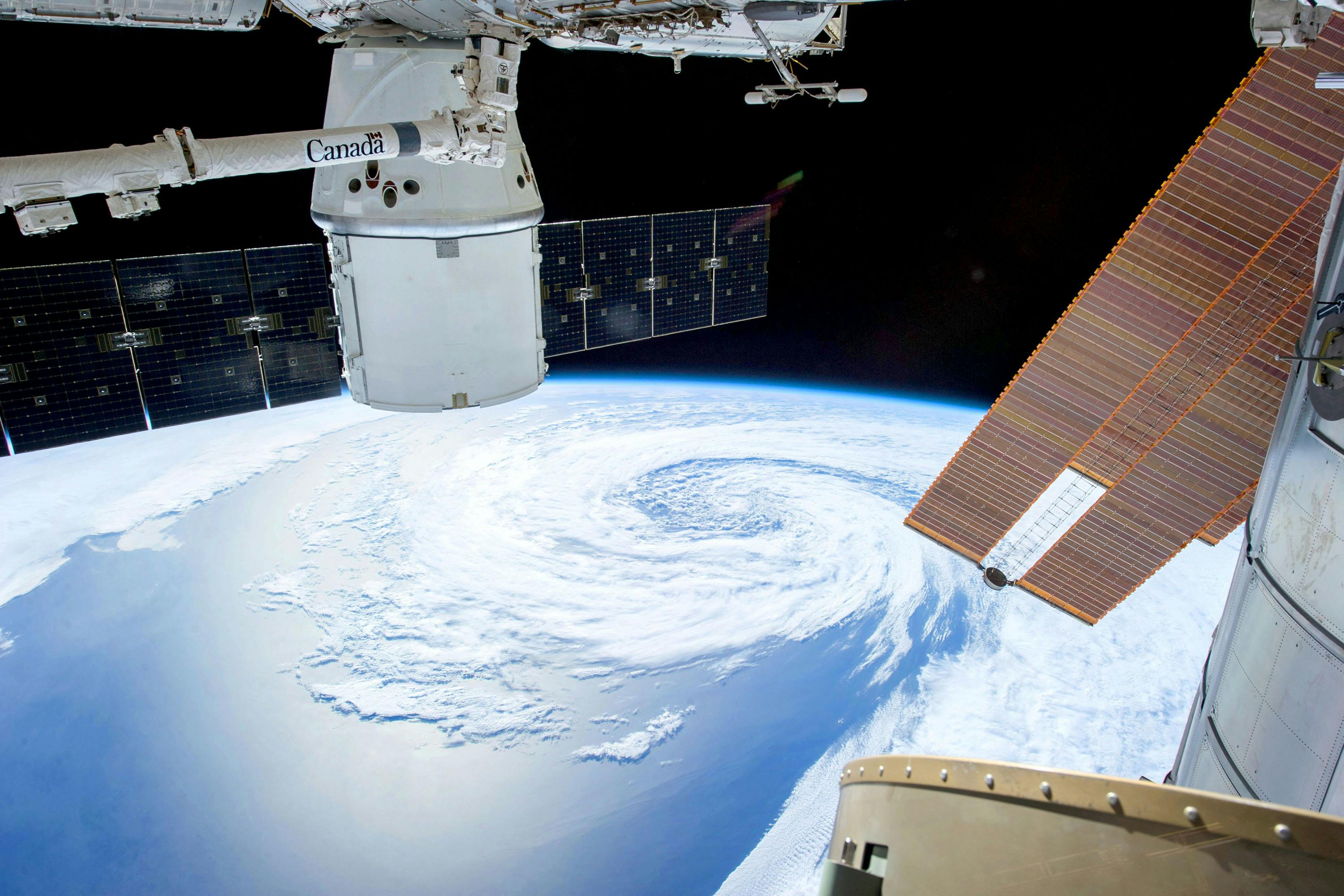
Critical updates from SpaceX include a scrubbed satellite launch and a busy launch schedule for the week, featuring multiple Falcon 9 missions.