


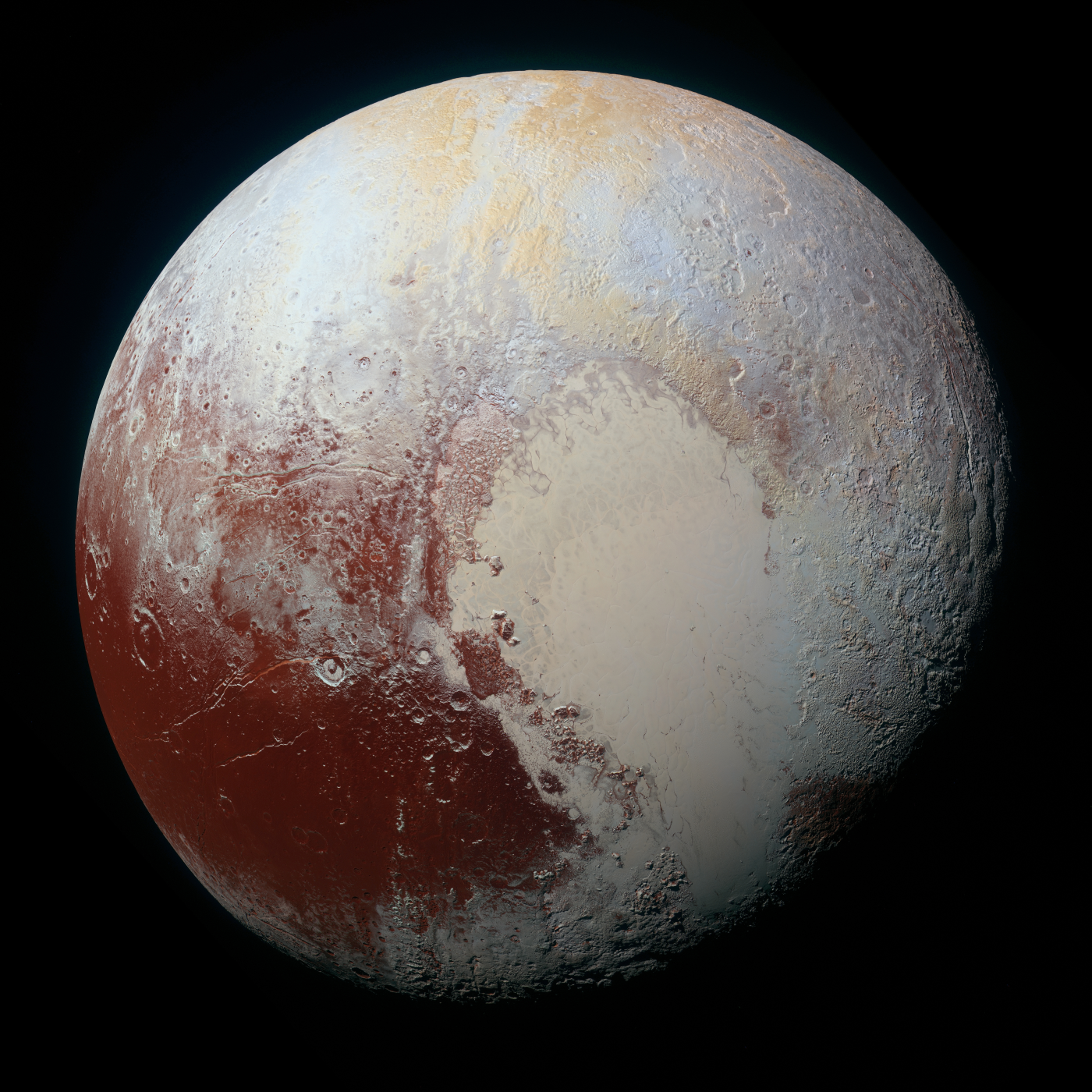
The Day a Farm Boy Found a New World
Ninety-five years ago, a 24-year-old astronomer with no college degree made one of astronomy's most remarkable discoveries, finding a new planet that would challenge our understanding of the solar system


Launch Date
February 9, 1978
Launch Site
Launch Pad
LC36A
Launch Vehicle
Atlas SLV-3D Centaur
NORAD ID
10669
International Designator
1978-016A
Epoch
Fri, 03 Jul 2026 22:40:48 GMT
Apogee
Calculating...
Perigee
Calculating...
Inclination
7.07°
Right Ascension
291.29°
Eccentricity
Calculating...
Argument of Perigee
263.57°
Period
1454.50 min
Mean Motion
0.99 rev/day
Latitude
Calculating...
Longitude
Calculating...
Altitude
Calculating...
Velocity
Calculating...
Name
OPS 6391 (FLTSATCOM 1)
Alternative Name
FLTSATCOM F1
Type
Status
Owner
USNESC/SAMSO
Country
United States
Constellation
N/A
Related Satellites
Major Events
N/A
1 10669U 78016A 26184.94500769 .00000047 00000-0 00000-0 0 9996
2 10669 7.0711 291.2924 0007189 263.5685 107.3774 0.99002958754747
Source: Celestrak
Apologies, there is no summary for this satellite yet. I am working to generate these for every object in the catalog, but it is going to take time.
Length
1.3
Diameter
2.4
Span
13.2
Dry Mass
822
Launch Mass
942
Shape
Hex Cyl + Dish + 2 Pan
Radar Cross Section
1.9952
Visual Magnitude
Unknown
Color
Unknown
Material Composition
Unknown
Payload
FLTSATCOM F1
Purpose
Communication
Mission
Communication
Manufacturer
TRW
Life Expectancy
12 years
Bus
FLTSATCOM
Configuration
Unknown
Motor
Star 37F
Equipment
12 transponders with UHF/SHF uplink and UHF downlink
Power System
2 deployable solar arrays, batteries
ADCS
Unknown
Transmitter Frequency
Unknown
Learn more about satellites and other related topics.
Ninety-five years ago, a 24-year-old astronomer with no college degree made one of astronomy's most remarkable discoveries, finding a new planet that would challenge our understanding of the solar system
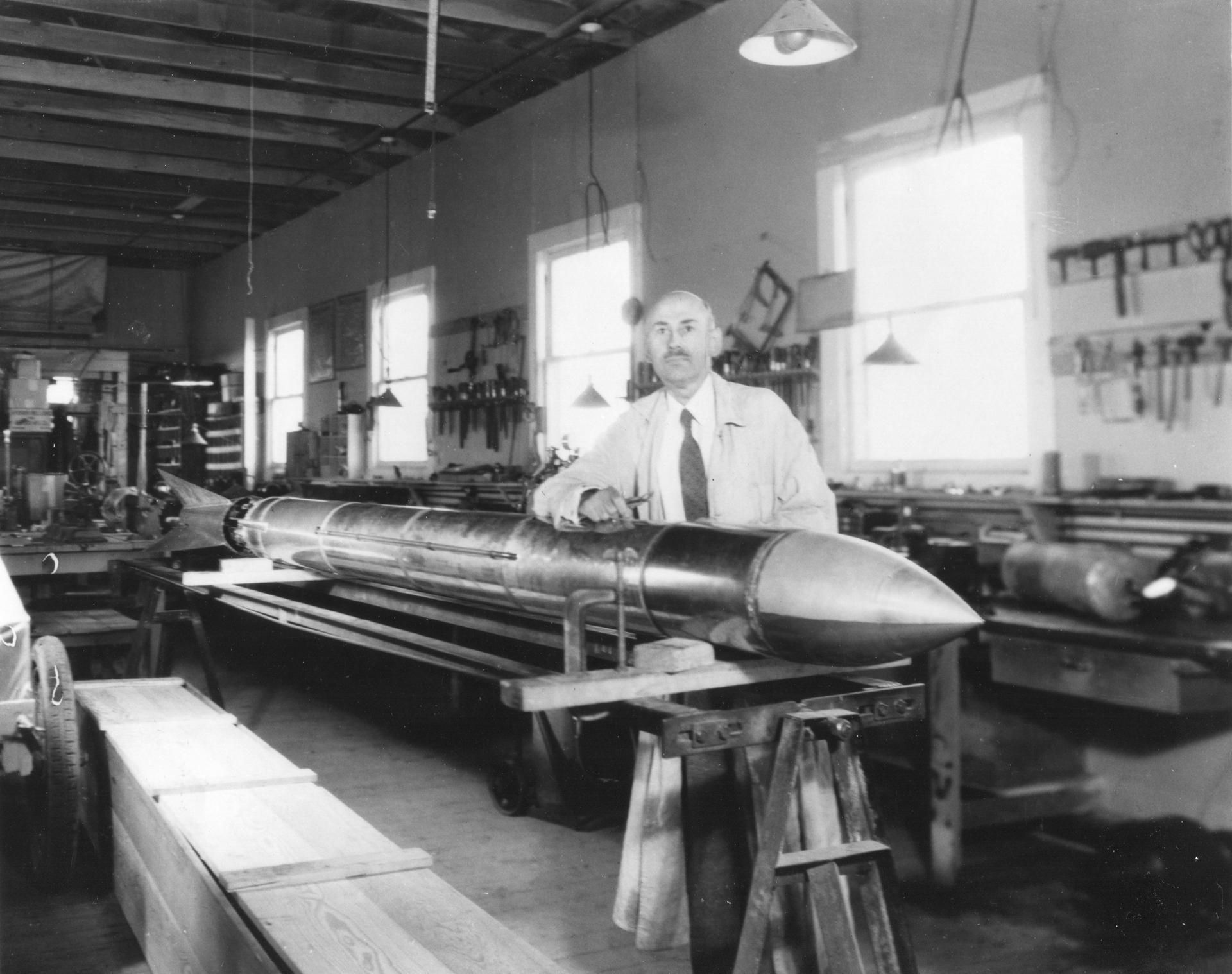
On February 2, 1909, Robert Goddard made a revolutionary breakthrough in his notebook: liquid oxygen and liquid hydrogen could achieve 50% efficiency in converting heat energy to kinetic energy for rocket propulsion

Today's brief covers a record-breaking Starlink launch, FCC's allocation of additional spectrum for launches, and more. Plus, explore the intricacies of satellite Rassvet-2 No. 1 in our Satellite Spotlight.

Space Force selects 14 companies for $1.8 billion Andromeda program to replace GSSAP geosynchronous surveillance satellites with commercial alternatives through 2036.

SpaceX rounds off a record-setting year with over 130 launches, achieving new milestones in Starship development and Starlink expansion.

Today's brief covers potential roles for commercial satellites in missile defense, SpaceX's new launch site plans at Vandenberg, and partnerships for space nuclear propulsion. Discover updates on military space projects and international defense agreements.

Busy activities in space: SpaceX's series of Starlink launches dominate the week, while Vega C successfully deploys Earth science satellites.
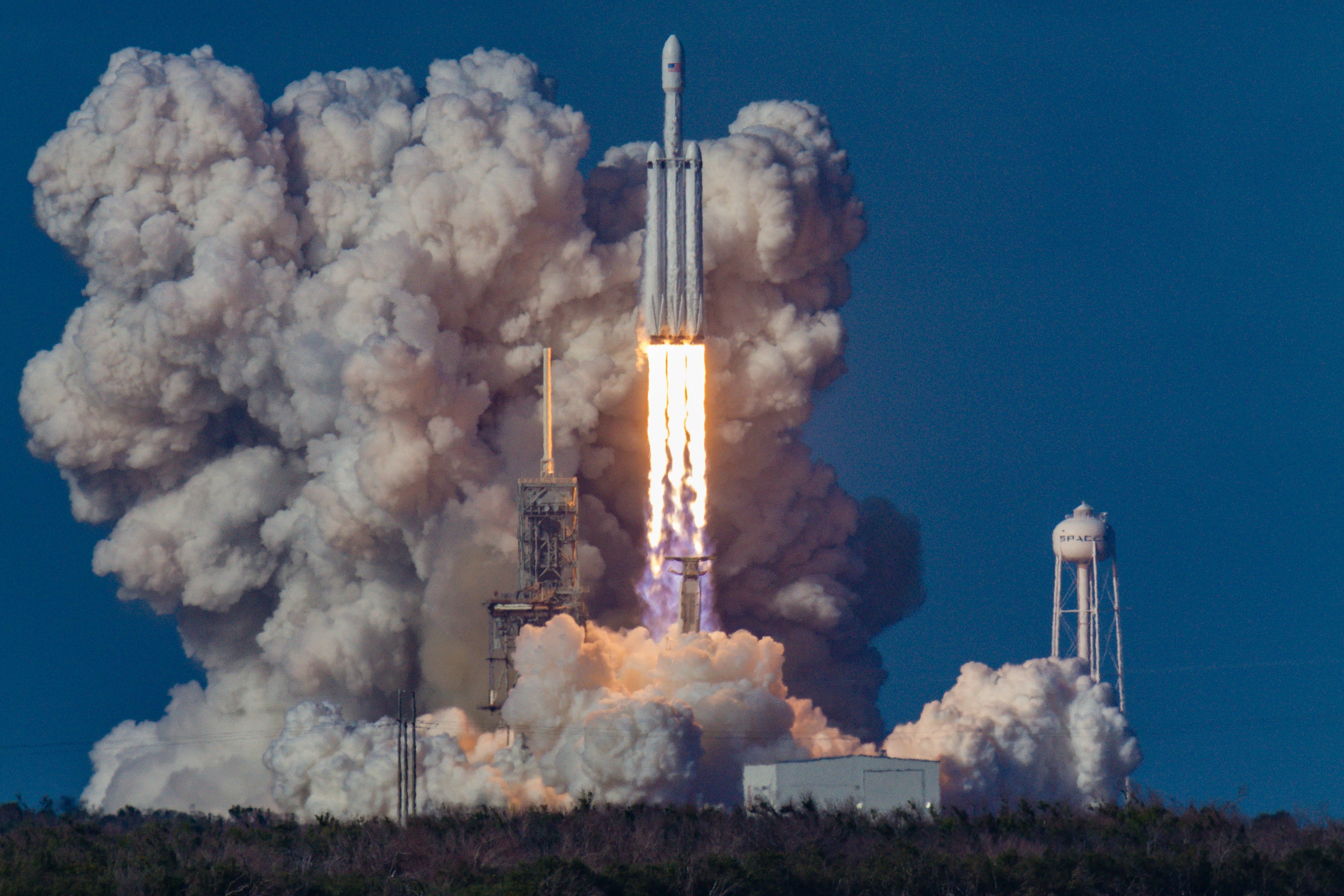
SpaceX successfully completed its 100th Starlink mission of the year and launched the 'Haven Demo' private space station along with 17 other satellites. The company also made strides in lunar lander development for Artemis III.