


Space Brief 22 Nov 2025
Today's brief covers Blue Origin's national security mission, a new missile interceptor project by Space Force, developments with Starship boosters, and more.



Launch Date
July 8, 1976
Launch Site
PLMSC
Launch Pad
LC132/1
Launch Vehicle
Kosmos 11K65M
NORAD ID
10617
International Designator
1976-067AR
Epoch
Sat, 04 Jul 2026 00:08:05 GMT
Apogee
Calculating...
Perigee
Calculating...
Inclination
65.63°
Right Ascension
33.00°
Eccentricity
Calculating...
Argument of Perigee
120.29°
Period
116.47 min
Mean Motion
12.36 rev/day
Latitude
Calculating...
Longitude
Calculating...
Altitude
Calculating...
Velocity
Calculating...
Name
COSMOS 839 DEB
Alternative Name
deb Kosmos-839
Type
Status
Owner
PVO
Country
USSR
Constellation
N/A
Related Satellites
Major Events
N/A
1 10617U 76067AR 26185.00562336 -.00000017 00000-0 12212-3 0 9998
2 10617 65.6338 33.0011 0731744 120.2925 26.8753 12.36378418256000
Source: Celestrak
Length
0
Diameter
0
Span
0
Dry Mass
0
Launch Mass
0
Shape
N/A
Radar Cross Section
0.2635
Visual Magnitude
Unknown
Color
Unknown
Material Composition
Unknown
Payload
RCS 0.39
Purpose
Unknown
Mission
Unknown
Manufacturer
Unknown
Life Expectancy
Unknown
Bus
Unknown
Configuration
Unknown
Motor
Unknown
Equipment
Unknown
Power System
Unknown
ADCS
Unknown
Transmitter Frequency
Unknown
Learn more about satellites and other related topics.
Today's brief covers Blue Origin's national security mission, a new missile interceptor project by Space Force, developments with Starship boosters, and more.
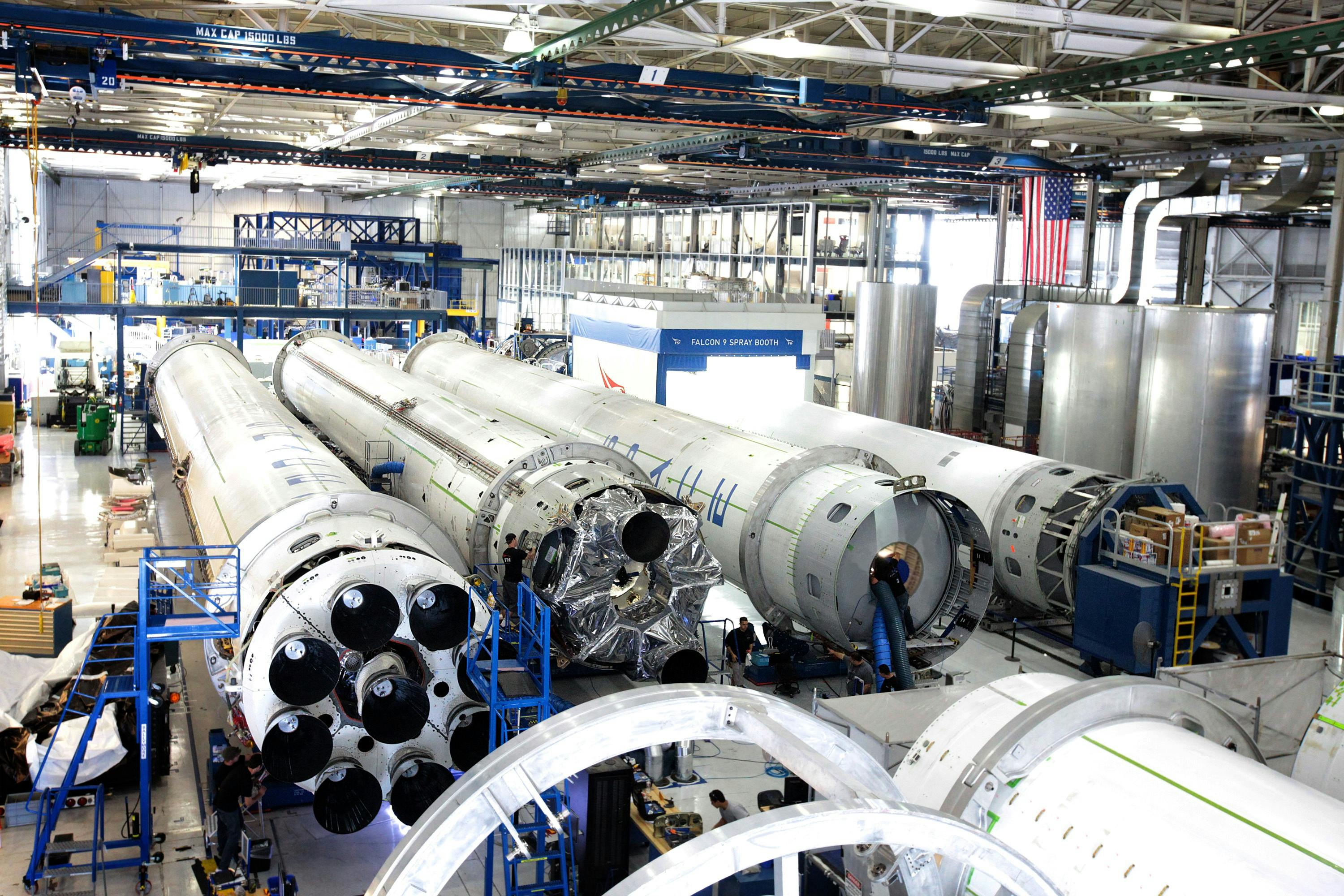
SpaceX unveils new space traffic management system for orbital coordination. Bahamas grants permission for rocket landings after Starship debris pause. Musk proposes lunar satellite catapult.

Exploring new defense agreements with Eutelsat, advances in U.S. Space Force projects, and updates on NATO's strategic discussions.

Blue Origin's New Glenn rocket exploded hours after USSF and NRO awarded national security launch contract. Impact on NSSL competition unclear.

Blue Origin's New Glenn rocket exploded at Cape Canaveral's LC-36, causing visible pad damage and a year-plus grounding. NASA lunar plans affected.
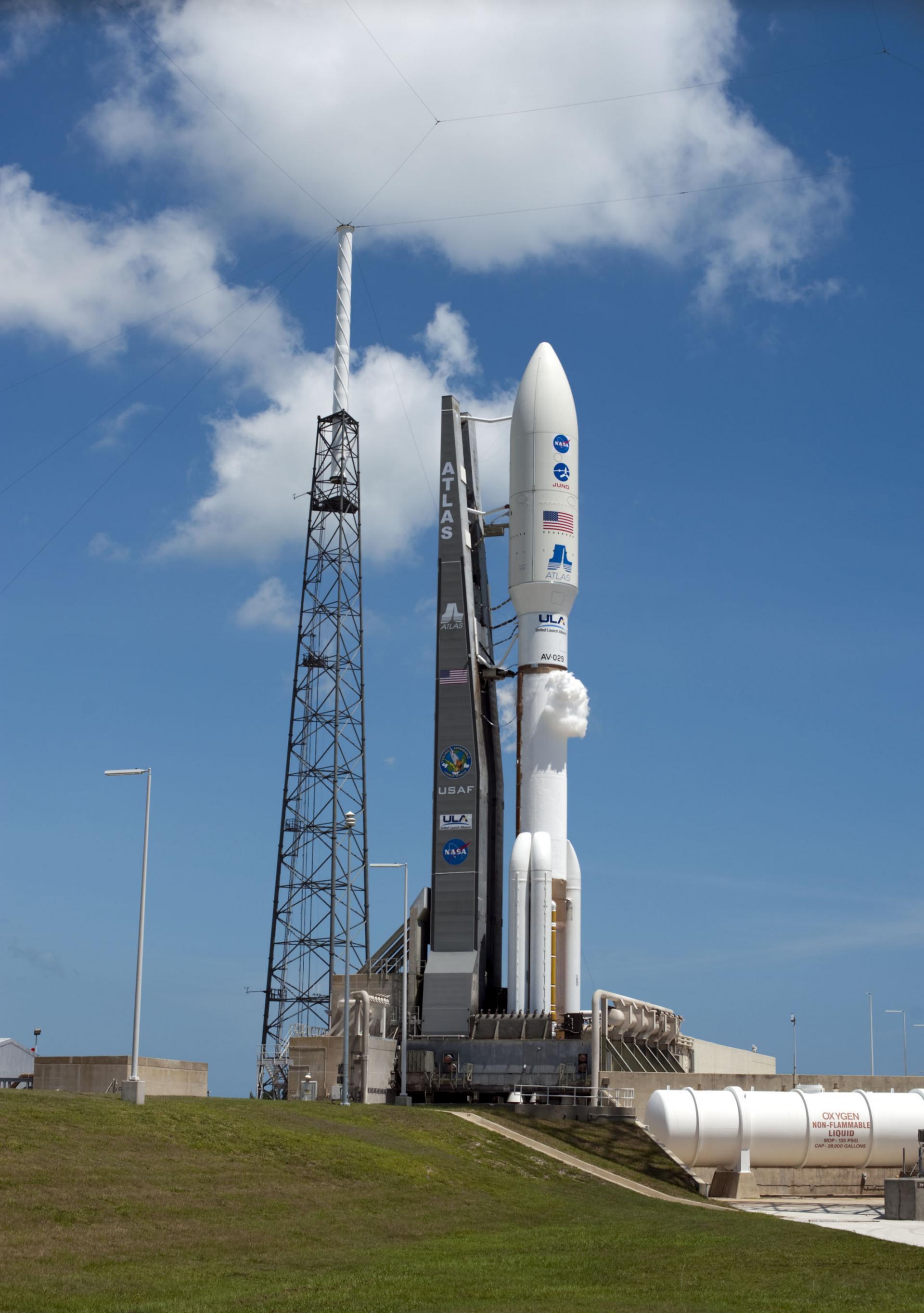
Today's briefing covers space-based missile defense, AI maritime surveillance, and new governmental shifts impacting the defense sector.
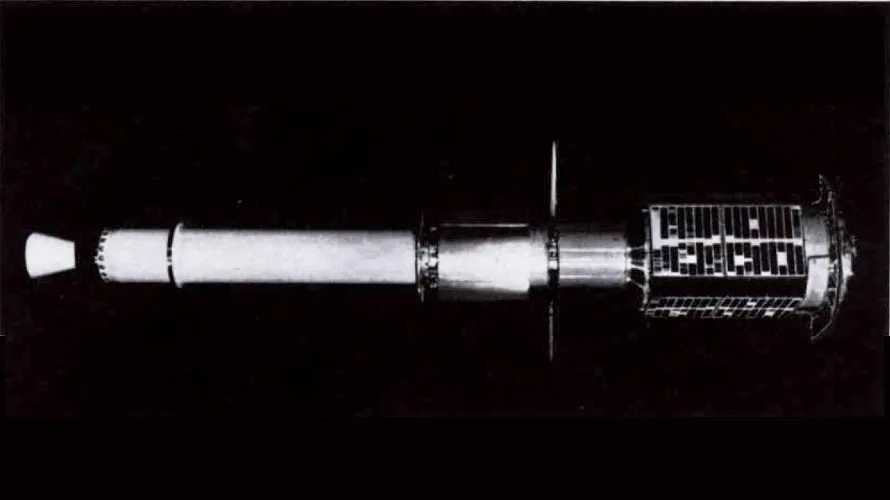
On April 27, 1961, a Scout rocket lifted a 37-kilogram NASA satellite into orbit from Wallops Island carrying the first serious instrument for detecting cosmic gamma rays. Explorer 11 operated for seven months before its tape recorder failed. In that time it registered 22 gamma-ray photons - a pitiful number by modern standards, but enough to launch an entire branch of astronomy.
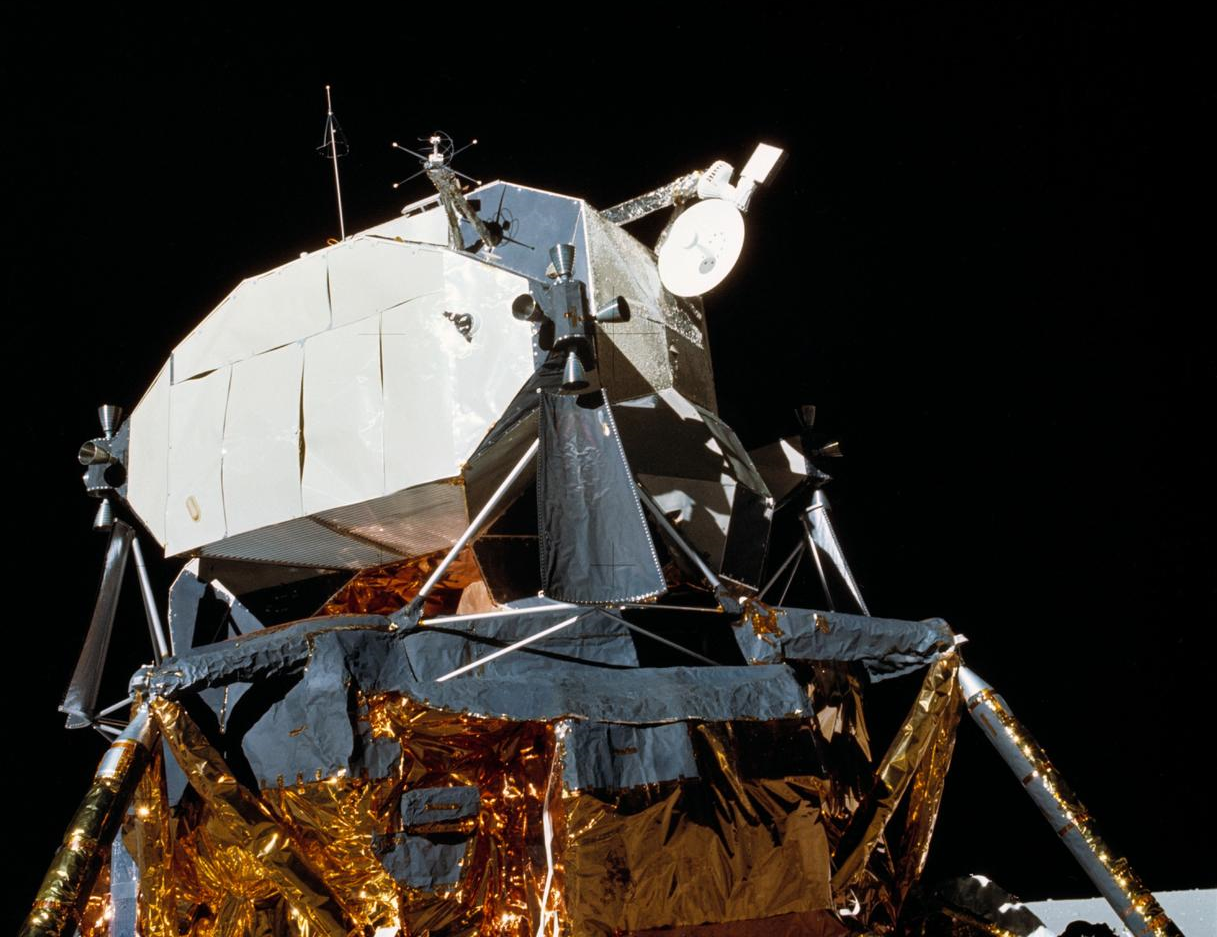
Six hours behind schedule, with a backup engine system shuddering in lunar orbit and mission controllers in Houston running out of options, Apollo 16 came within one meeting of being sent home without landing. The problem was a wobble in a gimbal. The solution was math done under pressure.