CZ-2C R/B (10612)

COSPAR: 1978-011B | Alt Name: CZ-2C C3 Stage 2
DECAYED

Image
CZ-2C R/B Satellite Image
Additional Sources
Launch Details

Launch Date

January 26, 1978

Launch Site

JSC

Launch Pad

LA2B

Launch Vehicle

Chang Zheng 2C

Orbital Elements

NORAD ID

10612

International Designator

1978-011B

Decay Date

2/6/1978

Basic Satellite Info

Name

CZ-2C R/B

Alternative Name

CZ-2C C3 Stage 2

Type

Rocket Body

Status

Space Junk

Owner

JGB7

Country

China

Constellation

N/A

Related Satellites

Major Events

N/A

Summary
A rocket body, also commonly referred to as an upper stage or spent rocket stage, is the structural shell left behind after a rocket has delivered its payload to orbit. These large and often heavy pieces of space hardware can remain in orbit for years, posing significant collision hazards as part of the growing space debris problem. If left uncontrolled, rocket bodies have the potential to reenter Earth's atmosphere unpredictably, which can lead to falling debris in populated areas. Additionally, they risk colliding with operational satellites or the International Space Station, creating more debris and putting human life at risk.
Physical Characteristics

Length

7.5

Diameter

3.3

Span

7.5

Dry Mass

4000

Launch Mass

4000

Shape

Cyl

Radar Cross Section

28.0527

Visual Magnitude

Unknown

Color

Unknown

Material Composition

Unknown

Technical Details

Payload

CZ-2C Stage 2

Purpose

Unknown

Mission

Unknown

Manufacturer

BWYIC

Life Expectancy

Unknown

Bus

CZ-2 Stage 2

Configuration

Unknown

Motor

Unknown

Equipment

Unknown

Power System

Unknown

ADCS

Unknown

Transmitter Frequency

Unknown

Satellite Articles

View All Posts »

Learn more about satellites and other related topics.

Blue Origin Targets New Glenn Return Before Year-End After Pad Explosion | KeepTrack Space Brief

Blue Origin Targets New Glenn Return Before Year-End After Pad Explosion | KeepTrack Space Brief

Blue Origin aiming for 2nd New Glenn launch by end of 2026 after LC-36 pad explosion at Cape Canaveral. Repair timeline still unclear; mission critical for national security payloads.

Space Brief 1 Aug 2025

Space Brief 1 Aug 2025

Today's Space Brief covers a crucial weather data decision by the U.S. Defense Department, an innovative power supply for aerospace systems, advancements in satellite link technology, and Norway's maritime surveillance. AI/ML tools for airspace management and concerns about defense testing capabilities are also highlighted.

X Report 7 Nov 2024

X Report 7 Nov 2024

SpaceX prepares for sixth Starship flight, slated for mid-November, following successful fifth test in October.

STARLINK-4621 Faces Critical Conjunction as Eight Satellites Reenter | KeepTrack X Report

STARLINK-4621 Faces Critical Conjunction as Eight Satellites Reenter | KeepTrack X Report

A HIGH-risk conjunction between STARLINK-4621 and the defunct SL-18 rocket body leads the July 11 safety picture, with eight Starlink satellites set to reenter through July 14.

Space Force Deploys Meadowlands Satellite-Jamming System | KeepTrack Space Brief

Space Force Deploys Meadowlands Satellite-Jamming System | KeepTrack Space Brief

U.S. Space Force transitions Meadowlands mobile satellite-jamming platform to operational status. System provides ground forces with electronic warfare capability against adversary satellite links.

The Afternoon a Blurry Smudge Turned Pluto Into a Double Planet

The Afternoon a Blurry Smudge Turned Pluto Into a Double Planet

On 22 June 1978, an astronomer at the U.S. Naval Observatory looked at photographic plates that had been stamped 'image defective' and noticed a small bump on the side of Pluto. The bump was a moon, and finding it finally let astronomers weigh a planet that had fooled them for half a century.

X Report 17 Nov 2024

X Report 17 Nov 2024

SpaceX readies for Starship Flight 6, stacking the megarocket for its upcoming launch on Nov. 19. Get details on the timing and mission objectives.

The Day the Soviets Built a World in Orbit

The Day the Soviets Built a World in Orbit

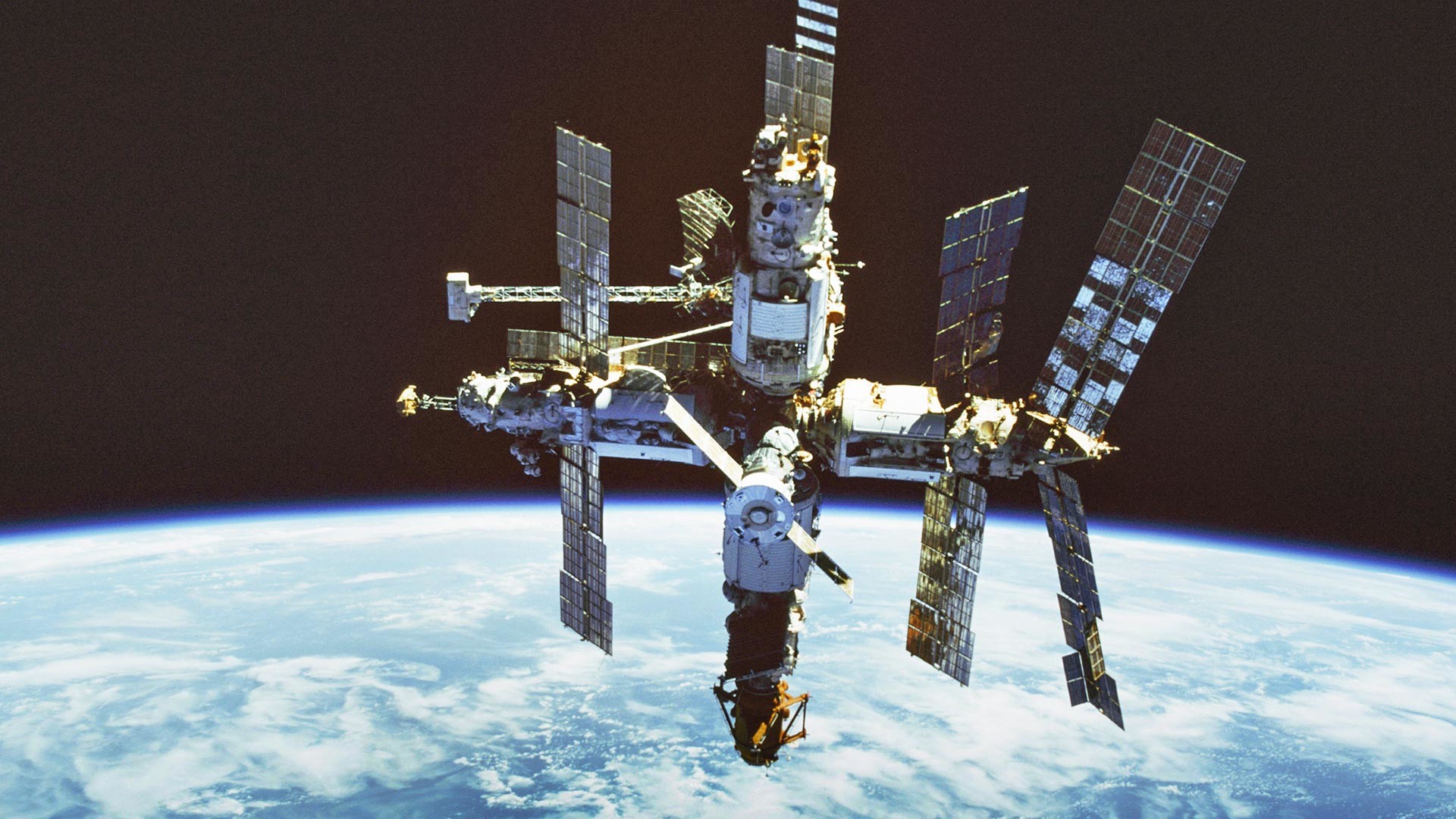
Forty years ago today, the USSR launched a 20-ton aluminum cylinder into low Earth orbit and called it 'Peace.' Over the next 15 years, Mir would host 104 people from 12 countries, survive a fire and a collision, and quietly teach humanity how to live in space.