

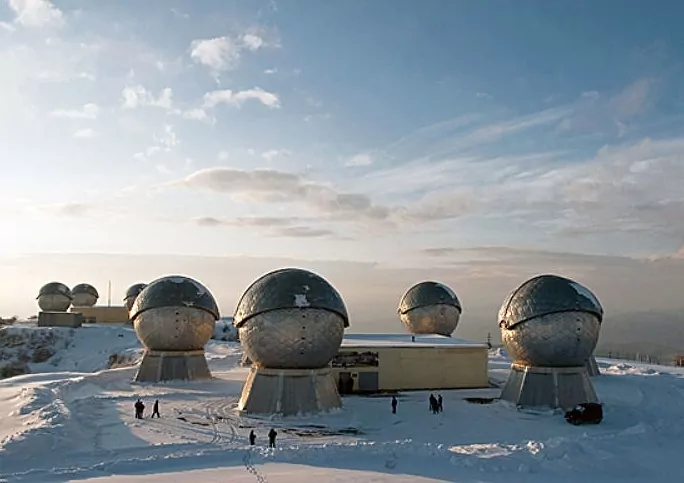
JSC Vimpel
An analysis of Russia's independent space tracking system and how it compares to the established U.S. Space Surveillance Network


Launch Date
December 20, 1977
Launch Site
PLMSC
Launch Pad
LC43/4
Launch Vehicle
Soyuz-U
NORAD ID
10550
International Designator
1977-120D
Decay Date
1/4/1978
Name
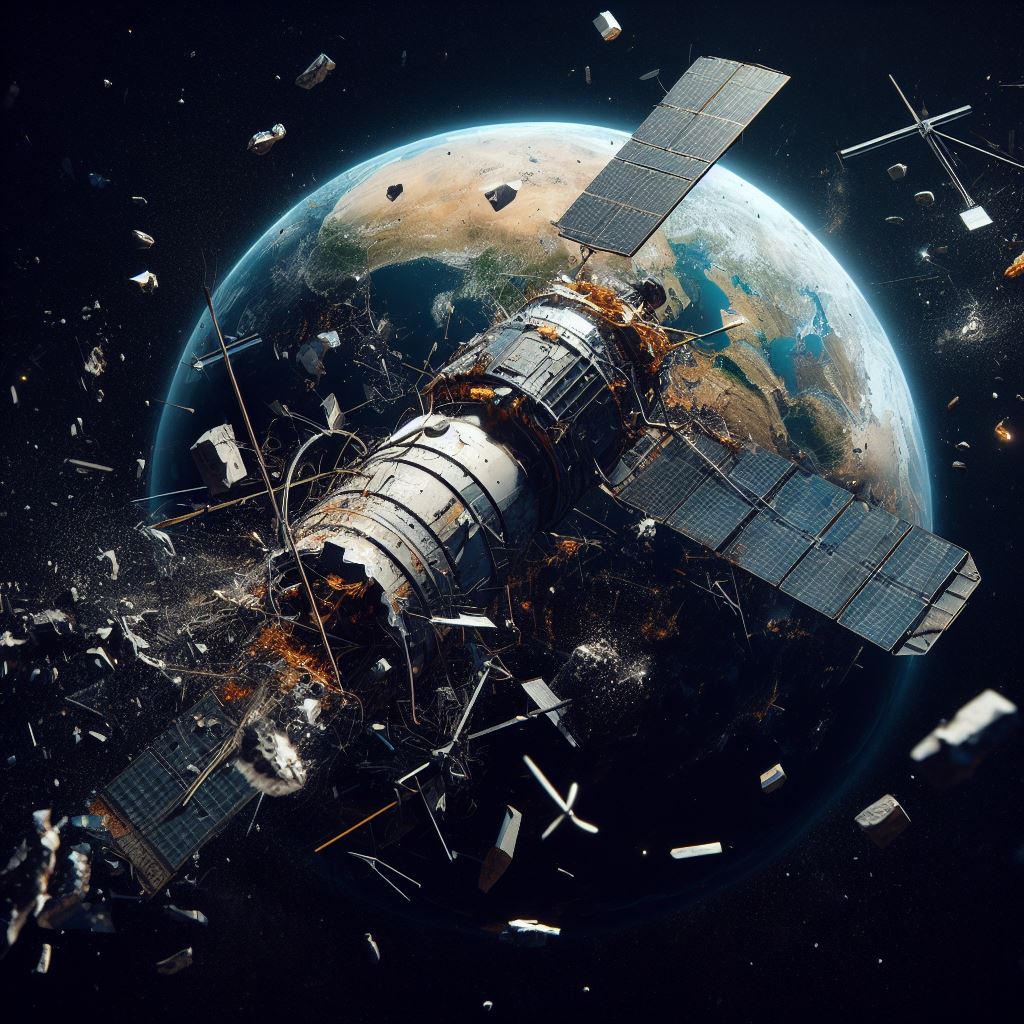
COSMOS 969 DEB
Alternative Name
Blenda
Type
Status
Owner
GUKOSR
Country
USSR
Constellation
N/A
Related Satellites
Major Events
N/A
Length
1
Diameter
0.4
Span
1
Dry Mass
25
Launch Mass
25
Shape
Box
Radar Cross Section
Unknown
Visual Magnitude
Unknown
Color
Unknown
Material Composition
Unknown
Payload
Sunshade
Purpose
Unknown
Mission
Unknown
Manufacturer
TSSKB
Life Expectancy
Unknown
Bus
Zenit BZA
Configuration
Unknown
Motor
Unknown
Equipment
Unknown
Power System
Unknown
ADCS
Unknown
Transmitter Frequency
Unknown
Learn more about satellites and other related topics.
An analysis of Russia's independent space tracking system and how it compares to the established U.S. Space Surveillance Network
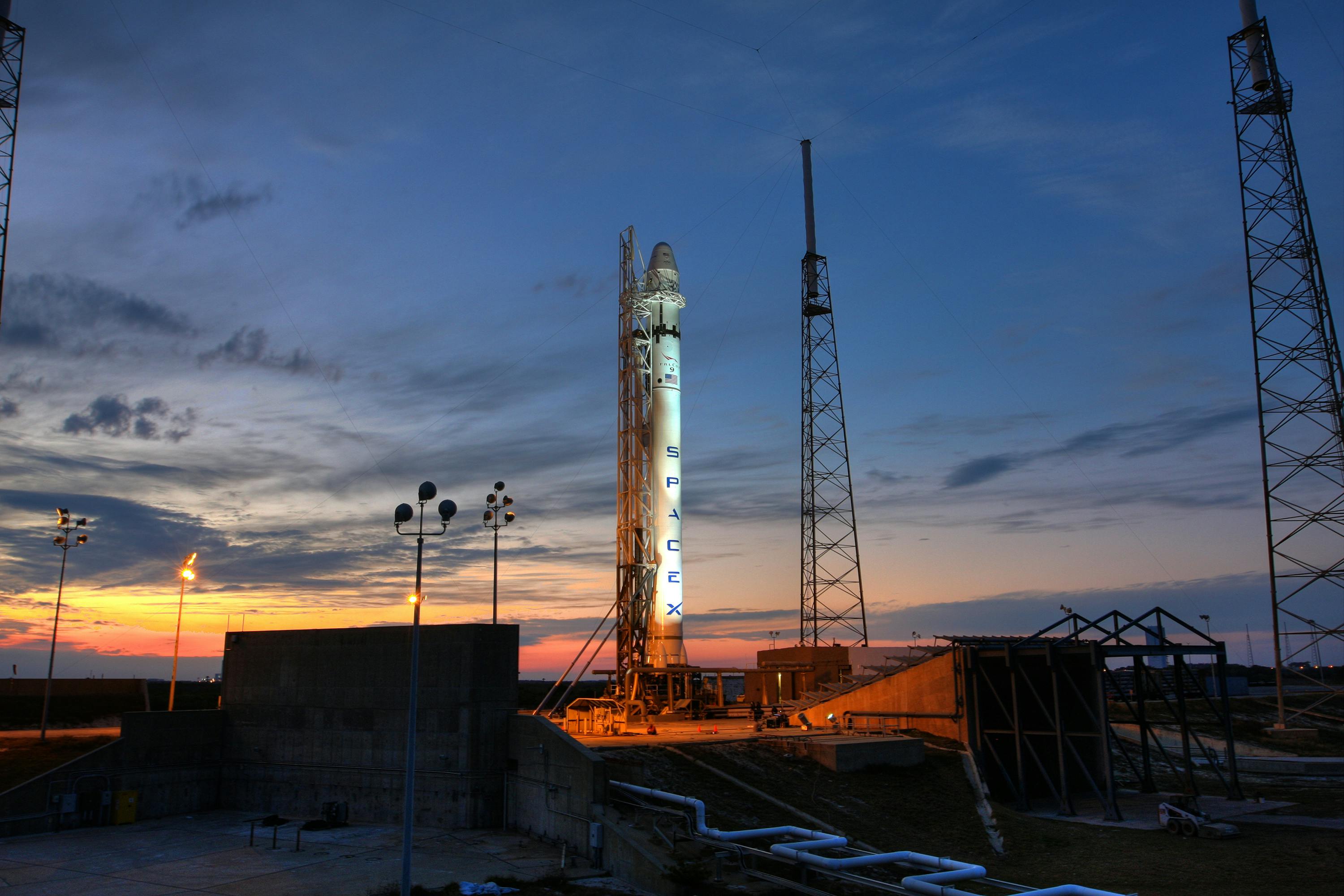
SpaceX launches 28 more Starlink satellites while addressing conflicts of interest and expanding home connectivity with a new router.
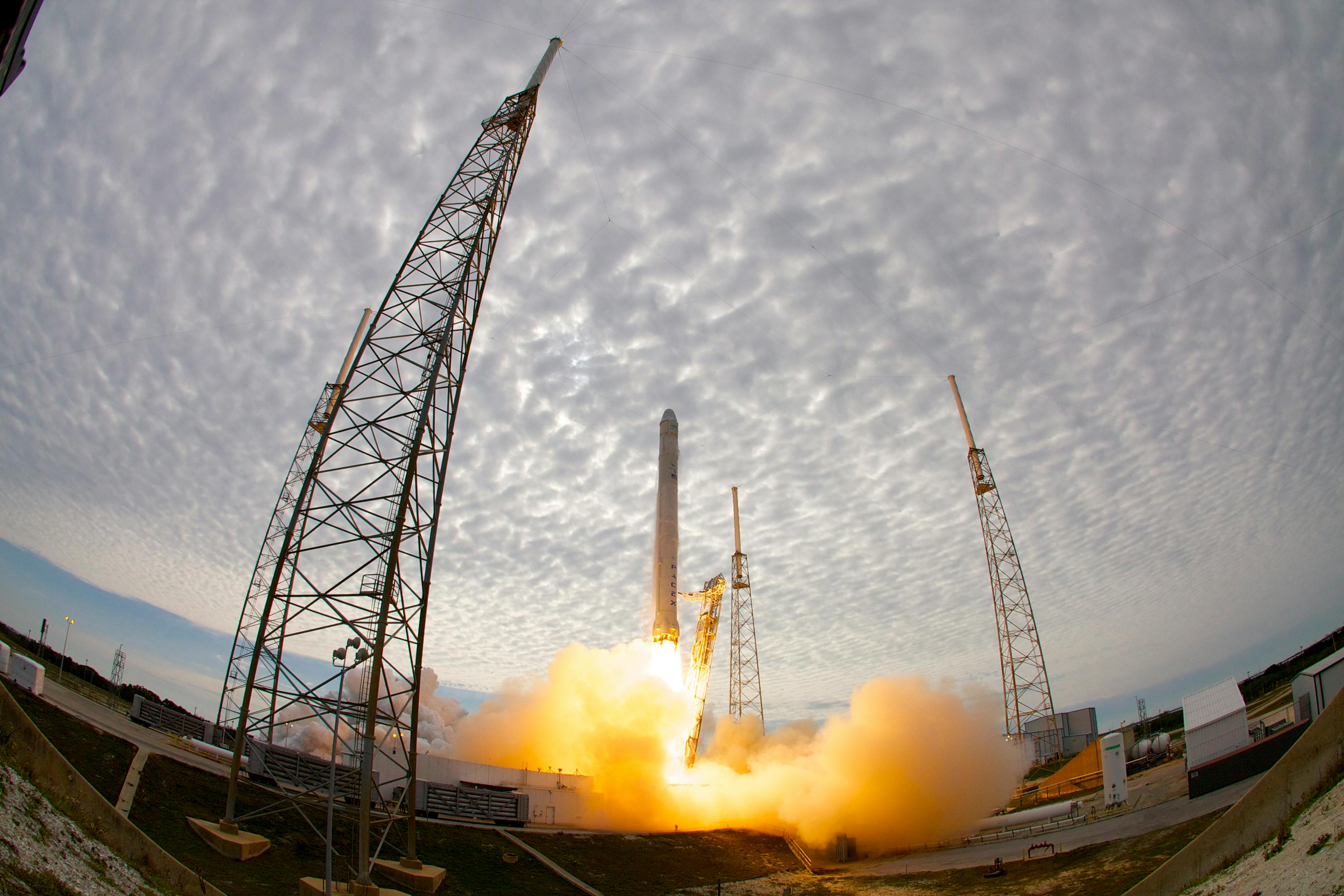
SpaceX successfully launched 24 Starlink satellites, enhancing its constellation while continuing its leadership in satellite deployment for global internet coverage.

For nearly two decades, the U.S. Air Force and Space Force have been the world's unofficial civilian space traffic control system. The Department of Commerce's Traffic Coordination System for Space (TraCSS) is now taking over that job for commercial satellite operators - in stages, against persistent congressional pressure to kill the program, and with Department of Defense advocates pushing to make it happen before it is too late.
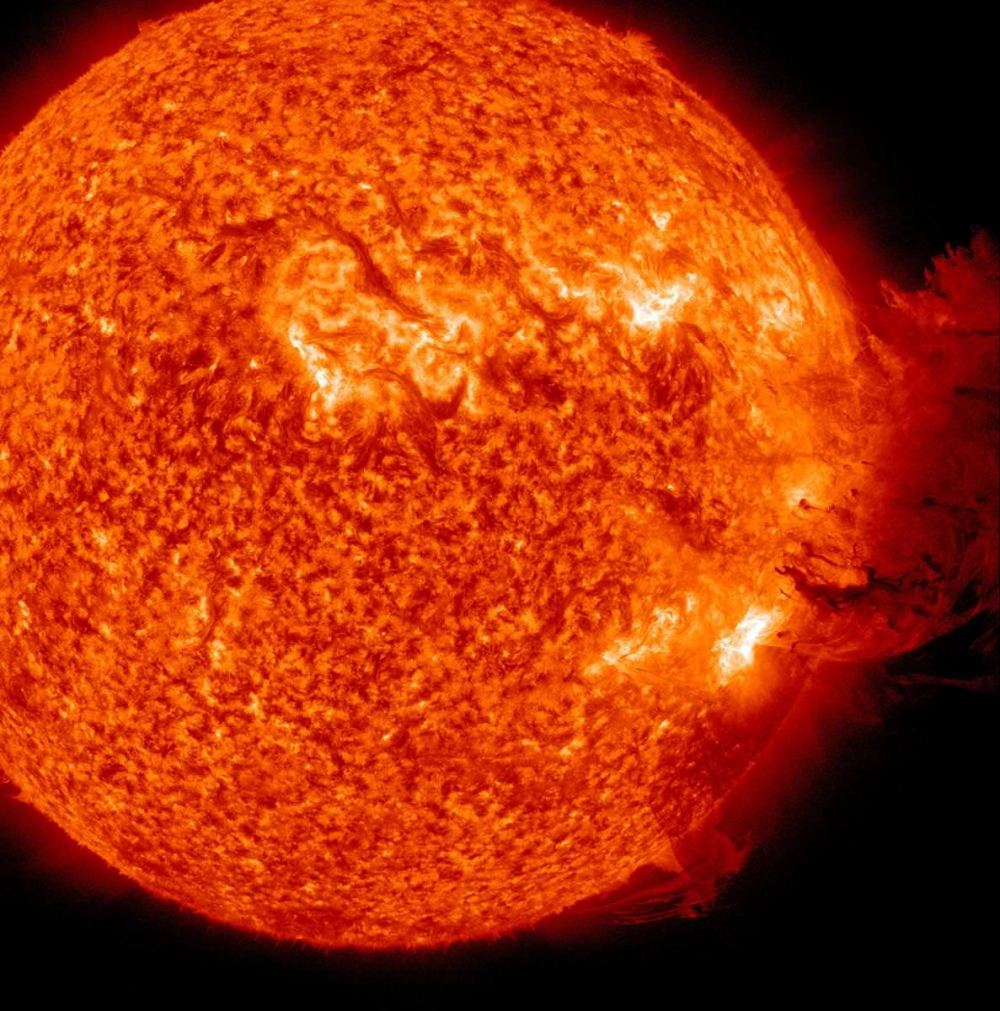
Fifteen years ago, NASA launched its most advanced solar observatory, revolutionizing our understanding of our star and transforming space weather prediction

Thirty-five years ago, NASA's Galileo spacecraft made a crucial flyby of Venus, pioneering a complex path through the inner solar system that would revolutionize planetary exploration

Today's highlights include a record number of launches from Florida's Space Coast, Germany's new military space strategy, SpaceX's Starlink deployment, and more.
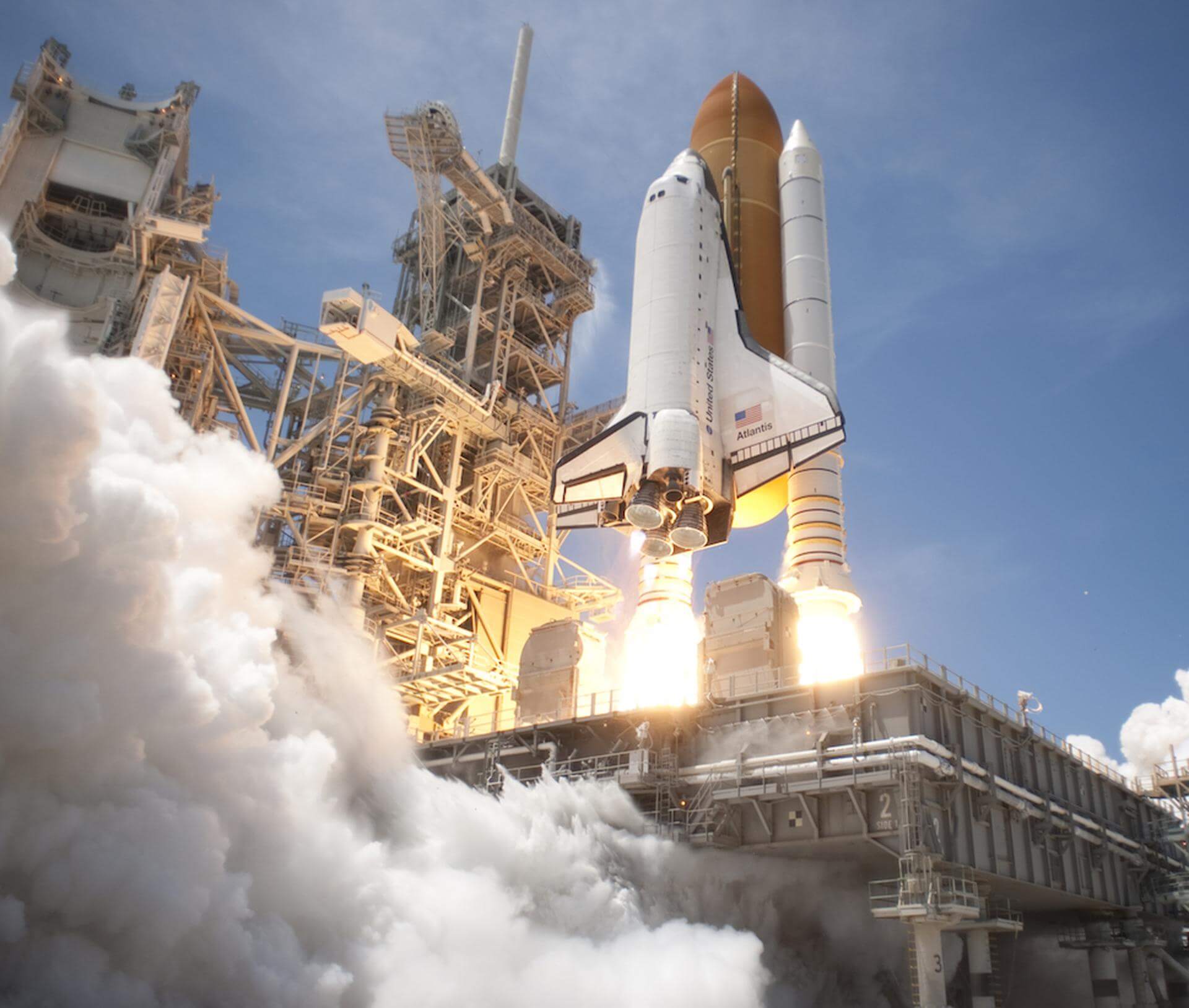
Artemis II crew surpassed Apollo 13's distance record during April 6 lunar flyby. Orion carried 4 astronauts—including Canadian Jeremy Hansen—farther from Earth than any humans.