ATLAS AGENA D R/B (10509)

COSPAR: N/A | Alt Name: Agena D 1553
DECAYED

Image
ATLAS AGENA D R/B Satellite Image
Additional Sources
Launch Details

Launch Date

December 11, 1977

Launch Pad

Unknown

Launch Vehicle

Unknown

Orbital Elements

NORAD ID

10509

International Designator

N/A

Decay Date

Unknown

Basic Satellite Info

Name

ATLAS AGENA D R/B

Alternative Name

Agena D 1553

Type

Rocket Body

Status

Space Junk

Owner

SAMSO

Country

United States

Constellation

N/A

Related Satellites

Major Events

N/A

Summary
A rocket body, also commonly referred to as an upper stage or spent rocket stage, is the structural shell left behind after a rocket has delivered its payload to orbit. These large and often heavy pieces of space hardware can remain in orbit for years, posing significant collision hazards as part of the growing space debris problem. If left uncontrolled, rocket bodies have the potential to reenter Earth's atmosphere unpredictably, which can lead to falling debris in populated areas. Additionally, they risk colliding with operational satellites or the International Space Station, creating more debris and putting human life at risk.
Physical Characteristics

Length

6.3

Diameter

1.5

Span

6.3

Dry Mass

600

Launch Mass

600

Shape

Cyl

Radar Cross Section

Unknown

Visual Magnitude

Unknown

Color

Unknown

Material Composition

Unknown

Technical Details

Payload

Agena D

Purpose

Unknown

Mission

Unknown

Manufacturer

LMSC

Life Expectancy

Unknown

Bus

Agena D

Configuration

Unknown

Motor

Unknown

Equipment

Unknown

Power System

Unknown

ADCS

Unknown

Transmitter Frequency

Unknown

Satellite Articles

View All Posts »

Learn more about satellites and other related topics.

Trump Seeks Starlink for Iran Internet, China Plans 200,000-Satellite Constellation | KeepTrack Space Brief

Trump Seeks Starlink for Iran Internet, China Plans 200,000-Satellite Constellation | KeepTrack Space Brief

Trump seeks Musk's help to restore internet in Iran via Starlink. China files for 200,000-satellite constellation. Sweden allocates $1.6B for air defense and $140M for space capabilities.

Space Brief 23 Dec 2025

Space Brief 23 Dec 2025

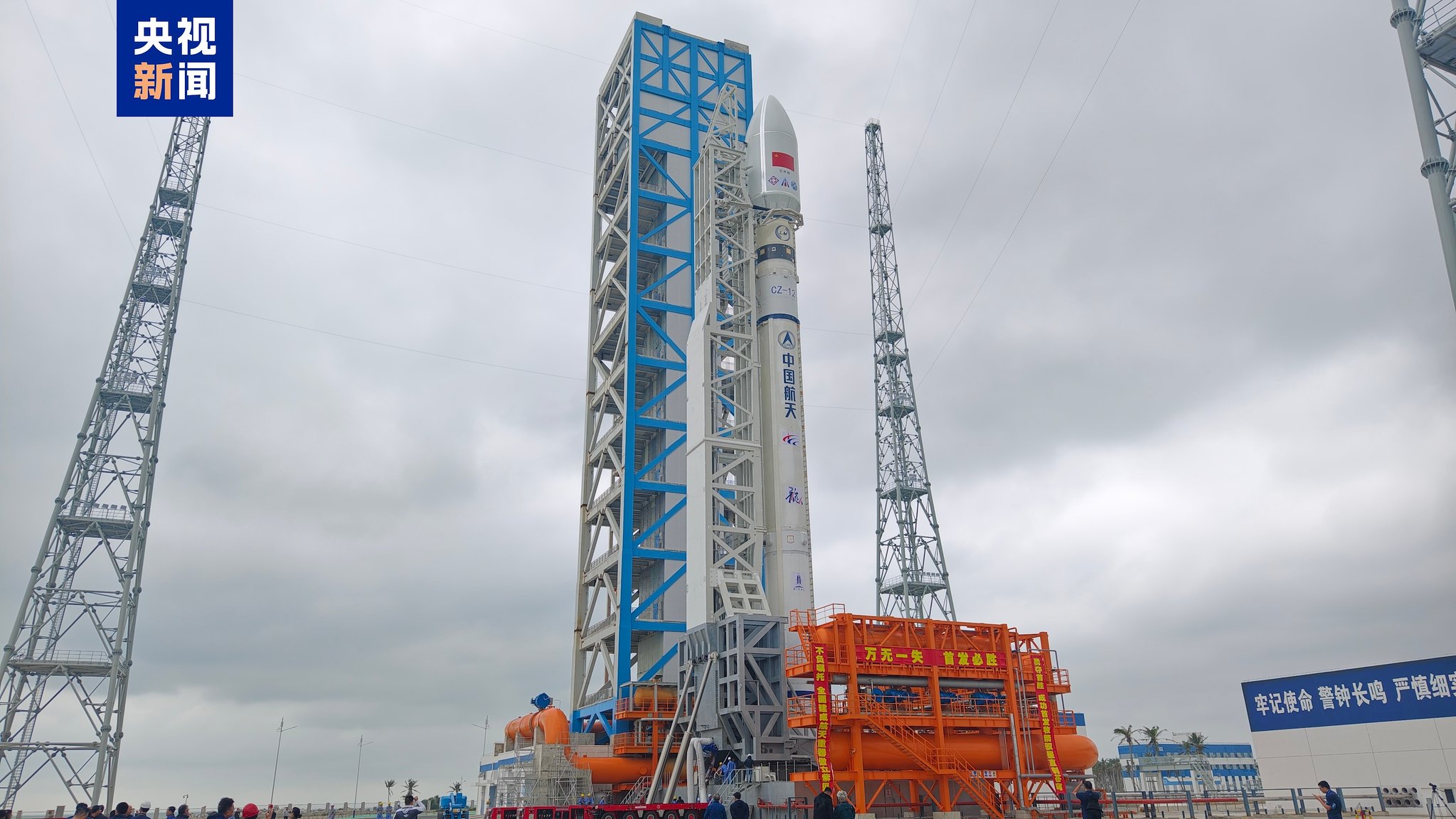
Today's briefing covers the Long March 12A's first launch, a major advance in space radio communication, and highlights from key military developments impacting space operations.

SpaceX Plans Three Launches This Week Including ISRO Rideshare | KeepTrack X Report

SpaceX Plans Three Launches This Week Including ISRO Rideshare | KeepTrack X Report

SpaceX targets three launches this week including a rideshare mission with India's ISRO into Sun-Synchronous Orbit. Starlink network continues expanding with ongoing satellite deployments.

The Day That Changed How We Navigate Forever

The Day That Changed How We Navigate Forever

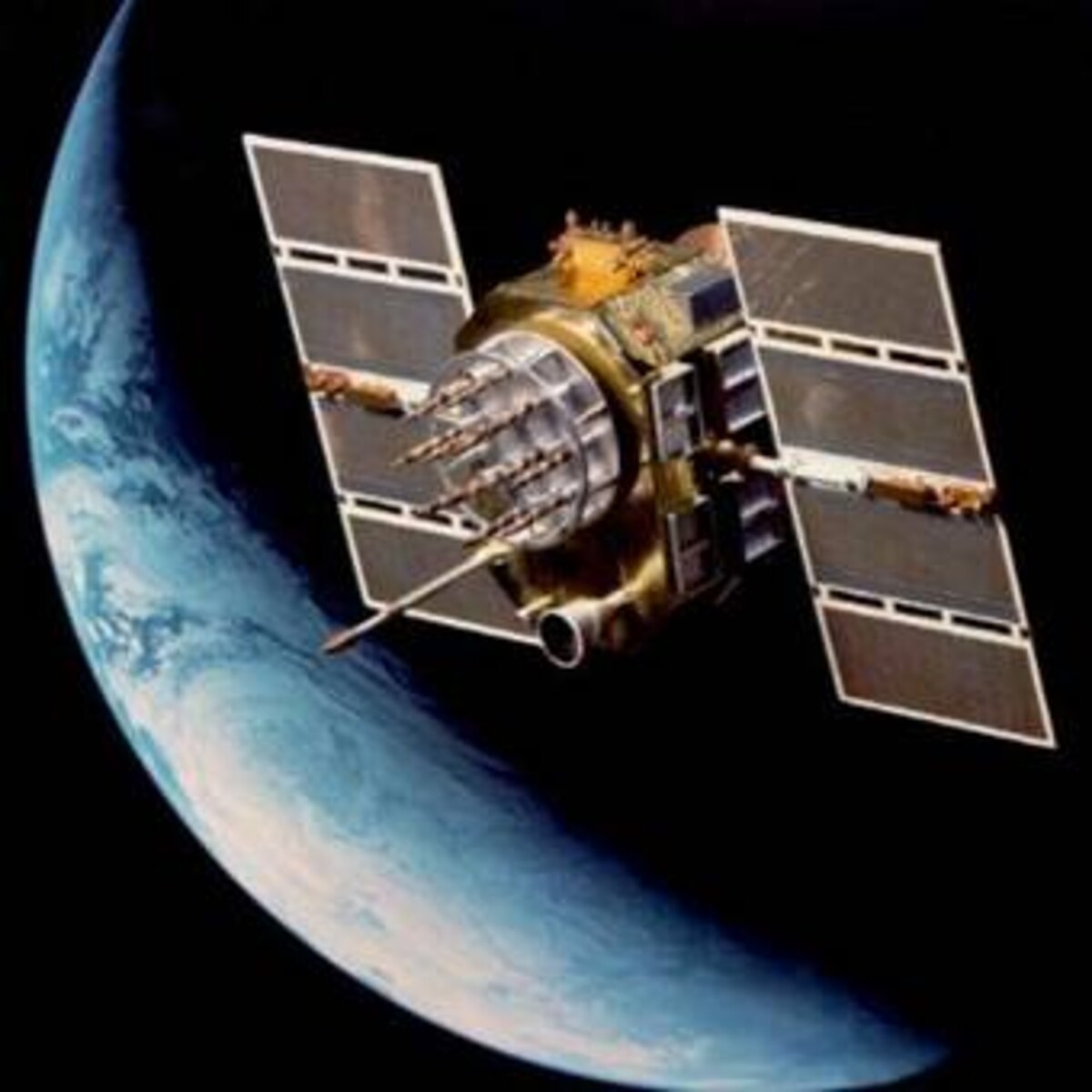
Forty-seven years ago, an Atlas rocket carried the first GPS satellite into orbit, launching a revolution in navigation that would transform daily life across the globe

Space Brief 1 Sep 2025

Space Brief 1 Sep 2025

Today's Space Brief covers the Space Force's AI integration, NASA's lunar nuclear reactor plans, ESA's Flight Ticket Initiative, Martian mantle revelations, and SpaceX's latest Starlink launch.

Space Brief 21 Aug 2025

Space Brief 21 Aug 2025

Today's brief covers the launch of the X-37B, cutting-edge quantum navigation systems, and the future of space-based military technology. Discover the role of SpaceX and the advancements in inertial navigation.

SpaceX Targets 600th Falcon Booster Landing on Starlink 17-22 | KeepTrack X Report

SpaceX Targets 600th Falcon Booster Landing on Starlink 17-22 | KeepTrack X Report

SpaceX attempts its 600th Falcon 9 booster landing during the Starlink 17-22 mission, adding 25 satellites from Vandenberg SFB.

SpaceX Launches AST SpaceMobile Block 2 BlueBird Satellites | KeepTrack Space Brief

SpaceX Launches AST SpaceMobile Block 2 BlueBird Satellites | KeepTrack Space Brief

SpaceX launched three Block 2 BlueBird satellites for AST SpaceMobile from Cape Canaveral. Block 2 variants are larger with enhanced capacity compared to Block 1 units already in orbit.