


Space Force Awards $437M to Viasat, SES for Military Satcom | KeepTrack Space Brief
Space Force contracts Viasat and SES for $437M Protected Tactical Satcom-Global program. Four new GEO satellites replace vulnerable single-satellite systems.



Launch Date
May 30, 1977
Launch Site
PLMSC
Launch Pad
LC132/1
Launch Vehicle
Kosmos 11K65M
NORAD ID
10496
International Designator
1977-042W
Decay Date
4/18/1978
Name
COSMOS 913 DEB
Alternative Name
Kosmos-913 SS 19
Type
Status
Owner
PVO
Country
USSR
Constellation
N/A
Related Satellites
Major Events
N/A
Length
0.2
Diameter
0.2
Span
0.2
Dry Mass
5
Launch Mass
5
Shape
Sphere
Radar Cross Section
0.1474
Visual Magnitude
Unknown
Color
Unknown
Material Composition
Unknown
Payload
ESO
Purpose
Unknown
Mission
Unknown
Manufacturer
YUZH
Life Expectancy
Unknown
Bus
ESO
Configuration
Unknown
Motor
Unknown
Equipment
Unknown
Power System
Unknown
ADCS
Unknown
Transmitter Frequency
Unknown
Learn more about satellites and other related topics.
Space Force contracts Viasat and SES for $437M Protected Tactical Satcom-Global program. Four new GEO satellites replace vulnerable single-satellite systems.
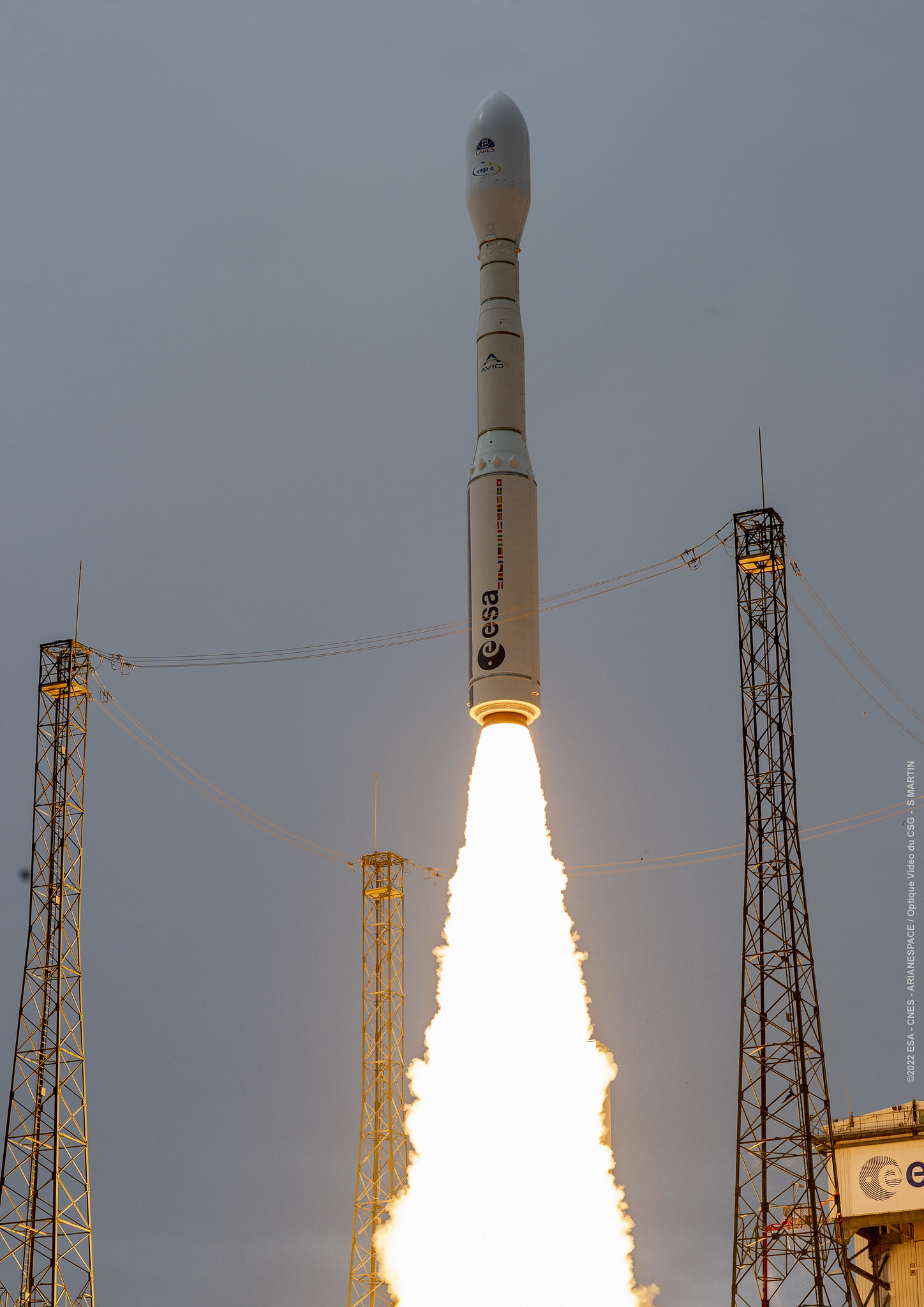
Today's briefing covers the largest-ever spectrum sharing demo planned by the Pentagon, innovative strategies for drone deployment in the Air Force, and significant military procurement developments.
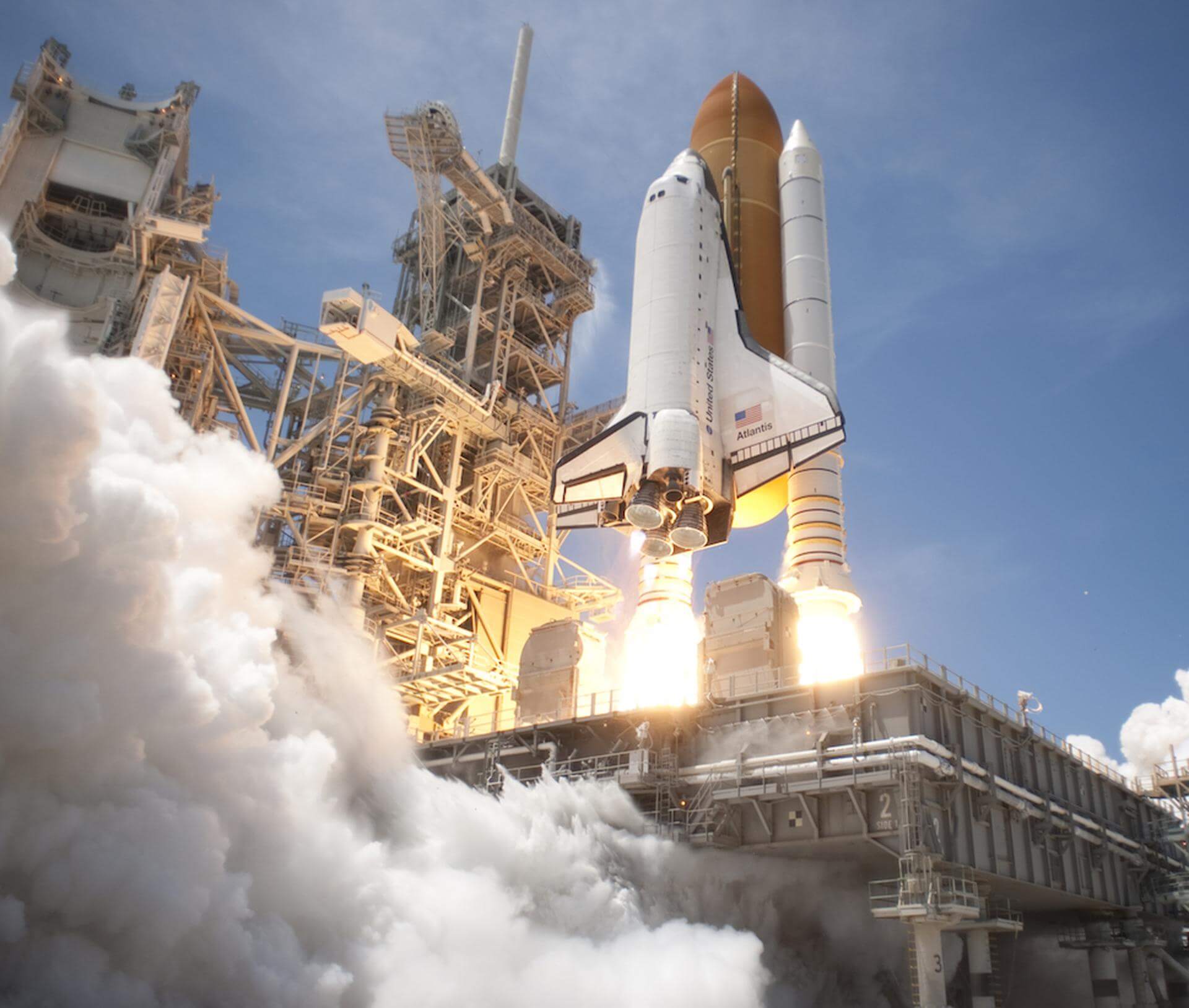
Rocket Lab to acquire Iridium's 66-satellite LEO constellation for end-to-end vertical integration. Deal includes spacecraft manufacturing, launch, and on-orbit operations control.

Today's Space Brief covers a significant signals intelligence launch, a record-breaking satellite deployment in China, a glimpse into the newest stealth drone, a potential delay for NASA's lunar lander, and more exciting updates from satellite world.
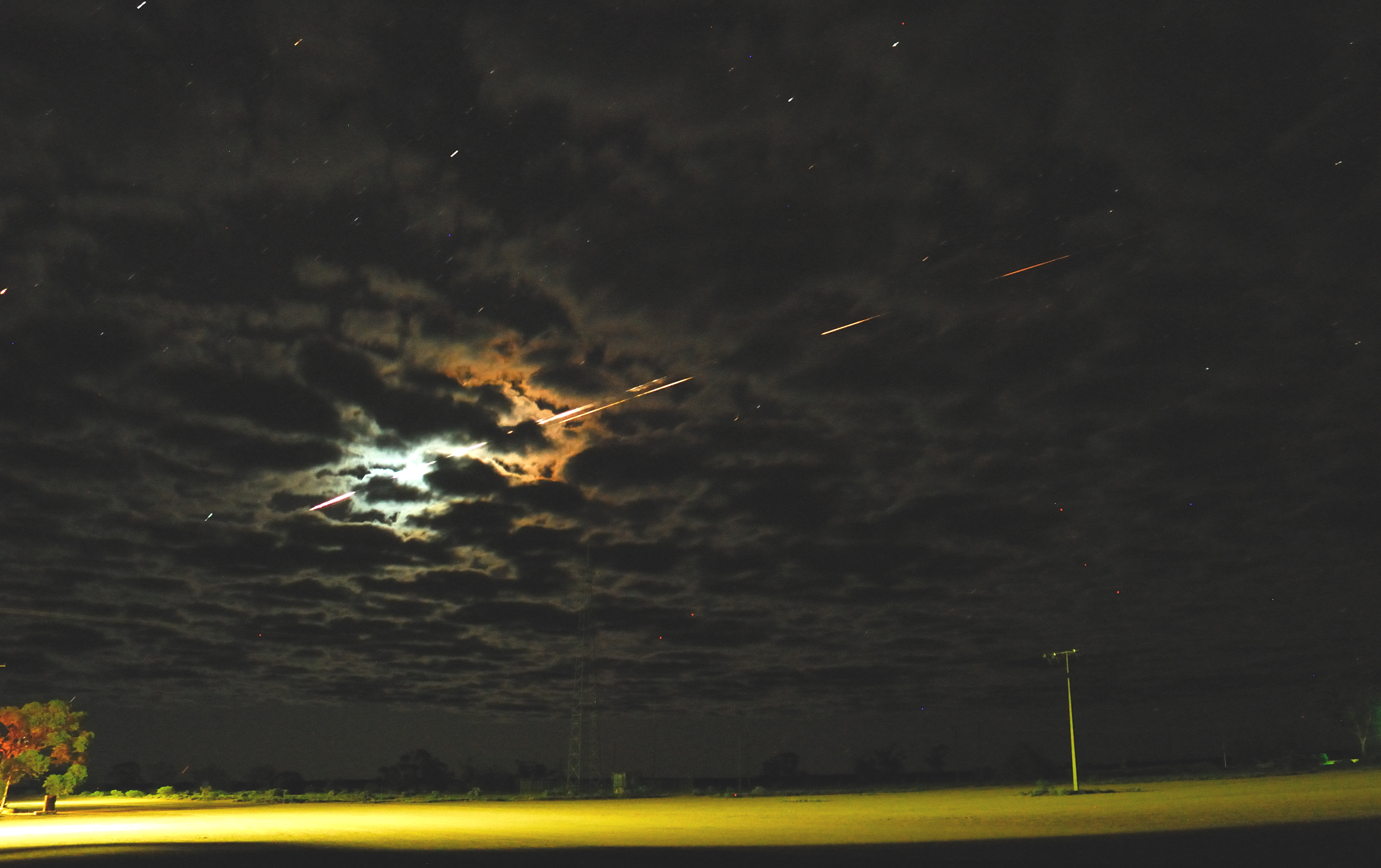
Sixteen years ago today, a fireball tore across the Australian outback. Most of it was a dying Japanese spacecraft burning up after a seven-year ordeal. The bright dot racing ahead of the wreckage was a capsule holding the first grains of an asteroid ever returned to Earth.

SpaceX successfully launched another batch of Starlink satellites while marking a significant milestone with the 500th Falcon 9 mission. Additionally, the company is preparing for further testing of its Starship system and has begun collaborating with Amazon on their Project Kuiper constellation.

Elon Musk provided updates on the anticipated Starship Flight 10, along with insights on SpaceX's progress at Cape Canaveral. Key developments include target timelines for upcoming launches and ongoing efforts in Starship's development.
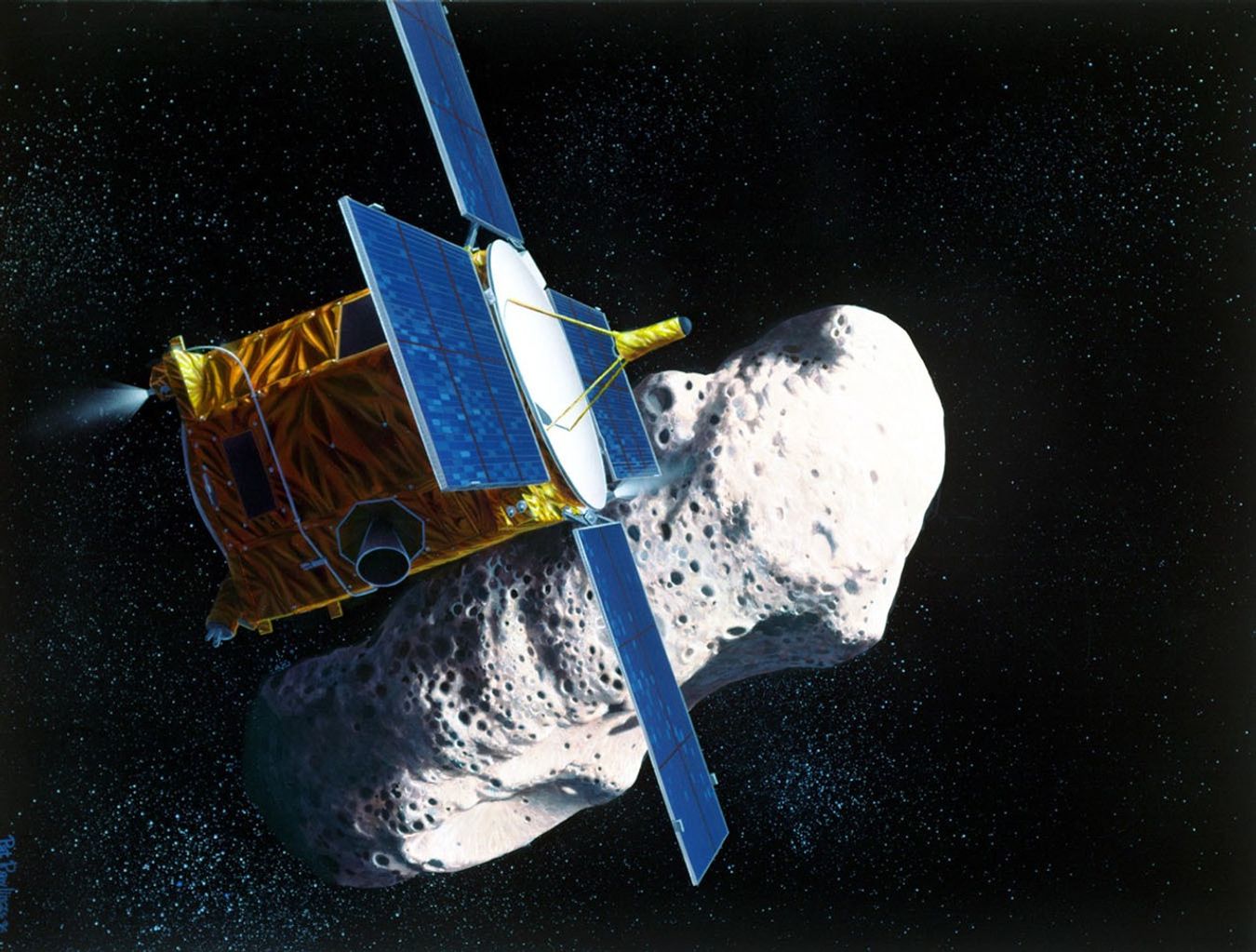
Twenty-four years ago, a spacecraft designed only to orbit made history with an improvised landing on asteroid Eros, marking humanitys first controlled touchdown on a small celestial body