


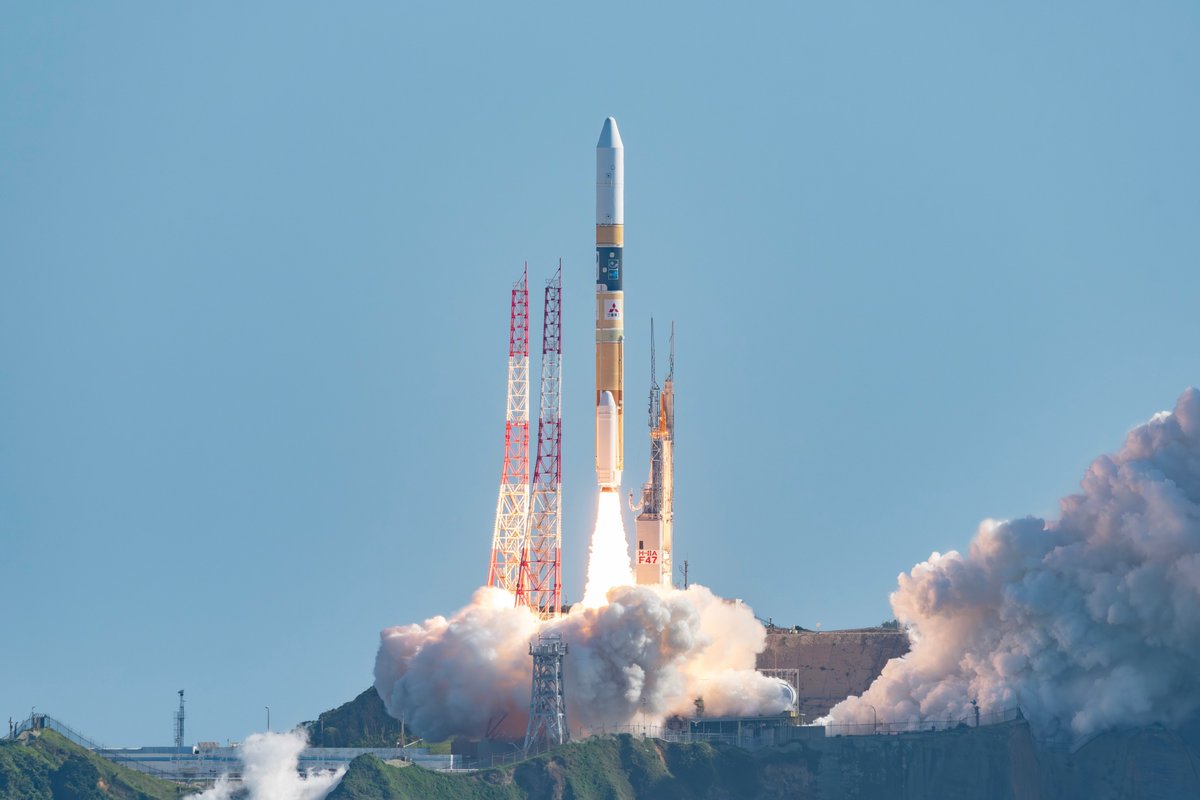
Space Brief 15 Jun 2025
Today’s highlights focus on the launch preparations for the Dragoon Mission, China’s seismo-electromagnetic satellite launch, NASA budget cut impacts, and a major expansion by American Pacific Corporation.



Launch Date
July 8, 1976
Launch Site
PLMSC
Launch Pad
LC132/1
Launch Vehicle
Kosmos 11K65M
NORAD ID
10413
International Designator
1976-067G
Epoch
Sat, 04 Jul 2026 02:33:12 GMT
Apogee
Calculating...
Perigee
Calculating...
Inclination
65.88°
Right Ascension
232.90°
Eccentricity
Calculating...
Argument of Perigee
287.18°
Period
117.07 min
Mean Motion
12.30 rev/day
Latitude
Calculating...
Longitude
Calculating...
Altitude
Calculating...
Velocity
Calculating...
Name
COSMOS 839 DEB
Alternative Name
deb Kosmos-839
Type
Status
Owner
PVO
Country
USSR
Constellation
N/A
Related Satellites
Major Events
N/A
1 10413U 76067G 26185.10639527 .00000243 00000-0 11627-2 0 9998
2 10413 65.8772 232.9009 0684517 287.1764 89.7860 12.30007014241392
Source: Celestrak
Length
0
Diameter
0
Span
0
Dry Mass
0
Launch Mass
0
Shape
N/A
Radar Cross Section
0.0774
Visual Magnitude
Unknown
Color
Unknown
Material Composition
Unknown
Payload
Unknown
Purpose
Unknown
Mission
Unknown
Manufacturer
Unknown
Life Expectancy
Unknown
Bus
Unknown
Configuration
Unknown
Motor
Unknown
Equipment
Unknown
Power System
Unknown
ADCS
Unknown
Transmitter Frequency
Unknown
Learn more about satellites and other related topics.
Today’s highlights focus on the launch preparations for the Dragoon Mission, China’s seismo-electromagnetic satellite launch, NASA budget cut impacts, and a major expansion by American Pacific Corporation.
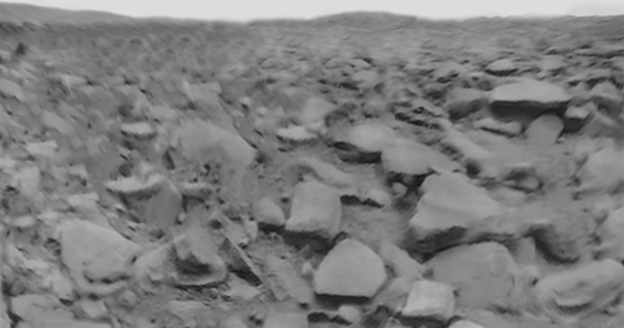
On December 15, 1970, a battered Soviet probe accomplished something no spacecraft had done before - it survived landing on another world and lived to tell about it.

Thirty-five years ago, NASA's Galileo spacecraft made a crucial flyby of Venus, pioneering a complex path through the inner solar system that would revolutionize planetary exploration
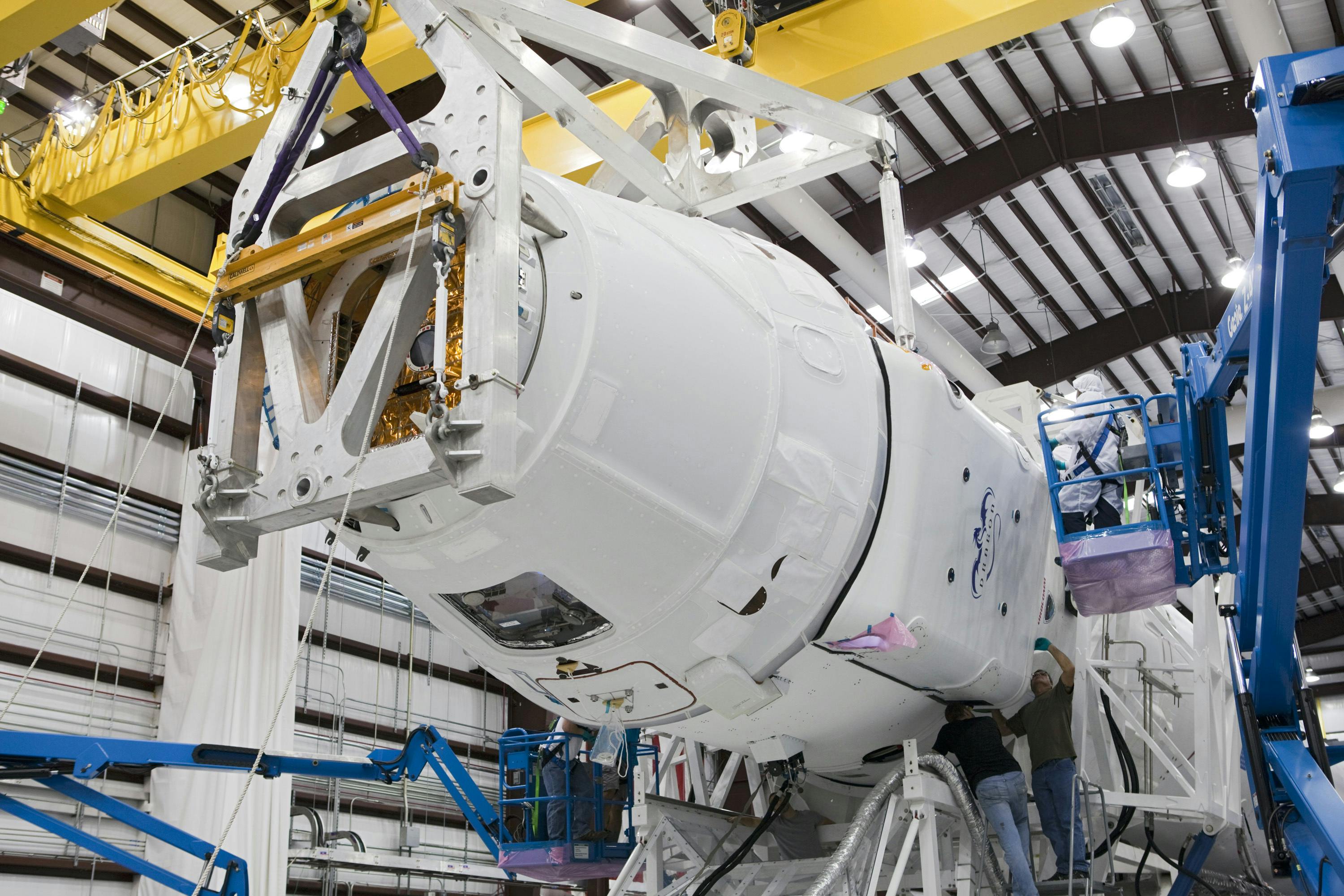
SpaceX secures a significant military contract while successfully launching multiple batches of Starlink satellites. Furthermore, milestones aboard the ISS highlight ongoing space missions.
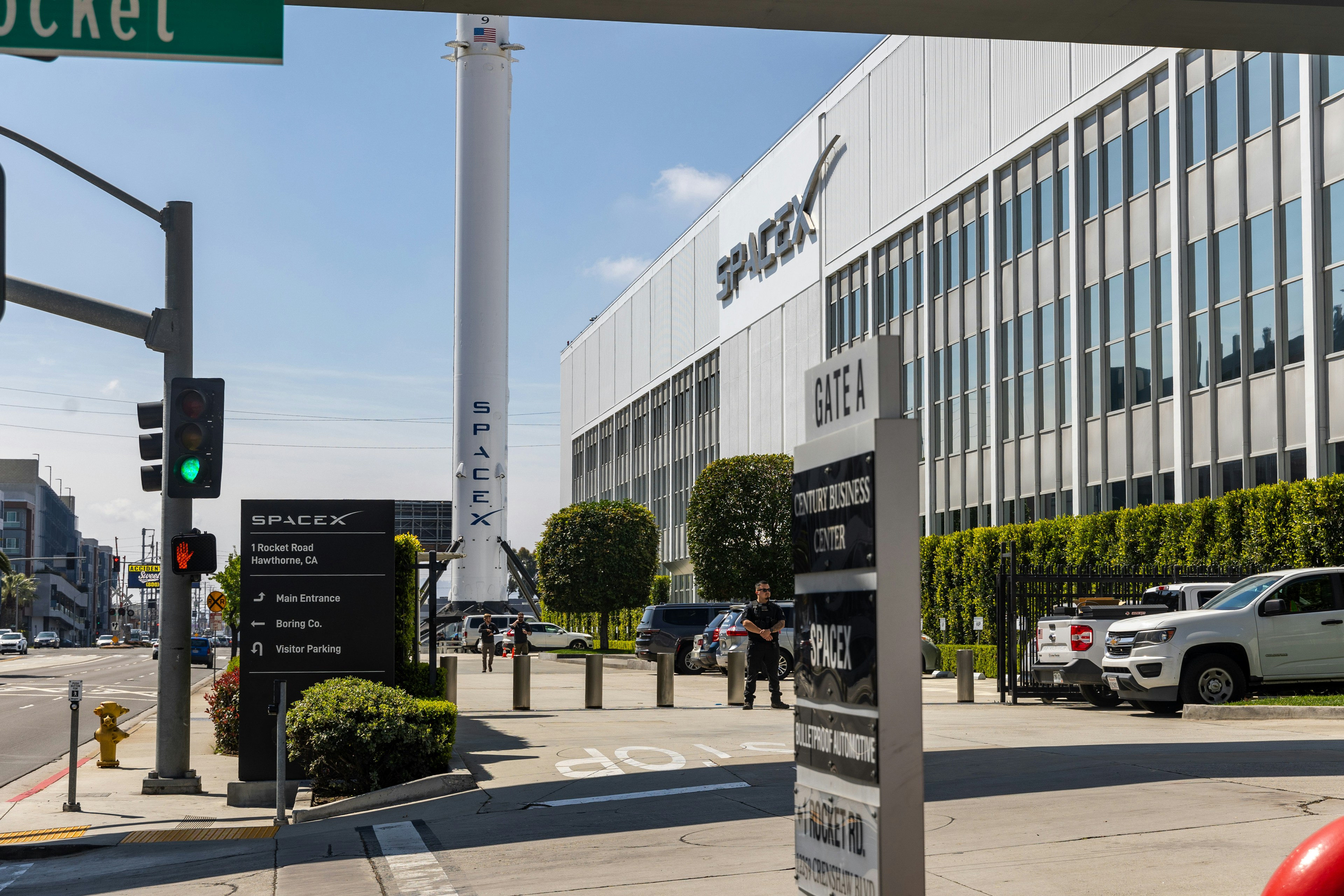
SpaceX sets a new reusability record and continues its busy launch schedule with multiple Starlink missions.

Today's highlights include significant data release from NASA's Atmospheric Waves Experiment, SpaceX's dual launches of Crew-10 and Starlink satellites, and intriguing findings from the arctic ice studies.

SpaceX surpassed 10,000 simultaneous Starlink satellites in orbit after Starlink 17-24 deployed 25 satellites from California. Milestone reached in under 7 years.
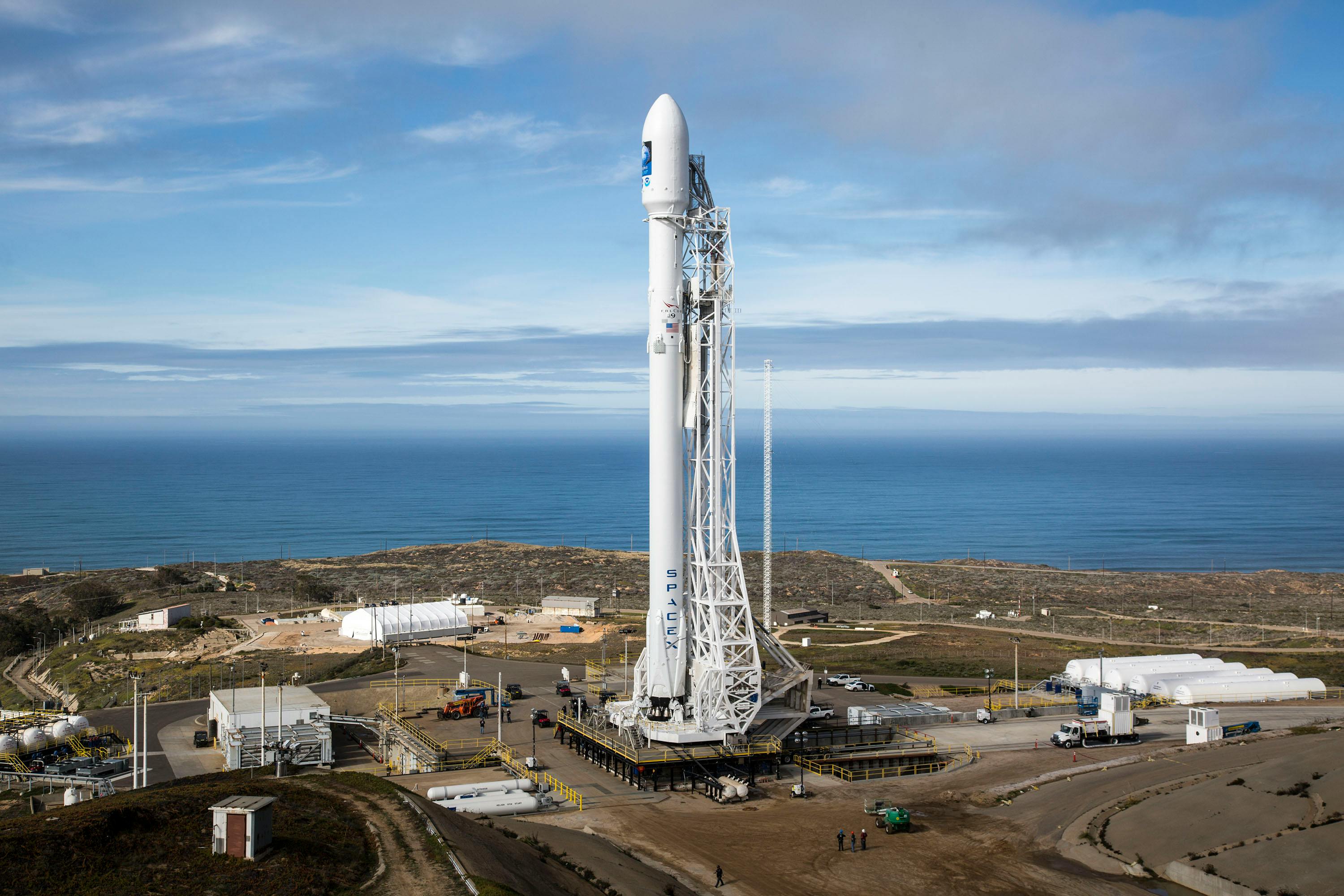
SpaceX successfully launched 28 Starlink satellites aboard a Falcon 9 rocket, marking significant advancements in their deployment and operational capabilities.