COSMOS 838 DEB (10051)

COSPAR: 1976-063G | Alt Name: deb Kosmos-838
DECAYED

Image
COSMOS 838 DEB Satellite Image
Additional Sources
Launch Details

Launch Date

July 2, 1976

Launch Pad

LC90

Launch Vehicle

Tsiklon-2

Orbital Elements

NORAD ID

10051

International Designator

1976-063G

Decay Date

11/1/1977

Basic Satellite Info

Name

COSMOS 838 DEB

Alternative Name

deb Kosmos-838

Type

Debris

Status

Space Junk

Owner

VMF

Country

USSR

Constellation

N/A

Related Satellites

Major Events

N/A

Summary
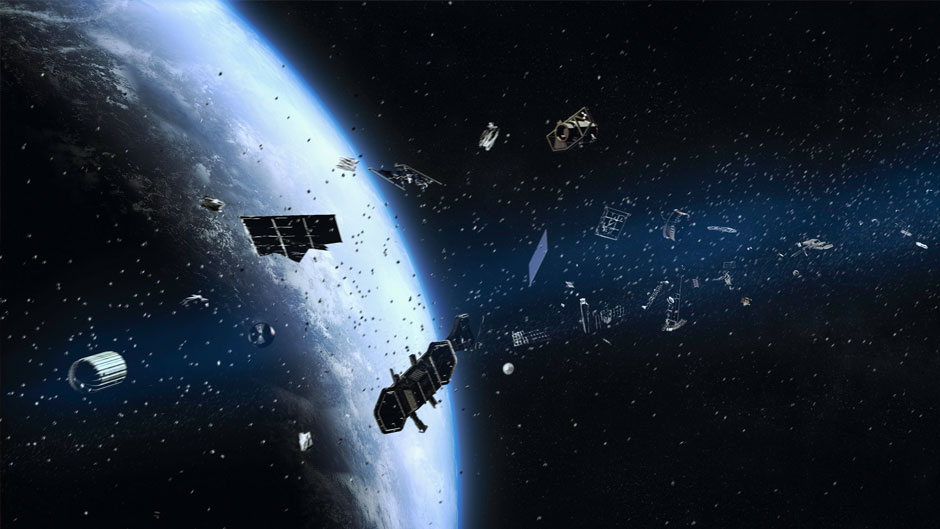
Space debris, also known as space junk, encompasses all non-functional objects orbiting Earth such as defunct satellites, spent rocket stages, and fragments from collisions or disintegrations. Over time, this debris can accumulate and create an increasingly hazardous environment in orbit. Even tiny fragments, traveling at extremely high velocities, can inflict significant damage on operational satellites and spacecraft. If left unmanaged, the density of debris raises the risk of catastrophic collisions and further fragmentation, compounding the problem and threatening the safety and sustainability of space activities.
Physical Characteristics

Length

0

Diameter

0

Span

0

Dry Mass

0

Launch Mass

0

Shape

N/A

Radar Cross Section

Unknown

Visual Magnitude

Unknown

Color

Unknown

Material Composition

Unknown

Technical Details

Payload

Unknown

Purpose

Unknown

Mission

Unknown

Manufacturer

Unknown

Life Expectancy

Unknown

Bus

Unknown

Configuration

Unknown

Motor

Unknown

Equipment

Unknown

Power System

Unknown

ADCS

Unknown

Transmitter Frequency

Unknown

Satellite Articles

View All Posts »

Learn more about satellites and other related topics.

SpaceX Wins $2.29B Space Force LEO Comms Contract | KeepTrack Space Brief

SpaceX Wins $2.29B Space Force LEO Comms Contract | KeepTrack Space Brief

SpaceX awarded $2.29 billion to build Space Force's LEO communications backbone, integrating with SDA Transport layer satellites for military tactical data relay through space.

Artemis II Rolls Out to Pad 39B, China Hit by Dual Launch Failures | KeepTrack Space Brief

Artemis II Rolls Out to Pad 39B, China Hit by Dual Launch Failures | KeepTrack Space Brief

Artemis II SLS/Orion rolls to Launch Complex 39B for first crewed lunar mission since 1972. China suffers dual launch failures on the same day. SpainSat NG 2 declared total loss from debris strike.

Crew-11 Preps for First-Ever ISS Medical Evacuation, Lufthansa Orders Starlink for 850 Jets | KeepTrack X Report

Crew-11 Preps for First-Ever ISS Medical Evacuation, Lufthansa Orders Starlink for 850 Jets | KeepTrack X Report

Crew-11 prepares for historic first ISS medical evacuation via Crew Dragon. Lufthansa Group to equip all 850 aircraft with Starlink. Starship infrastructure advances at Starbase and Cape Canaveral.

The Day Humanity First Touched an Asteroid

The Day Humanity First Touched an Asteroid

Twenty-four years ago, a spacecraft designed only to orbit made history with an improvised landing on asteroid Eros, marking humanitys first controlled touchdown on a small celestial body

Space Brief 30 Jun 2025

Space Brief 30 Jun 2025

Today's highlights include SpaceX's record-breaking launches, Japan's final H-2A launch, and significant developments in satellite data policies impacting weather forecasting.

Who Owns SpaceX in 2026? Ownership, Valuation, and the Trillion-Dollar IPO

Who Owns SpaceX in 2026? Ownership, Valuation, and the Trillion-Dollar IPO

Elon Musk controls 79% of SpaceX's votes with just 42% of the equity - and the company just merged with his AI startup at a $1.25 trillion valuation. Here's who actually owns what, how the money works, and what a $1.75 trillion IPO means for investors.

X Report 25 Apr 2025

X Report 25 Apr 2025

SpaceX launches Starlink satellites successfully, while Starbase inches closer to city status and business discussions intensify.

The Day Electric Propulsion Changed Spaceflight Forever

The Day Electric Propulsion Changed Spaceflight Forever

Fifty-five years ago, a revolutionary spacecraft launched from California carrying technology that would transform how we explore the solar system