


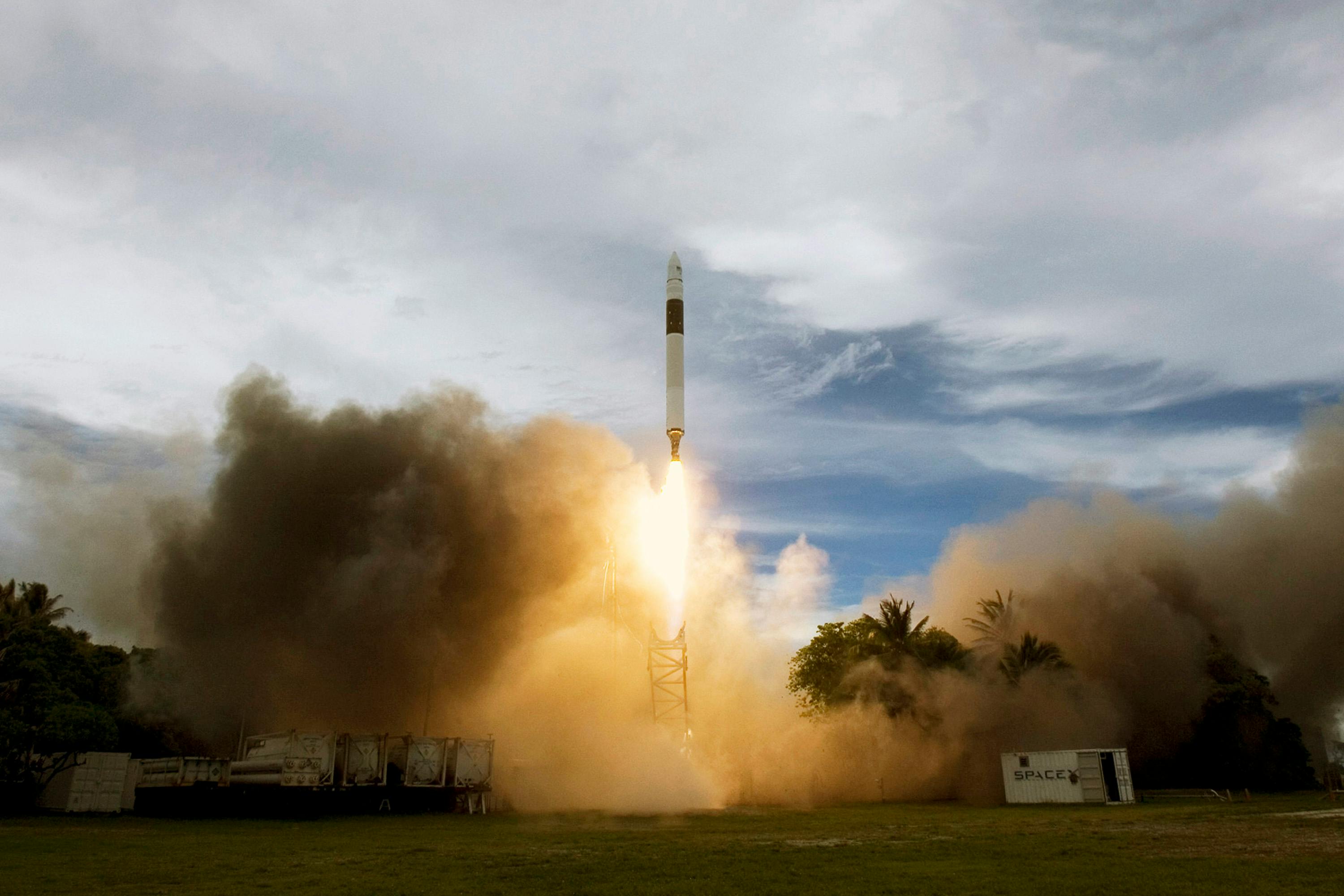
Starlink V2 Flies on Starship in 2027, X Report 4 Mar 2026
Gwynne Shotwell confirms Starlink V2 launches on Starship in 2027. Ship 39 preps Starship Flight 12; Falcon 9 lofts its 600th Starlink of 2026.



Launch Date
July 14, 2026
Launch Site
Launch Pad
Unknown
Launch Vehicle
Unknown
NORAD ID
100034
International Designator
2026-161G
Epoch
Wed, 22 Jul 2026 14:43:17 GMT
Apogee
Calculating...
Perigee
Calculating...
Inclination
53.16°
Right Ascension
284.36°
Eccentricity
Calculating...
Argument of Perigee
38.45°
Period
90.63 min
Mean Motion
15.89 rev/day
Latitude
Calculating...
Longitude
Calculating...
Altitude
Calculating...
Velocity
Calculating...
Name
STARLINK-37917
Alternative Name
N/A
Type
Status
Owner
Unknown
Country
United States
Constellation
N/A
Related Satellites
Major Events
N/A
1 A0034U 26161G 26203.61339223 -.00755709 00000+0 -28271-2 0 9991
2 A0034 53.1605 284.3556 0001437 38.4511 321.6618 15.88896553 1320
Source: Celestrak
Length
N/A
Diameter
N/A
Span
N/A
Dry Mass
N/A
Launch Mass
N/A
Shape
N/A
Radar Cross Section
Unknown
Visual Magnitude
Unknown
Color
Unknown
Material Composition
Unknown
Payload
Unknown
Purpose
Unknown
Mission
Unknown
Manufacturer
Unknown
Life Expectancy
Unknown
Bus
Unknown
Configuration
Unknown
Motor
Unknown
Equipment
Unknown
Power System
Unknown
ADCS
Unknown
Transmitter Frequency
Unknown
Learn more about satellites and other related topics.
Gwynne Shotwell confirms Starlink V2 launches on Starship in 2027. Ship 39 preps Starship Flight 12; Falcon 9 lofts its 600th Starlink of 2026.

NASA delays Artemis 2 for SLS upper stage fix and pad rollback. SpaceX Falcon 9 booster shatters reuse record with 33rd flight. Tory Bruno joins Blue Origin for defense work.
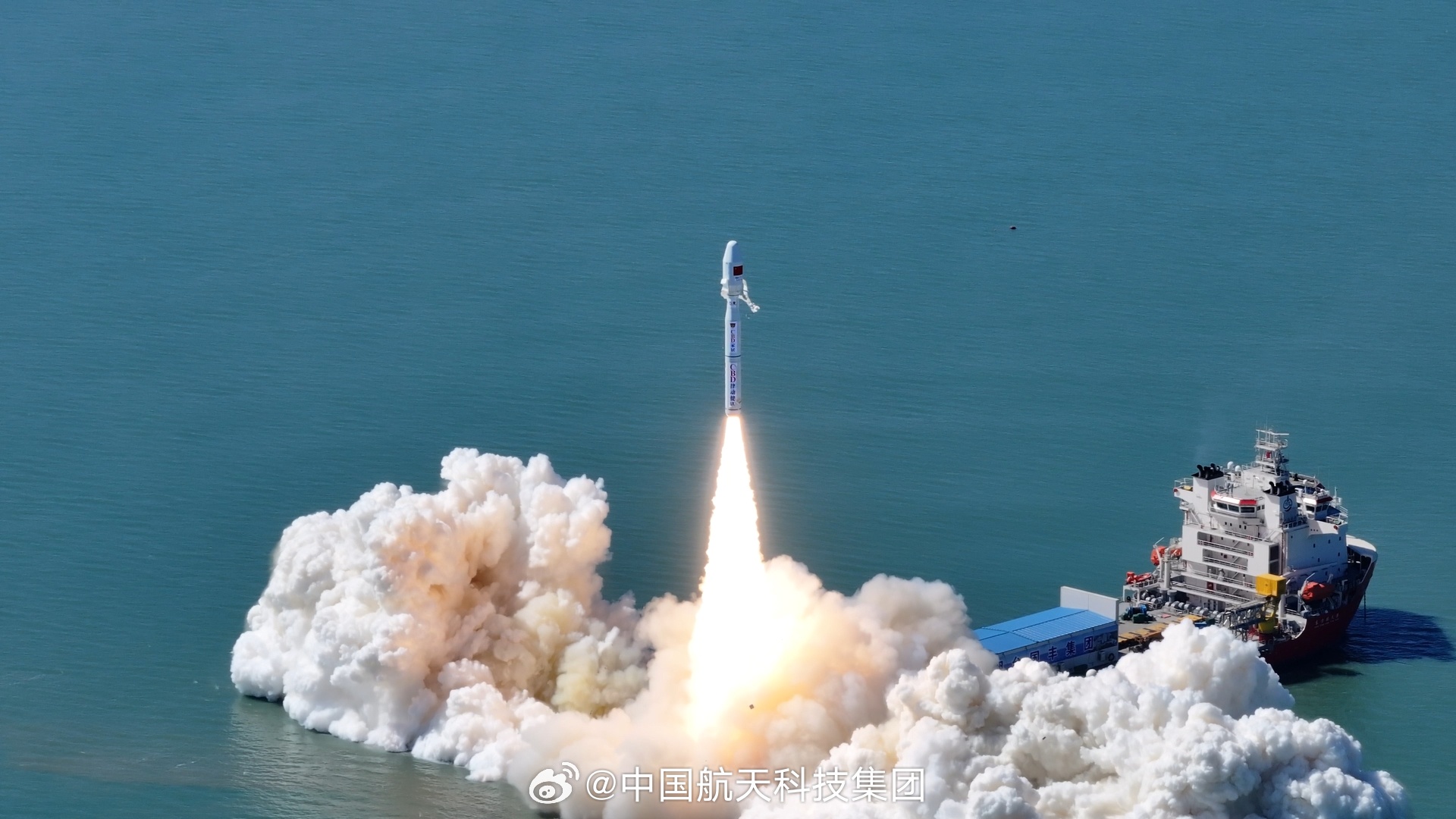
AI tools outperform human planners in Air Force battle management experiment. DARPA pursues quantum computing interoperability. Canada's Atlantic Spaceport Complex gets environmental approval.
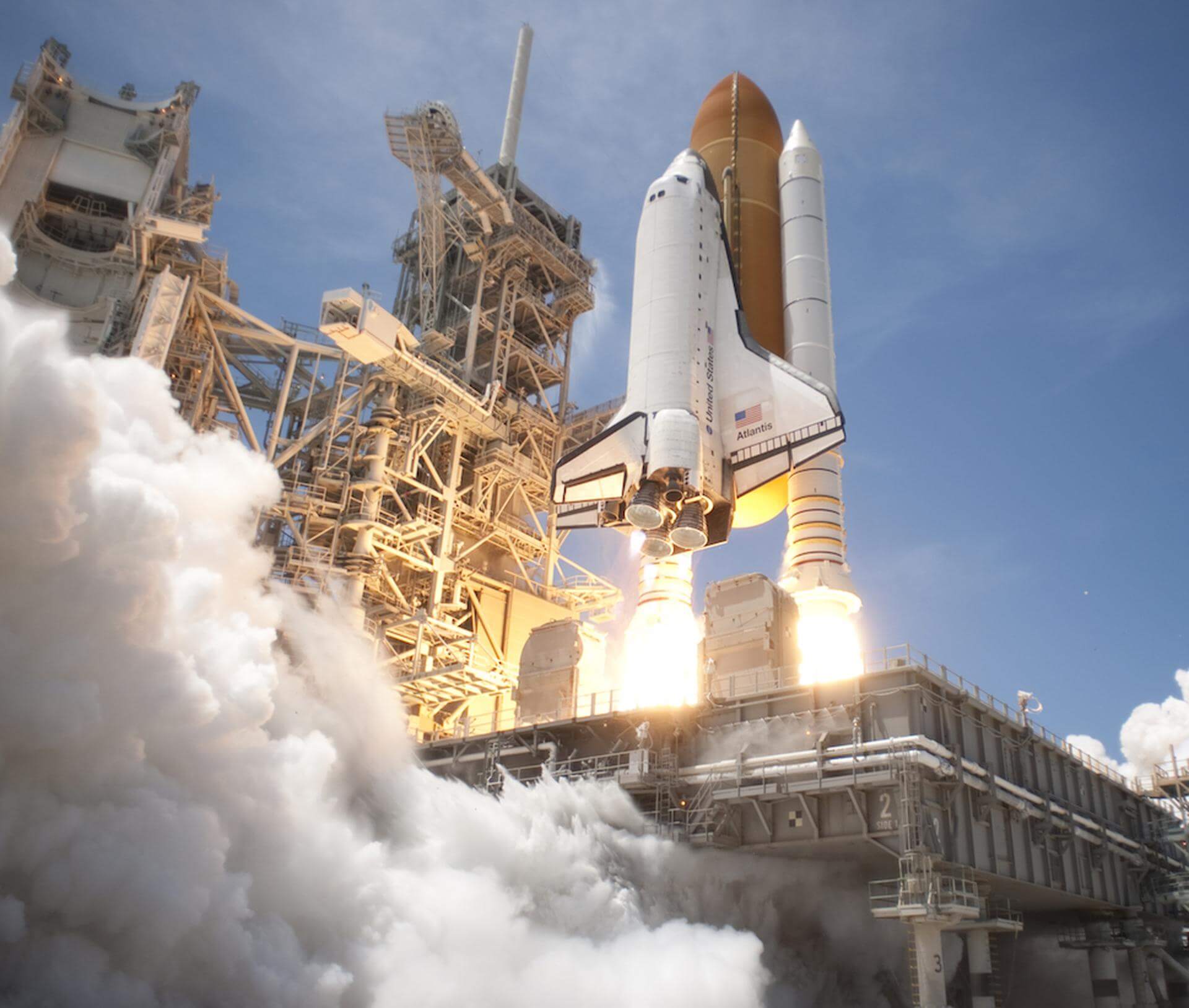
U.S. Space Force increased Andromeda contract ceiling to $6.2 billion for next-generation space situational awareness satellites replacing GSSAP and SILENTBARKER programs.
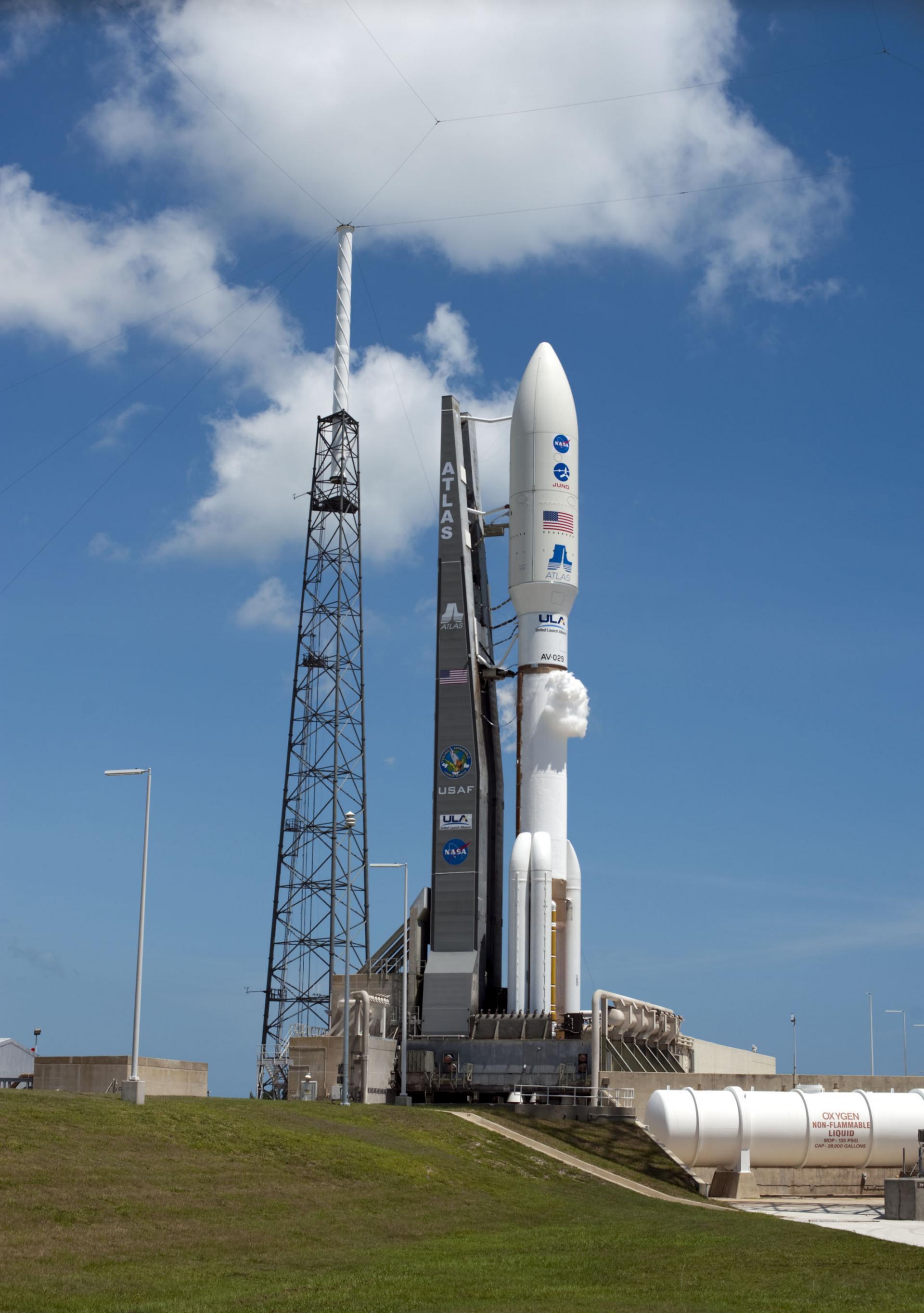
U.S. GSSAP satellites execute coordinated GEO maneuvers for continuous surveillance of Chinese Shijian-29 spacecraft. Handoff approach maintains coverage with zero gaps.

The Kessler Syndrome threatens humanity's future in space as cascading satellite collisions create exponential debris growth. With 36,000+ tracked objects and recent incidents accelerating risks, we face a critical juncture: implement solutions now or potentially lose access to low Earth orbit forever.
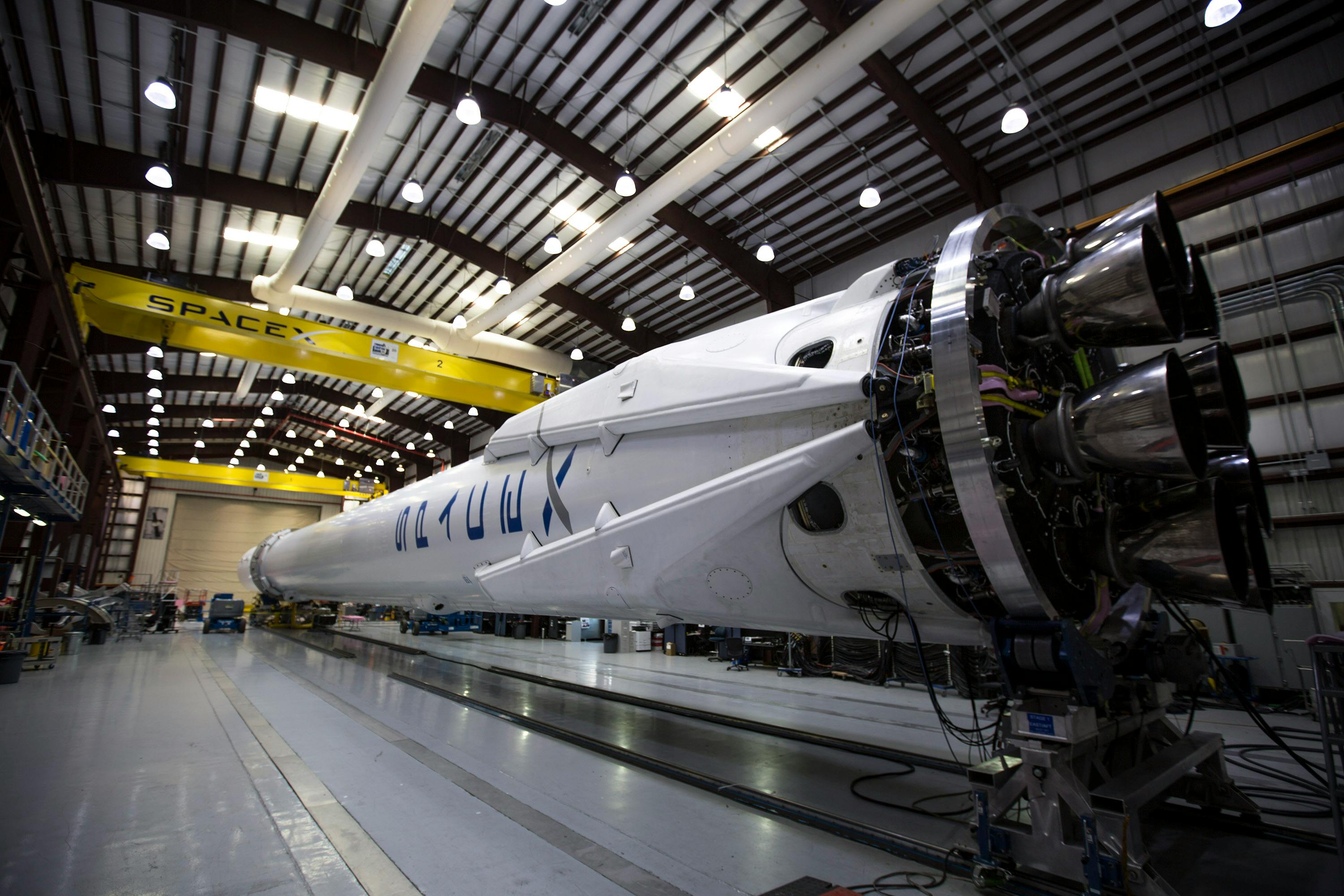
Today, SpaceX faced delays in launching the Ax-4 mission due to a booster leak, while Starlink made strides towards launching in India with new telecom license approval.
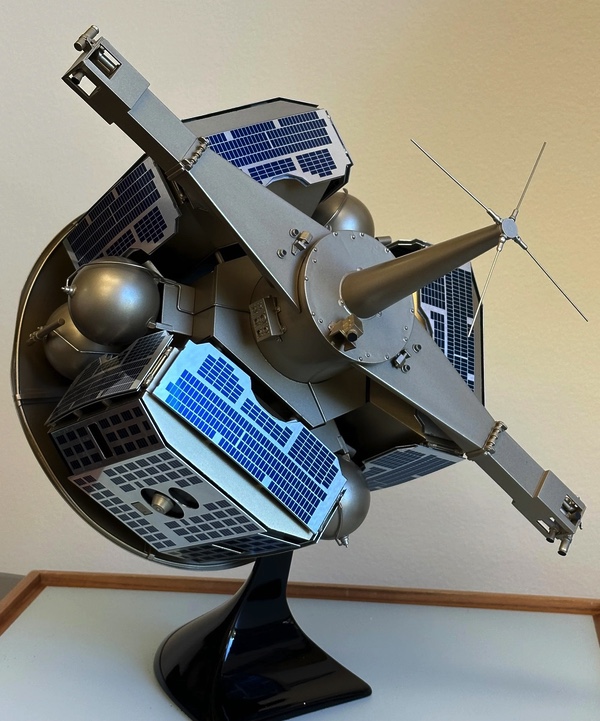
Forty-two years ago, an Atlas H rocket climbed into the California sky carrying four objects that would help the U.S. Navy track every Soviet warship on the planet - a mission so secret that even the satellites' true name wasn't declassified until 2023